
| 产品 | 提前预定时间 | 取消政策 | 原价 | 优惠价 | ||
|---|---|---|---|---|---|---|
| 产品 | 提前预定时间 | 取消政策 | 原价 | 优惠价 | ||
|---|---|---|---|---|---|---|
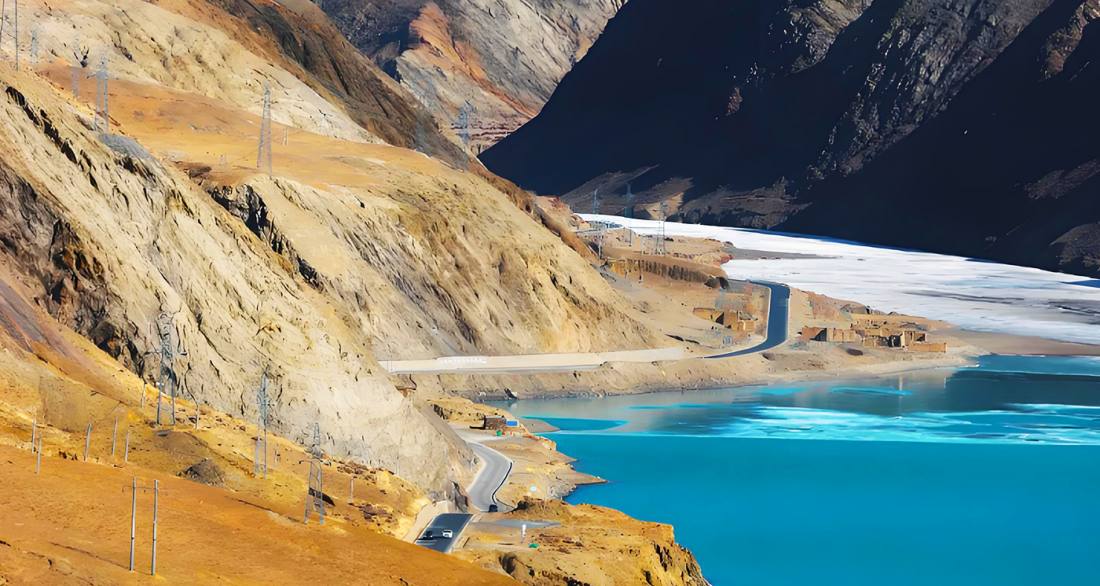
前往滿拉水庫遊覽無需提前預約或購票,因景區就位於公路旁,可直接停車在觀景台免費參觀。由於地處海拔約4300米的高原,需提前備好氧氣瓶、高反藥物及防寒衣物,注意防風防曬。水庫大壩及周邊區域為水利設施,請勿翻越圍欄進入核心管制區,也請勿在水庫中游泳、垂釣或污染水體。駕駛時請勿隨意駛入路邊草甸,愛護脆弱的生態環境。最佳遊覽時間為每年5月至10月,冬季部分路段可能積雪結冰,需謹慎駕駛。請尊重當地習俗,不隨意觸動經幡、瑪尼堆等宗教標識。
No advance reservation or ticket purchase is required to visit Manla Reservoir, as the scenic area is located right beside the road, allowing visitors to park directly at the viewing platform for free access. Due to its location on the plateau at an altitude of approximately 4,300 meters, it is essential to prepare oxygen bottles, altitude sickness medication, warm clothing, windproof gear, and sun protection in advance. The reservoir dam and surrounding areas are water conservancy facilities; do not climb over fences to enter restricted core zones, and refrain from swimming, fishing, or polluting the water. While driving, do not enter roadside meadows at will, and protect the fragile ecological environment. The best time to visit is from May to October each year; during winter, some road sections may be icy or snow-covered, requiring cautious driving. Respect local customs and avoid touching religious symbols such as prayer flags and mani stone piles.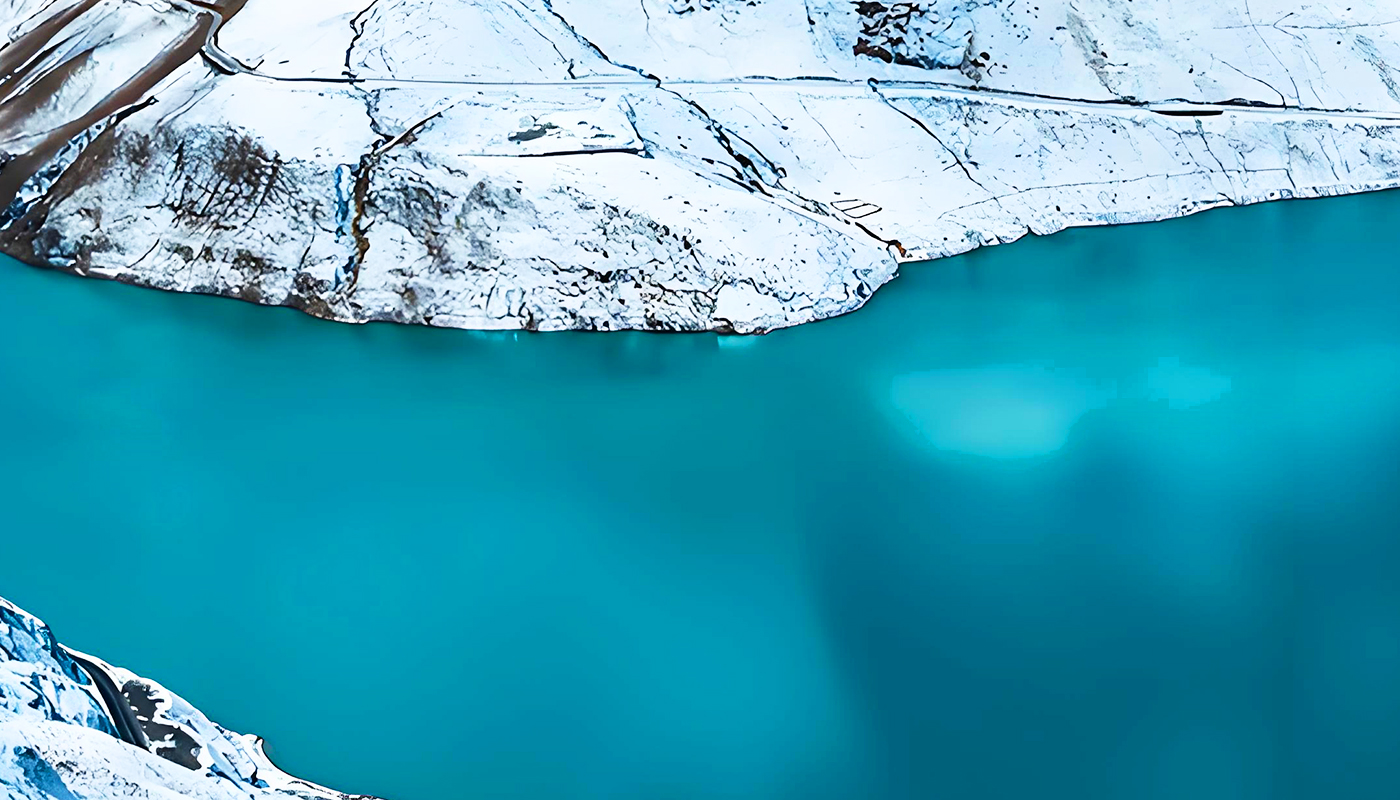
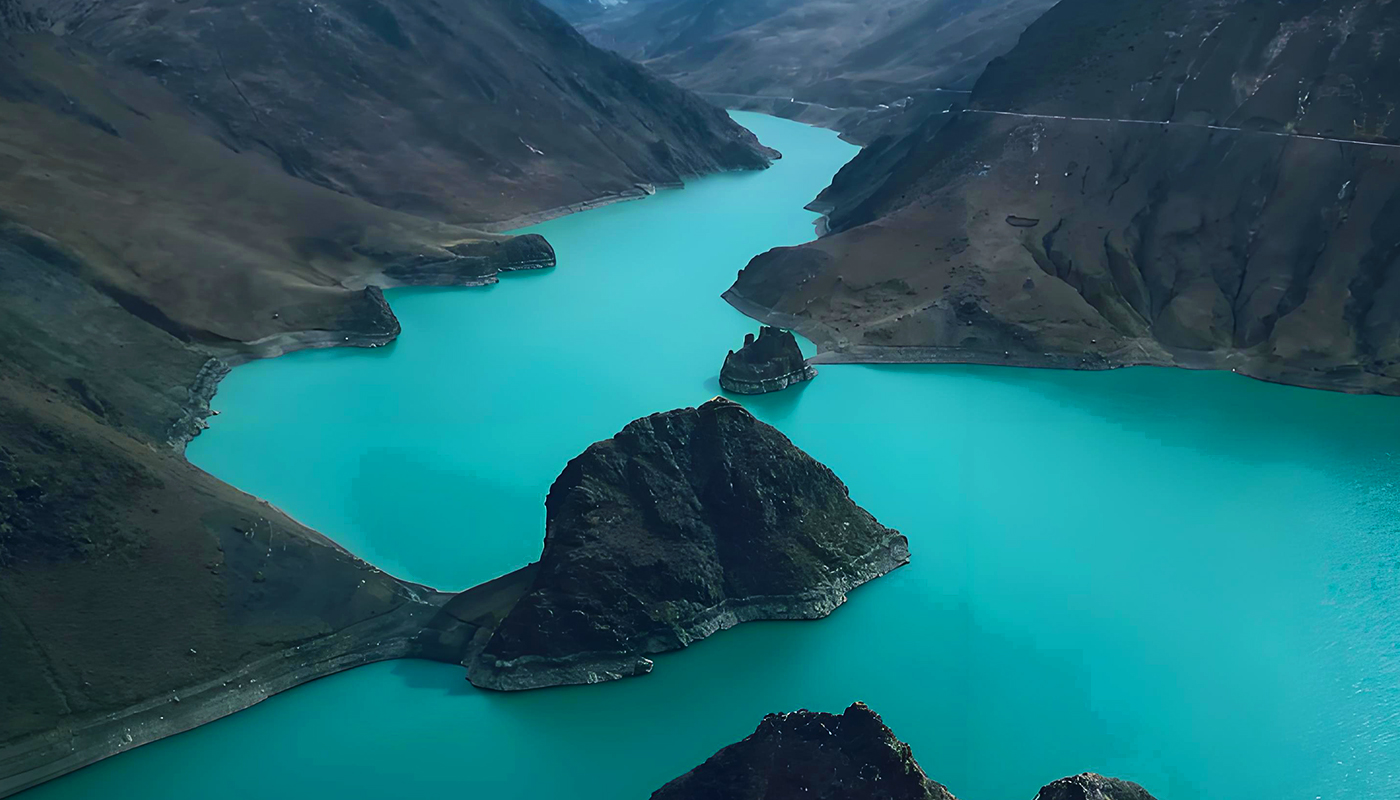
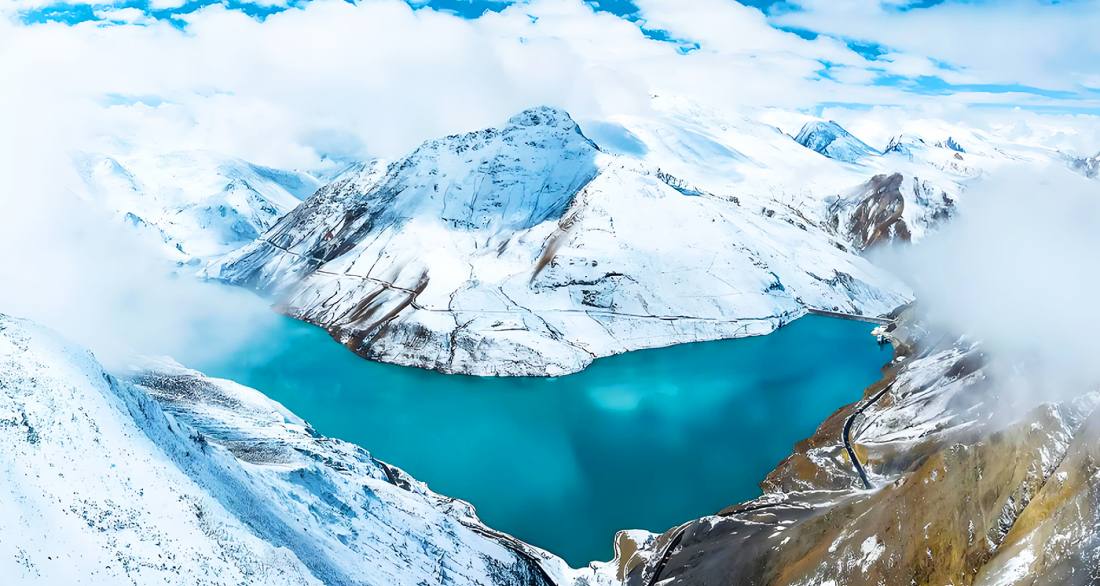
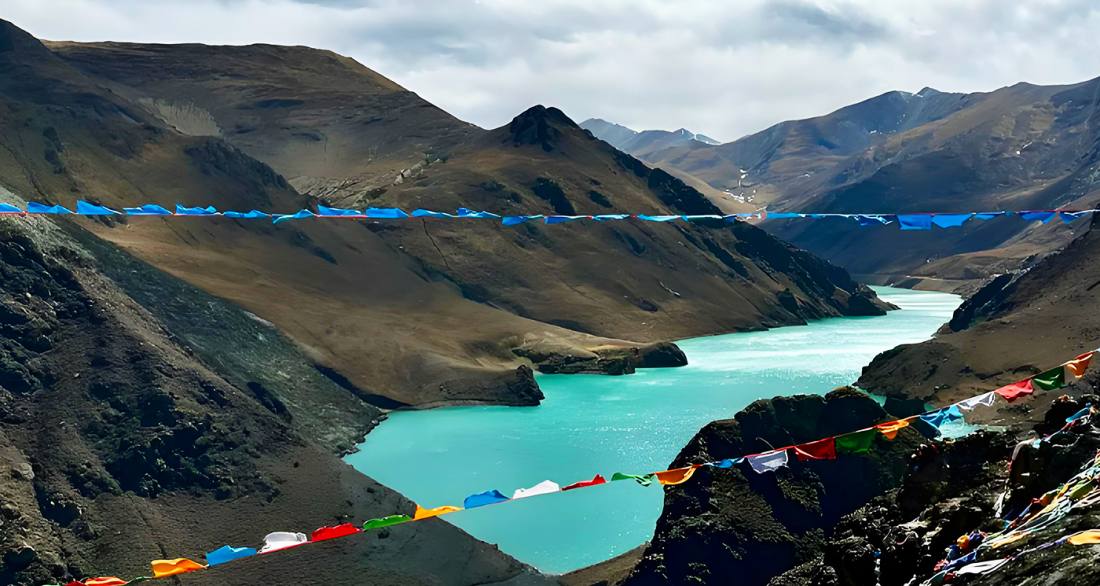
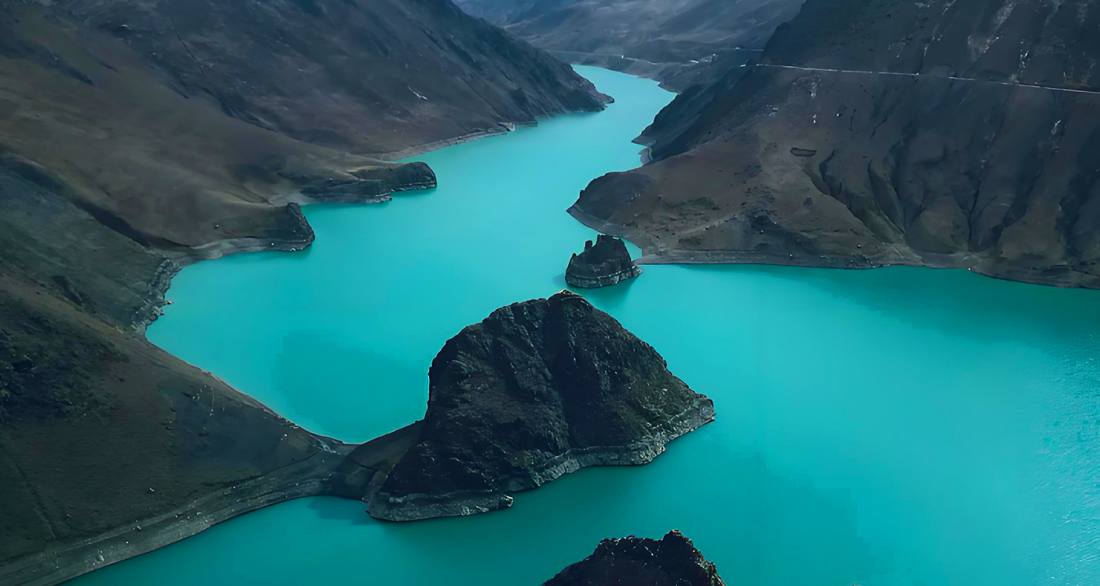
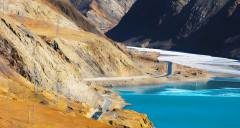
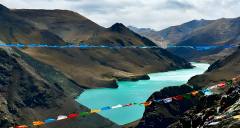
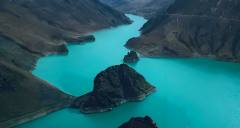
滿拉水庫位於西藏日喀則市江孜縣龍馬鄉年楚河上游,是一座以灌溉、發電爲主,兼具防洪、旅遊等綜合效益的大型水利工程,素有「西藏第一壩」之稱。水庫壩身高大,蓄水量巨大,壩址區海拔高,氣候寒冷且缺氧,冬季尤爲嚴寒。其湖水因礦物質與光線折射呈現獨特的碧綠色,宛如鑲嵌於山間的「綠寶石」,與遠山交相輝映,景色壯麗。工程於上世紀九十年代開工建設並下閘蓄水,不僅保障了年楚河流域農業灌溉,還推動了藏中電網聯通與旅遊業發展。目前水庫免費對外開放,遊客可沿公路在觀景台一覽其壯美風光。
Manla Reservoir is located on the upper reaches of the Nianchu River in Longma Township, Gyangzê County, Shigatse City, Tibet. It is a large-scale water conservancy project primarily dedicated to irrigation and power generation, while also providing comprehensive benefits such as flood control and tourism, earning it the reputation as "Tibet's First Dam". The dam structure is substantial, with a considerable storage capacity. Situated at a high altitude, the reservoir area experiences cold weather, low oxygen levels, and particularly harsh winters. Its lake water exhibits a distinctive turquoise-green color due to mineral content and light refraction, resembling a "green gemstone" set among the mountains and complementing the distant peaks, creating a splendid landscape. Construction of the project commenced and impoundment began in the 1990s. It not only ensures agricultural irrigation for the Nianchu River basin but also promotes the interconnection of central Tibet's power grid and advances tourism development. Currently, the reservoir is open to the public free of charge, allowing visitors to admire its magnificent scenery from viewing platforms along the road.