
| 产品 | 提前预定时间 | 取消政策 | 原价 | 优惠价 | ||
|---|---|---|---|---|---|---|
| 产品 | 提前预定时间 | 取消政策 | 原价 | 优惠价 | ||
|---|---|---|---|---|---|---|
江孜宗山抗英遺址全年免費開放,無需提前預約購票。開放時間一般為每日上午9:00至下午5:30(冬季或縮短),建議出發前電話確認。景區位於宗山山頂,需攀爬百餘級臺階,海拔約4100米,需注意高原反應,建議緩步慢行並備好氧氣瓶及防曬用品。參觀時請保持肅穆,勿大聲喧嘩或做出不敬行為。嚴禁吸煙、亂丟垃圾及塗鴉刻畫。由於是重點文物保護單位和國防教育基地,請自覺遵守相關規定,保護文物古蹟。周邊停車位有限,旺季建議提早前往。
The Jiangzi Dzong Hill Anti-British Ruins are open year-round with free admission, and no advance reservation or ticket purchase is required. Opening hours are generally from 9:00 AM to 5:30 PM daily (subject to shortening in winter), and it is recommended to call ahead for confirmation. Located at the summit of Dzong Hill, accessing the site requires climbing over a hundred steps, with an altitude of around 4,100 meters. Caution against altitude sickness is advised; proceed slowly and carry oxygen bottles and sun protection. Maintain solemnity during the visit—avoid loud noises or disrespectful behavior. Smoking, littering, graffiti, or carving on surfaces is strictly prohibited. As a nationally protected cultural heritage site and national defense education base, please comply with relevant regulations and protect the historic ruins. Parking spaces around the site are limited, so early arrival is suggested during peak seasons.
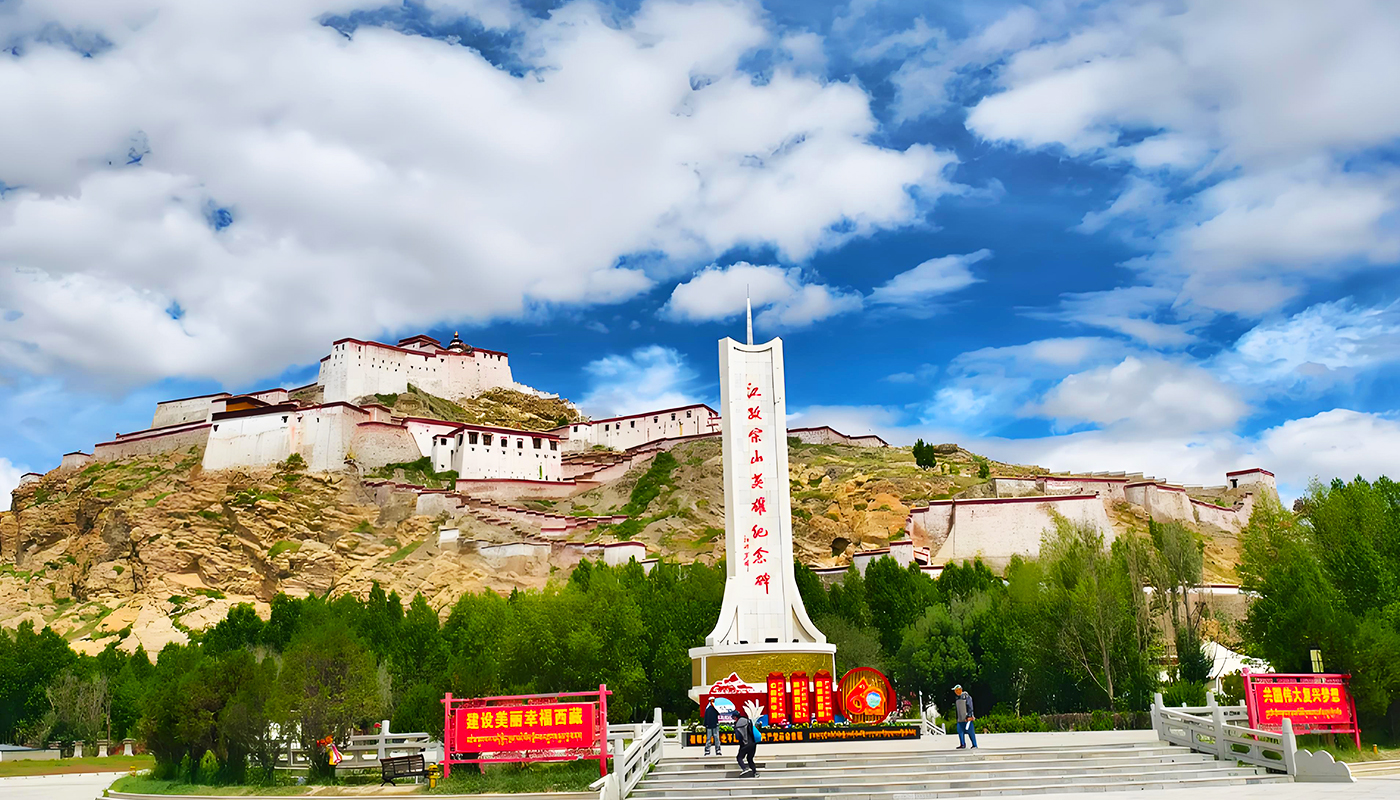
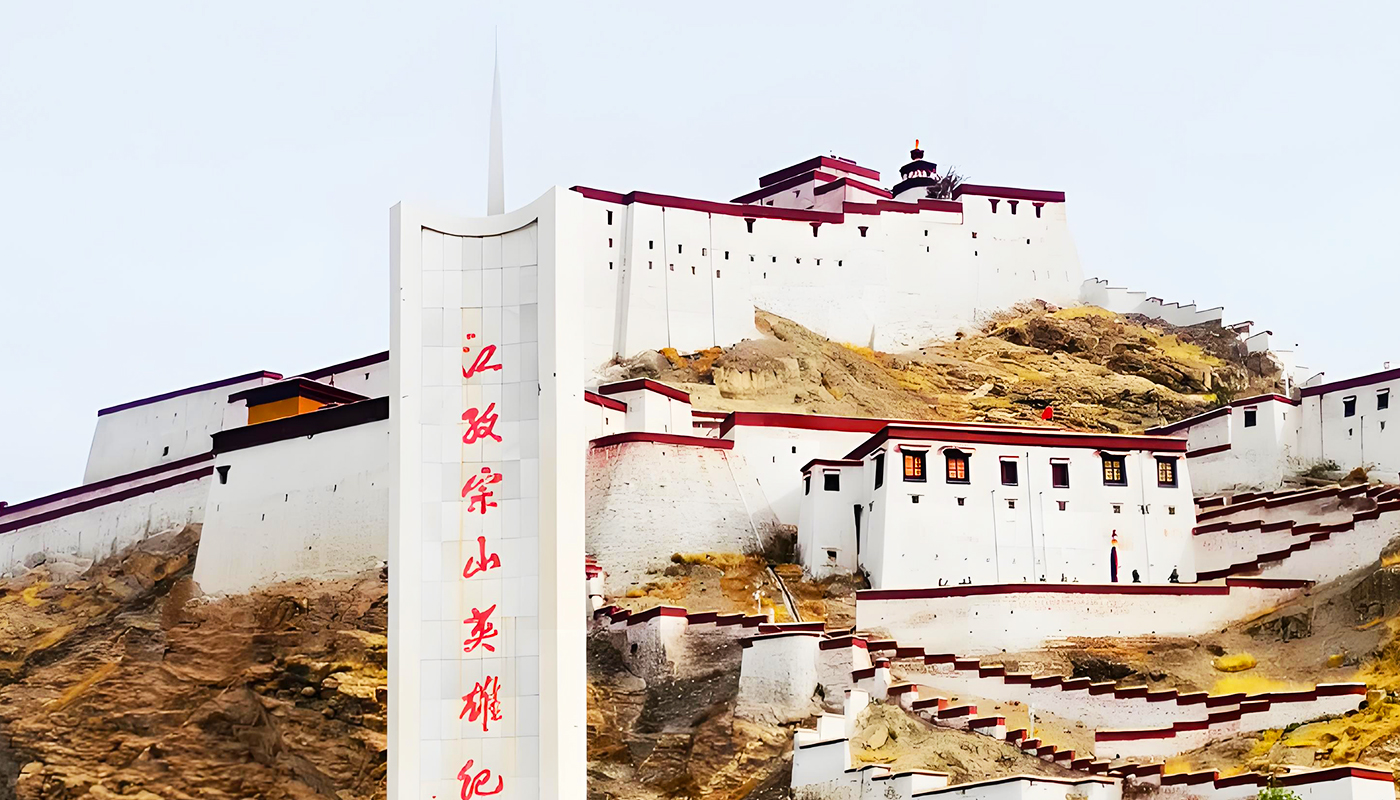
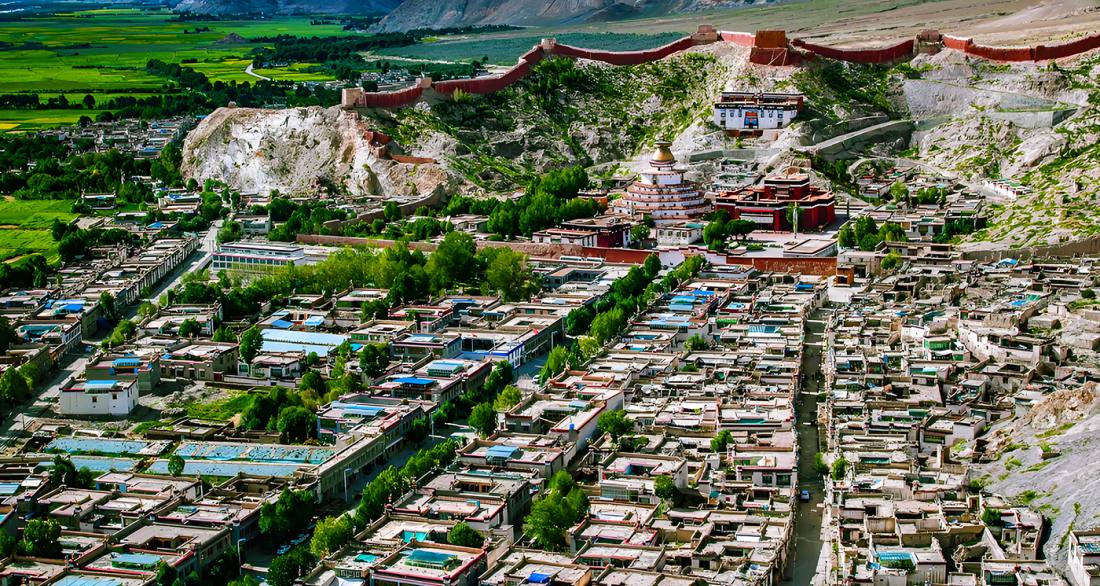
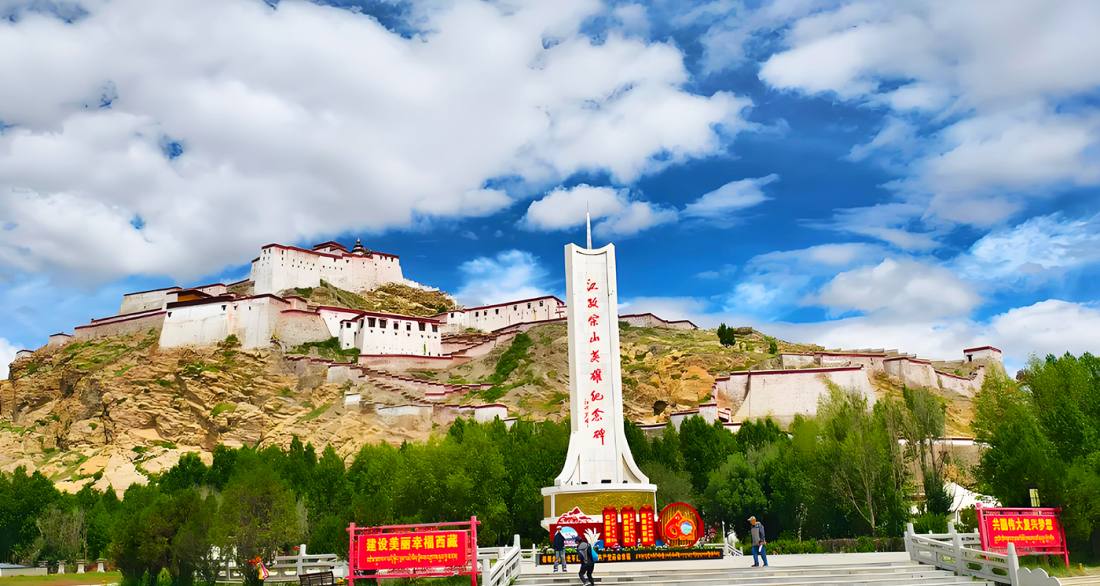
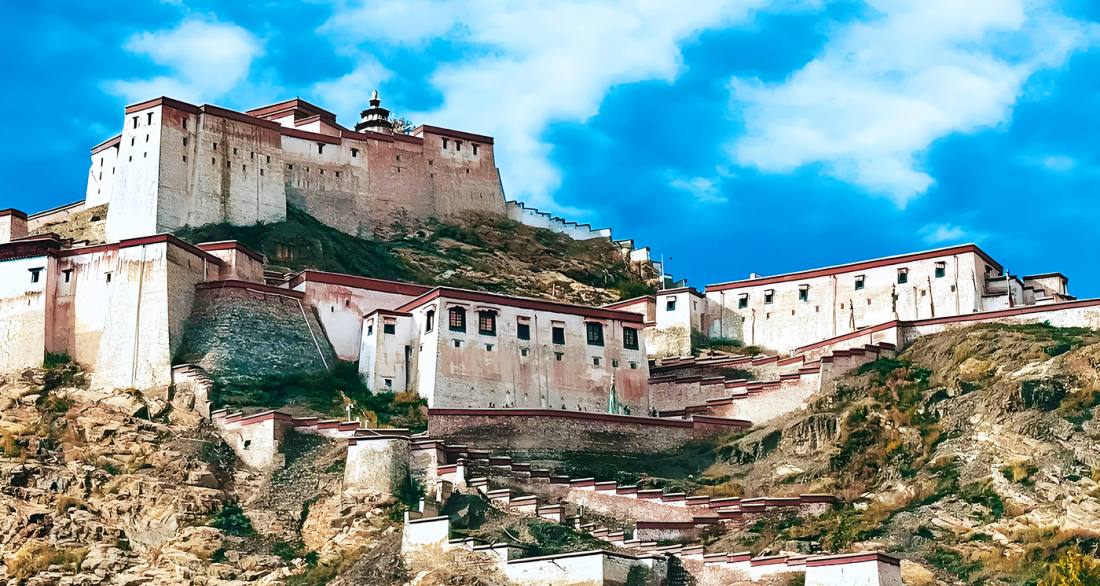
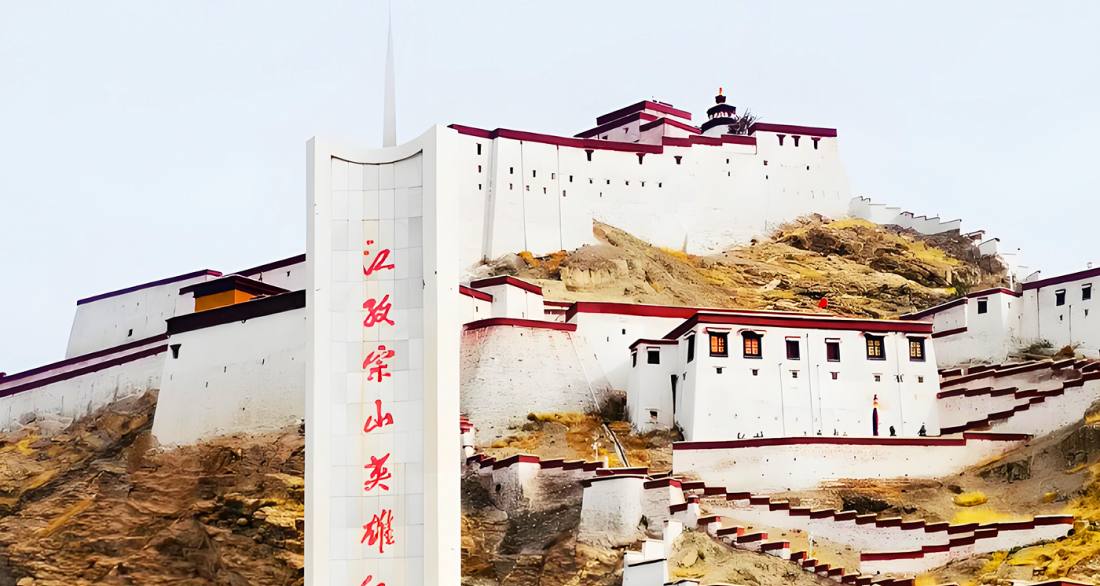
江孜宗山抗英遺址位於西藏日喀則市江孜縣宗山山頂,海拔約4020-4187米,是1904年西藏軍民英勇抵抗英國侵略的主戰場,被譽為「英雄城」的象徵。遺址保存了抗英炮台、跳崖處及宗政府議事廳等遺跡,完整展現了舊西藏宗政府的建築格局與悲壯歷史。1961年被列為全國首批重點文物保護單位,兼具愛國主義教育與國防教育功能。登頂可俯瞰年楚河谷全景,感受藏軍以土槍石塊對抗機槍火炮的壯烈史詩。此地無需預約,部分區域收費開放。
The Jiangzi Dzong Hill Anti-British Ruins are situated atop Dzong Hill in Gyangzê County, Shigatse City, Tibet, at an altitude of approximately 4,020-4,187 meters. It served as the main battlefield where Tibetan soldiers and civilians heroically resisted the British invasion in 1904, earning the title "Heroic City." The site preserves remnants such as the anti-British artillery emplacement, the cliff where defenders leapt to their deaths, and the former Dzong government hall, offering a complete glimpse into the architectural layout of old Tibet's administrative centers and its poignant history. Designated in 1961 as one of China's first nationally protected key cultural relics sites, it now also functions as a base for patriotic and national defense education. From the summit, visitors can overlook the entire Nyang Chu River valley and reflect on the epic struggle of Tibetan forces armed with primitive weapons against modern artillery. No advance reservation is required, though fees may apply for certain sections.