

| 产品 | 提前预定时间 | 取消政策 | 原价 | 优惠价 | ||
|---|---|---|---|---|---|---|
| 产品 | 提前预定时间 | 取消政策 | 原价 | 优惠价 | ||
|---|---|---|---|---|---|---|
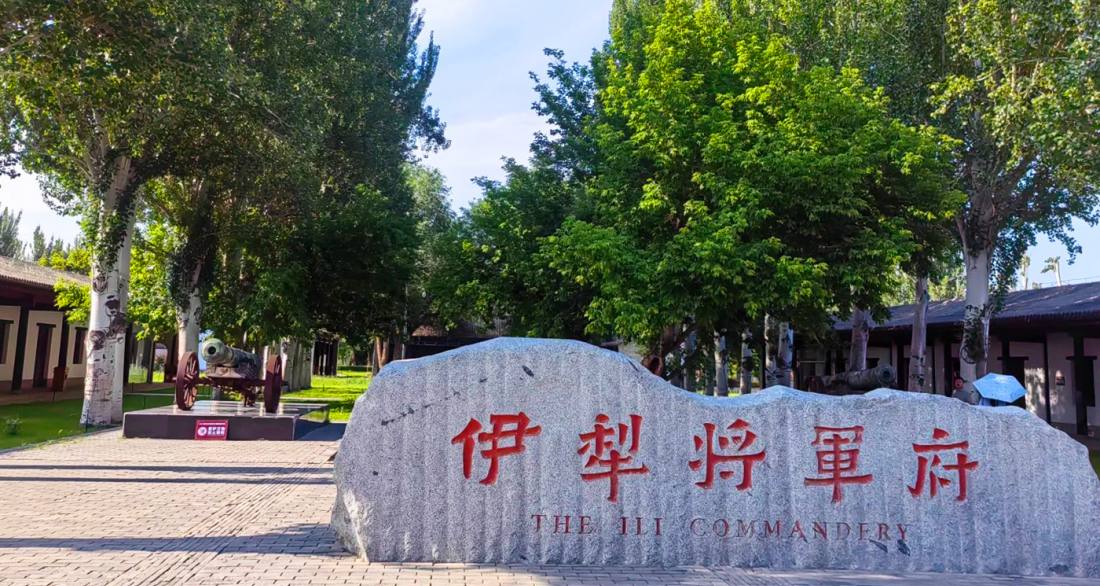
伊犁將軍府位於惠遠古城景區內,需購買惠遠古城的門票進入。門票通常支持當天在現場售票處購買,但旺季(5-10月)建議通過官方合作平台提前預訂。參觀時需特別注意:府內建築均為全國重點文物保護單位,請勿觸摸、攀爬文物或建築構件,禁止在古建築、石碑上塗畫、刻字;請按指定參觀路線行進,保持安靜,勿在室內展廳大聲喧嘩;府內庭院開闊,夏季參觀請注意防曬,並自備飲用水;請尊重景區管理,未經許可請勿使用無人機在府邸上空航拍;若對清代新疆歷史感興趣,建議提前了解背景知識或聘請講解員,以獲得更深度的遊覽體驗。
The Ili General's Mansion is located within the Huiyuan Ancient City scenic area, and entry requires purchasing a ticket for Huiyuan Ancient City. Tickets can usually be purchased on-site at the ticket office on the day of visit, but advance booking through official partner platforms is recommended during the peak season (May-October). When visiting, please note: all structures within the mansion are National Key Cultural Relics Protection Units. Do not touch, climb on, or damage cultural relics or architectural components; graffiti or carving on ancient buildings or stone tablets is strictly prohibited. Please follow the designated visiting routes, maintain quiet, and avoid loud noises in indoor exhibition halls. The mansion's courtyards are spacious; during summer visits, be mindful of sun protection and bring your own drinking water. Respect the scenic area's regulations; do not operate drones over the mansion without permission. If interested in the history of Xinjiang during the Qing Dynasty, it is advisable to learn background information in advance or hire a tour guide for a more in-depth experience.
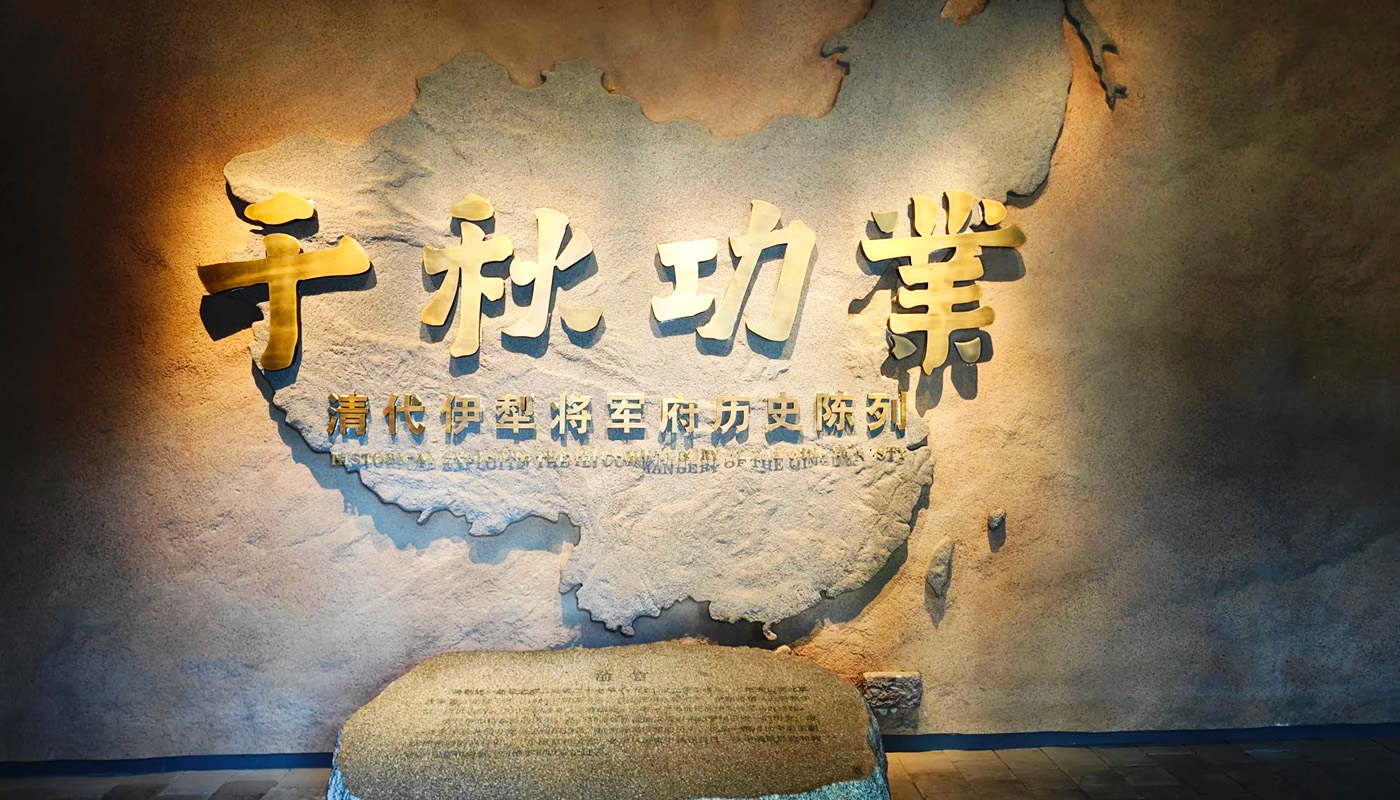
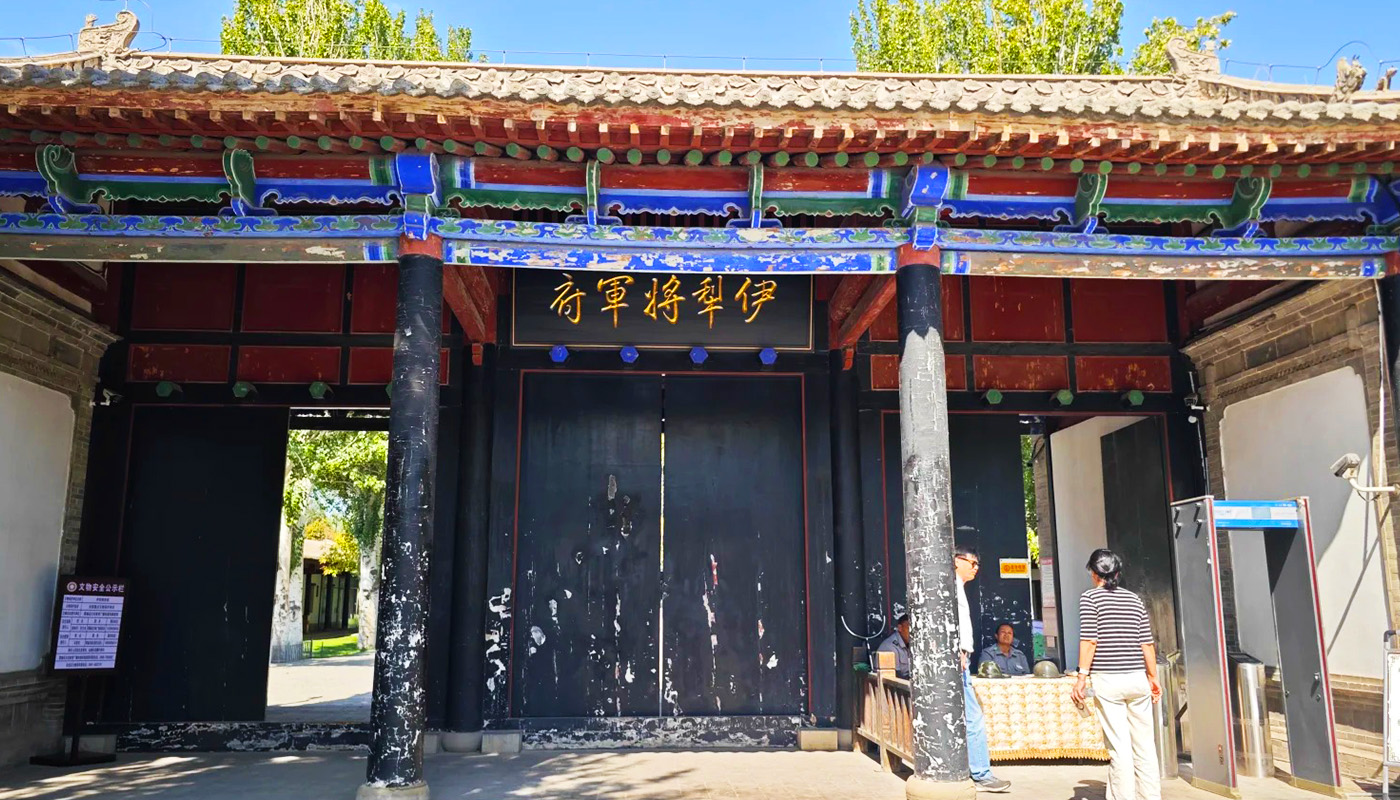
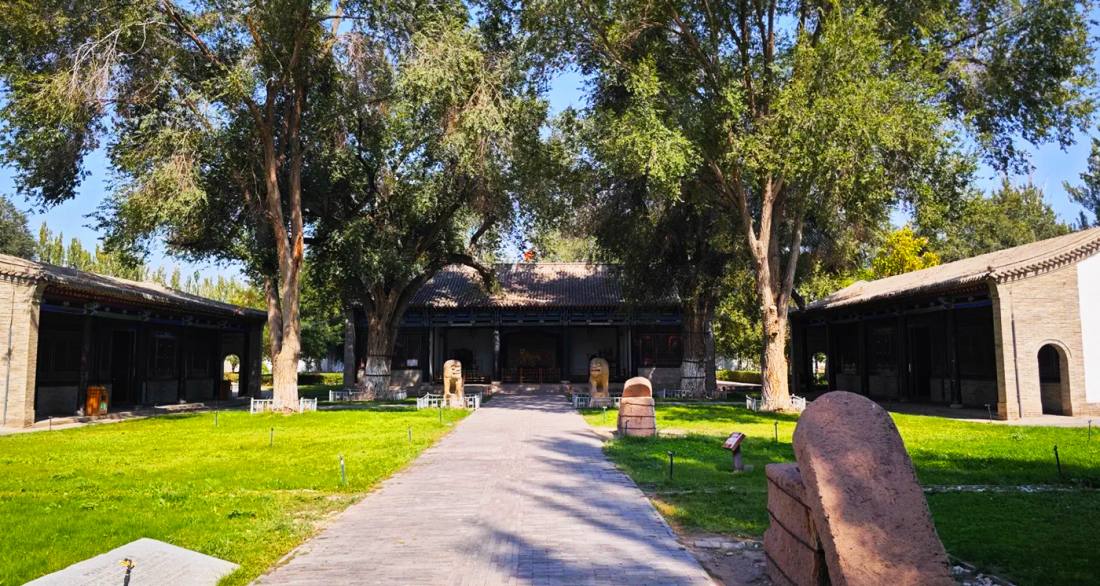
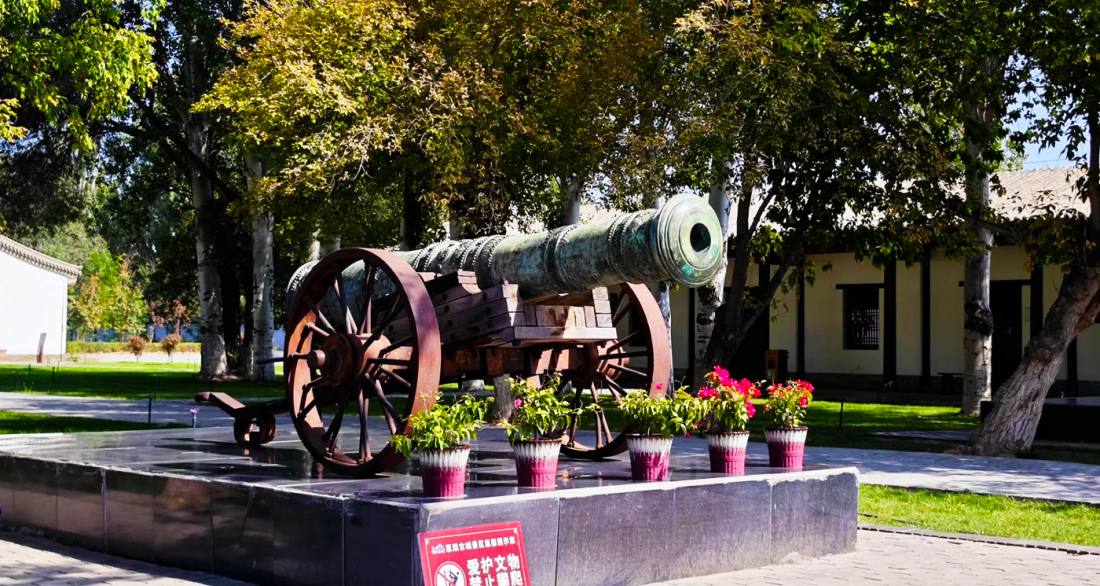
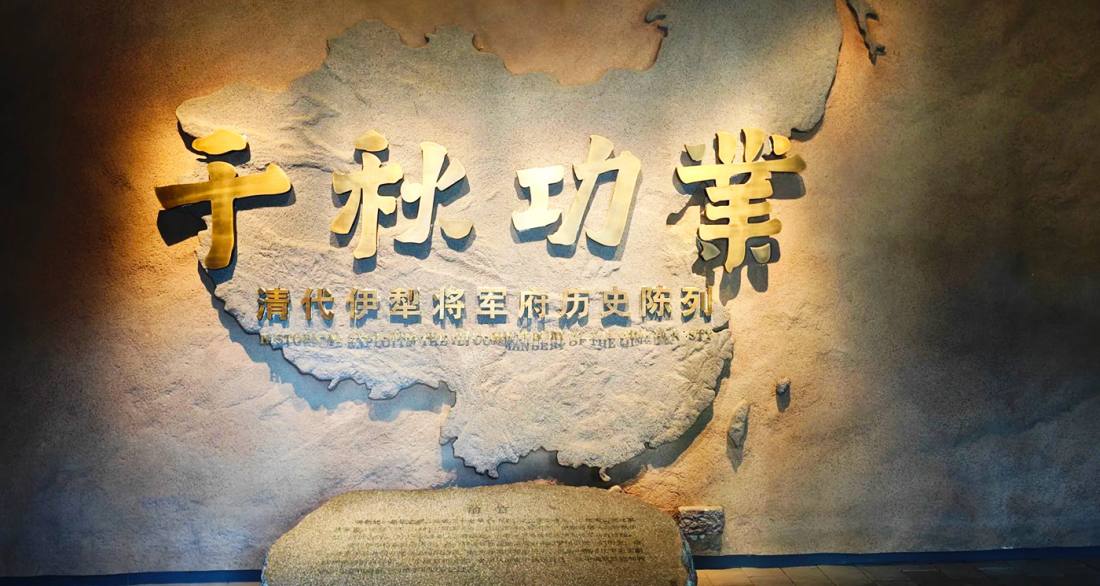
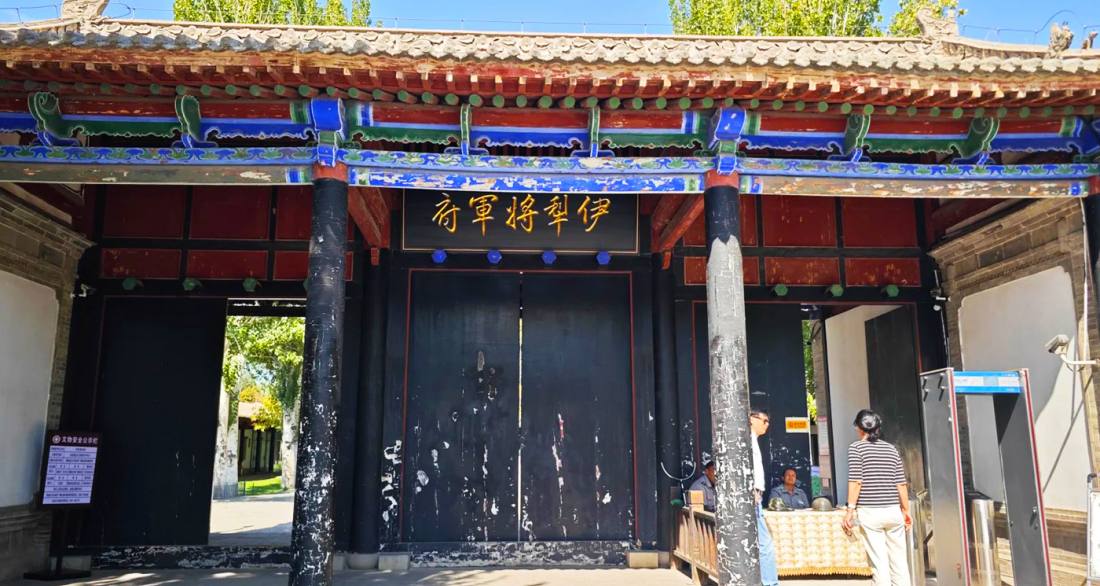
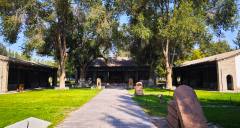
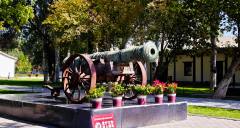
伊犁將軍府是清代乾隆二十七年(1762年)設立的“總統伊犁等處將軍”的衙署,位於新疆霍城縣惠遠鎮,作為清朝統治新疆的最高軍政中心,統轄天山南北及巴爾喀什湖以東以南廣大地區,奠定了現代中國西北邊疆的版圖基礎。其建築為四合院式土木結構,融合南方雕刻細膩與新疆粗獷風格,現存石獅、將軍亭、東西營房等遺跡,見證了沙俄侵占與收復伊犁的歷史變遷,以及林則徐等名臣的戍邊事蹟。1996年被列為全國重點文物保護單位,如今是集歷史教育、民族團結與旅遊體驗於一體的國家級景區。
The Ili General's Mansion, established in 1762 during the Qing Dynasty as the office of the "Commander-in-Chief of Ili and Other Areas," is located in Huiyuan Town, Huocheng County, Xinjiang. Serving as the highest military and administrative center of Qing rule in Xinjiang, it governed vast territories north and south of the Tianshan Mountains and east and south of Lake Balkhash, laying the foundation for modern China's northwestern border. The architecture features a courtyard-style timber-and-earth structure, blending delicate southern carving techniques with Xinjiang's bold style. Surviving relics include stone lions, the General's Pavilion, and eastern and western barracks, which witnessed historical events such as the Russian occupation and recovery of Ili, as well as the contributions of figures like Lin Zexu. Designated as a National Key Cultural Relic Protection Unit in 1996, it now serves as a national-level site integrating historical education, ethnic unity, and tourism.


