
| 产品 | 提前预定时间 | 取消政策 | 原价 | 优惠价 | ||
|---|---|---|---|---|---|---|
| 产品 | 提前预定时间 | 取消政策 | 原价 | 优惠价 | ||
|---|---|---|---|---|---|---|
獨庫公路是一條季節性開放的國家級景觀公路,其通行無需門票,但實行嚴格的交通管制。所有計劃通行的7座及以下小型客車,無需提前預約,但必須在官方公佈的開放期間內(通常為每年6月至10月上旬,具體時間以當年交管部門公告為準)通行。出行前,務必通過“平安獨山子”等官方平台或當地交通廣播,確認全線是否開放及有無臨時交通管制(如天氣導致的局部封閉)。遊玩時需高度重視:全程為雙向兩車道的盤山公路,路窄彎急,嚴禁任何形式的超速、逆行、違法超車或佔用對向車道拍照;沿途停車必須駛入觀景台等指定安全區域,絕不可在彎道、橋樑、隧道口等危險路段隨意停靠;山區天氣瞬息萬變,即使夏季也需備好防滑鏈、防寒衣物、食物、飲用水及常用藥品,並給車輛加滿油;全程手機信號覆蓋不穩定,建議提前下載離線地圖,並將行程告知親友;公路沿線生態脆弱,請將所有垃圾帶離,不驚擾野生動物,不碾壓草原;尊重當地少數民族風俗,未經允許請勿對牧民、氈房等近距離拍攝。由於海拔變化大,部分路段海拔超過3000米,請注意防範高原反應。如遇突發狀況,可撥打獨山子段、喬爾瑪段、庫車段等沿途交警報警電話求助。
The Duku Highway is a seasonally open national scenic highway. No tickets are required for passage, but strict traffic control measures are in place. All planned passenger vehicles with 7 seats or fewer do not require advance reservations but must travel within the officially announced opening period (typically from June to early October each year, with specific dates subject to the traffic management authorities' annual announcements). Before departure, it is essential to confirm whether the entire route is open and if there are any temporary traffic controls (such as partial closures due to weather) through official platforms like "Ping'an Dushanzi" or local traffic radio. During the journey, extreme caution is required: the entire route is a two-lane mountain road with narrow paths and sharp curves. Speeding, driving in the wrong direction, illegal overtaking, or occupying the opposite lane for photography are strictly prohibited. Parking along the way must be done in designated safe areas such as viewing platforms; stopping on dangerous sections like curves, bridges, or tunnel entrances is absolutely forbidden. Mountain weather can change rapidly, so even in summer, it is necessary to prepare snow chains, warm clothing, food, drinking water, common medications, and ensure the vehicle has a full tank of fuel. Mobile phone signal coverage is unstable along the entire route, so it is advisable to download offline maps in advance and inform family or friends of your itinerary. The ecological environment along the highway is fragile; please take all trash with you, do not disturb wildlife, and avoid driving over grasslands. Respect the customs of local ethnic minorities, and do not take close-up photographs of herders or yurts without permission. Due to significant altitude changes, some sections exceed 3,000 meters above sea level, so be mindful of altitude sickness. In case of emergencies, you can call the traffic police emergency numbers along the route, such as those for the Dushanzi, Qiao'er'ma, and Kuche sections.
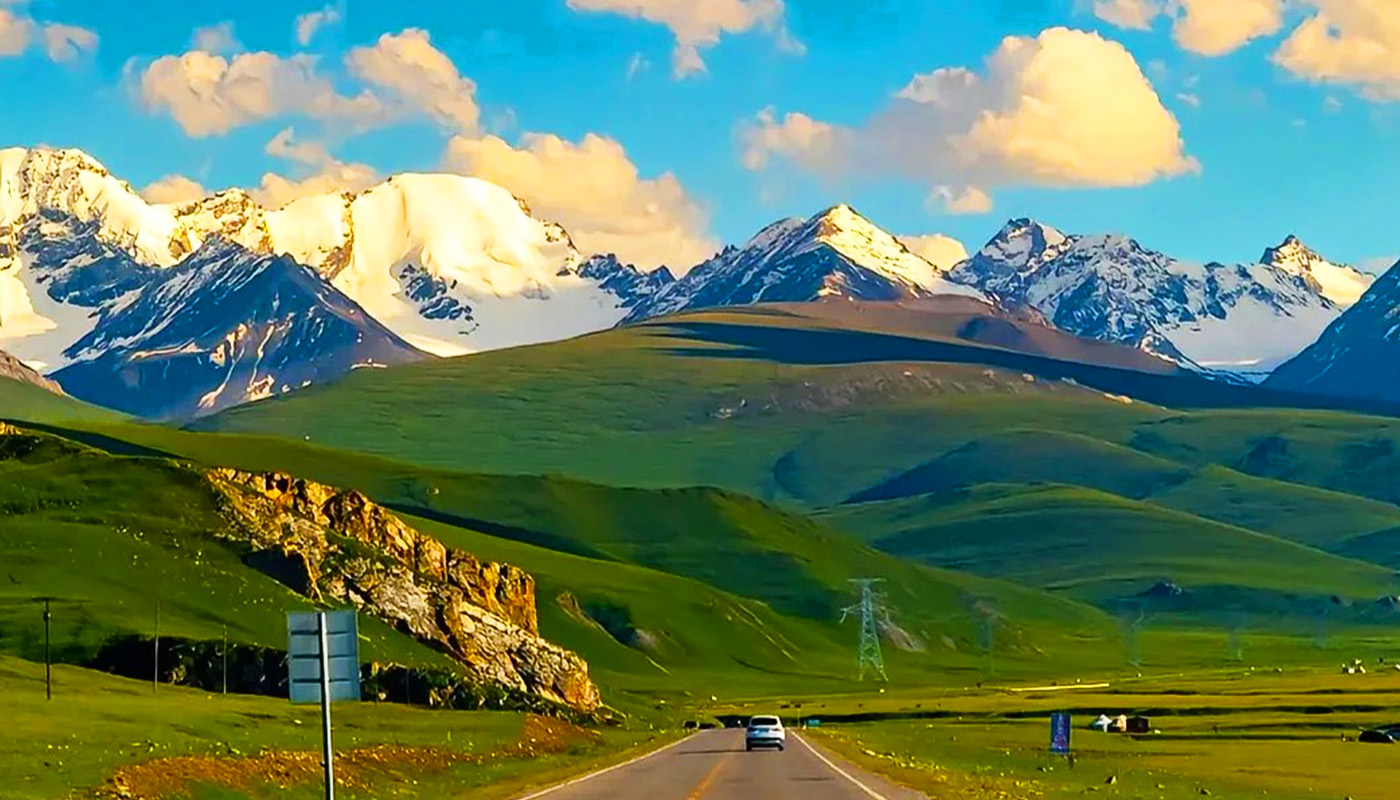
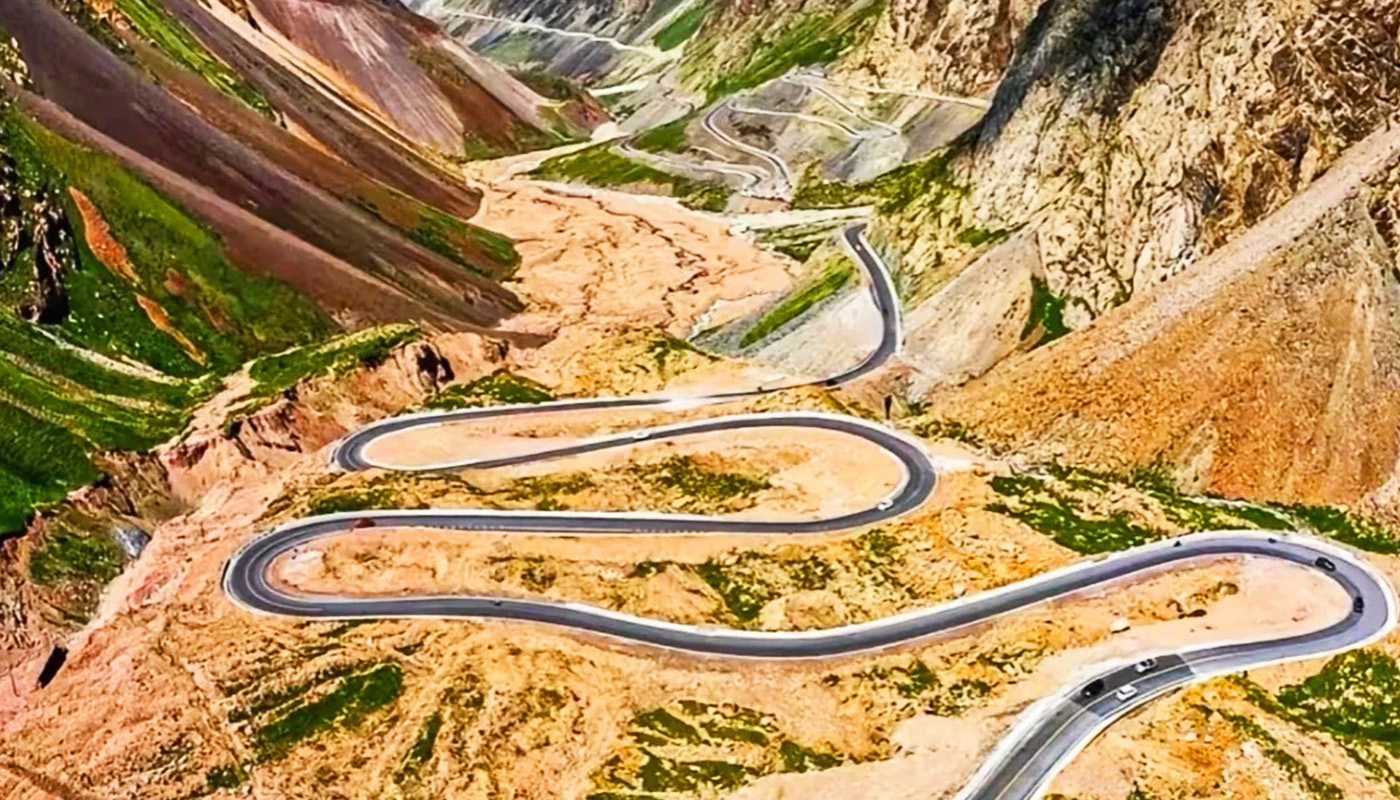
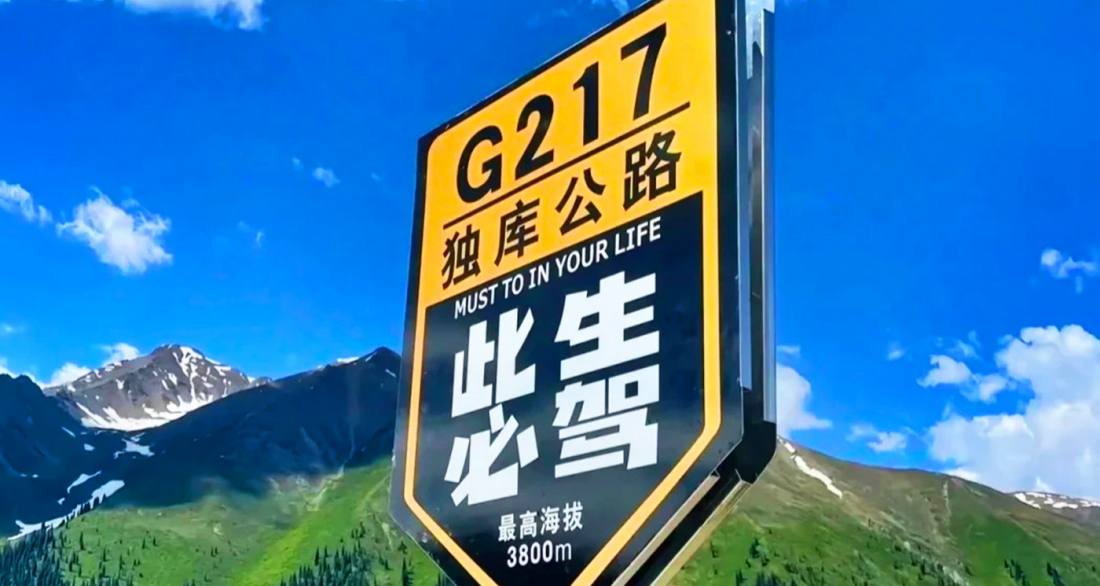
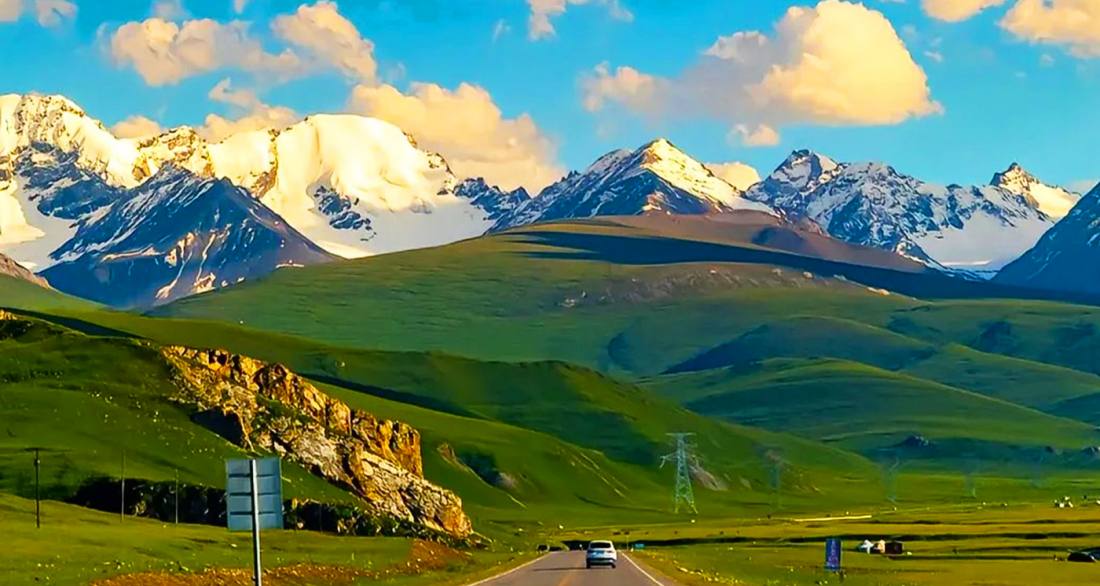
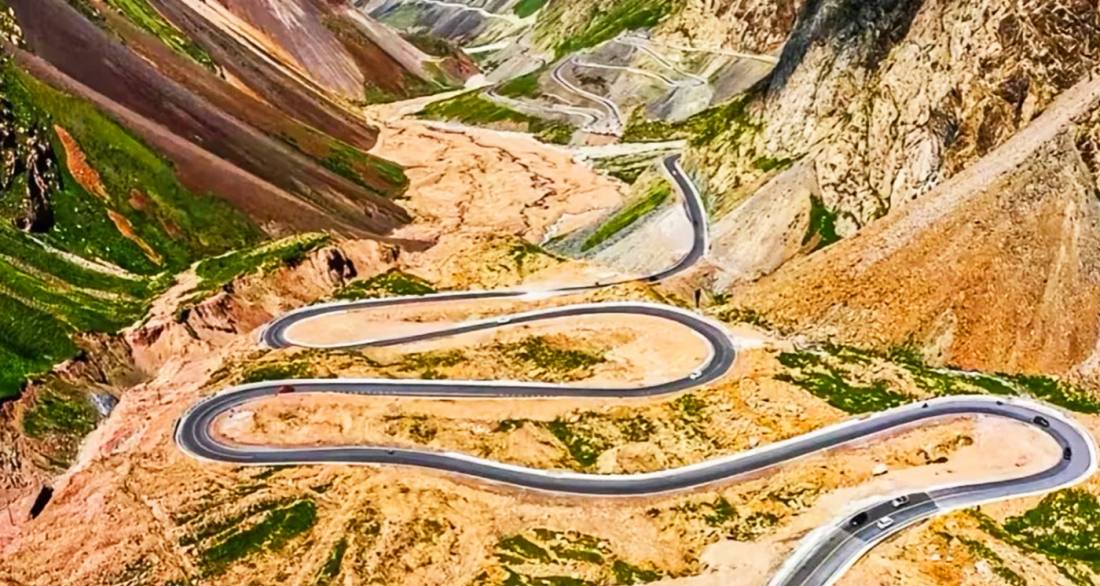
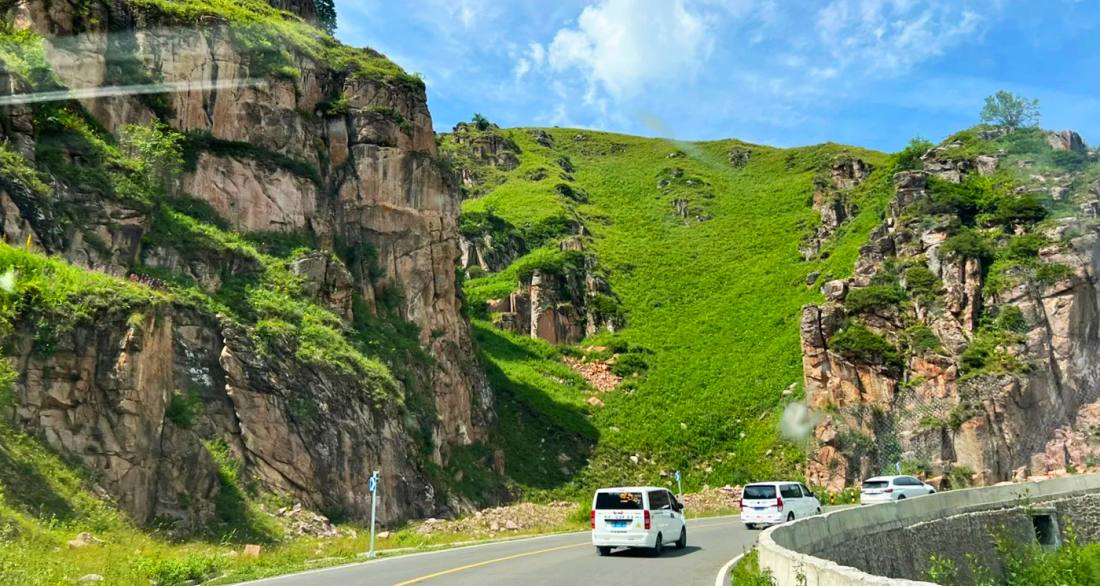
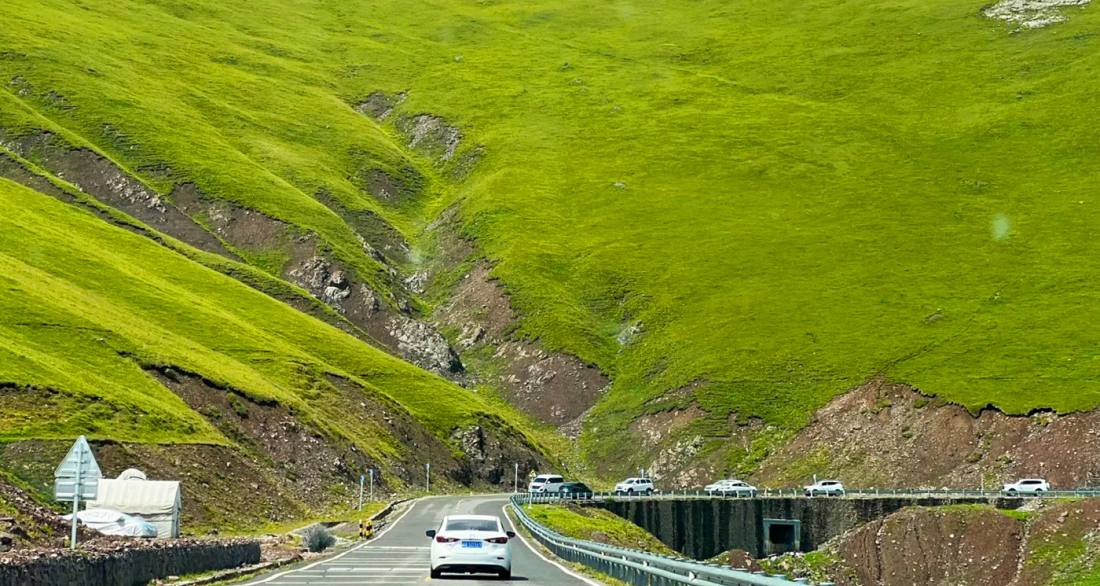
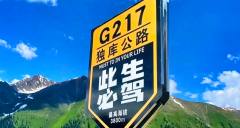
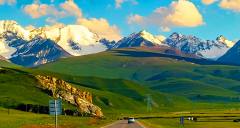
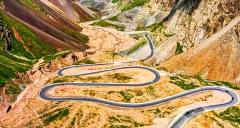
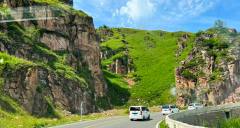
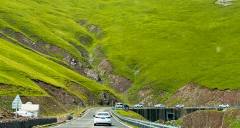
獨庫公路,官方名稱為國道217線獨山子至庫車段,是一條縱貫新疆天山南北的交通大動脈與景觀長廊,被譽為“中國最美公路”之一。公路北起克拉瑪依市獨山子區,南接阿克蘇地區庫車市,全長約561公里,由解放軍官兵、工程技術人員與各族群眾於1974年至1984年間歷時十年艱苦修築而成,平均每3公里便有一名築路者犧牲,因此亦被稱為“英雄之路”。它翻越哈希勒根、玉希莫勒蓋、鐵力買提、拉爾墩四座海拔3000米以上的冰達坂,跨越奎屯河、喀什河、鞏乃斯河、巴音郭楞河、庫車河五條天山主要河流,將南北疆之間原來的1000多公里車程縮短了近一半,實現了交通與戰略上的貫通。作為一條濃縮天山景觀精華的“地理走廊”,沿途可飽覽戈壁荒灘、高山湖泊、森林河谷、雪山草原、紅山石林、雅丹峽谷等十餘種截然不同的地貌,其中獨山子大峽谷、喬爾瑪革命烈士陵園、那拉提草原、巴音布魯克天鵝湖、鐵力買提達坂隧道、大小龍池、天山神秘大峽谷等皆是標誌性景觀,駕駛者可在一天之內經歷四季變幻,體驗“十里不同天,一日有四季”的奇絕感受。由於高海拔路段冬季積雪深厚,公路實行季節性開放,每年僅6月至10月左右允許7座及以下車輛通行,使其成為自駕愛好者心中充滿挑戰與嚮往的終極路線。它不僅是一條公路,更是一座承載著築路精神、民族團結、自然奇觀與邊疆開發的露天博物館,是新疆自然與人文雄渾交響的壯麗詩篇。
The Duku Highway, officially known as the Dushanzi to Kuche section of National Highway 217, is a vital transportation artery and scenic corridor traversing the Tianshan Mountains from north to south in Xinjiang, acclaimed as one of "China's Most Beautiful Highways." Stretching approximately 561 kilometers from Dushanzi District in Karamay City in the north to Kuche City in the Aksu Prefecture in the south, the highway was painstakingly constructed over ten years from 1974 to 1984 by PLA soldiers, engineers, technicians, and people of various ethnic groups. With an average of one life lost for every 3 kilometers built, it is also known as the "Road of Heroes." It crosses four ice-clad mountain passes over 3,000 meters above sea level—Hashilegen, Yuximolegai, Tielimaiti, and Laerdun—and spans five major Tianshan rivers: the Kuitun, Kashi, Gongnaisi, Bayinguoleng, and Kuche Rivers, cutting the original 1,000-kilometer journey between northern and southern Xinjiang by nearly half and achieving a strategic transportation link. As a "geographical corridor" that condenses the essence of Tianshan landscapes, the route offers views of over a dozen distinct landforms, including Gobi deserts, alpine lakes, forested river valleys, snow-capped mountains, grasslands, red rock formations, and Yardang canyons. Iconic sights along the way include the Dushanzi Grand Canyon, the Qiao'er'ma Revolutionary Martyrs Cemetery, the Narati Grassland, the Bayinbuluke Swan Lake, the Tielimaiti Daban Tunnel, the Great and Small Dragon Pools, and the Tianshan Mysterious Grand Canyon. Drivers can experience the changes of all four seasons in a single day, marveling at the wonder of "different weather every ten miles, all four seasons in one day." Due to heavy snow accumulation on high-altitude sections in winter, the highway is seasonally open, typically from June to October each year, permitting only vehicles with seven seats or fewer. This makes it the ultimate route, both challenging and alluring, in the hearts of road trip enthusiasts. More than just a road, it is an open-air museum embodying the spirit of its construction, ethnic unity, natural wonders, and frontier development—a magnificent epic of Xinjiang's natural and cultural symphony.