
| 产品 | 提前预定时间 | 取消政策 | 原价 | 优惠价 | ||
|---|---|---|---|---|---|---|
| 产品 | 提前预定时间 | 取消政策 | 原价 | 优惠价 | ||
|---|---|---|---|---|---|---|
遊覽交河故城需至少提前一天通過官方合作平台或景區票務平台進行預約購票,並請仔細核對遊覽日期與個人信息。遊玩時請務必注意:遺址區範圍廣闊且為露天環境,需做好高強度防曬(如防曬霜、遮陽帽、太陽鏡)並攜帶充足飲水;穿著舒適防滑的徒步鞋,因地面多為原始土路且可能有浮沙與不平;請沿規劃路線行走,切勿攀爬、刻畫或踩踏脆弱的歷史遺跡;保管好個人財物;景區內歷史氛圍厚重,建議提前了解背景知識或使用導覽服務以提升體驗。
When visiting the Ruins of Jiaohe, it is necessary to make a reservation and purchase tickets at least one day in advance through official partner platforms or the scenic area’s ticketing system, and carefully verify the visit date and personal information. During your tour, please be sure to note: the site is extensive and completely exposed, so it is essential to take strong sun protection measures (such as sunscreen, a sun hat, and sunglasses) and bring plenty of drinking water; wear comfortable, non-slip walking shoes as the ground is mostly primitive dirt paths that may be sandy and uneven; stay on the designated routes and do not climb, carve, or step on the fragile historical remains; keep your personal belongings safe; the site carries a profound historical atmosphere, and it is recommended to learn about its background in advance or use guide services to enhance your experience.
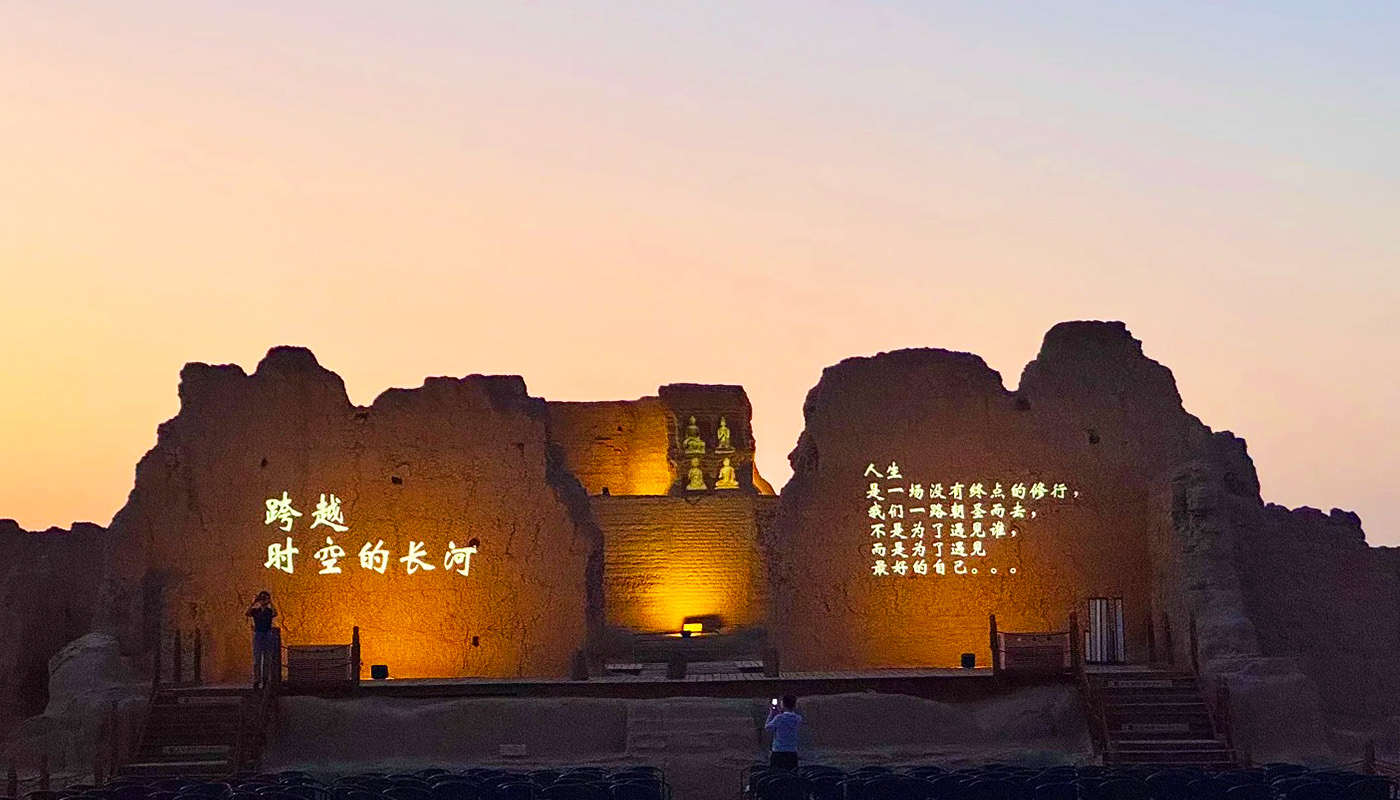
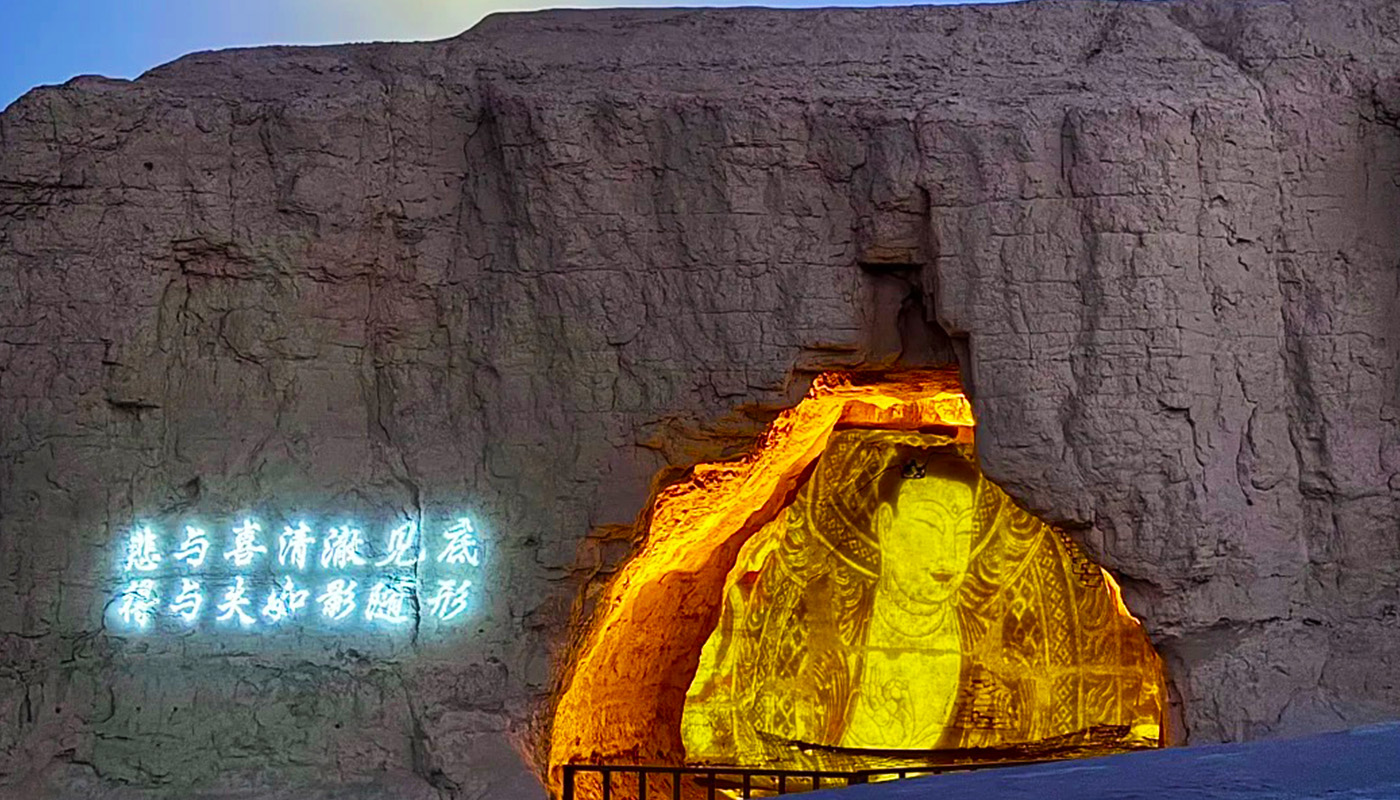
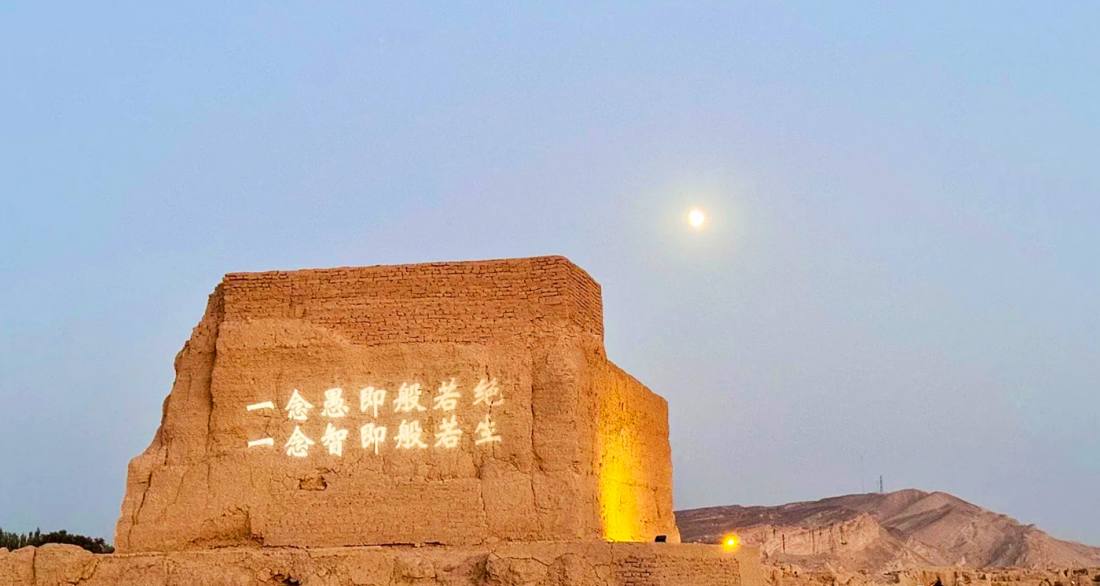
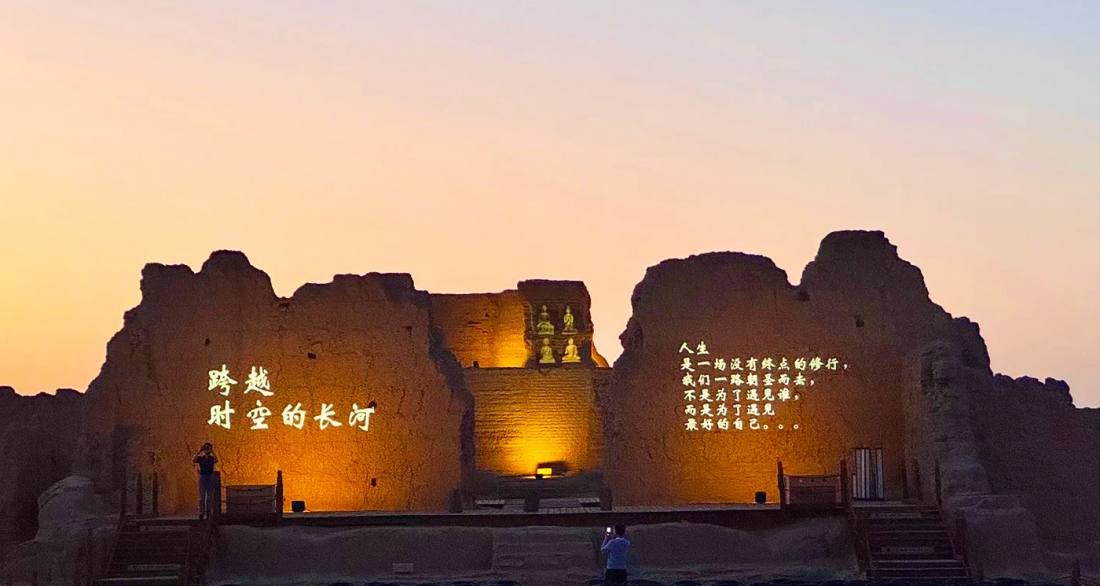
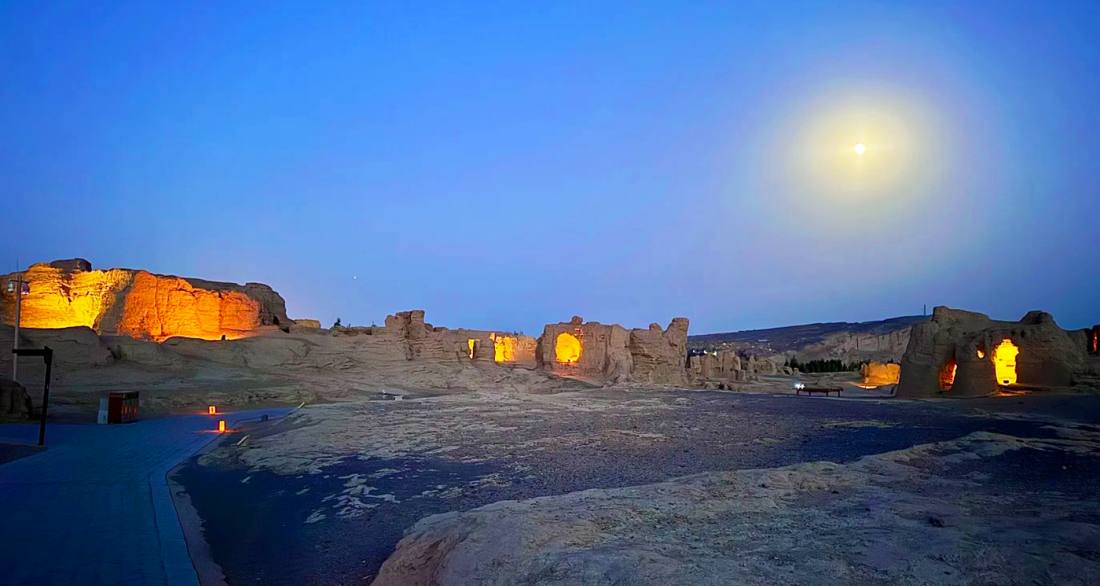
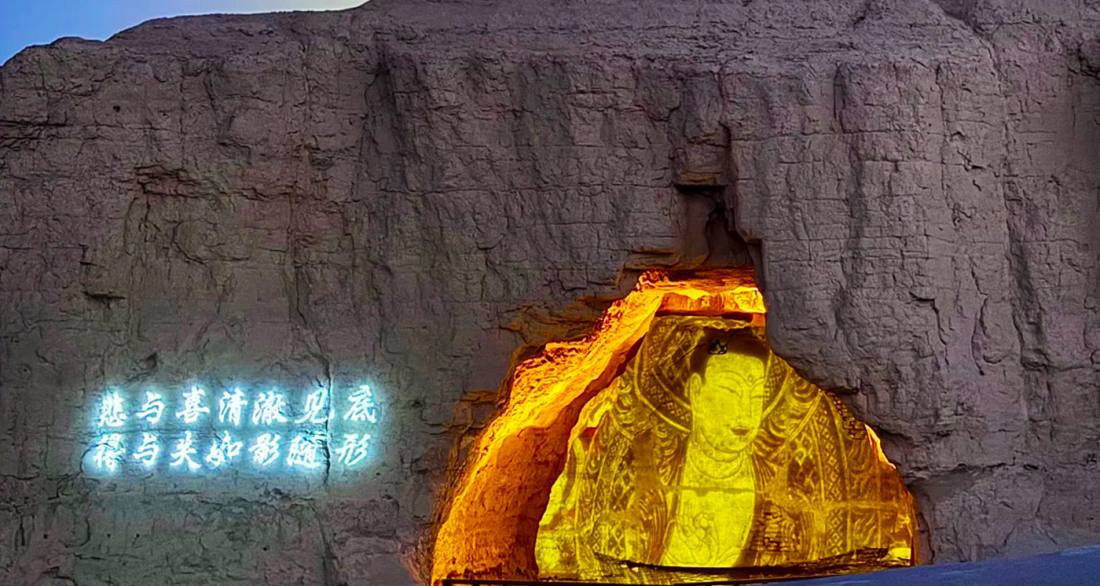
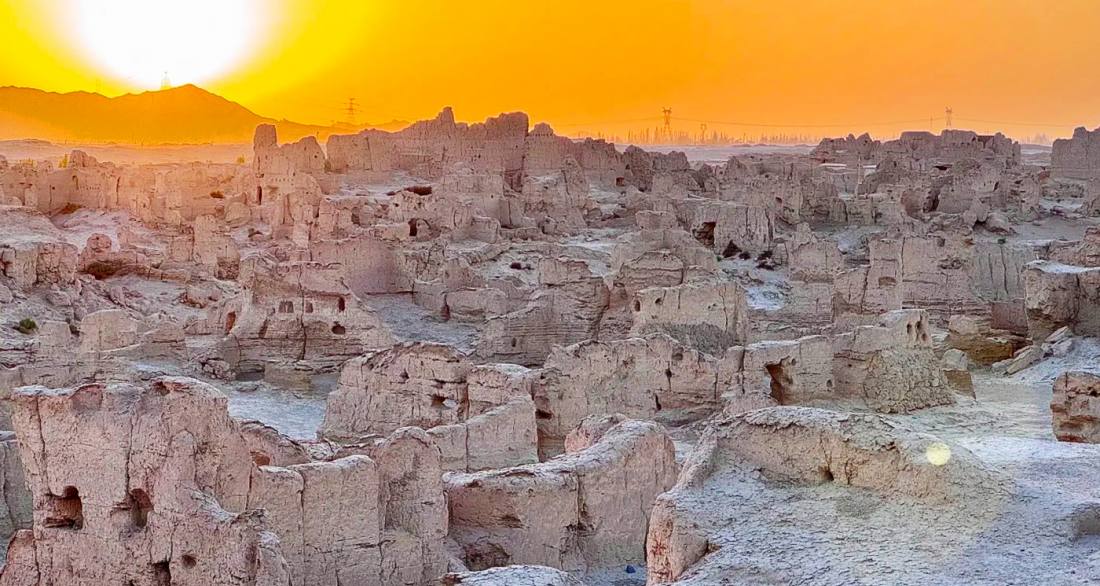
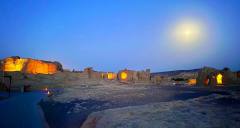
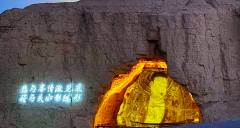
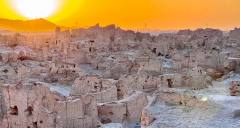
交河故城位于新疆吐鲁番市雅尔乃孜沟的柳叶形台地上,是世界文化遗产和全国重点文物保护单位。作为公元前2世纪至公元14世纪丝绸之路的交通枢纽,它是世界上规模最大、保存最完整的生土结构古代城市建筑群,被誉为“世界上最完美的废墟”。故城采用独特的“减地留墙”法建造,从原生土台中向下雕刻出官署、寺院、民居等完整城市格局,展现了唐代长安城的布局风格。这里曾是车师前国都城和唐代安西都护府驻地,见证了西域政治、经济与多民族文化的交融,是中华五千年文明史的重要实证。
The Jiaohe Ruins, located on a willow-leaf-shaped terrace in Yarnez Valley, Turpan, Xinjiang, is a UNESCO World Heritage Site and a National Key Cultural Relics Protection Unit. As a vital hub along the Silk Road from the 2nd century BCE to the 14th century CE, it is the world's largest and best-preserved ancient city built entirely with raw earth structures, renowned as the "most perfect ruins". The city was constructed using a unique "cut-down" technique, carving streets, temples, residences, and government offices directly downward from the natural loess platform, reflecting the urban layout of the Tang Dynasty's capital Chang'an. It served as the capital of the Cheshi Kingdom and the Tang Dynasty's Anxi Protectorate, witnessing political, economic, and multicultural exchanges in ancient Central Asia, and stands as a profound testament to China's 5,000-year civilization.