
| 产品 | 提前预定时间 | 取消政策 | 原价 | 优惠价 | ||
|---|---|---|---|---|---|---|
| 产品 | 提前预定时间 | 取消政策 | 原价 | 优惠价 | ||
|---|---|---|---|---|---|---|
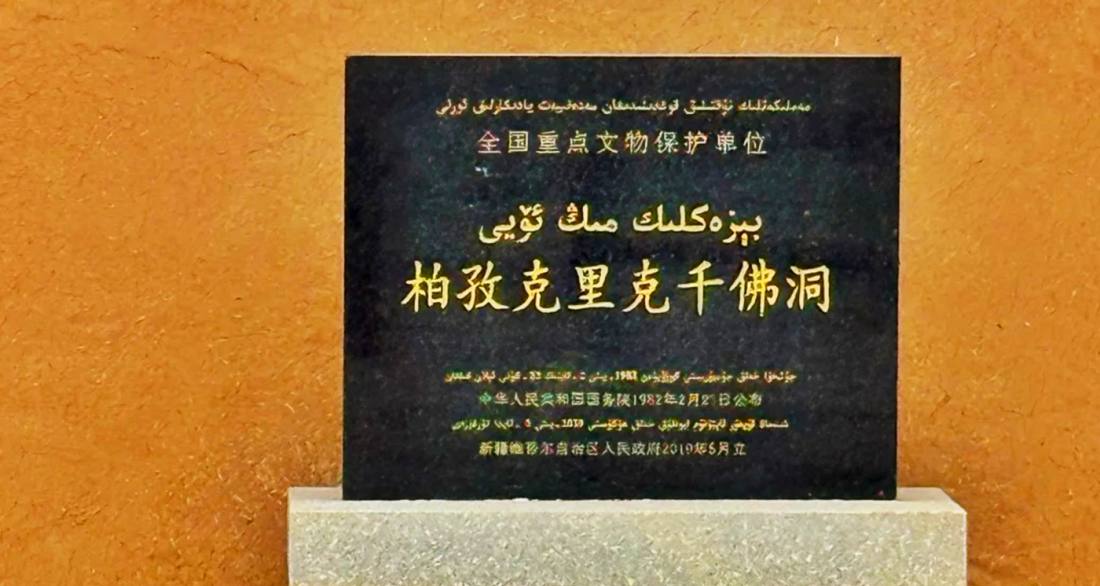
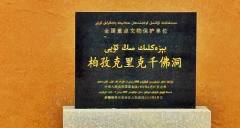
柏孜克里克千佛洞為全國重點文物保護單位,遊覽前無需提前線上預約,可直接在景區現場售票處購票。開放時間通常為09:00-19:30(售票可能提前半小時截止),但可能因天氣、維護或特殊活動調整,建議出行前電話確認。洞窟內嚴禁任何形式的攝影、攝像,包括手機拍攝,請務必遵守此項規定。進入洞窟前請將相機、手機等設備妥善保管或寄存。參觀時請緊隨景區講解員或沿指定路線行進,切勿觸摸、刻畫壁畫及塑像,切勿使用閃光燈。為保護文物,部分洞窟可能輪流開放或臨時關閉。景區地處火焰山附近,夏季極端炎熱,請務必做好充分防曬(帽子、墨鏡、防曬霜)、攜帶充足飲用水,並穿著輕便透氣的衣物和舒適的鞋子。建議與高昌故城、火焰山等週邊景點串聯規劃為吐魯番東線一日遊。請尊重這一珍貴文化遺產,保持安靜,有序參觀。
The Bezeklik Thousand Buddha Caves are designated as a National Key Cultural Relics Protection Unit. No advance online reservation is required before visiting; tickets can be purchased directly at the scenic area's on-site ticket office. The opening hours are typically from 09:00 to 19:30 (ticket sales may stop half an hour earlier), but they may be adjusted due to weather, maintenance, or special events. It is recommended to confirm by phone before your trip. Photography and videography of any kind, including with mobile phones, are strictly prohibited inside the caves. Please be sure to comply with this regulation. Before entering the caves, securely store or deposit your cameras, phones, and other equipment. During the visit, please stay close to the scenic area guide or follow the designated route. Do not touch, carve, or damage the murals and statues, and do not use flash photography. To protect the cultural relics, some caves may be opened on a rotating basis or temporarily closed. The scenic area is located near the Flaming Mountains, where summers are extremely hot. Ensure you take full sun protection measures (hat, sunglasses, sunscreen), carry an ample supply of drinking water, and wear light, breathable clothing and comfortable shoes. It is recommended to combine your visit with surrounding attractions such as the Gaochang Ruins and the Flaming Mountains to plan a one-day eastern tour of Turpan. Please respect this precious cultural heritage site by maintaining quiet and orderly conduct during your visit.
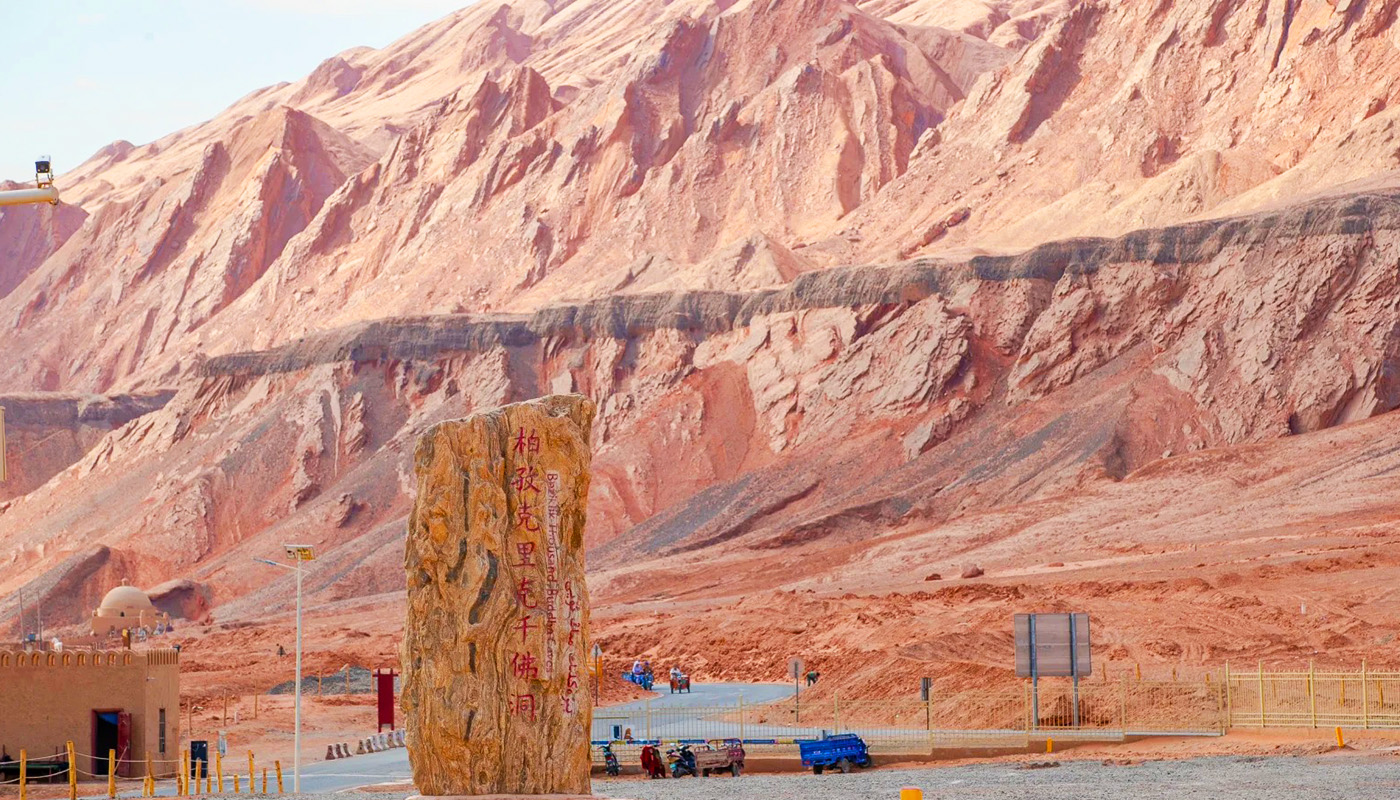
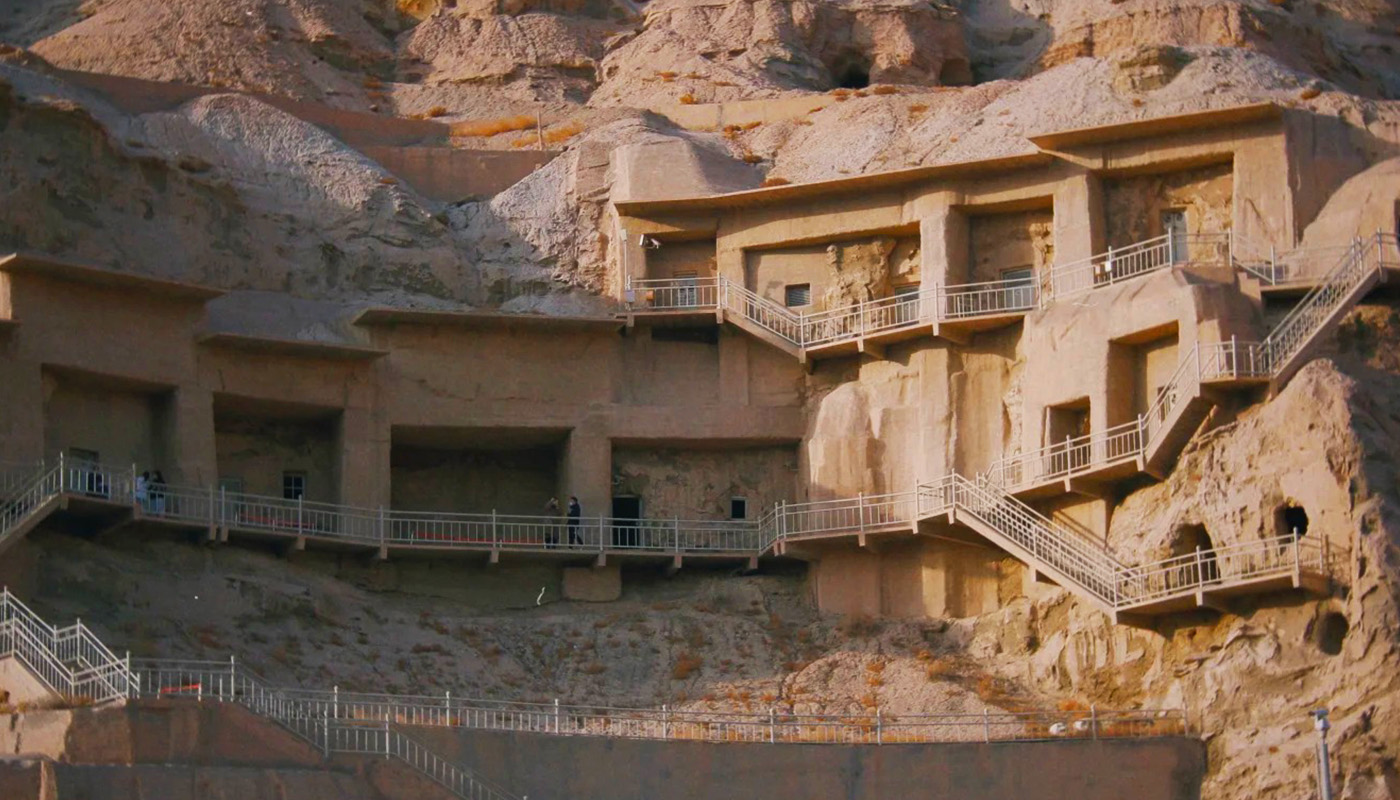
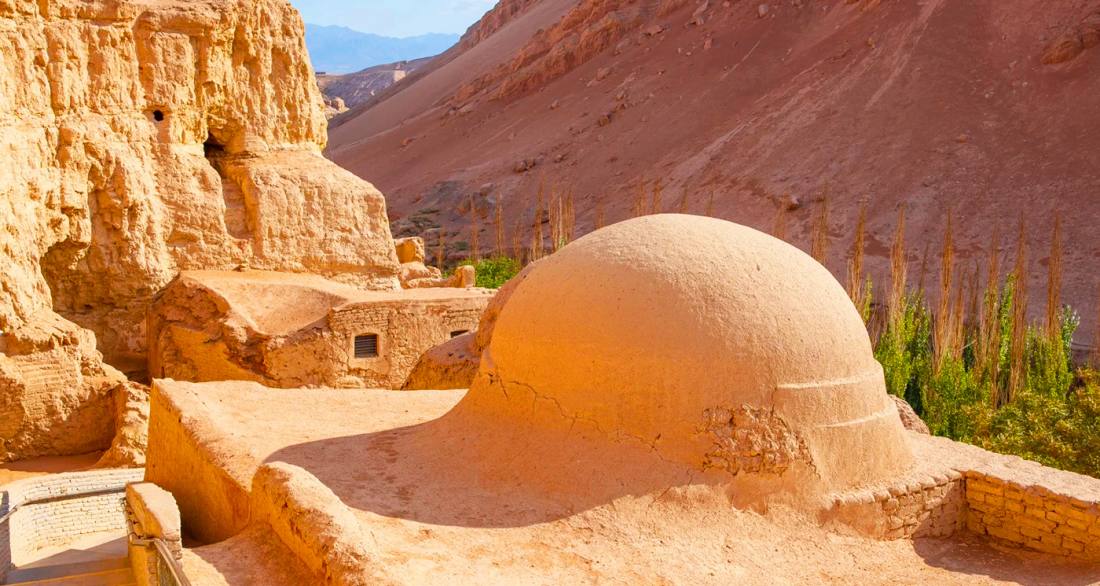
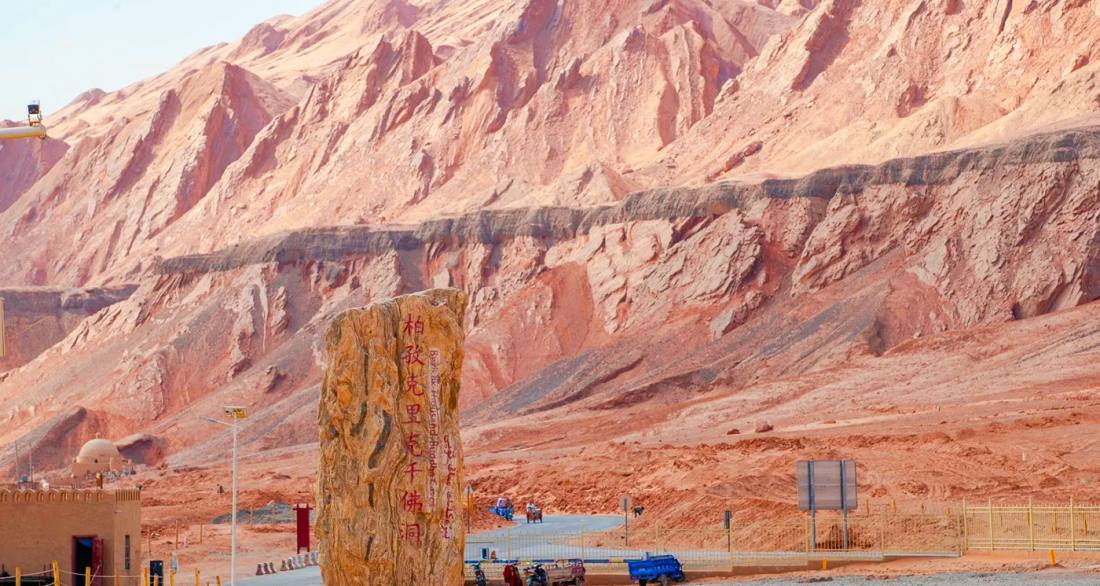
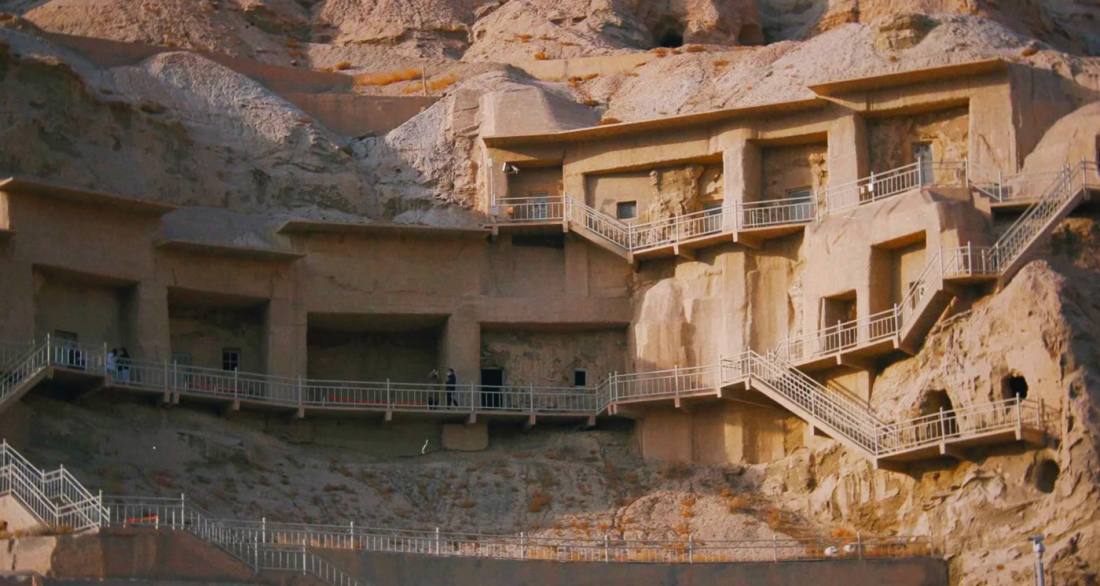
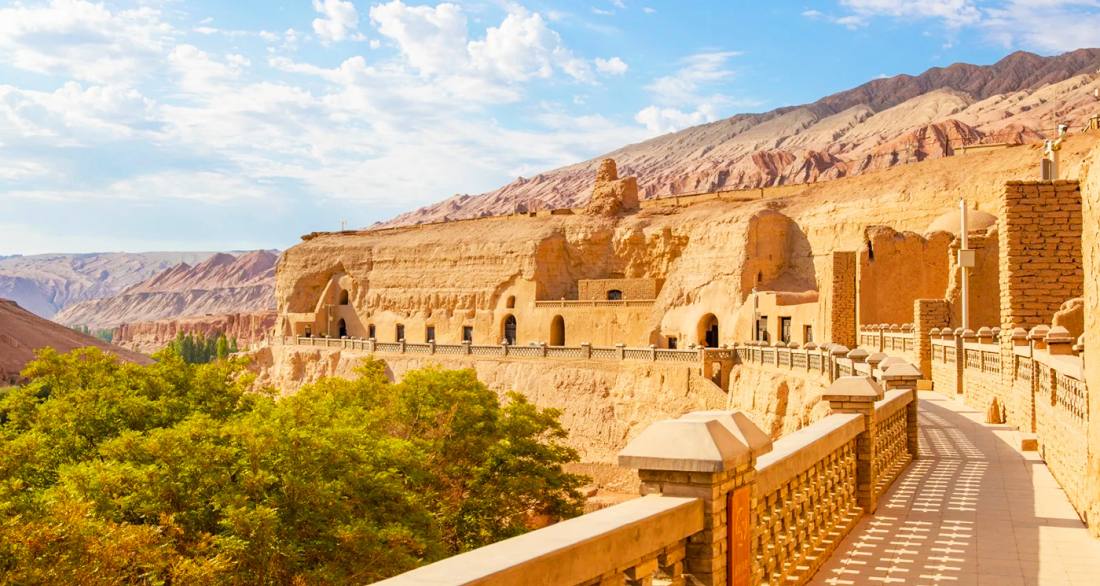
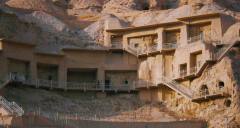
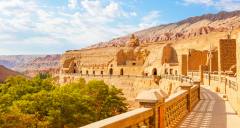
柏孜克里克千佛洞位於新疆吐魯番市高昌區東北約40公里的火焰山峽谷中,木頭溝河西岸的懸崖上。石窟始鑿於南北朝後期的麴氏高昌時期(約公元499-640年),歷經唐、五代、宋、元長達七個世紀的營建,曾是高昌回鶻王國(公元9-13世紀)的王家寺院,被譽為「寧戎寺」。現存洞窟83個,其中保留壁畫的約40餘個,壁畫總面積達1200平方米,內容以佛本行經變、回鶻王室供養人像及多元文化交融的宗教題材為特色,融合了龜茲藝術風格與中原唐風影響。作為絲綢之路佛教東傳的關鍵節點,它與敦煌、雲岡石窟及印度阿旃陀石窟齊名,1982年被列為全國重點文物保護單位。儘管近代曾遭外國探險隊劫掠,殘存壁畫與洞窟結構仍見證了中國多民族文化的深度交融。
The Bezeklik Thousand Buddha Caves are situated on a cliff along the western bank of the Mutou River Valley, approximately 40 kilometers northeast of Gaochang District, Turpan City, Xinjiang, within the Flaming Mountains gorge. First carved during the late Northern and Southern Dynasties period under the Qu Family's Gaochang Kingdom (approx. 499–640 AD), the caves were expanded over seven centuries through the Tang, Five Dynasties, Song, and Yuan periods, serving as the royal monastery of the Uighur Kingdom of Gaochang (9th–13th centuries) and known as "Ningrong Temple". Of the 83 existing caves, over 40 retain murals covering a total area of 1,200 square meters, featuring themes such as illustrations of the Buddha's life, portraits of Uighur royal donors, and religious motifs reflecting cultural fusion, blending Kucha artistic styles with influences from Tang Dynasty Central China. As a key node on the Silk Road for the eastward spread of Buddhism, it is renowned alongside the Dunhuang and Yungang Grottoes in China and the Ajanta Caves in India. Designated as a National Key Cultural Relic Protection Unit in 1982, the caves—though partially looted by early 20th-century foreign expeditions—stand as a profound testament to China's multicultural integration.