
| 产品 | 提前预定时间 | 取消政策 | 原价 | 优惠价 | ||
|---|---|---|---|---|---|---|
| 产品 | 提前预定时间 | 取消政策 | 原价 | 优惠价 | ||
|---|---|---|---|---|---|---|
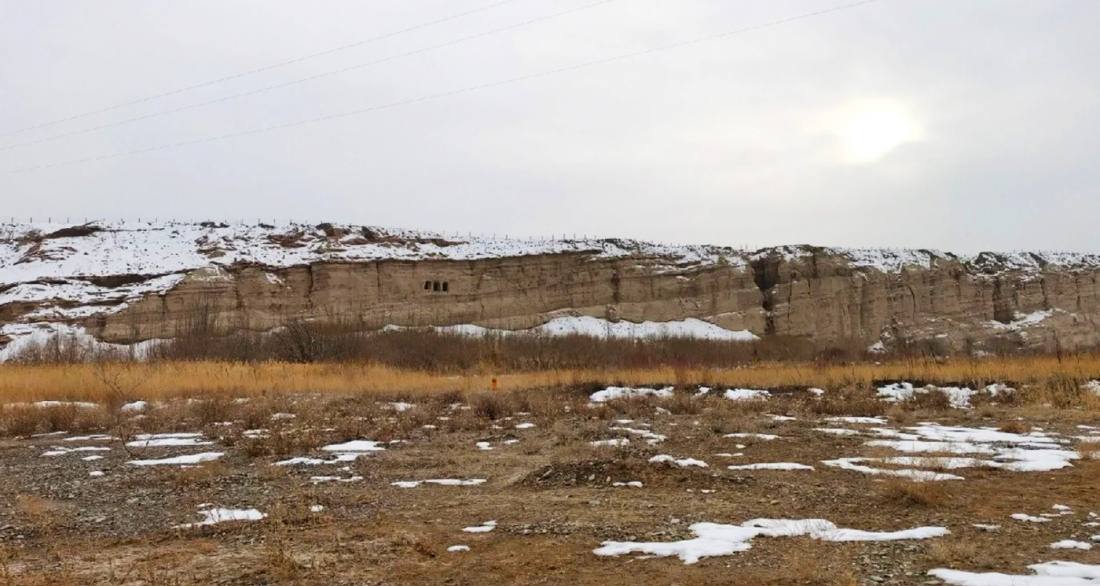
三仙洞石窟為非開放旅遊的考古遺址,不設門票與常規遊覽,目前尚未有任何官方預約或參觀渠道向普通公眾開放。石窟地處阿圖什市塔合提村的偏僻河谷峭壁上,地理定位困難且無常規道路抵達,攀爬條件極為險峻(距地面約20-40米)。除非獲得文物部門的特別許可並配備專業考古設備與嚮導,否則嚴禁自行嘗試前往。該遺址為中國最西端的早期佛教石窟,因保護與研究需要,暫未對公眾開放。建議遊客透過參觀克孜爾石窟等已開放的石窟遺址來了解新疆佛教藝術。
The Three Immortals Caves (Sanxian Caves) is an archaeological site not open for tourism; there is no ticket system or regular visiting access, and currently, no official reservation or visiting channels are available to the general public. The caves are located on a remote cliff above a river valley in Taheti Village, Atush City, making geographical positioning difficult and inaccessible by regular roads. The climbing conditions are extremely hazardous (approximately 20-40 meters above ground level). Attempting to visit independently is strictly prohibited unless special permission is obtained from cultural relics authorities and accompanied by professional archaeological equipment and guides. As the westernmost early Buddhist cave site in China, it remains closed to the public for protection and research purposes. Visitors are recommended to explore open cave sites such as the Kizil Caves to learn about Xinjiang's Buddhist art.
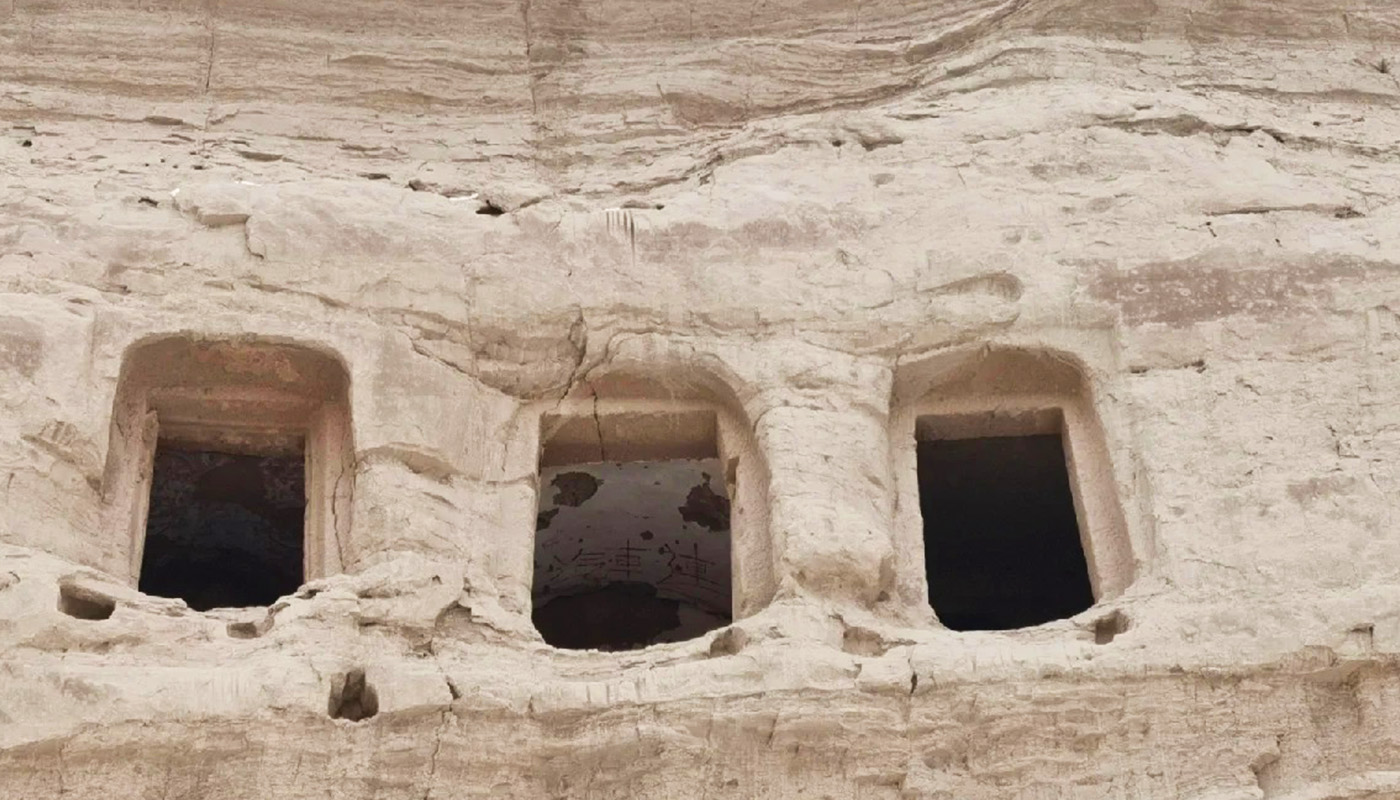
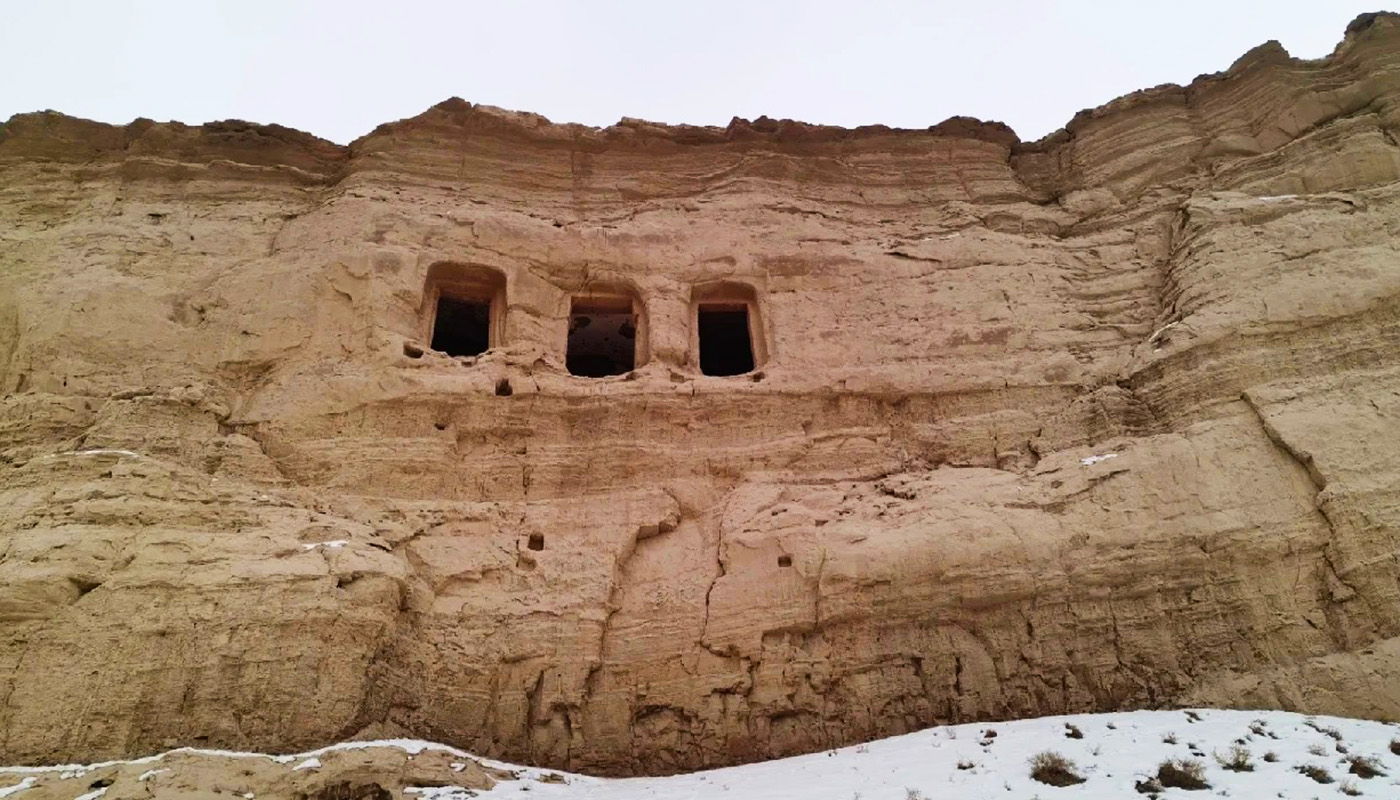
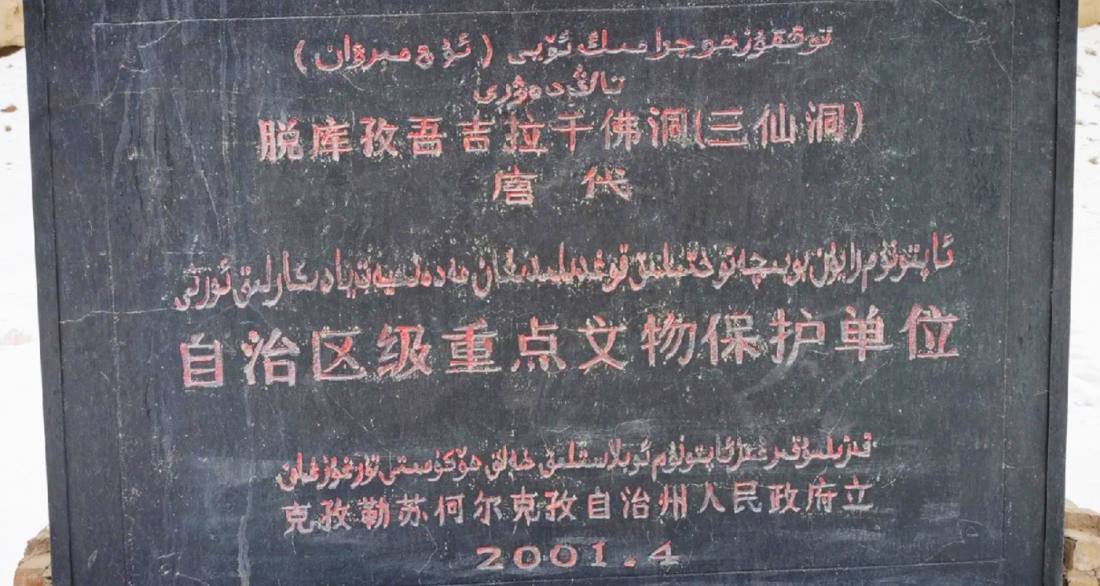
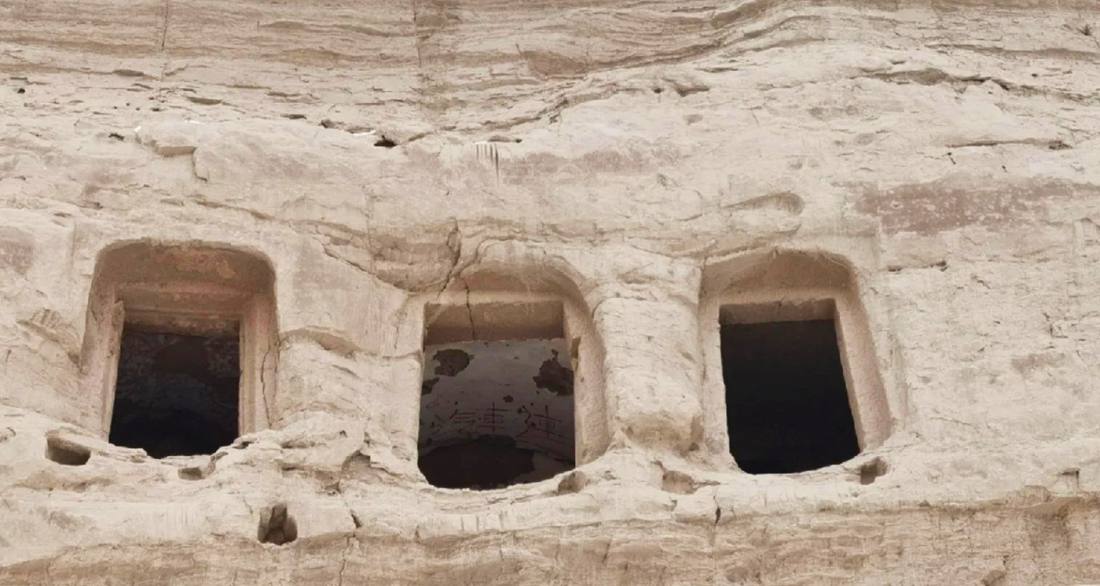
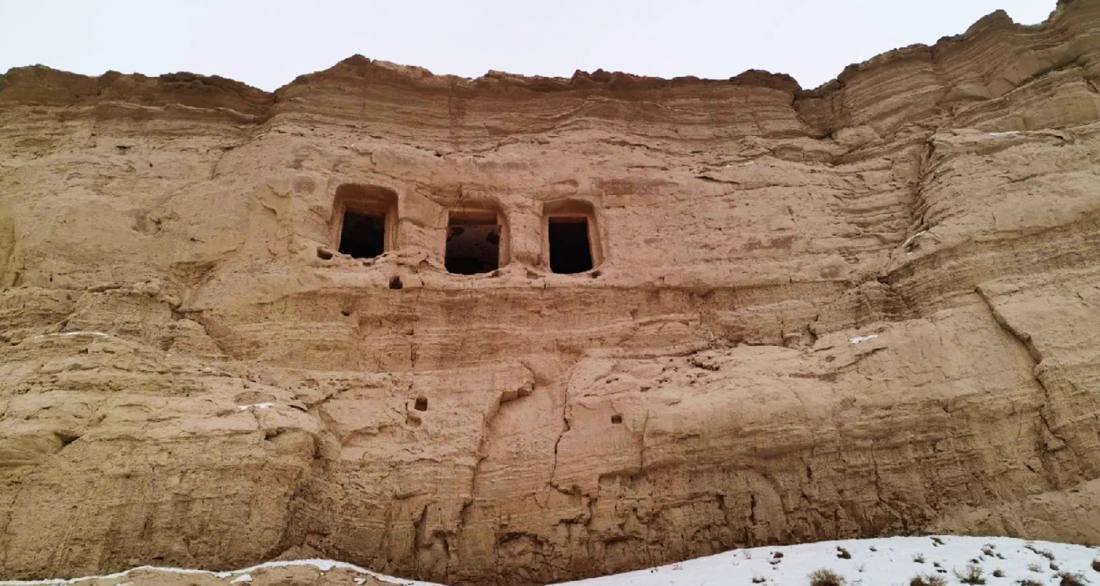
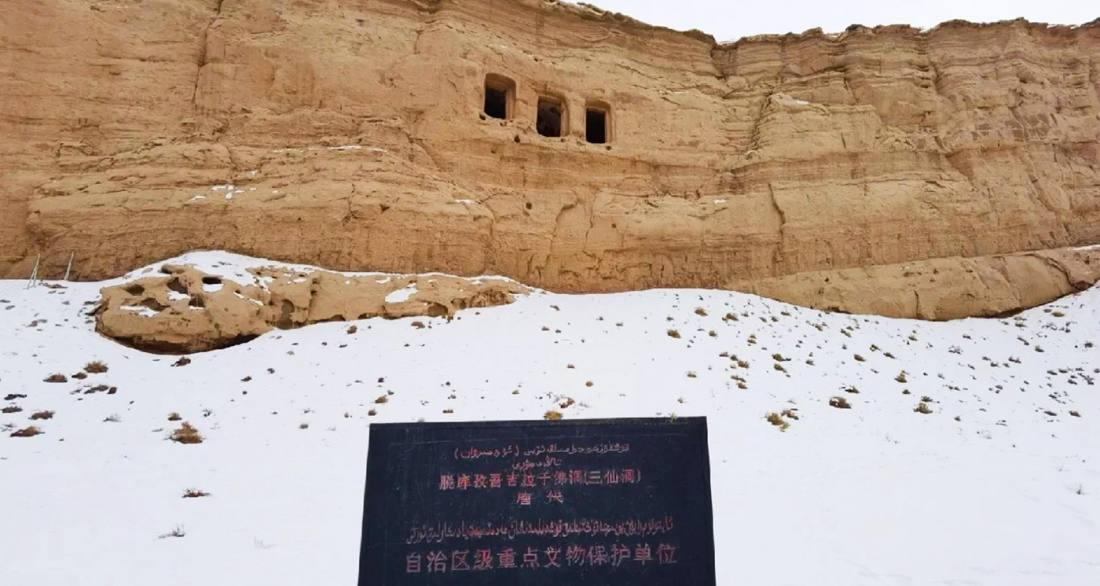
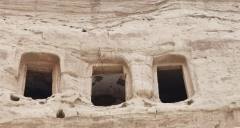
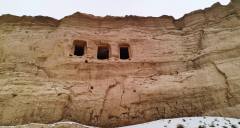
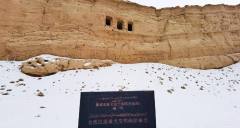
三仙洞石窟位於新疆克孜勒蘇柯爾克孜自治州阿圖什市上阿圖什鄉塔合提村的恰克瑪克河南岸峭壁中上部,是迄今發現的中國最西部、最古老的佛教洞窟遺址,開鑿年代不晚於公元2世紀前期(東漢末三國時期),比敦煌莫高窟早約300-400年。石窟由東、中、西三個並列洞窟組成,均分前後兩室,前室爲縱券頂,後室爲橫券頂,洞窟間以厚約1米的石壁分隔,後人鑿有小洞連通。其中東窟保存最爲完整,存有天象圖藻井壁畫,繪有蓮池、八方佛等大乘佛教題材,佛像服飾罕見(如三色橫紋袈裟),融合漢地與龜茲藝術風格;中窟殘留石胎泥塑佛像殘軀及漢文、回鶻文等多民族文字題記;西窟未完工,僅存石台遺跡。作爲絲綢之路北道重要佛教遺存,三仙洞是研究佛教東傳路徑、西域藝術演變與多民族文化交融的關鍵實證,1957年被列爲新疆維吾爾自治區重點文物保護單位。因位於懸崖高處(距河牀約20-40米)且保護需要,目前未對公衆開放,僅限專業考古研究。
The Sanxiandong Caves (Three Immortals Caves) are situated on the mid-upper section of the cliff along the south bank of the Qiakemake River in Taheti Village, Upper Atush Township, Atush City, within the Kizilsu Kirghiz Autonomous Prefecture of Xinjiang, China. They represent the westernmost and oldest known Buddhist cave site in China, with their construction dating back no later than the early 2nd century AD (late Eastern Han/Three Kingdoms period), making them approximately 300-400 years older than the Dunhuang Mogao Caves. The complex consists of three parallel caves (East, Central, and West), each divided into front and rear chambers featuring longitudinal vaulted and transverse vaulted ceilings respectively, separated by stone walls about 1 meter thick, with small passages later carved through. The East Cave is the best preserved, containing ceiling murals with celestial motifs like a lotus pond and the Eight Directional Buddhas, reflecting Mahayana Buddhist themes. The Buddha figures display rare attire and blend artistic styles from Central China and Kucha. The Central Cave retains the remnants of a clay-over-stone-core Buddha statue and inscriptions in multiple languages. The West Cave was left unfinished. As a significant Buddhist relic on the northern Silk Road, the caves provide key evidence for studying the eastward spread of Buddhism, the evolution of Western Regions art, and multi-ethnic cultural exchange. They were designated as a Key Cultural Relic Protection Unit of the Xinjiang Uygur Autonomous Region in 1957. Due to their precarious location high on a cliff face and conservation needs, they are currently not open to the public and access is restricted to professional archaeological research.