
| 产品 | 提前预定时间 | 取消政策 | 原价 | 优惠价 | ||
|---|---|---|---|---|---|---|
| 产品 | 提前预定时间 | 取消政策 | 原价 | 优惠价 | ||
|---|---|---|---|---|---|---|
前往庫木吐喇千佛洞參觀前,請您務必知悉:該石窟目前暫不對公眾開放,是第一批全國重點文物保護單位,以學術研究與文物保護為首要任務。若未來政策允許或有特殊開放渠道(如學術團隊、經審批的專業考察),也需通過龜茲研究院等官方機構提前申請並獲得書面許可,嚴禁自行前往。石窟位於庫車市以西約25公里的渭乾河谷東岸,位置偏遠,路況複雜。如獲准進入,需嚴格遵守所有文物保護規定:禁止觸摸、刻畫壁畫與塑像,窟內嚴禁攝影(經批准的學術攝影除外),禁止使用閃光燈。洞窟空間狹小,空氣流通有限,請勿長時間逗留。河谷地區氣候乾燥、日曬強烈,且地形崎嶇,請務必做好防曬、補水,並穿著防滑、便於行走的戶外鞋。由於信息可能變更,強烈建議您在計劃行程前,直接聯繫龜茲研究院或庫車市文物部門,以獲取最權威的參觀政策和指引。
Before planning a visit to the Kumtura Thousand Buddha Caves, please be aware that the site is currently not open to the public. As part of the first group of National Key Cultural Relics Protection Units, its primary focus is academic research and cultural relic preservation. If future policies allow or if there are special access channels (e.g., for academic teams or approved professional research), prior application and written permission must be obtained through official institutions such as the Kucha Academy, and independent visits are strictly prohibited. The caves are located on the eastern bank of the Weigan River Valley, approximately 25 kilometers west of Kuqa City, in a remote area with challenging road conditions. If granted permission to enter, you must strictly adhere to all cultural relics protection regulations: touching, carving, or damaging the murals and sculptures is forbidden; photography inside the caves is prohibited (except for approved academic photography), and the use of flash is not allowed. The cave interiors are confined with limited ventilation, so avoid prolonged stays. The river valley area is characterized by a dry climate, intense sunlight, and rugged terrain. It is essential to take sun protection measures, stay hydrated, and wear anti-slip, sturdy outdoor shoes suitable for walking. As information is subject to change, it is strongly recommended that you contact the Kucha Academy or the Kuqa City Cultural Relics Department directly for the most authoritative visiting policies and guidance before making any travel plans.
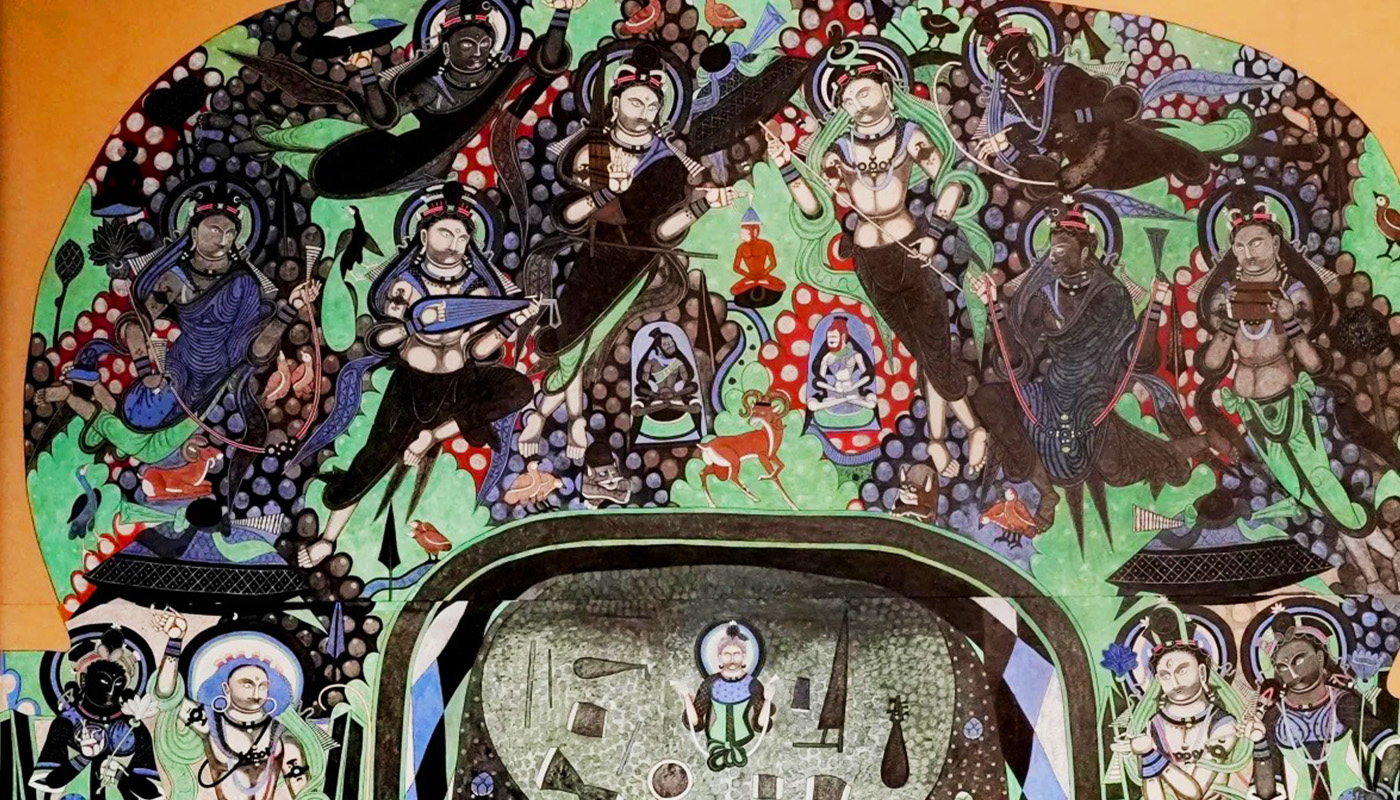
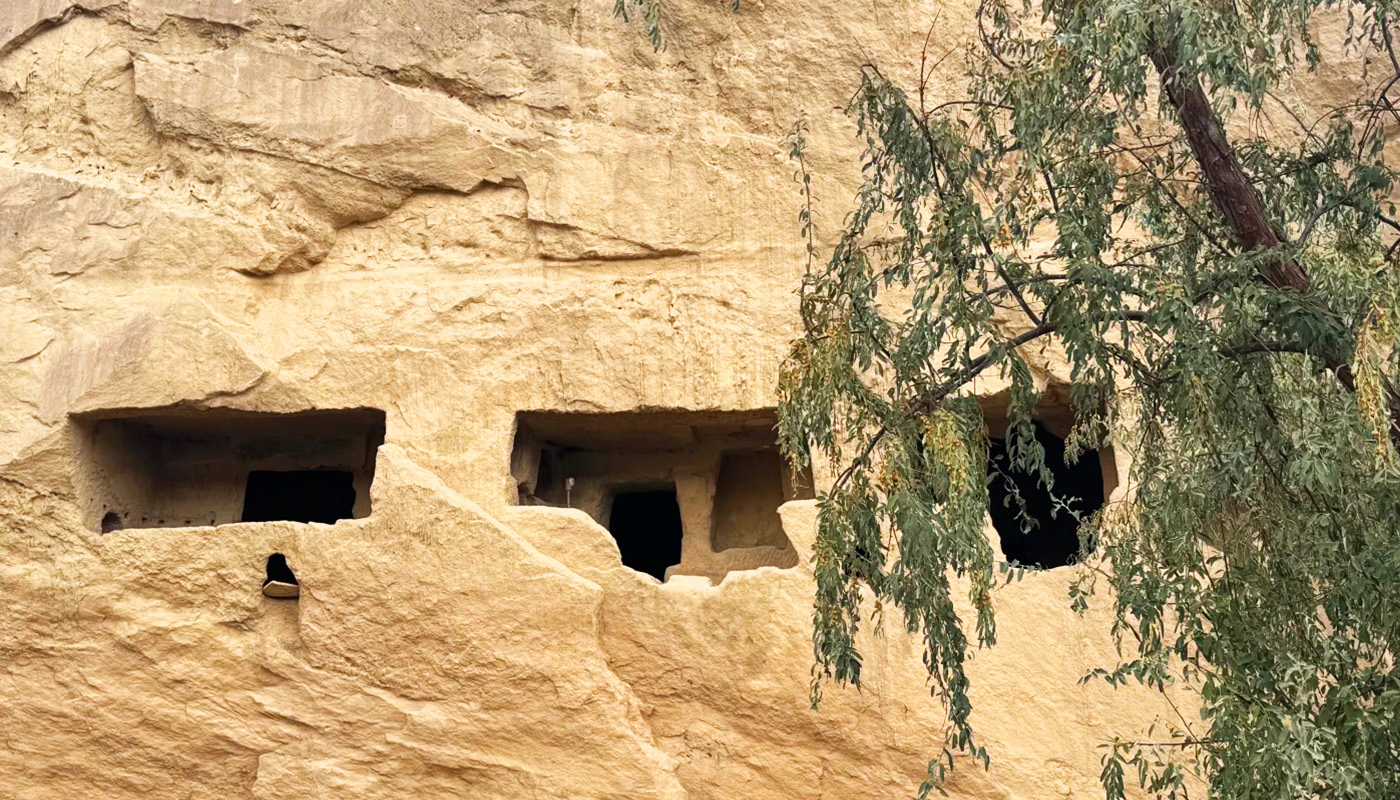
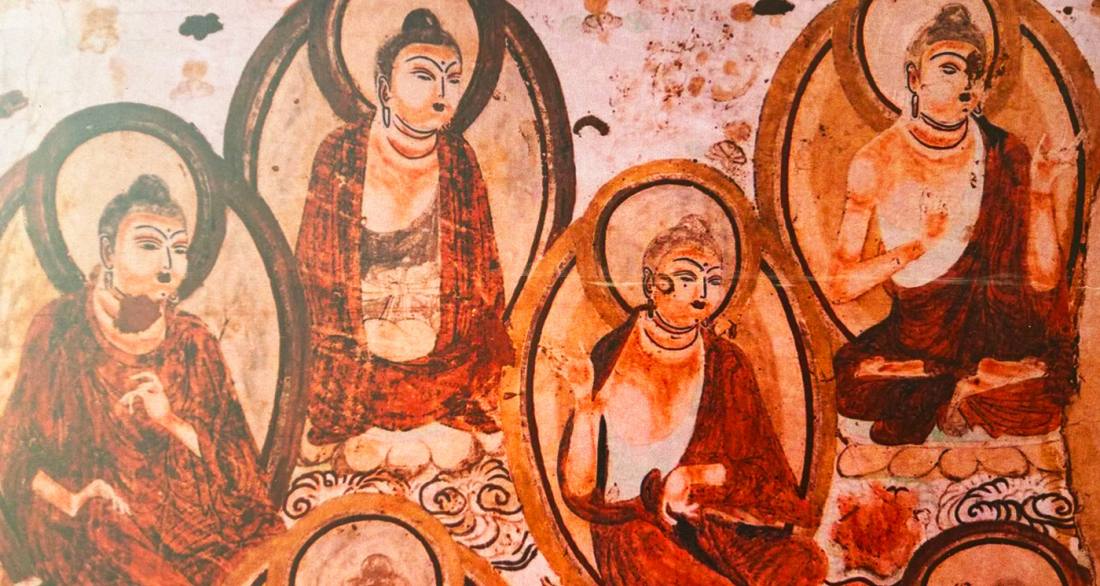
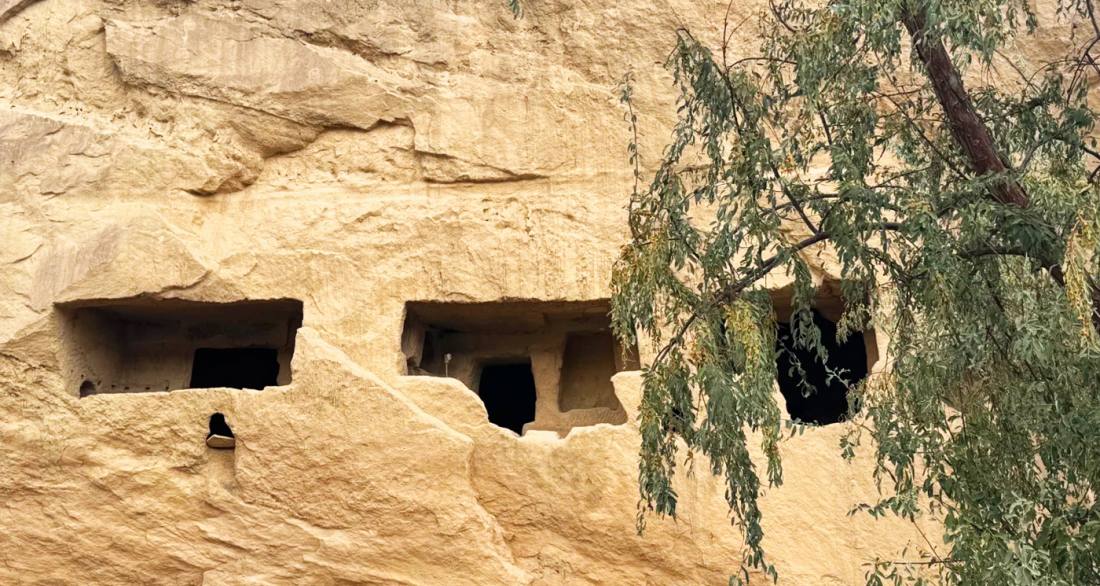
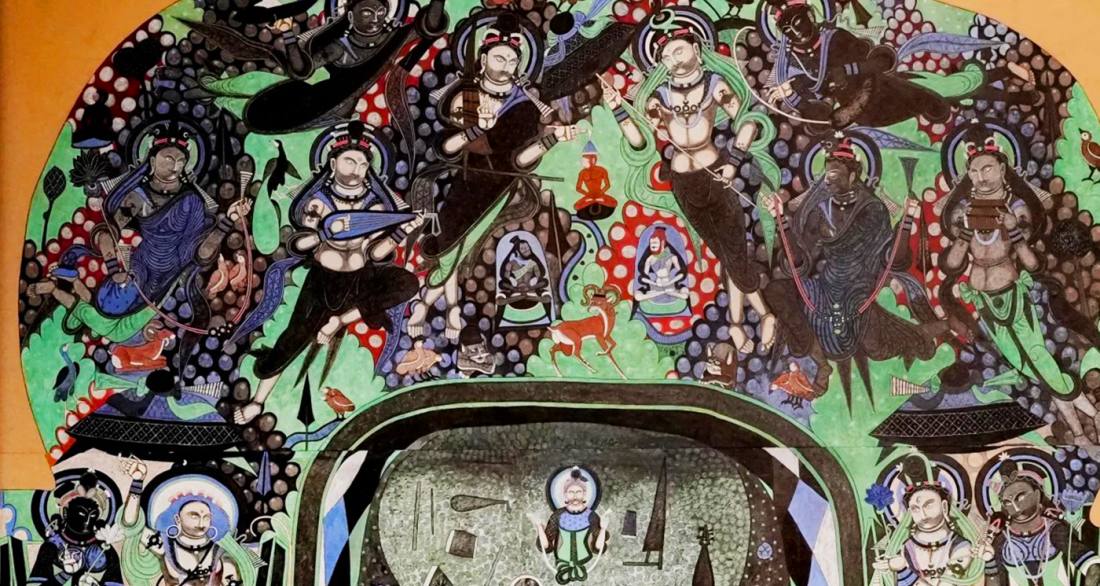
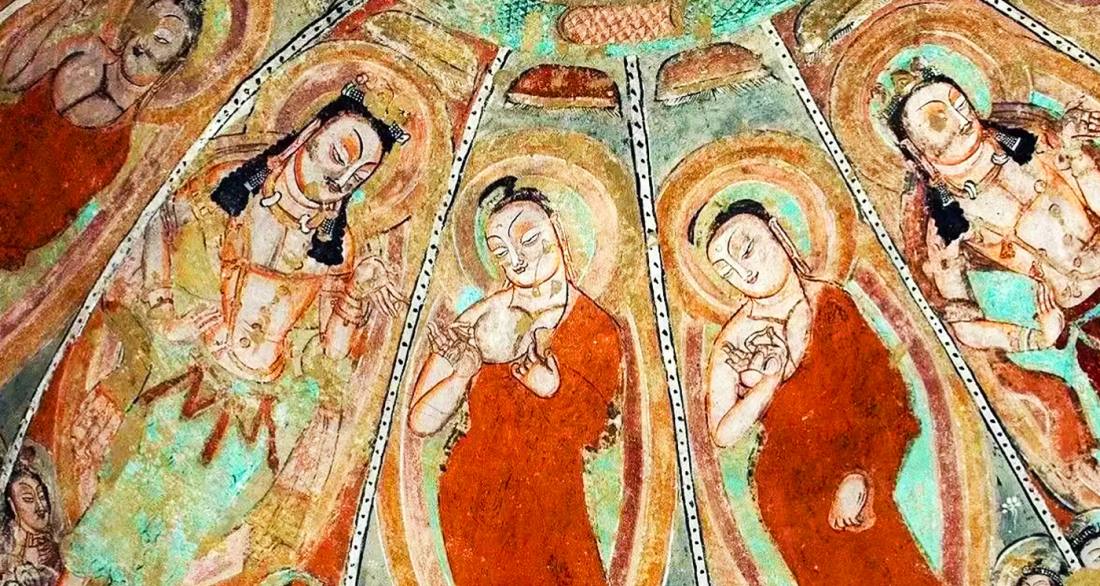
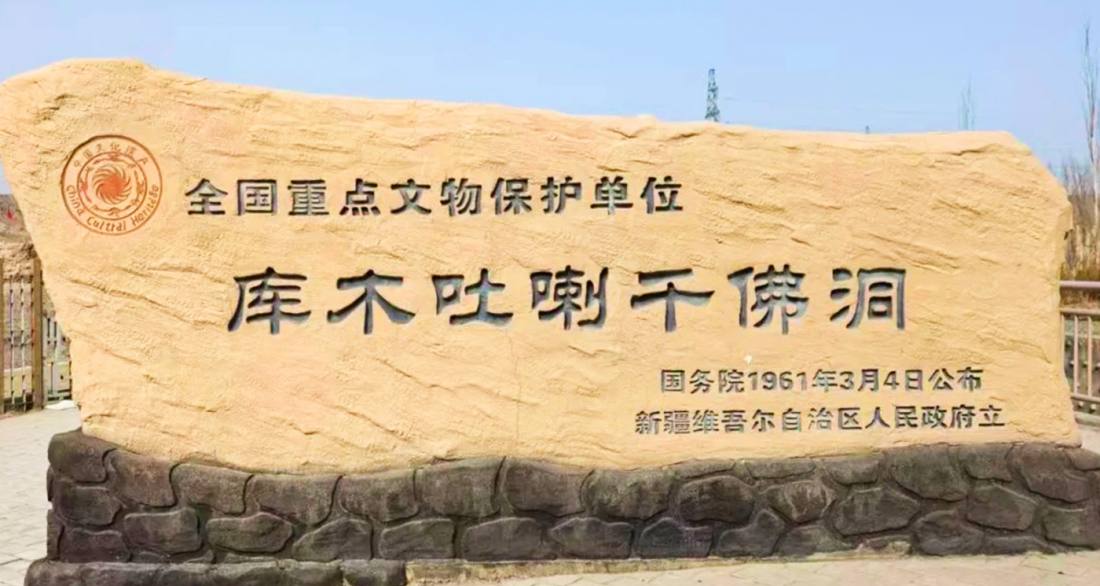
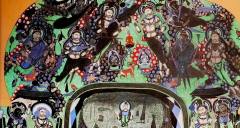
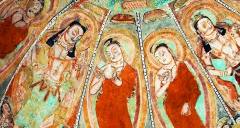
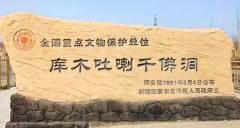
庫木吐喇千佛洞(又稱庫木吐拉石窟)位於新疆庫車市西北約30公里的渭乾河東岸,是僅次於克孜爾石窟的龜茲第二大石窟群,屬全國重點文物保護單位。石窟群始建於公元5-11世紀,現存洞窟百餘座,其中保存壁畫的窟室約40餘個。其藝術價值在於多元文化的交融:早期洞窟延續龜茲本地風格(菱形構圖、西域暈染法),中期出現大量漢風壁畫(團花圖案、漢式建築、經變畫及漢文榜題),晚期則融入回鶻元素(回鶻供養人像、回鶻文題記),完整呈現了絲路北道佛教藝術從印度-龜茲風格向漢地風格過渡,並最終匯入回鶻文化的歷史脈絡。窟內壁畫題材豐富,涵蓋佛傳故事、因緣故事及千佛圖像,部分窟頂繪有獨特的「天體圖」,是研究古代龜茲宗教、藝術與民族變遷的珍貴遺存。由於文物保護需要,目前石窟暫未向普通遊客開放,僅限經批准的學術考察。
The Kumtura Thousand Buddha Caves (also known as the Kumtula Grottoes) are located on the eastern bank of the Weigan River, approximately 30 kilometers northwest of Kuqa City, Xinjiang. They constitute the second-largest Buddhist cave complex in the ancient Kucha region, after the Kizil Caves, and are designated as a National Key Cultural Relics Protection Unit. Constructed between the 5th and 11th centuries AD, the complex originally comprised over a hundred caves, with about forty still preserving murals. Their artistic significance lies in the fusion of multiple cultures: early caves continued the local Kucha style (featuring rhombus-pattern compositions and Central Asian blending techniques), mid-period caves exhibit a strong Chinese influence with numerous Han-style murals (floral medallion patterns, Chinese architectural motifs, sutra illustration paintings, and Chinese inscriptions), while later caves incorporated Uighur elements (Uighur donor portraits and Uighur inscriptions). This progression fully illustrates the historical transition of Buddhist art along the northern Silk Road from Indo-Kucha styles to Chinese styles, and finally to Uighur culture. The murals within the caves cover a rich range of subjects, including scenes from the Buddha's life,因果 stories, and images of the Thousand Buddhas. Some cave ceilings are adorned with unique "celestial charts," making the site a precious legacy for studying ancient Kucha's religion, art, and ethnic changes. Due to conservation needs, the caves are currently not open to the general public and are accessible only for approved academic research.