

| 产品 | 提前预定时间 | 取消政策 | 原价 | 优惠价 | ||
|---|---|---|---|---|---|---|
| 产品 | 提前预定时间 | 取消政策 | 原价 | 优惠价 | ||
|---|---|---|---|---|---|---|
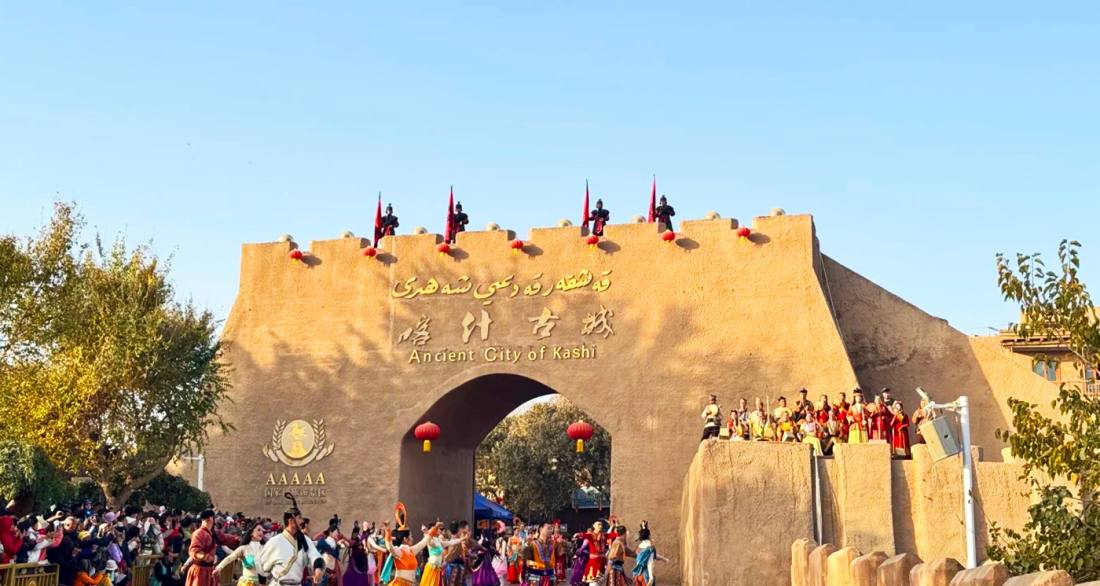
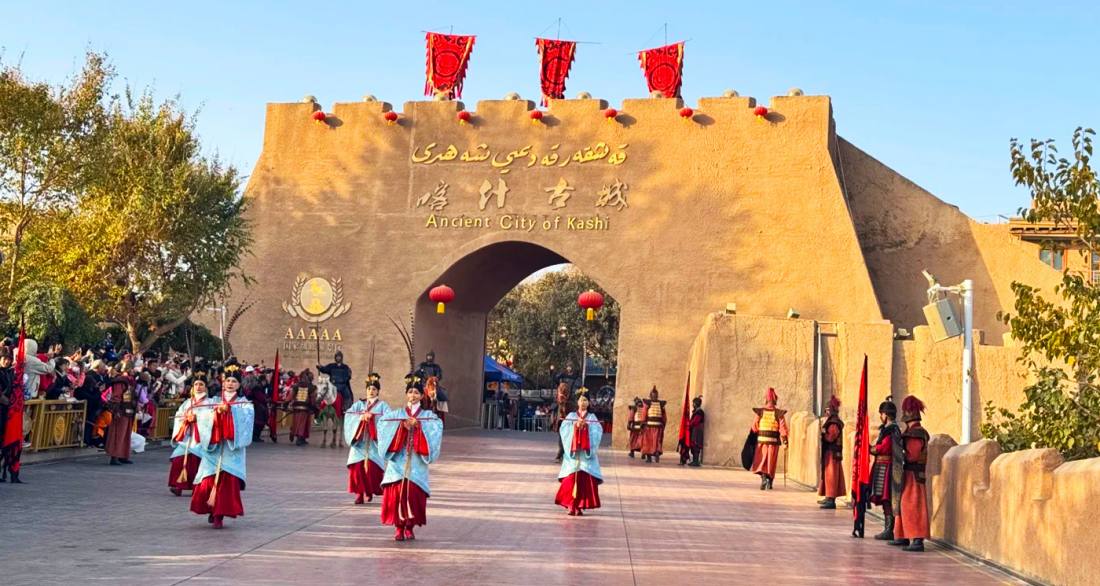
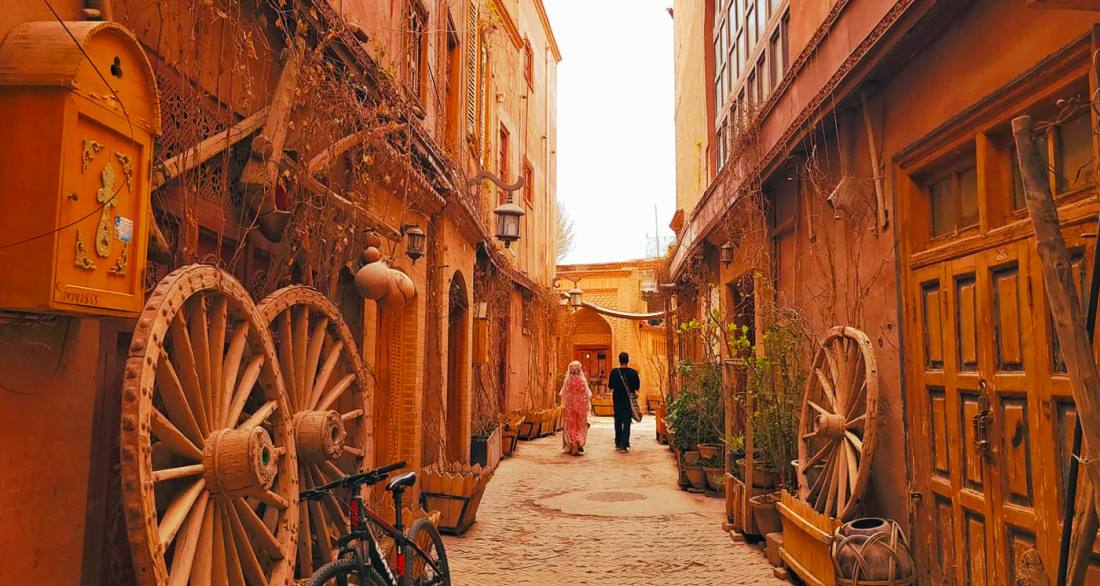
遊覽喀什古城前,請注意:古城核心區免費進入,無需預約,全天開放,但內部部分獨立景點如艾提尕爾清真寺、高台民居、老茶館等需另行購票,建議提前查詢開放時間。建議安排至少一天時間慢遊,上午10:30東門有開城迎賓儀式。古城巷道錯綜複雜,可遵循「六角磚路通,長磚路不通」的口訣辨別方向。這裏是維吾爾族居民的生活社區,請尊重當地習俗與隱私,拍攝人物與民居內部前務必禮貌徵得同意。參觀清真寺時需衣著得體,保持安靜。喀什氣候乾燥、日照強烈,務必做好防曬補水。購物時可在巴紮內友善議價,建議自備小額現金。古城內地面為傳統地磚,請穿著舒適的平底鞋遊覽。
Before visiting the Kashgar Old City, please note: The core area of the old city is free to enter, requires no reservation, and is open 24 hours. However, some individual attractions inside, such as the Id Kah Mosque, Gaotai Folk Houses, and Old Tea Houses, require separate admission tickets. It is advisable to check their opening hours in advance. Plan to spend at least a full day to explore at a leisurely pace. There is a city gate welcoming ceremony at the East Gate at 10:30 AM. The old city's lanes are a complex maze; a helpful tip is to follow the rule: "Paths with hexagonal bricks lead through, while those with rectangular bricks are dead ends." This is a living community for Uyghur residents, so please respect local customs and privacy. Always ask for permission politely before taking photos of people or inside homes. When visiting mosques, dress modestly and maintain a quiet demeanor. Due to Kashgar's dry climate and intense sunlight, sun protection and hydration are essential. Friendly bargaining is common in the bazaars, and it's recommended to carry small amounts of cash. The ground inside the old city is paved with traditional bricks, so wearing comfortable flat shoes is highly advisable for walking.
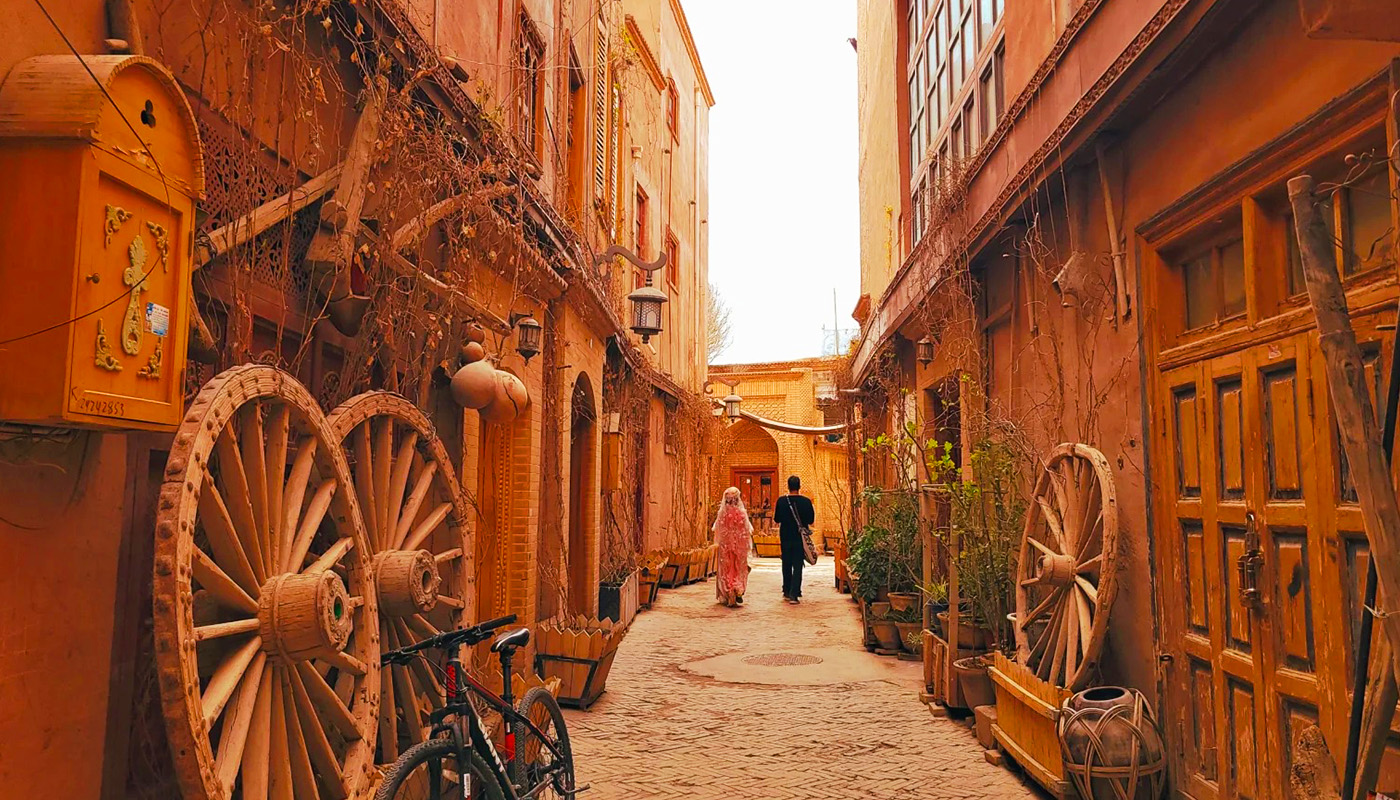
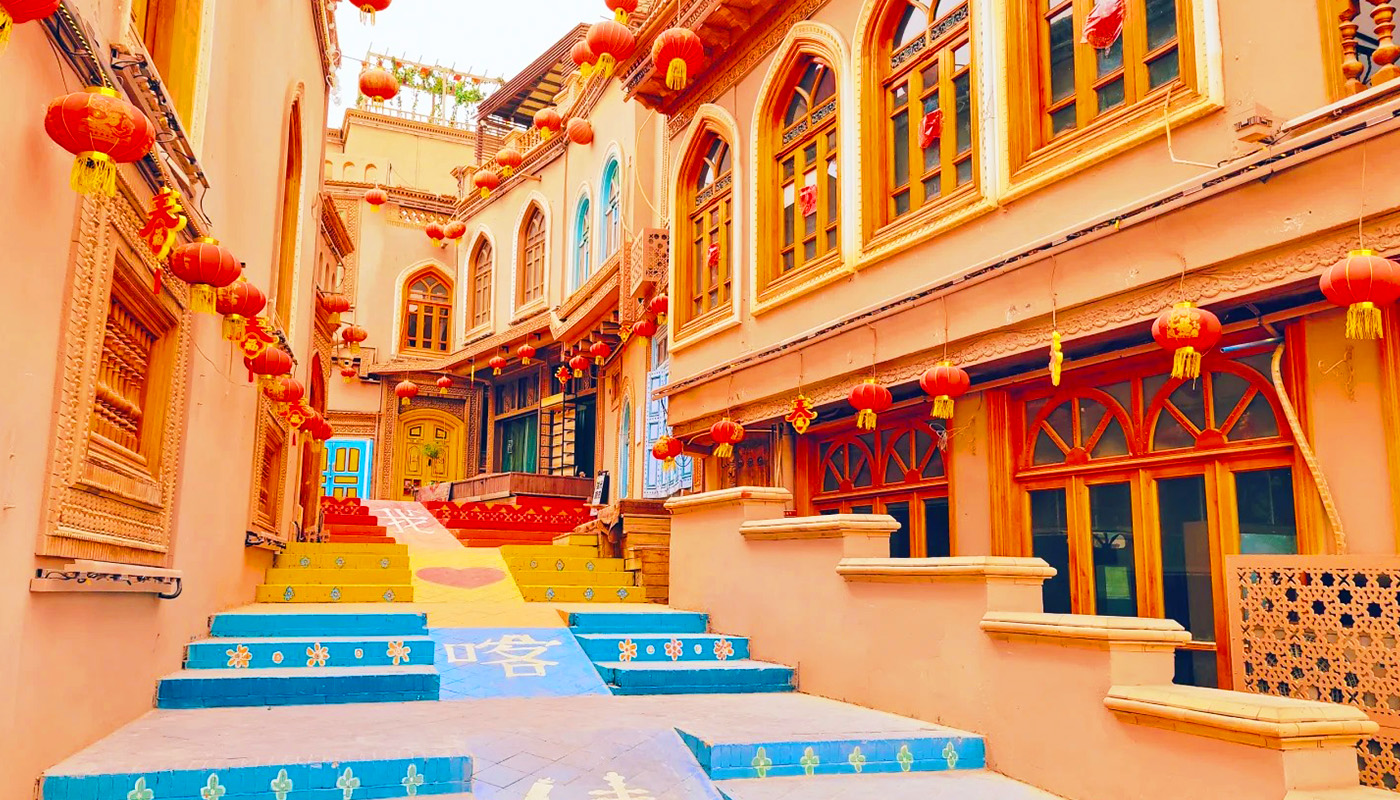
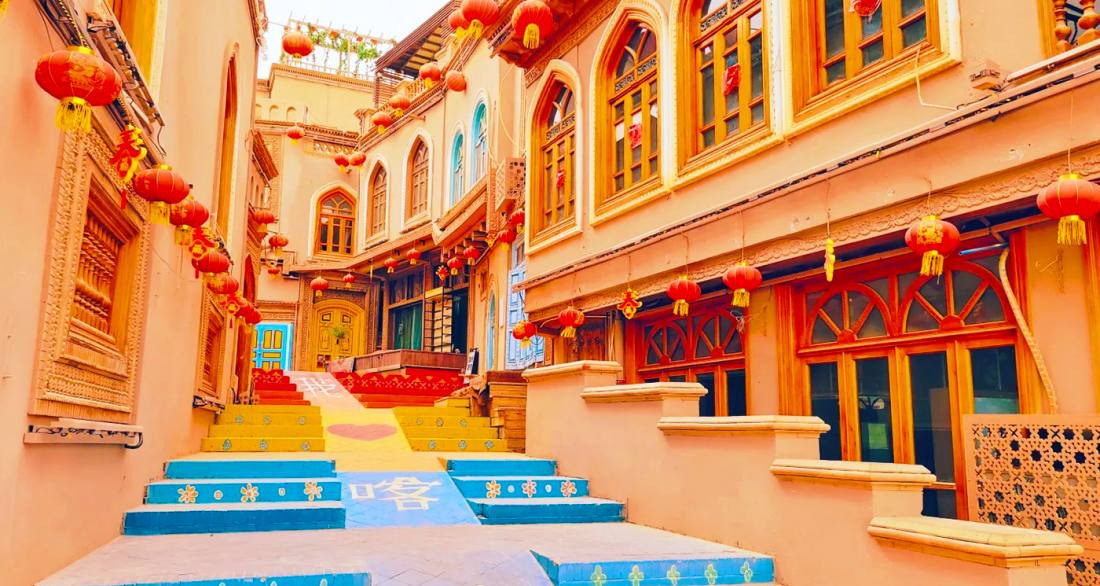
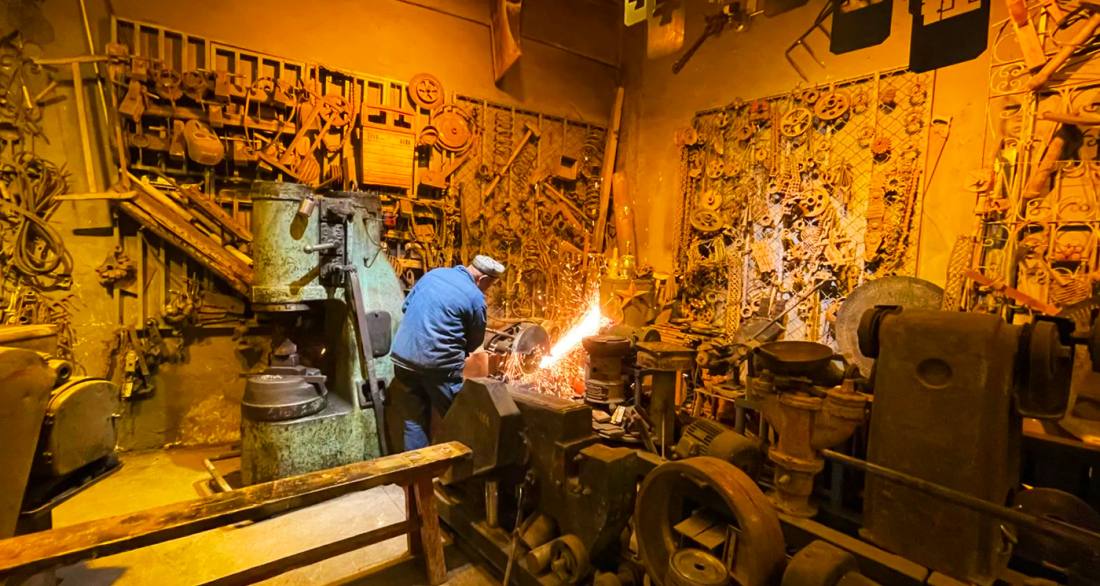
喀什古城位於新疆喀什市中心,是國家AAAAA級旅遊景區,是世界上現存規模最大、保存最完整的生土建築群之一,被譽為「活著的千年西域古城」。其歷史可追溯至兩千多年前的西漢時期,曾是古代疏勒國都城和班超經營西域的盤橐城所在地,作為絲綢之路南北道交匯的咽喉,見證了漢唐盛世、喀喇汗王朝、葉爾羌汗國等重要歷史時期,融合了中原、波斯、阿拉伯與維吾爾多元文化。古城總面積4.25平方公里,以艾提尕爾清真寺為中心向外輻射,迷宮般的街巷遵循「六角磚為通路,長方磚為死巷」的獨特佈局,兩側密佈著過街樓、半街樓等極具智慧的維吾爾傳統生土建築。這裏至今居住著約12.6萬維吾爾族居民,完整保留了製陶、打饢、木雕、樂器製作等非物質文化遺產和百年老茶館、汗巴扎等市井生活場景。聯合國教科文組織曾稱讚其為「絲綢之路活態文化遺產的典範」,遊客可在此沉浸式體驗維吾爾族的建築美學、民俗風情與延續千年的絲路商貿氣息。
Located in the heart of Kashgar City, Xinjiang, the Kashgar Old City is a National AAAAA-level tourist attraction and one of the largest and most well-preserved surviving complexes of earth-built architecture in the world, renowned as the "Living Millennial Ancient City of the Western Regions." Its history dates back over two thousand years to the Western Han Dynasty, when it served as the capital of the ancient Shule Kingdom and the base of Pan-Tuo City, from which the Han general Ban Chao administered the Western Regions. As the crucial junction of the northern and southern routes of the Silk Road, it has witnessed significant historical periods including the Han and Tang golden ages, the Kara-Khanid Khanate, and the Yarkand Khanate, blending diverse cultures from Central Plains China, Persia, Arabia, and the Uyghur people. Covering a total area of 4.25 square kilometers, the old city radiates outward from the Id Kah Mosque. Its maze-like lanes follow a unique layout where "hexagonal bricks indicate a through path, and rectangular bricks indicate a dead end," flanked by ingeniously designed traditional Uyghur earth-built structures such as "over-street buildings" and "half-street buildings." It is still home to approximately 126,000 Uyghur residents, who preserve intangible cultural heritage skills like pottery making, nang baking, wood carving, and musical instrument crafting, alongside vibrant everyday scenes in century-old tea houses and the Han Bazaar. UNESCO has praised it as a "model of living cultural heritage along the Silk Road." Visitors can immerse themselves here to experience Uyghur architectural aesthetics, folk customs, and the millennia-enduring commercial atmosphere of the Silk Road.