
| 产品 | 提前预定时间 | 取消政策 | 原价 | 优惠价 | ||
|---|---|---|---|---|---|---|
| 产品 | 提前预定时间 | 取消政策 | 原价 | 优惠价 | ||
|---|---|---|---|---|---|---|
參觀喀什博物館需注意以下事項:博物館免費開放,但需憑本人有效身份證件(身份證、護照等)現場領票入館,節假日及旅遊旺季建議提前電話諮詢客流情況。開放時間為夏季(5月1日-10月31日)10:00-19:00(18:30停止入館),冬季(11月1日-4月30日)10:30-18:30(18:00停止入館),每週一閉館(法定節假日除外)。館內請保持安靜,禁止觸摸展品,拍照時請關閉閃光燈,部分特展區域可能禁止攝影。建議提前預約講解服務或租借語音導覽設備以深入了解展覽內容,參觀時請勿攜帶大型行李及危險物品。可將博物館與喀什古城、高台民居等周邊景點結合規劃行程。
When visiting the Kashgar Museum, please note the following: Admission is free, but visitors must present a valid ID (such as an ID card or passport) to collect an entry ticket on-site. During holidays and peak tourist seasons, it is advisable to call in advance to inquire about visitor flow. Opening hours are: summer (May 1 to October 31) from 10:00 to 19:00 (last entry at 18:30), and winter (November 1 to April 30) from 10:30 to 18:30 (last entry at 18:00). The museum is closed every Monday (except on statutory holidays). Please maintain quiet inside the museum, do not touch the exhibits, and turn off the flash when taking photos. Photography may be prohibited in some special exhibition areas. It is recommended to book a guided tour or rent an audio guide in advance to better understand the exhibits. Large luggage and hazardous items are not allowed inside. You may combine your visit with nearby attractions such as the Kashgar Old City and Gaotai Folk Houses.
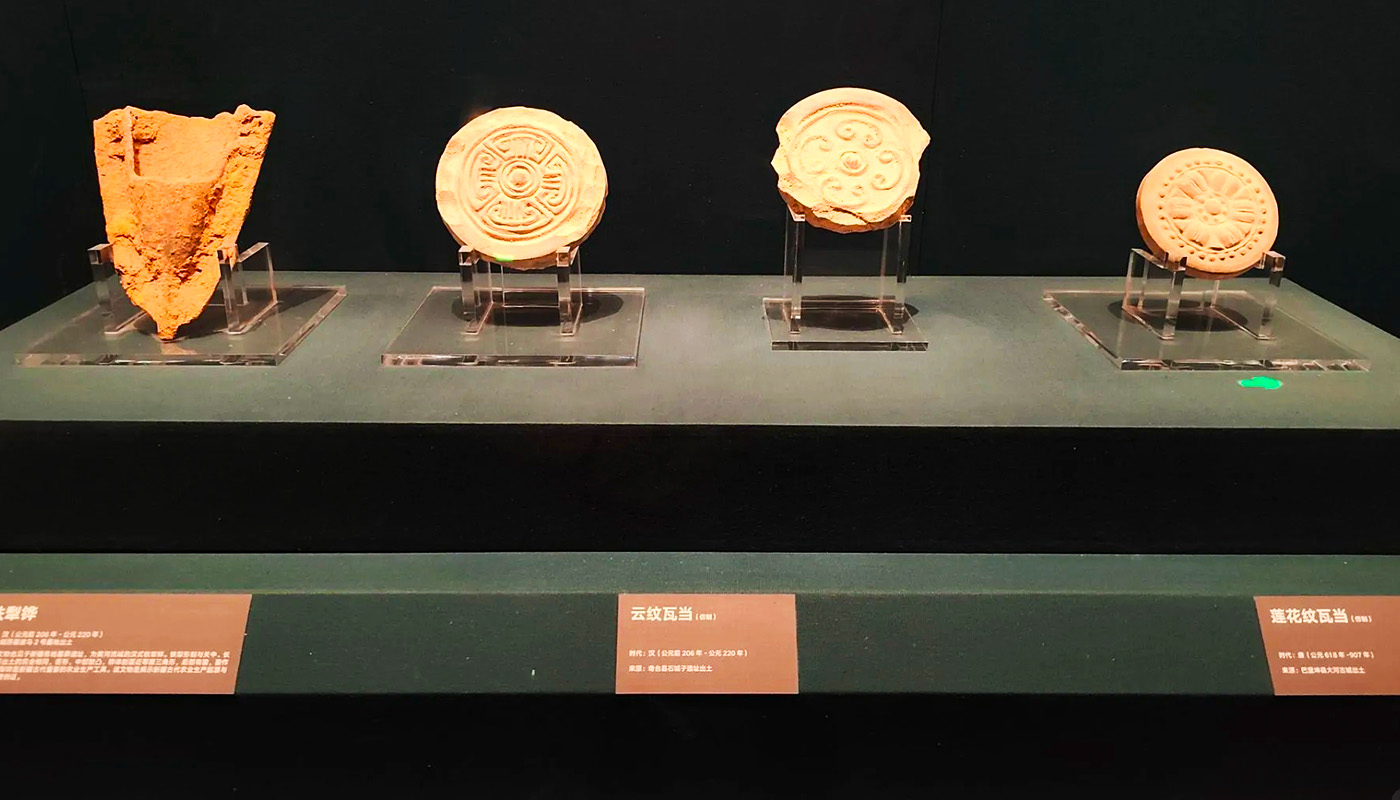
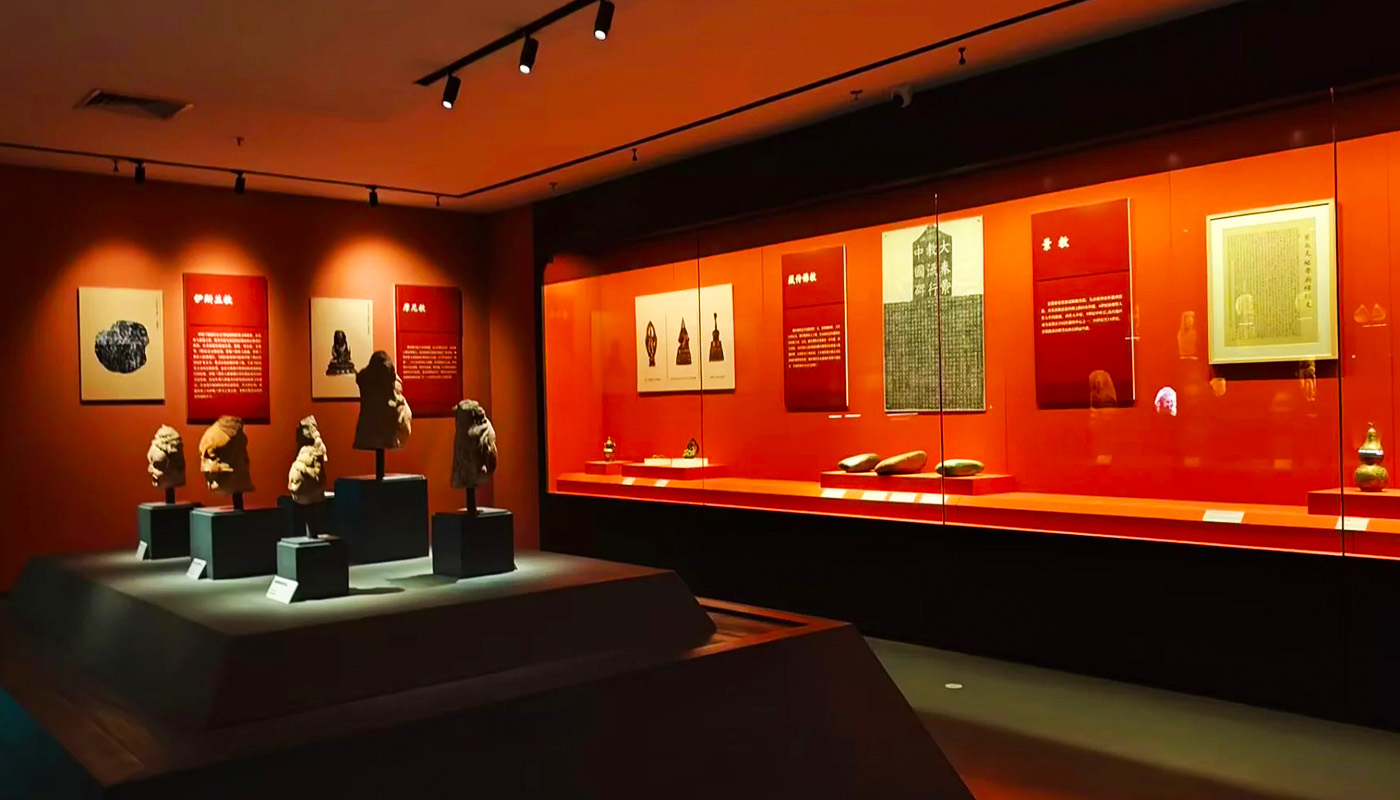
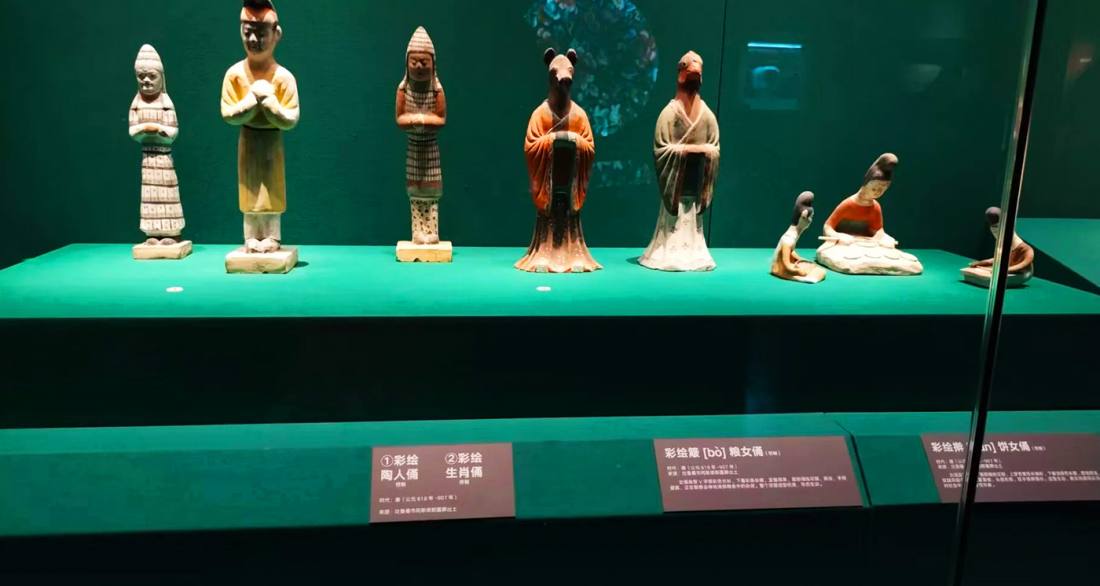
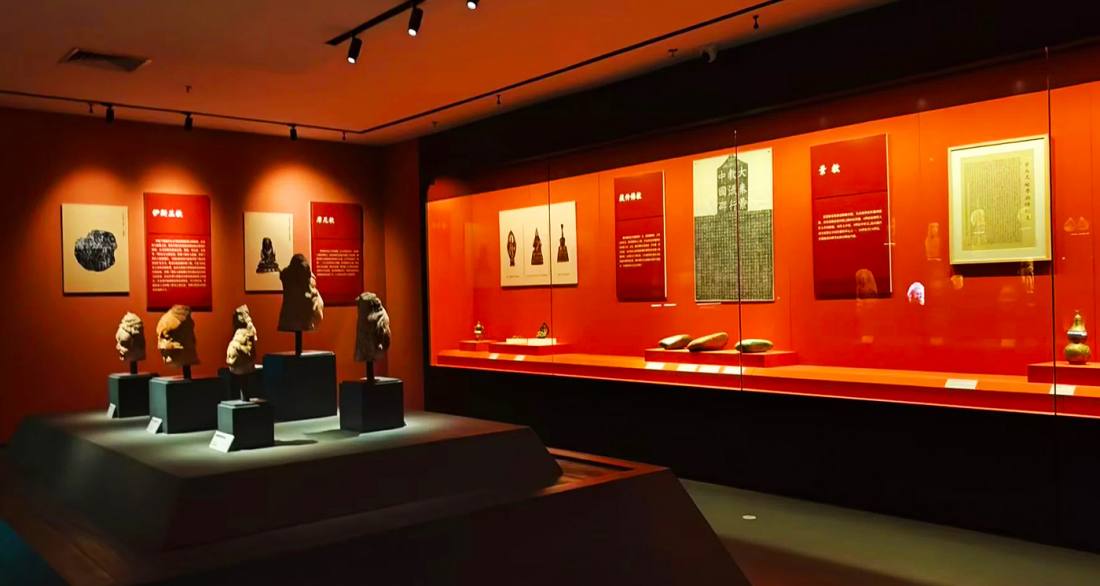
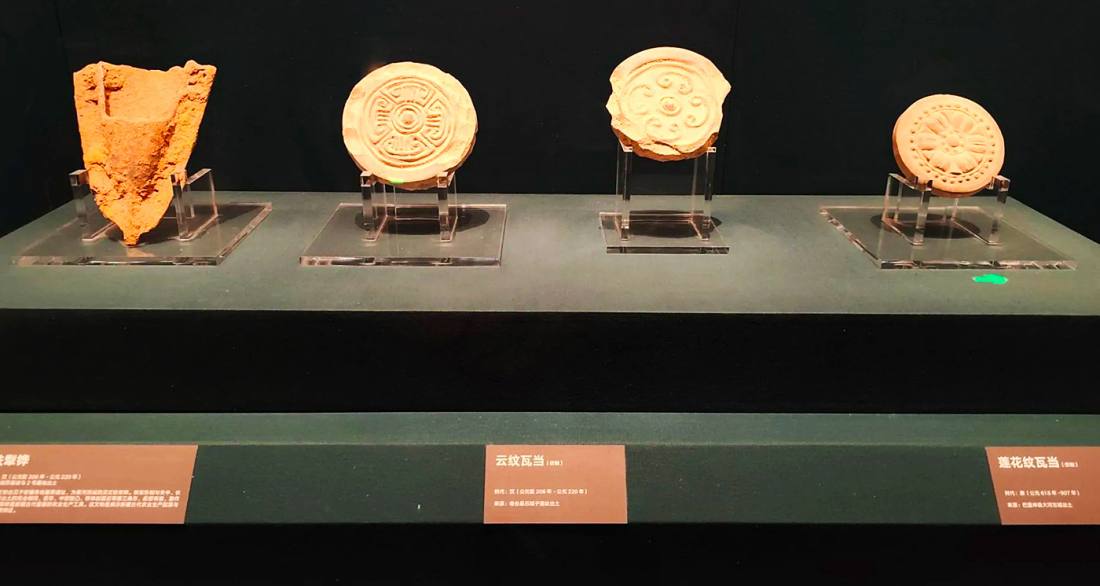
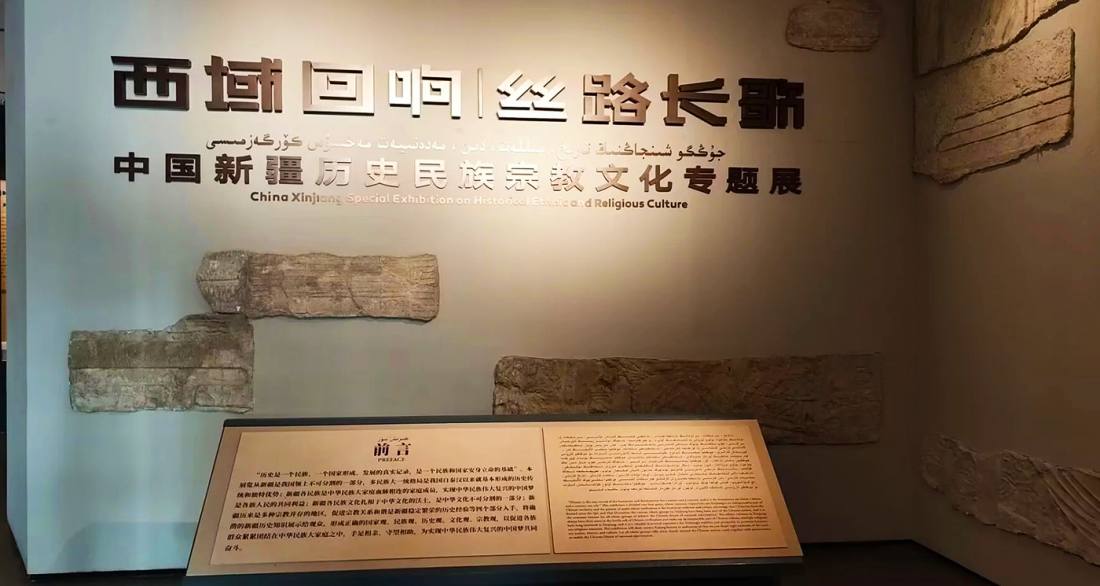
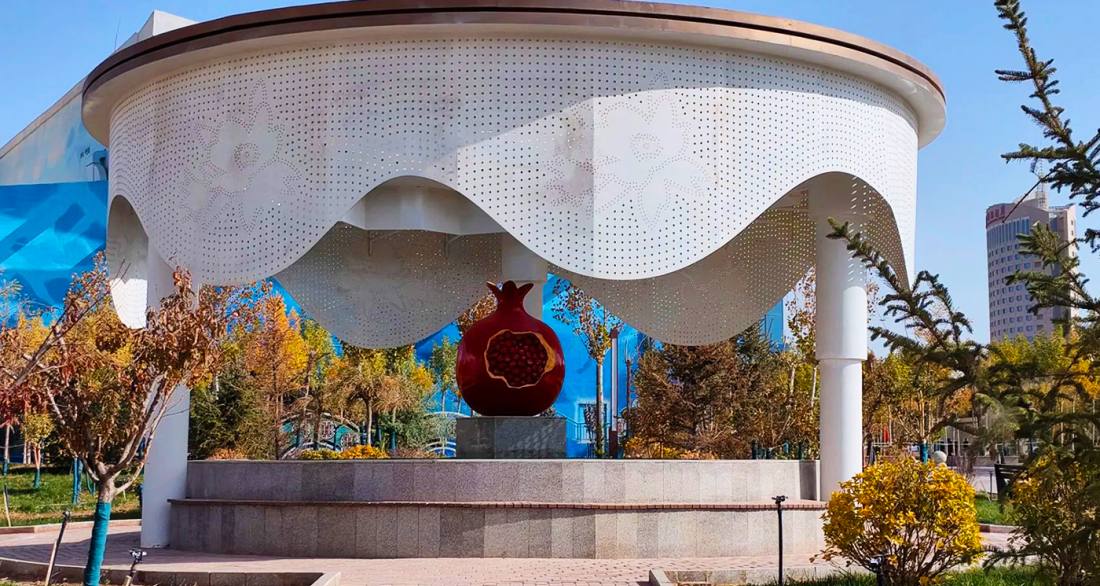
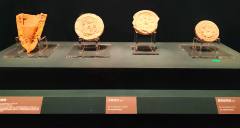
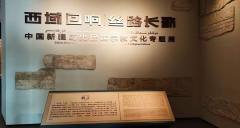
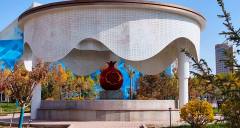
喀什博物館位於新疆喀什市塔吾古孜路19號,是一座以絲綢之路歷史文化為主題的國家二級博物館。博物館系統展示了從史前時期到近現代喀什地區的歷史發展脈絡,館藏文物涵蓋青銅器、陶瓷、古錢幣、民族服飾、古代文書等,其中漢唐時期的文物、喀拉汗王朝文化遺產以及反映多民族交融的民俗器物尤為珍貴。展覽融合歷史陳列、民族風情和藝術專題,通過場景復原、多媒體交互等方式,生動呈現了喀什作為絲綢之路重鎮的文化交融歷程和多元一體的文明特質,是深入了解新疆南部歷史與民族文化的重要窗口。
The Kashgar Museum, located at No. 19 Tawuguzi Road in Kashgar City, Xinjiang, is a National Second-Class Museum dedicated to the history and culture of the Silk Road. The museum systematically presents the historical development of the Kashgar region from prehistoric times to the modern era. Its collection includes bronzeware, ceramics, ancient coins, ethnic costumes, and historical documents, with artifacts from the Han and Tang dynasties, cultural relics from the Kara-Khanid Khanate, and folk items reflecting ethnic integration being particularly valuable. Through historical displays, ethnic customs, and thematic art exhibitions—complemented by scene reconstructions and multimedia interactions—the museum vividly illustrates Kashgar’s role as a key hub on the Silk Road, showcasing its cultural integration and diverse yet unified civilizational characteristics. It serves as an important window for gaining a deeper understanding of the history and ethnic culture of southern Xinjiang.