
| 产品 | 提前预定时间 | 取消政策 | 原价 | 优惠价 | ||
|---|---|---|---|---|---|---|
| 产品 | 提前预定时间 | 取消政策 | 原价 | 优惠价 | ||
|---|---|---|---|---|---|---|
北庭故城遺址作為世界文化遺產和國家級考古遺址,通常無需預訂門票,但建議出行前通過官方平台(如「北庭故城遺址博物館」微信公眾號)確認最新的開放安排。參觀時需特別注意:遺址保護區內禁止攀爬城牆、撿拾或移動任何文物碎片;夏季需做好防曬(帽子、墨鏡、防曬霜)和防暑準備,冬季需注意防風保暖;遺址範圍較大且露天,建議穿著適合長時間行走的舒適鞋履;請勿在遺址範圍內使用無人機(如需使用需提前向管理方申報許可);禁止在遺址牆體上塗寫刻畫;為保護文物,部分核心區域可能設有圍欄,請勿翻越;建議提前了解唐代西域歷史背景,或預約專業講解服務以深入理解遺址價值。
As a UNESCO World Heritage Site and a national-level archaeological park, the Beiting Ancient City Ruins generally do not require advance ticket reservations. However, it is recommended to check the latest opening arrangements via official platforms (such as the "Beiting Ancient City Ruins Museum" WeChat public account) before your visit. During the visit, please pay special attention to the following: climbing on the city walls, picking up, or moving any cultural relic fragments is strictly prohibited within the protected area; sun protection (hat, sunglasses, sunscreen) and heat prevention are essential in summer, while windproof and warm clothing is needed in winter; the site is extensive and open-air, so comfortable shoes suitable for long walks are advisable; the use of drones is prohibited within the site (prior application to the management is required if necessary); writing or carving on the ruins is forbidden; to protect the relics, some core areas may be fenced off—please do not climb over; it is recommended to study the historical background of the Western Regions during the Tang Dynasty in advance or book a professional guided tour to gain a deeper understanding of the site's significance.
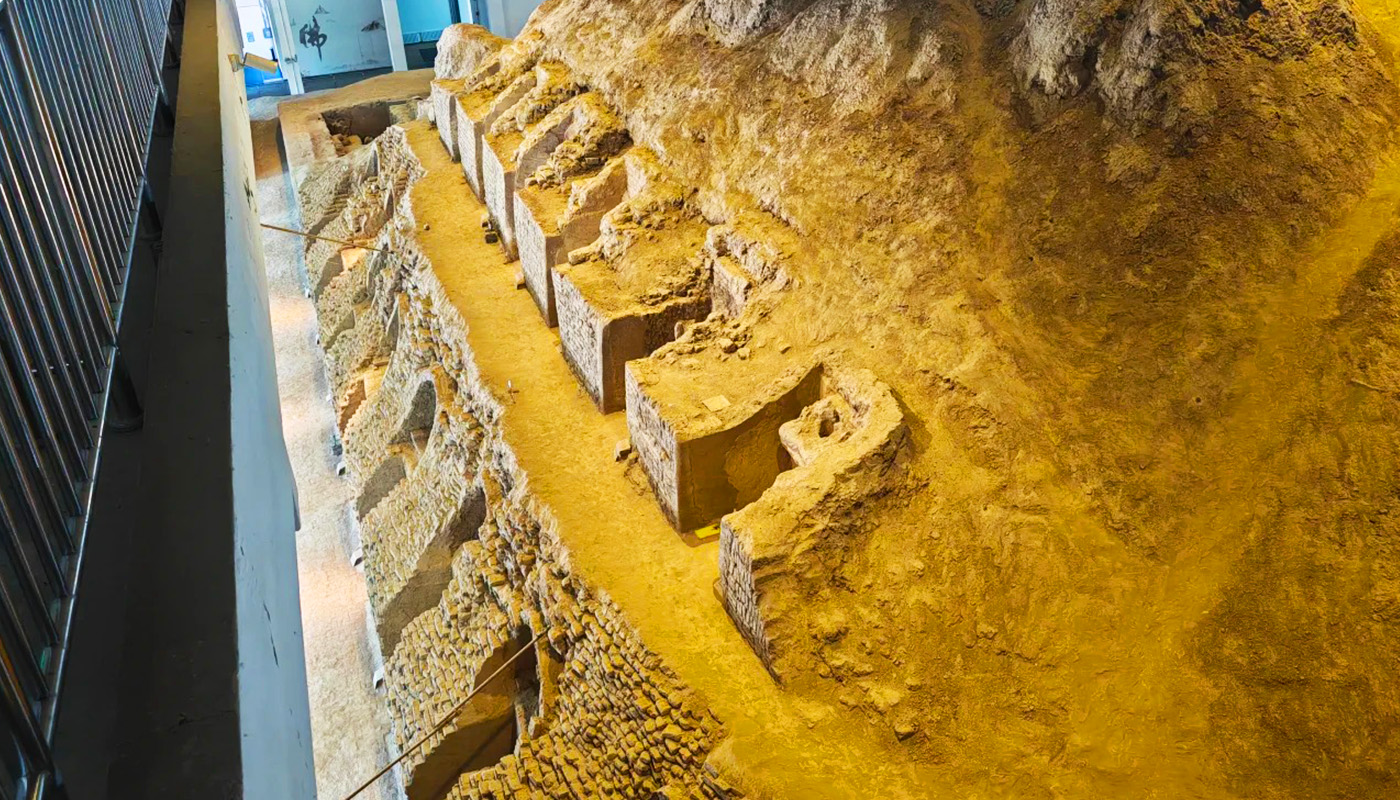
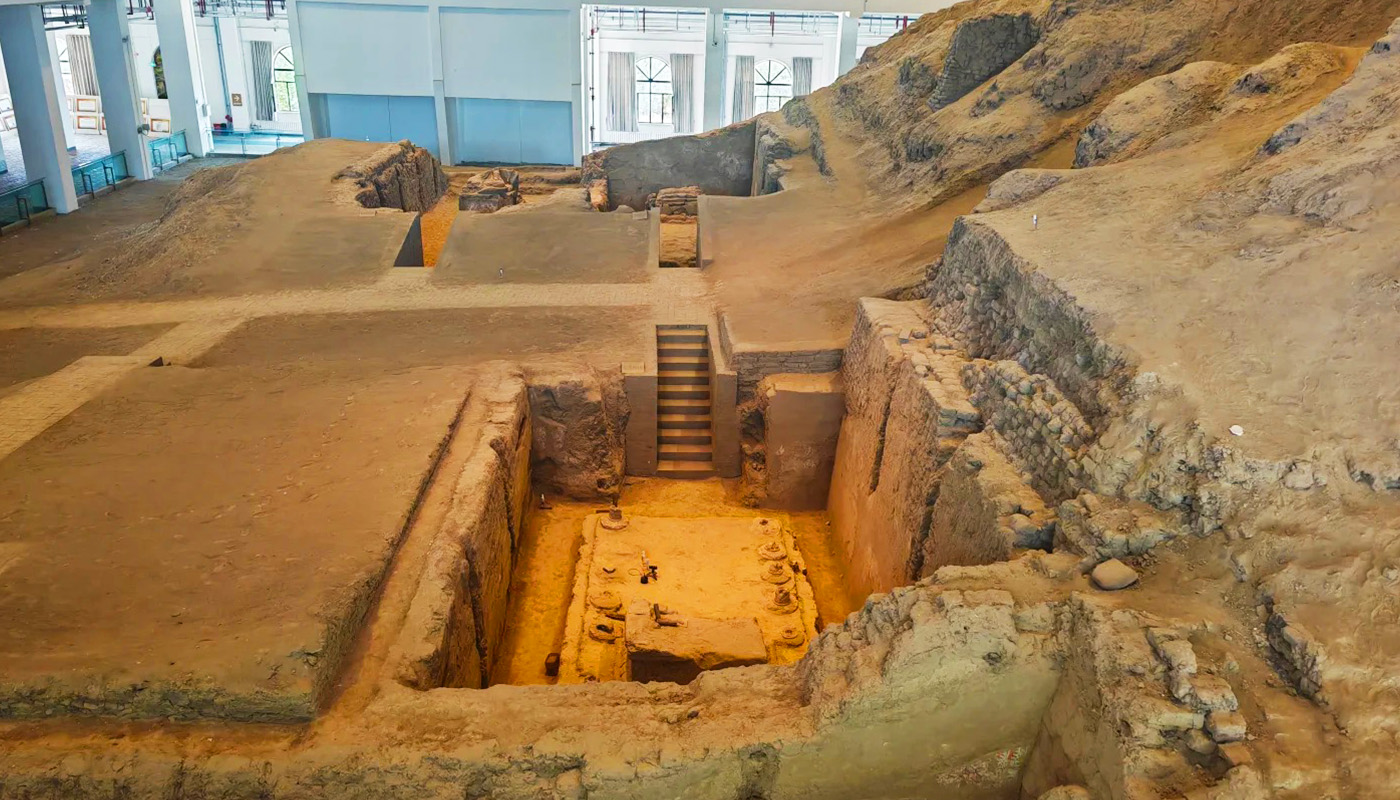
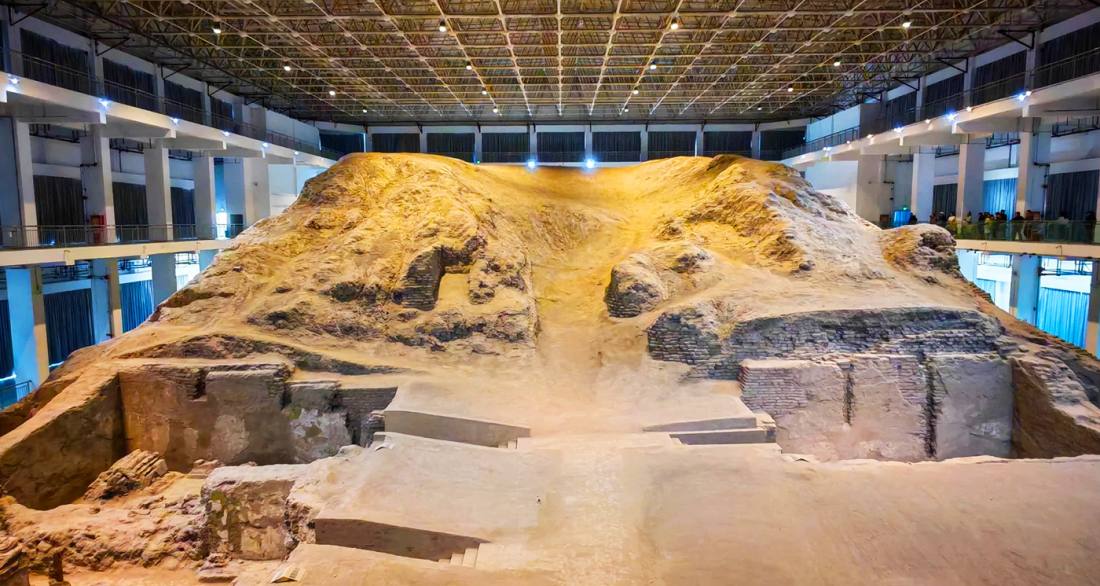
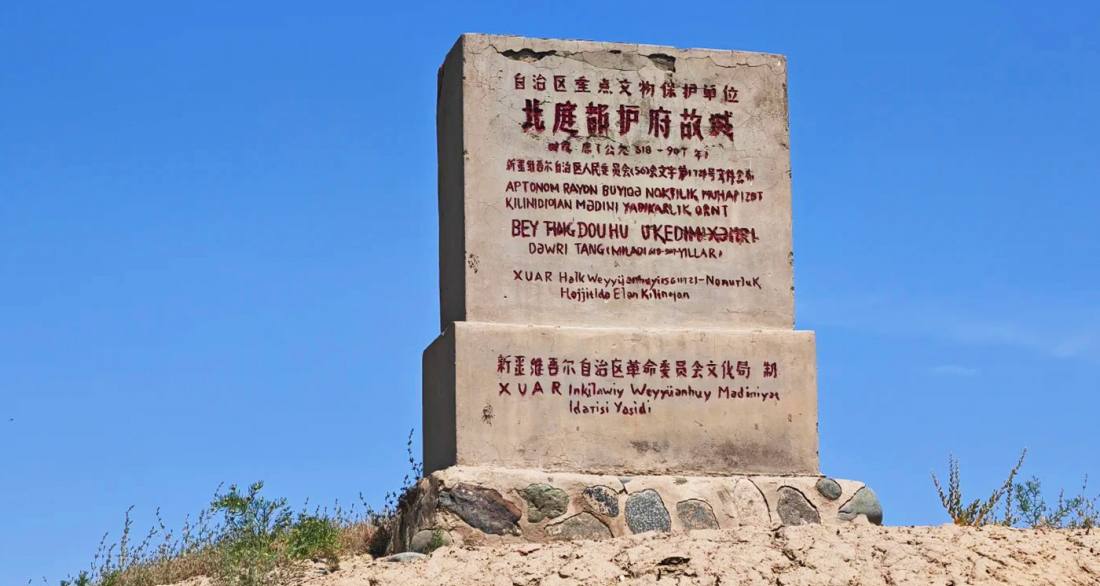
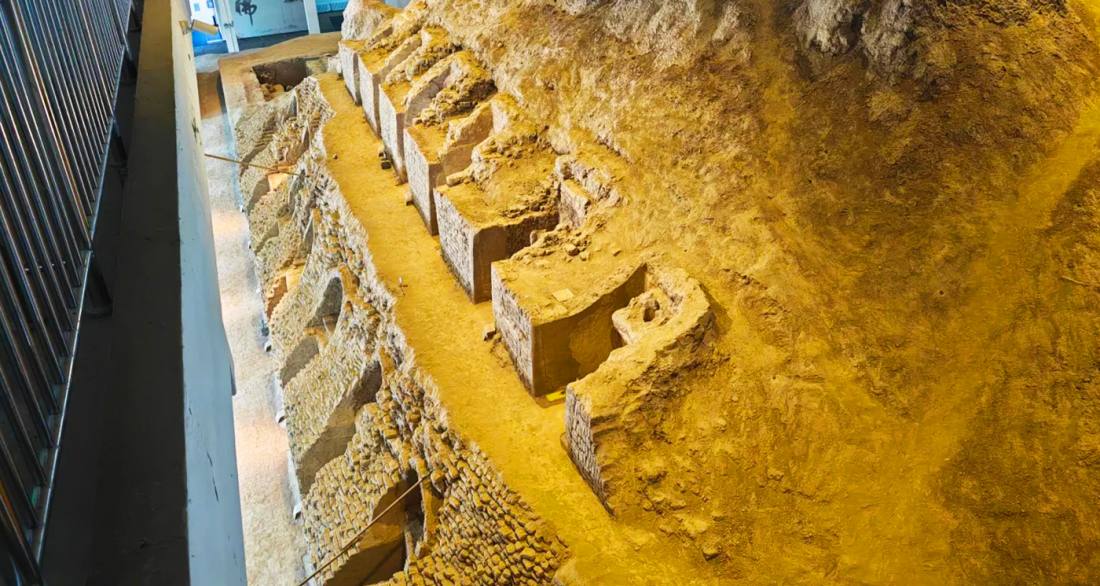
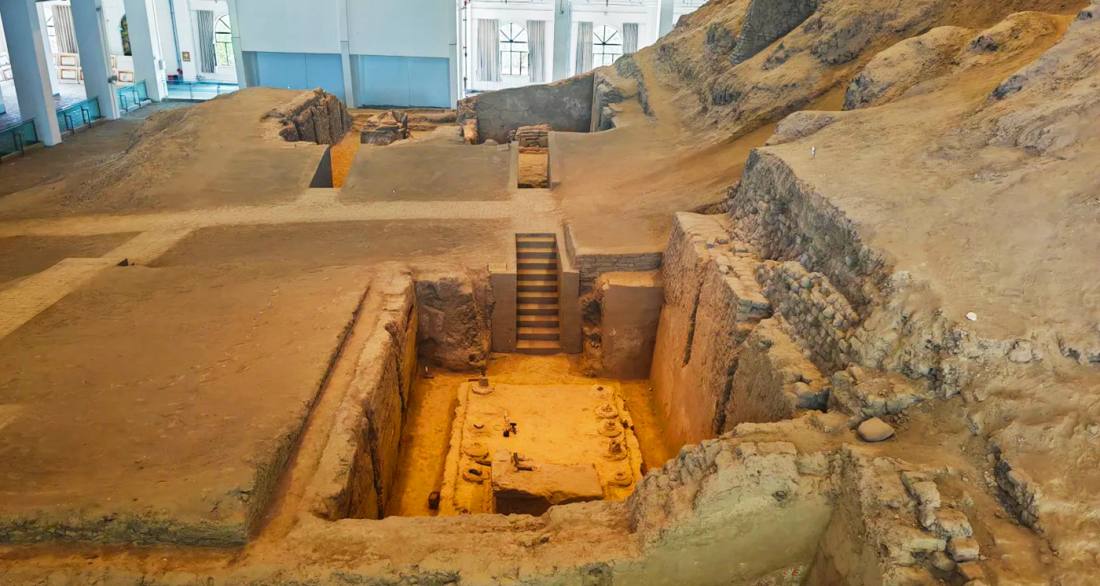
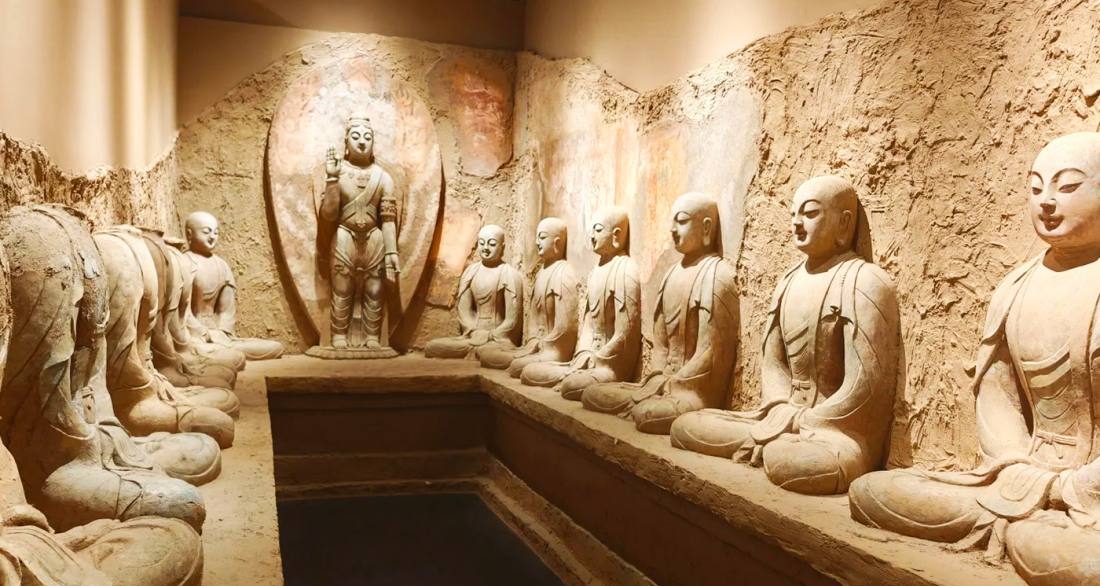
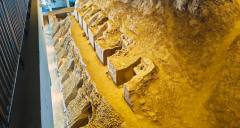
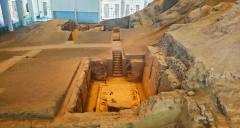
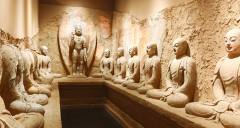
北庭故城遺址位於新疆吉木薩爾縣,是唐代北庭大都護府治所和絲綢之路上重要的軍政中心。遺址以「回」字形內外雙重城結構為特色,是現存天山北麓規模最大、保存最完整的唐代古城遺蹟。2014年,它作為「絲綢之路:長安—天山廊道的路網」的關鍵組成部分被列入《世界遺產名錄》。如今的遺址內仍可見城牆、城門、馬面、護城河等遺蹟,並設有遺址博物館,系統展示著自漢代至元明時期該區域作為中原王朝經營西域核心樞紐的歷史。這裡不僅是研究古代西域治理、軍事防禦和東西文化交流的珍貴實物見證,也是新疆多元文化交融與國家認同的重要歷史地標。
The Beiting Ancient City Ruins, located in Jimsar County, Xinjiang, served as the administrative seat of the Tang Dynasty's Beiting Protectorate and a crucial military-political hub along the Silk Road. Characterized by its distinctive "double-walled" concentric city layout, it stands as the largest and most well-preserved Tang-era urban archaeological site on the northern slopes of the Tianshan Mountains. In 2014, it was inscribed on the UNESCO World Heritage List as a key component of the "Silk Roads: the Routes Network of Chang'an-Tianshan Corridor." Today, visitors can explore remains such as city walls, gates, defensive platforms ("mamian"), and moats, while the on-site museum systematically presents the region's history from the Han to Yuan-Ming periods as a central hub for the Central Plains dynasties' governance of the Western Regions. The site serves not only as a priceless physical testament to ancient frontier administration, military defense, and East-West cultural exchange but also as a significant historical landmark reflecting Xinjiang's multicultural integration and national identity.