
| 产品 | 提前预定时间 | 取消政策 | 原价 | 优惠价 | ||
|---|---|---|---|---|---|---|
| 产品 | 提前预定时间 | 取消政策 | 原价 | 优惠价 | ||
|---|---|---|---|---|---|---|
前往七個星佛寺遺址參觀,請注意以下預訂須知和參觀注意事項。關於預訂,該遺址為全國重點文物保護單位,對公眾免費開放,目前通常無需提前預約購票。但為獲得最佳參觀體驗並了解最新開放動態(如臨時閉館維護等),建議出行前通過官方渠道(如「新疆是個好地方」等文旅平台)或當地文博單位電話進行核實確認。關於參觀注意事項,請您務必留意:遺址為露天土遺址,結構脆弱,嚴禁攀爬、刻畫、踩踏任何建築遺跡和牆體,所有文物(包括殘磚斷瓦)均不可移動或帶走。請沿指定參觀路線行走,請勿進入未開放或設有圍欄的區域。遺址地處戈壁邊緣,夏季日照強烈、冬季寒冷多風,請根據季節做好充分防曬(帽子、墨鏡、防曬霜)或防寒準備,並攜帶足夠的飲用水。遺址內公共服務設施有限,建議提前做好如廁準備。請保持安靜,尊重歷史遺跡的莊嚴氛圍,不喧嘩打鬧。若帶兒童同行,請務必全程看護,避免其觸碰文物。作為重要的文化遺產地,請自覺維護環境,將垃圾帶離。
Before visiting the Qigeixing Buddhist Temple Ruins, please note the following booking guidelines and visit precautions. Regarding reservations, the site is a National Key Cultural Relics Protection Unit and is open to the public free of charge. Advance booking or ticket purchase is typically not required at present. However, to ensure the best visiting experience and stay informed about the latest opening status (such as temporary closures for maintenance), it is recommended to verify the current situation through official channels (such as cultural and tourism platforms like "Xinjiang is a Good Place") or by contacting local cultural and museum authorities before your trip. Regarding visit precautions, please pay close attention to the following: The site consists of exposed earthen ruins with fragile structures. Climbing, carving, or stepping on any architectural remains or walls is strictly prohibited. All cultural relics (including broken bricks and tiles) must not be moved or taken away. Please walk only along designated visiting routes and do not enter unopened or fenced-off areas. The ruins are located on the edge of the Gobi Desert, with intense sunlight in summer and cold, windy conditions in winter. Please prepare adequately for sun protection (hat, sunglasses, sunscreen) or cold protection according to the season, and carry sufficient drinking water. Public service facilities at the site are limited, so it is advisable to plan accordingly for restroom needs. Please maintain quietness and respect the solemn atmosphere of the historical site; avoid making loud noises or causing disturbances. If accompanied by children, supervise them closely at all times to prevent them from touching the relics. As an important cultural heritage site, please consciously protect the environment by taking all trash with you.
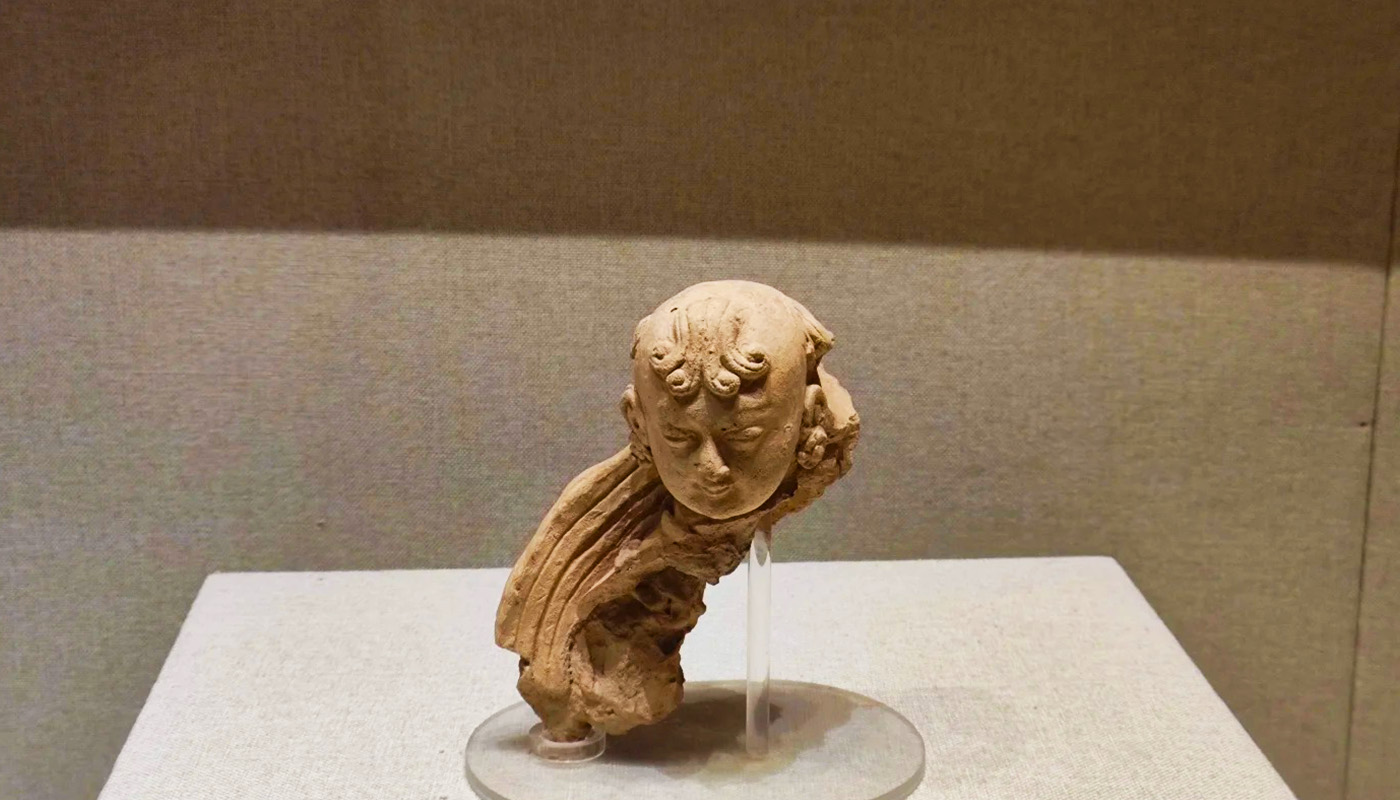
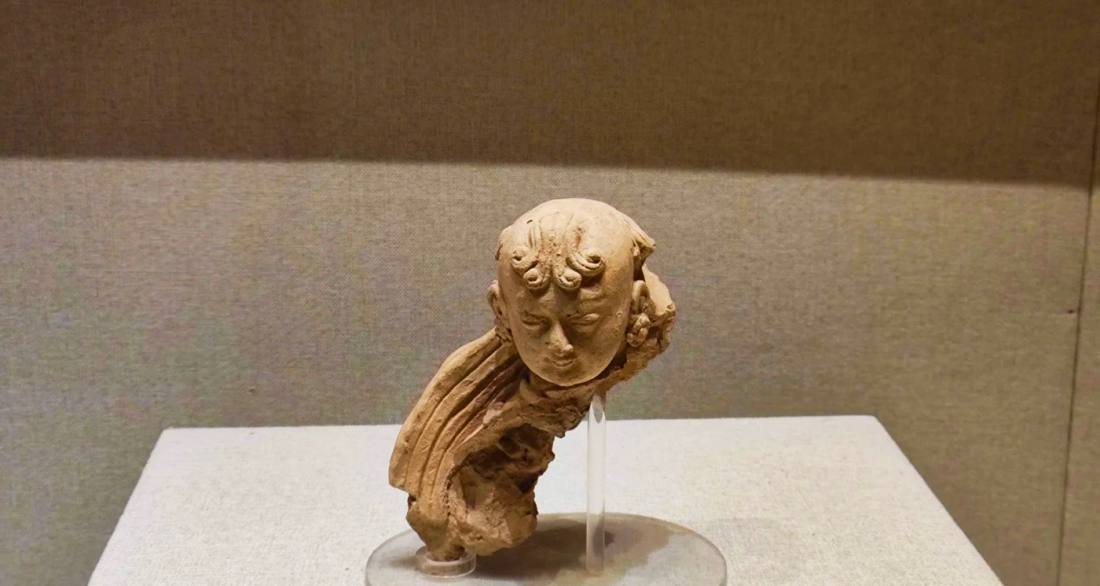
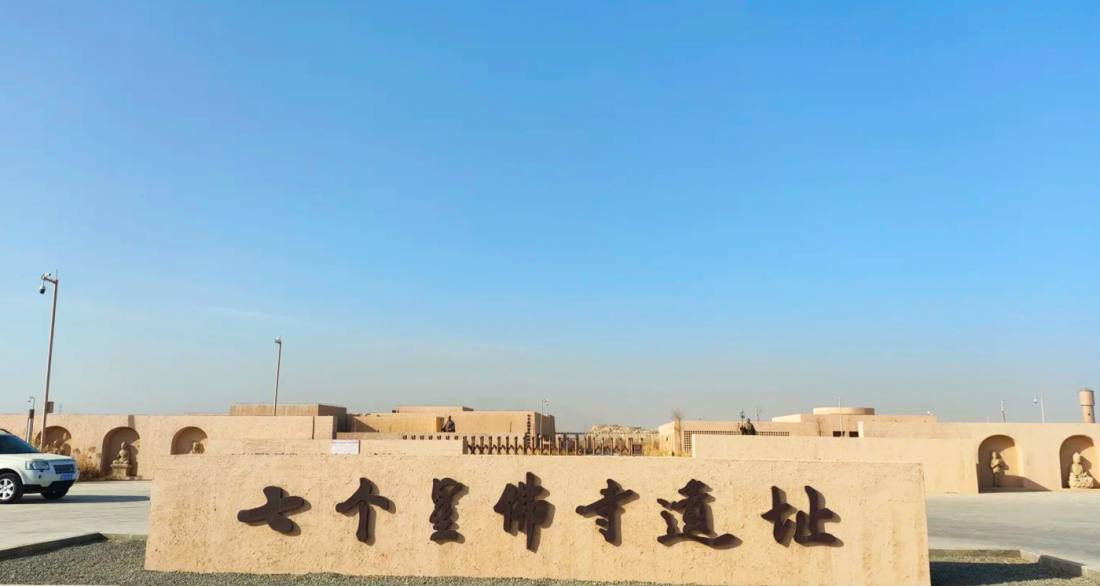
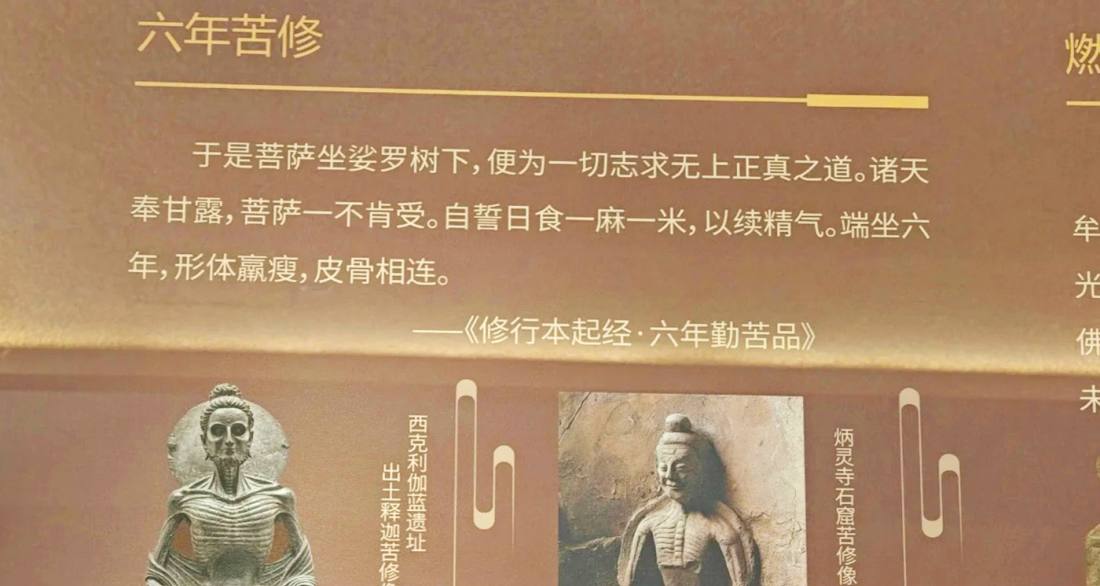
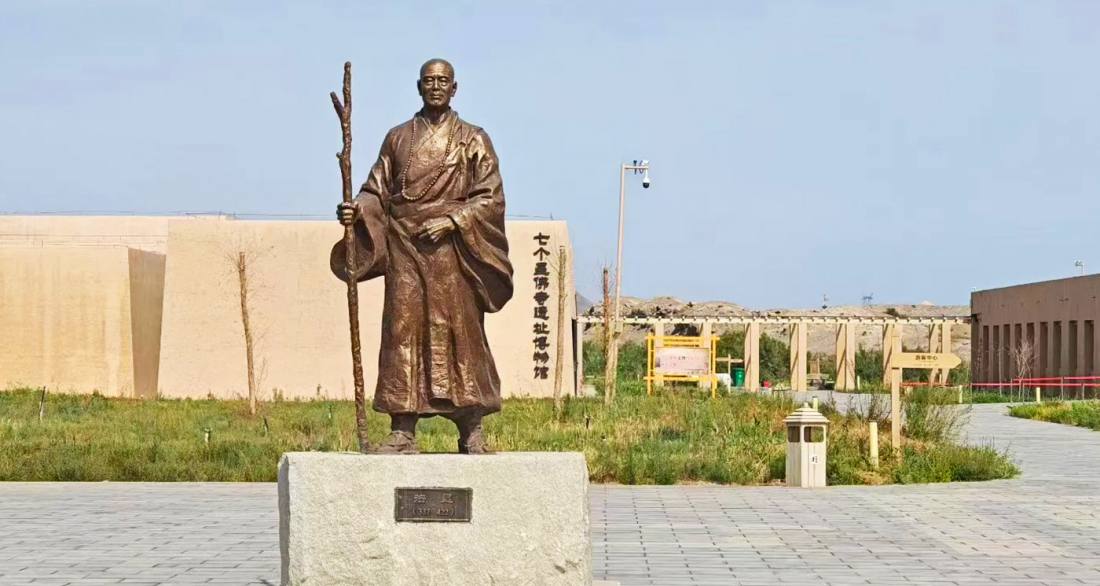
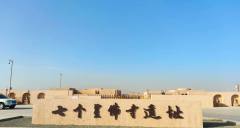
七個星佛寺遺址位於新疆巴音郭楞蒙古自治州焉耆回族自治縣七個星鎮西南的霍拉山前坡地,是新疆現存規模最大、保存相對完好的晉唐時期佛教遺址。它始建於公元3-4世紀,延續至公元9世紀,其最顯著的特點是罕見地結合了地面寺院建築群與石窟寺,在新疆佛教遺址中獨樹一幟。遺址核心區現存93處地面建築遺跡(包括佛塔、殿堂、僧房等)和12座洞窟,曾出土包括著名的吐火羅文《彌勒會見記》劇本、精美壁畫殘片、泥塑佛像等珍貴文物,見證了古焉耆國(焉耆)作為絲綢之路北道重要樞紐的佛教盛況與多元文化交融。如今,這片歷經滄桑的土黃色遺跡在戈壁與綠洲的交界處靜默矗立,向世人展示著昔日的宏大格局與歷史厚重感,是研究絲綢之路佛教藝術、建築史與東西方文化交流的珍貴實物資料,也是了解新疆古代歷史不可錯過的重要文化地標。
The Qigeixing Buddhist Temple Ruins are located on the piedmont slopes of the Huola Mountain, southwest of Qigeixing Town in Yanqi Hui Autonomous County, Bayingolin Mongol Autonomous Prefecture, Xinjiang. They represent the largest and relatively well-preserved Buddhist site from the Jin to Tang Dynasties period still existing in Xinjiang. Constructed from the 3rd-4th centuries AD and lasting until the 9th century AD, its most distinctive feature is the rare combination of above-ground monastic architectural complexes and cave temples, making it unique among Buddhist sites in Xinjiang. The core area of the ruins preserves 93 above-ground architectural remains (including stupas, halls, monks' quarters, etc.) and 12 caves. It has yielded precious artifacts such as the famous Tocharian manuscript of the Maitreyasamiti-Nāṭaka (The Meeting of Maitreya), exquisite mural fragments, and clay Buddha statues, bearing witness to the flourishing state of Buddhism and the confluence of diverse cultures in the ancient Yanqi Kingdom (Karashahr), a vital hub on the northern route of the Silk Road. Today, these weathered, earth-toned ruins stand silently at the boundary between the Gobi Desert and the oasis, revealing their former grand scale and historical profundity to the world. They serve as invaluable physical evidence for studying Silk Road Buddhist art, architectural history, and East-West cultural exchange, and constitute an essential cultural landmark for understanding ancient Xinjiang history.