



| 产品 | 提前预定时间 | 取消政策 | 原价 | 优惠价 | ||
|---|---|---|---|---|---|---|
| 产品 | 提前预定时间 | 取消政策 | 原价 | 优惠价 | ||
|---|---|---|---|---|---|---|
塔克拉瑪干沙漠並非傳統旅遊景區,而是一個自然環境極端、風險極高的特殊目的地,其「預定」概念不適用於常規的旅行社或景點門票。任何深入沙漠的計畫均屬於探險活動,必須透過具備合法資質和專業保障的探險公司進行。注意事項:極端溫差(晝夜溫差可達40℃以上)、強烈紫外線、沙暴和迷路是主要風險。必須由經驗豐富的嚮導帶領,使用專業越野車並配備衛星電話、GPS、充足的水和食物補給。嚴禁單人進入沙漠腹地。普通遊客建議透過合法開發的邊緣景區(如羅布人村寨、N39°基地)體驗,並嚴格遵循安全標識。進入前需向當地公安或文旅部門報備行程,購買涵蓋野外救援的高額專項保險。保護環境,所有垃圾必須全部帶出沙漠。
The Taklamakan Desert is not a traditional tourist destination but an extreme and high-risk natural environment. The concept of "booking" does not apply here as it would for常规 tours or attraction tickets. Any plan to venture deep into the desert is considered an expedition and must be arranged through licensed and professionally equipped adventure companies. Key precautions: Extreme temperature variations (day-night differences can exceed 40°C), intense UV radiation, sandstorms, and the risk of getting lost are the primary dangers. Trips must be led by experienced guides using specialized off-road vehicles equipped with satellite phones, GPS, and sufficient water and food supplies. Solo travel into the desert’s interior is strictly prohibited. General tourists are advised to experience the desert through legally developed peripheral sites (such as Lop Nur Village or the N39° Adventure Base) and strictly adhere to safety signs. Before entry, itineraries must be reported to local public security or cultural and tourism departments, and specialized high-coverage insurance that includes wilderness rescue must be purchased. Protect the environment—all trash must be carried out of the desert.
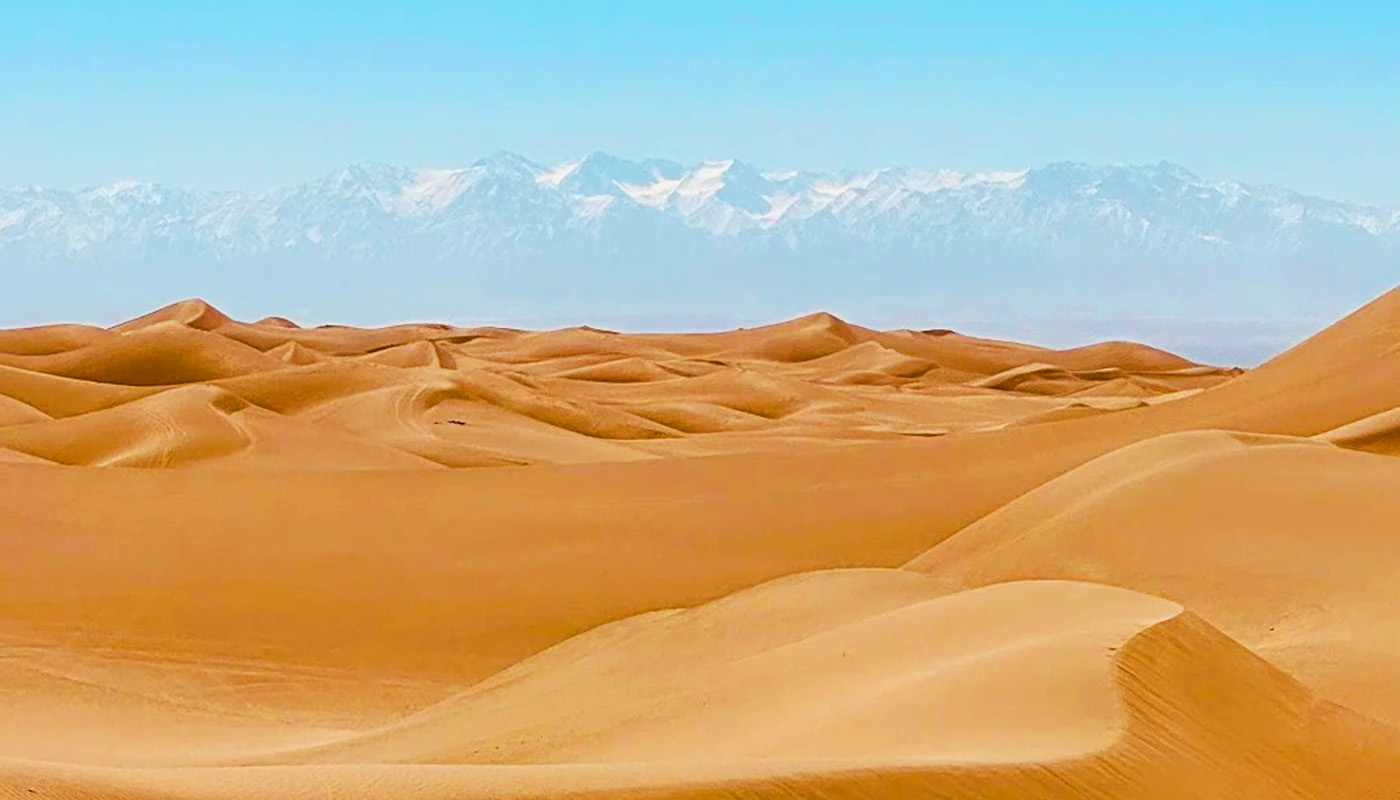
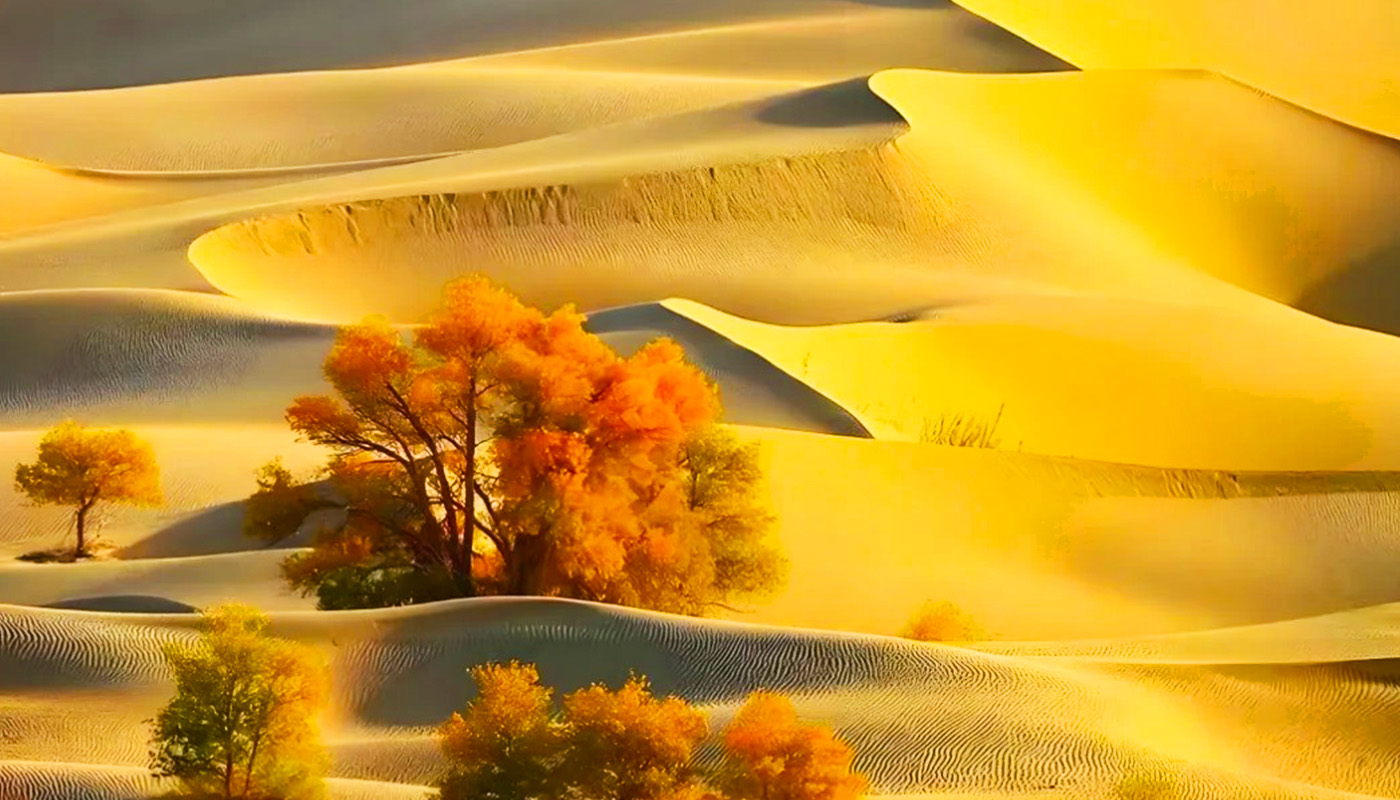
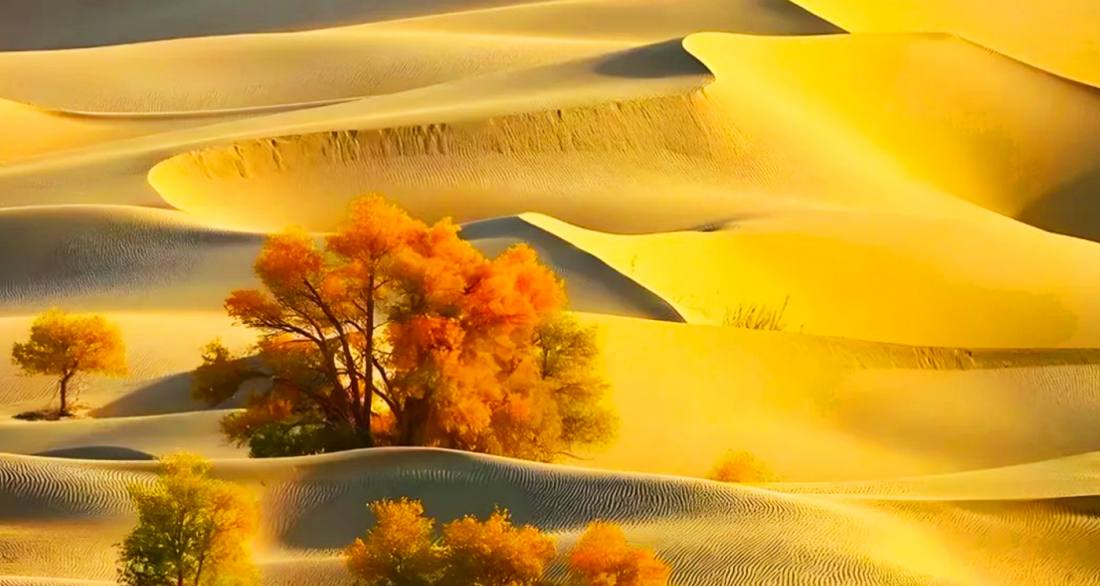
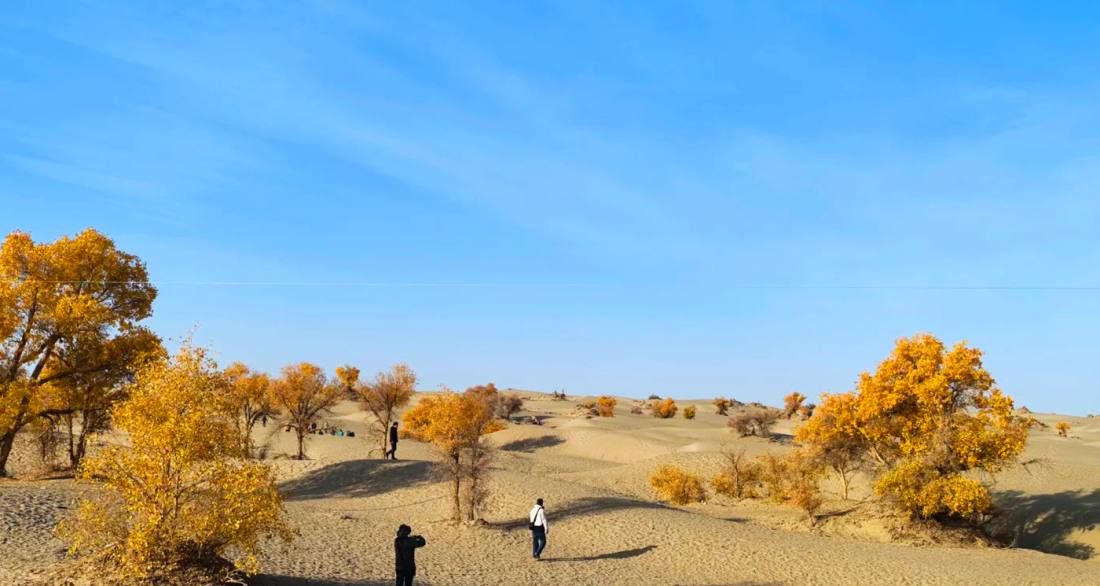
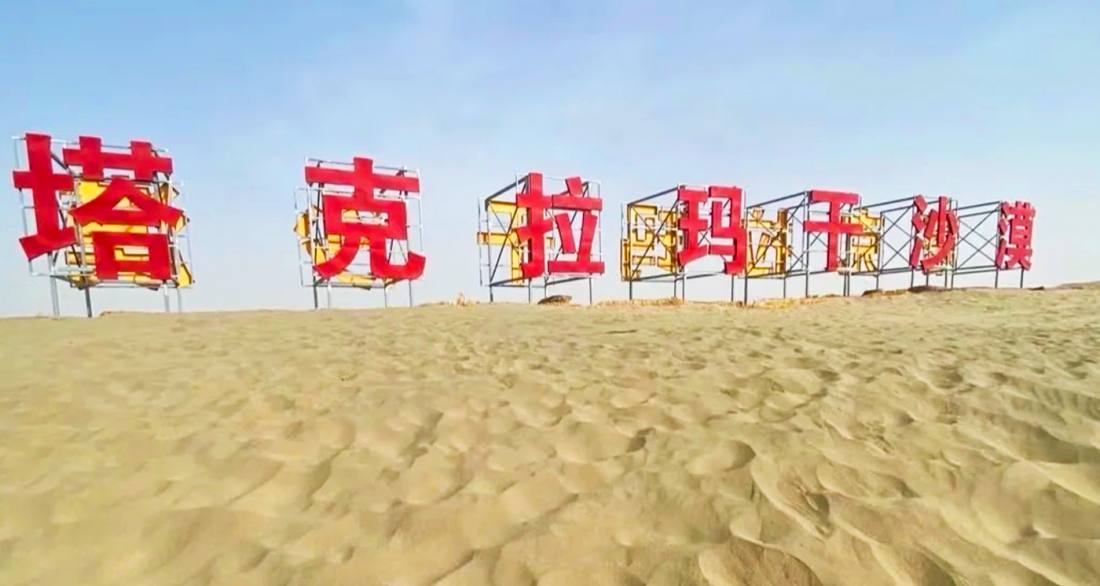
塔克拉瑪干沙漠位於中國新疆塔里木盆地中心,面積約33萬平方公里,是世界第二大流動沙漠,也是中國最大的沙漠。維吾爾語中「塔克拉瑪干」意為「進去出不來」,因此它常被稱為「死亡之海」。沙漠以極端乾旱氣候、複雜多變的巨型沙丘(包括新月形沙丘、金字塔形沙丘等)和劇烈晝夜溫差著稱。歷史上,絲綢之路的南、中兩道曾穿越此地,留下樓蘭、尼雅等古城遺址,使其成為自然與人文交織的神秘之地。現代探險者可透過沙漠公路(如輪台-民豐公路)穿越,沿途可見胡楊、檉柳等耐旱植物,以及偶爾出沒的野駱駝。這裡是極限越野、沙漠攝影和絲路文明探索的終極目的地,但必須由專業嚮導帶領並做好萬全準備。
The Taklamakan Desert is situated in the center of the Tarim Basin in Xinjiang, China, covering an area of approximately 330,000 square kilometers. It is the world’s second-largest shifting sand desert and the largest desert in China. In the Uyghur language, “Taklamakan” means “the place of no return,” earning it the nickname “the Sea of Death.” The desert is known for its extremely arid climate, complex and vast sand dunes (including crescent-shaped dunes, pyramid dunes, and more), and drastic temperature variations between day and night. Historically, the southern and central routes of the Silk Road traversed this region, leaving behind ancient city ruins such as Loulan and Niya, making it a mysterious land where nature and human history intertwine. Modern adventurers can cross the desert via highways (e.g., the Luntai–Minfeng Desert Highway), where drought-resistant plants like poplars and tamarisks, as well as occasional wild camels, can be spotted. It is the ultimate destination for extreme off-roading, desert photography, and exploring Silk Road civilization, though it requires professional guidance and thorough preparation.