
| 产品 | 提前预定时间 | 取消政策 | 原价 | 优惠价 | ||
|---|---|---|---|---|---|---|
| 产品 | 提前预定时间 | 取消政策 | 原价 | 优惠价 | ||
|---|---|---|---|---|---|---|
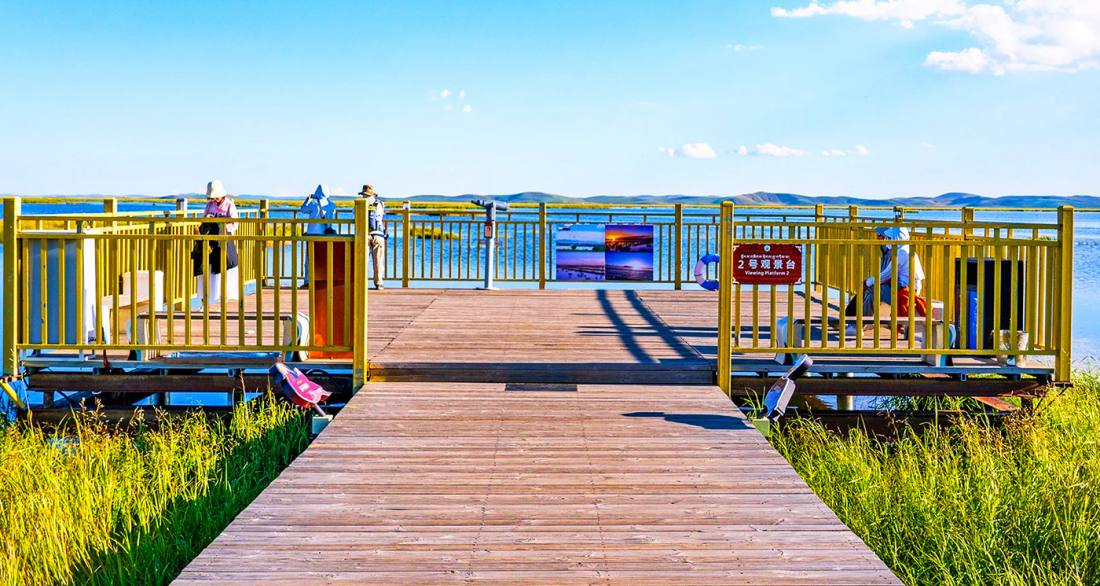
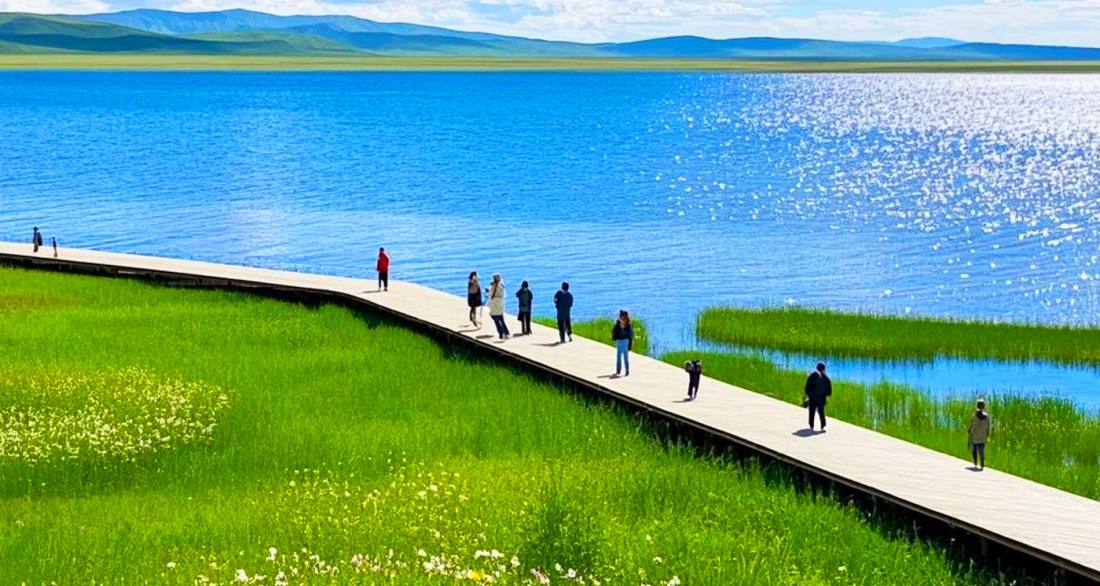
遊覽花湖前建議通過景區官方平台或主流旅行APP提前預訂門票,尤其在5-10月旺季期間,購票後需憑電子二維碼或身份證在遊客中心換取實體票。進入景區需搭乘指定觀光車前往核心湖區。請嚴格沿木棧道行走,切勿進入濕地保護區踩踏植被或驚擾水鳥;高原地區紫外線強烈且天氣多變,需準備防曬霜、墨鏡、帽子及防風保暖衣物;湖區海拔約3468米,應避免劇烈運動以防高原反應。請帶走所有垃圾,共同維護濕地生態環境。
Before visiting Flower Lake, it is recommended to book tickets in advance through the scenic area’s official platform or mainstream travel apps, especially during the peak season from May to October. After purchase, you must exchange your electronic QR code or ID card for a physical ticket at the visitor center. Access to the core lake area requires taking the designated sightseeing shuttle. Please strictly follow the wooden boardwalks and do not enter wetland protected areas to trample vegetation or disturb waterfowl. The plateau region has intense ultraviolet radiation and changeable weather, so be prepared with sunscreen, sunglasses, hats, and windproof warm clothing. The lake area is at an altitude of approximately 3,468 meters; avoid strenuous activities to prevent altitude sickness. Please take all trash with you to help maintain the wetland’s ecological environment.
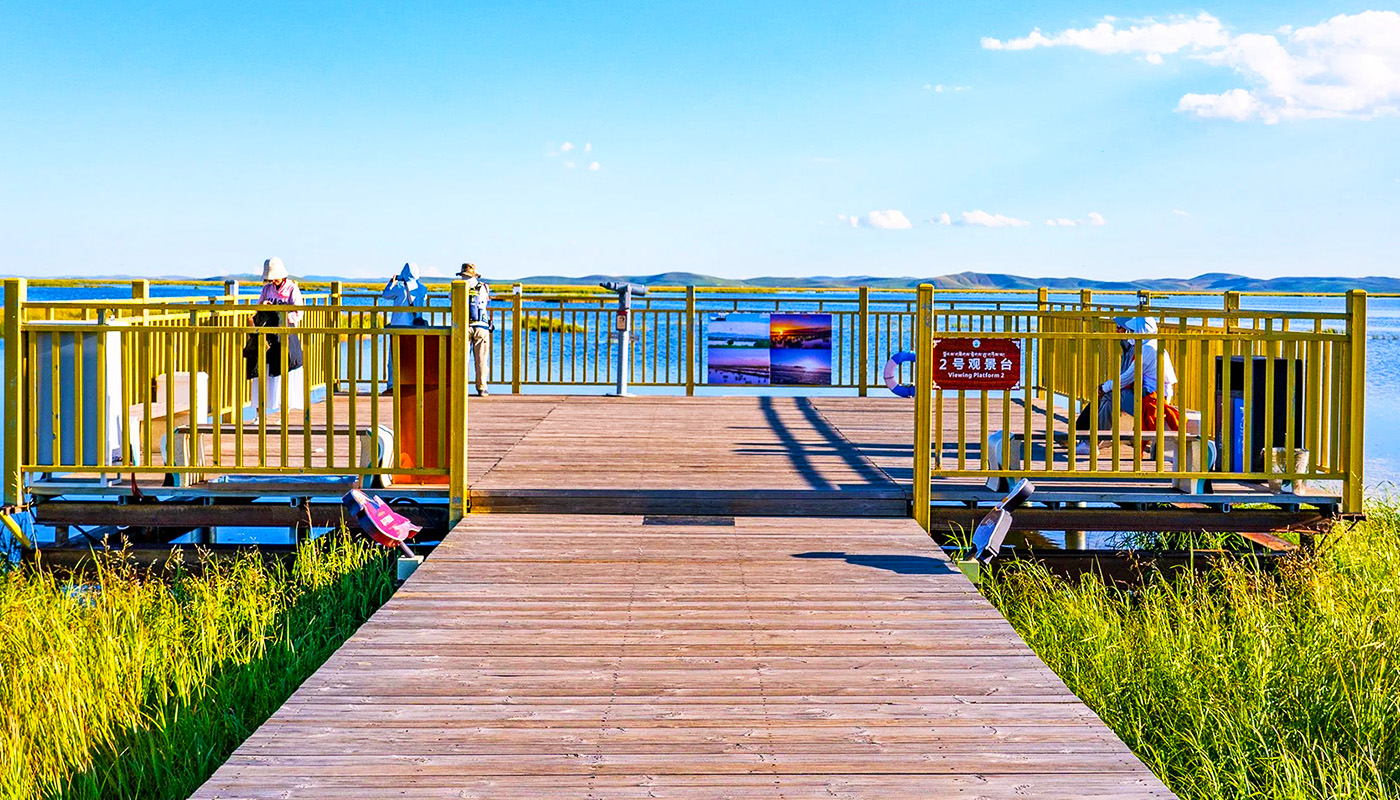
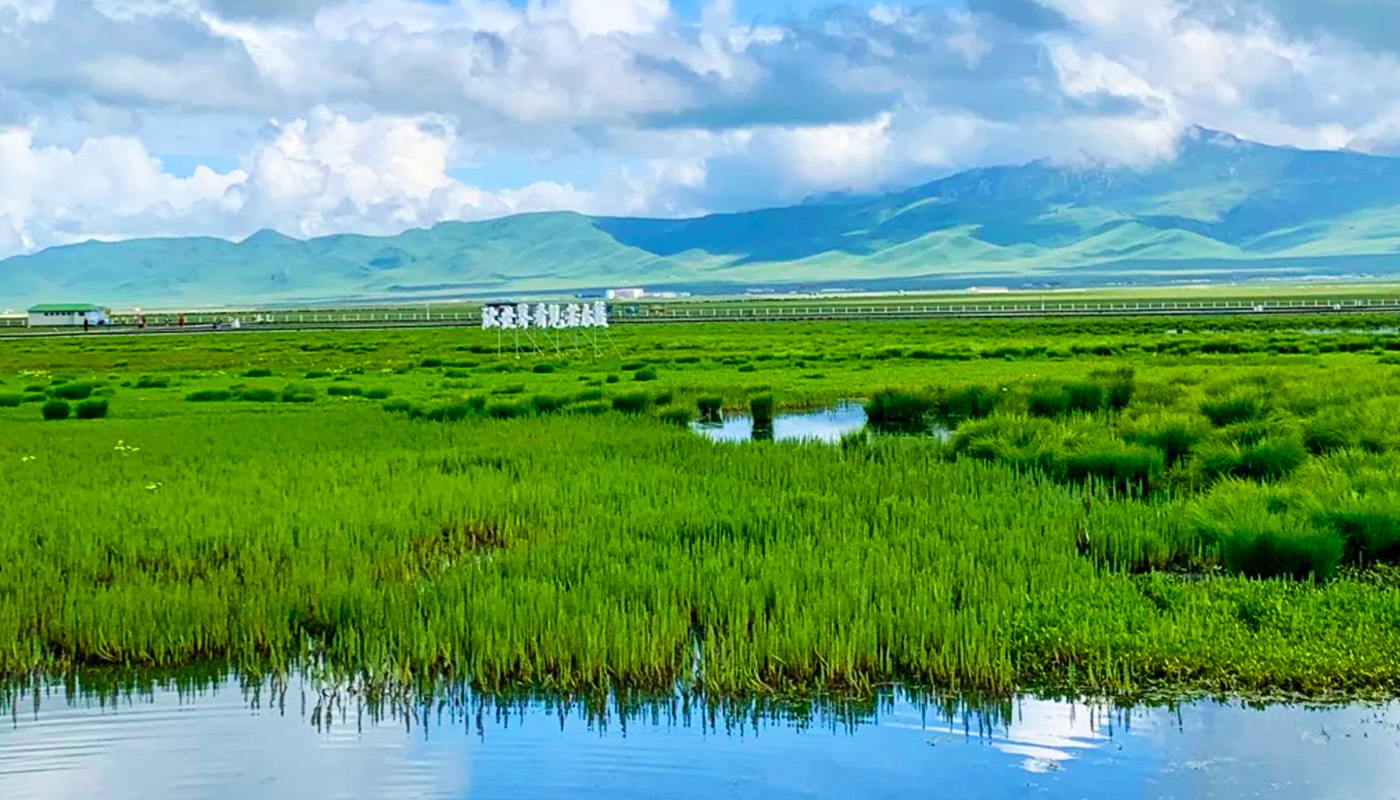
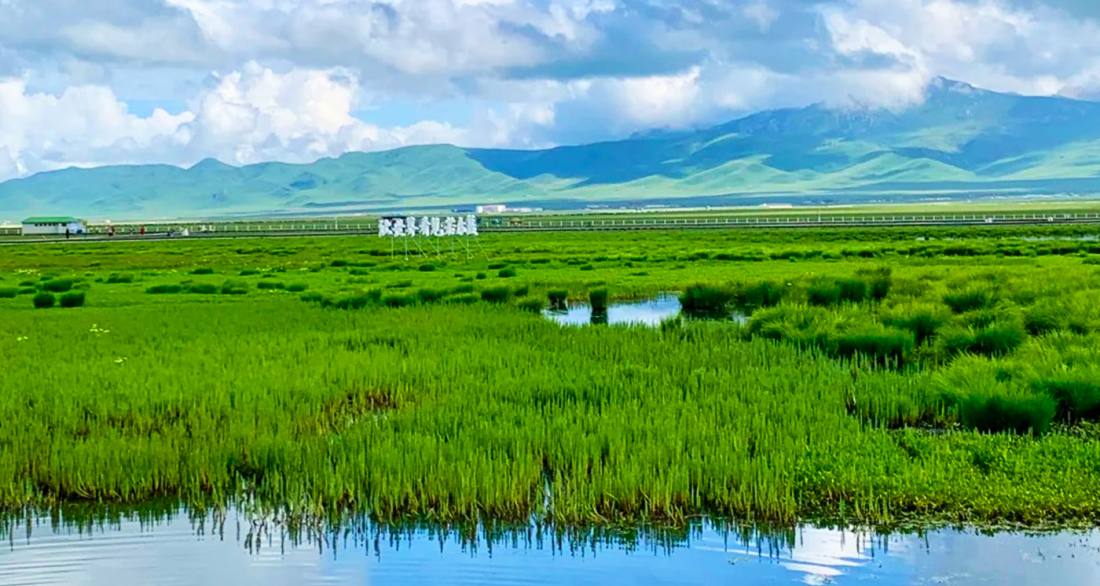
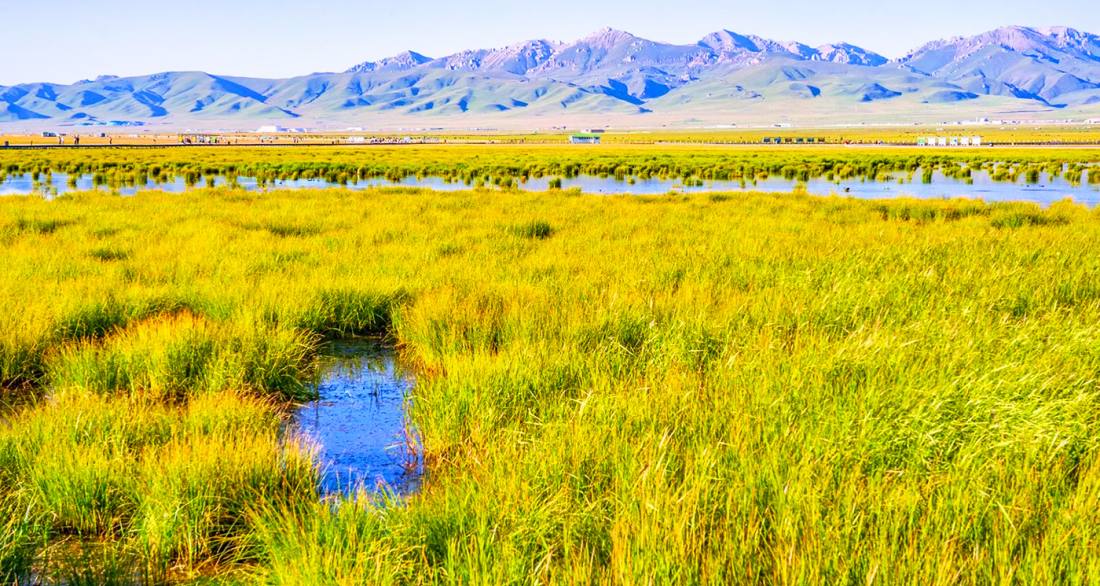
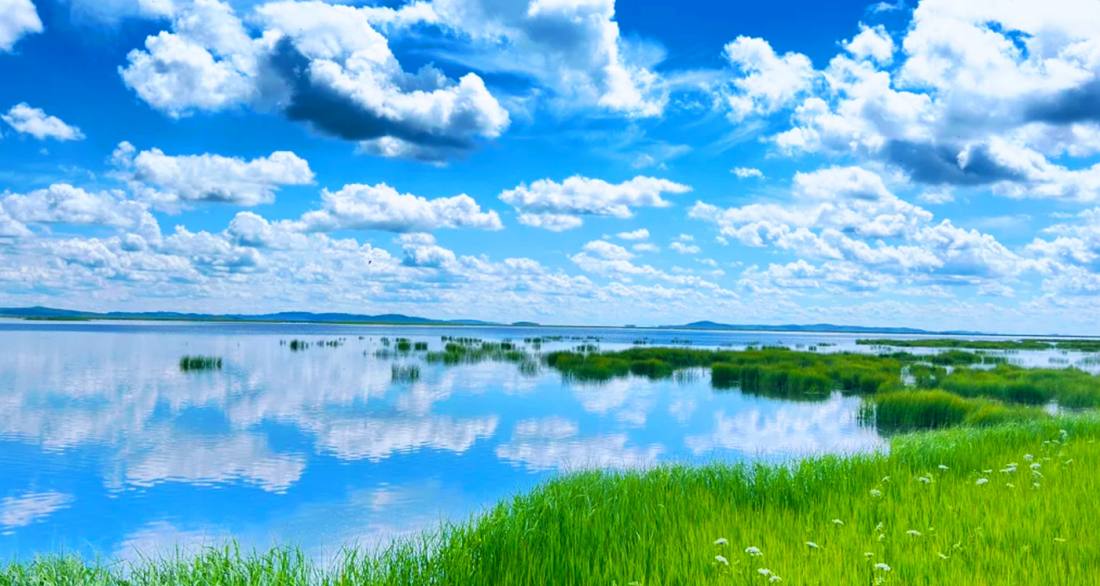
花湖是位於四川省阿壩藏族羌族自治州若爾蓋縣北部熱爾大壩草原上的一個天然海子,平均海拔約三千四百三十米。作為若爾蓋濕地國家級自然保護區的重要組成部分,它是世界上面積最大、分佈最集中、保存較完好的高原泥炭沼澤之一,被譽為「地球之腎」,對黃河水源涵養起著至關重要的作用。湖水在陽光下泛出多彩的光澤,每到夏日湖畔便開滿繽紛的野花,形成如夢似幻的景色,這裡同時也是黑頸鶴等珍稀鳥類的重要棲息地。經過生態修復,湖區面積已得到顯著擴大,成為一個集高原濕地生態保護、黃河水源補給和藏族風情體驗於一體的國家4A級旅遊景區。
Flower Lake is a natural alpine lake located on the Re'er Dam Grassland in the northern part of Zoigê County, Ngawa Tibetan and Qiang Autonomous Prefecture, Sichuan Province, with an average altitude of approximately 3,430 meters. As a key component of the Zoigê Wetland National Nature Reserve, it is one of the world's largest, most concentrated, and best-preserved alpine peat marshes, acclaimed as the "Kidney of the Earth" and playing a crucial role in water conservation for the Yellow River. The lake water sparkles with multicolored hues under sunlight, and in summer, its shores become adorned with vibrant wild flowers, creating a dreamlike landscape. It is also an important habitat for rare birds such as the black-necked crane. Through ecological restoration efforts, the lake area has been significantly expanded, making it a National AAAA-level tourist attraction that integrates the protection of alpine wetland ecosystems, water replenishment for the Yellow River, and experiences of Tibetan culture.