
| 产品 | 提前预定时间 | 取消政策 | 原价 | 优惠价 | ||
|---|---|---|---|---|---|---|
| 产品 | 提前预定时间 | 取消政策 | 原价 | 优惠价 | ||
|---|---|---|---|---|---|---|
洛克之路無需預約,因其為開放式公路。建議出發前務必確認天氣與路況,避免在雨季(7-8月)或冬季雪後通行。全程多為非鋪裝碎石路面且彎多坡陡,建議駕駛高底盤四驅車,並備好備胎、拖車繩等應急工具。沿途補給點極少,需提前加滿油並備足食物、飲用水及常用藥品。部分區域海拔超過4000米,請注意預防高原反應。行駛中請尊重當地牧民與牲畜,避讓牦牛群,並將所有垃圾帶走。
The Lock's Road does not require advance booking as it is an open public road. It is crucial to check the weather and road conditions before departure, and avoid driving during the rainy season (July-August) or after winter snow. Most of the route consists of unpaved gravel roads with sharp turns and steep slopes; it is recommended to use a high-clearance four-wheel-drive vehicle and carry emergency tools such as a spare tire and tow rope. There are very few supply points along the way, so ensure your fuel tank is full and bring sufficient food, drinking water, and basic medicine. Some sections exceed 4,000 meters in altitude, so be mindful of altitude sickness. While driving, respect local herders and livestock, yield to yak herds, and take all trash with you.
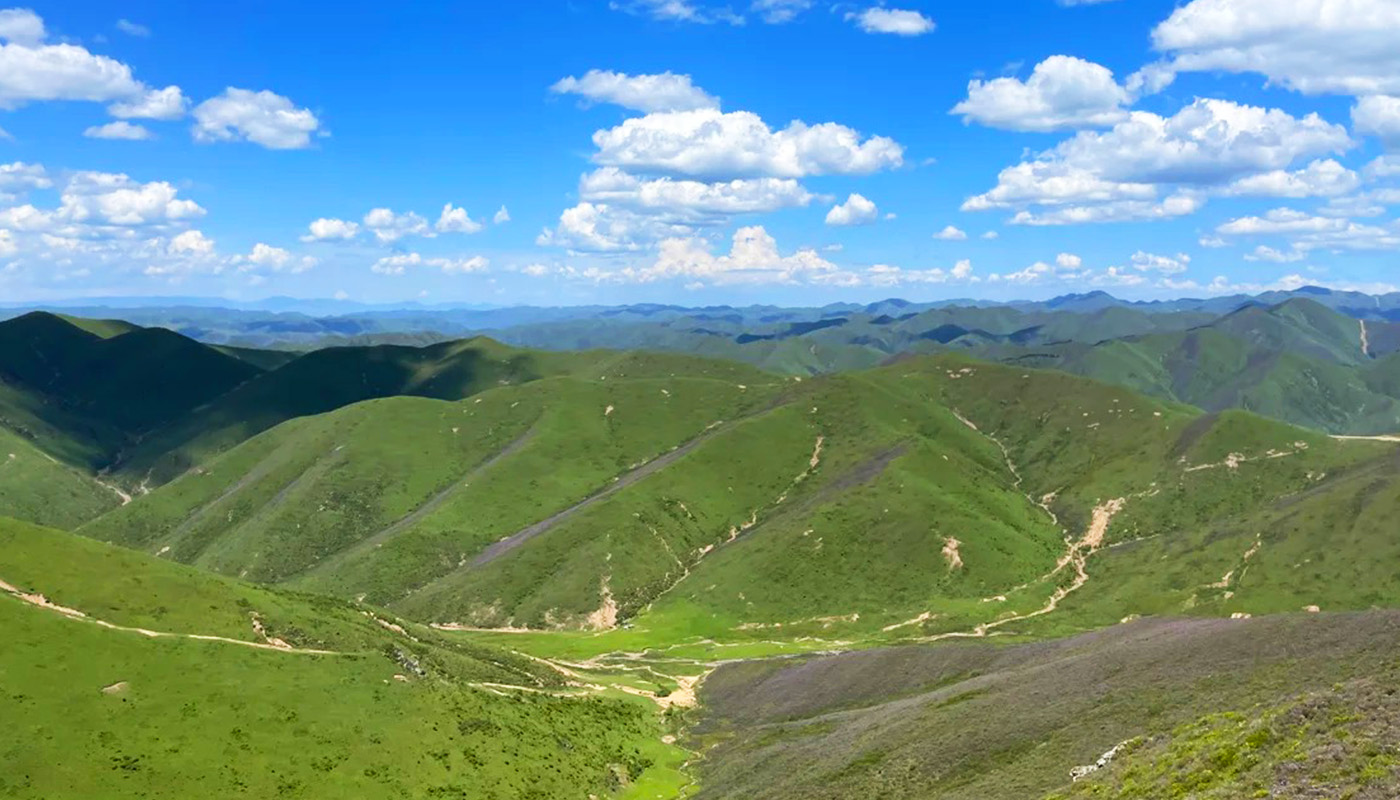
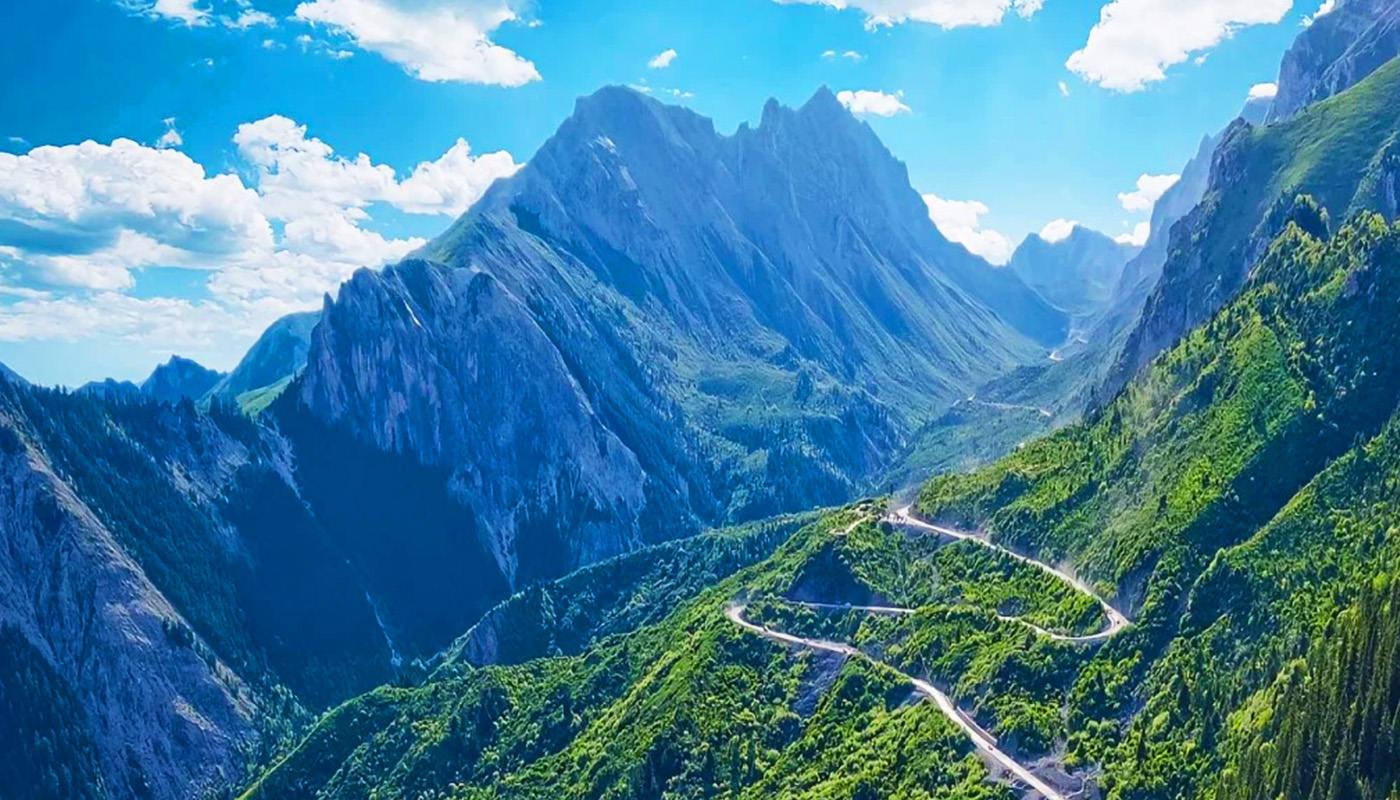
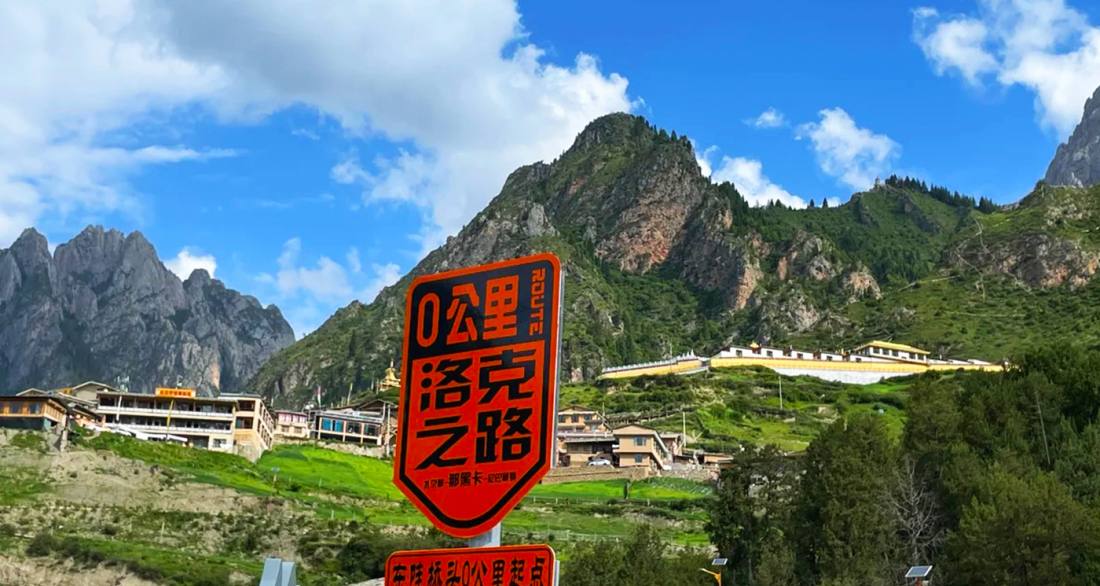
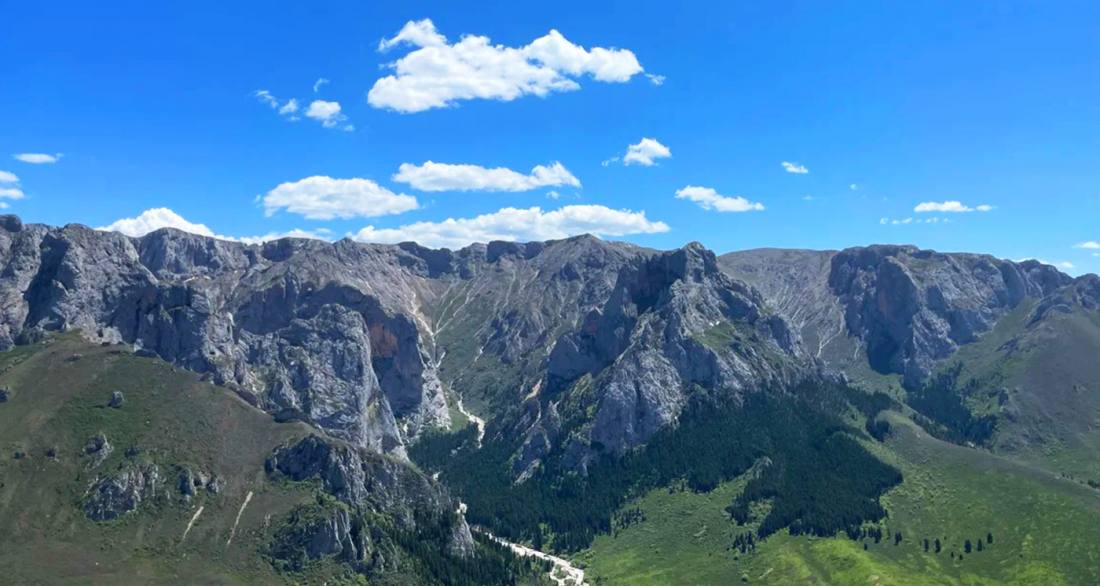
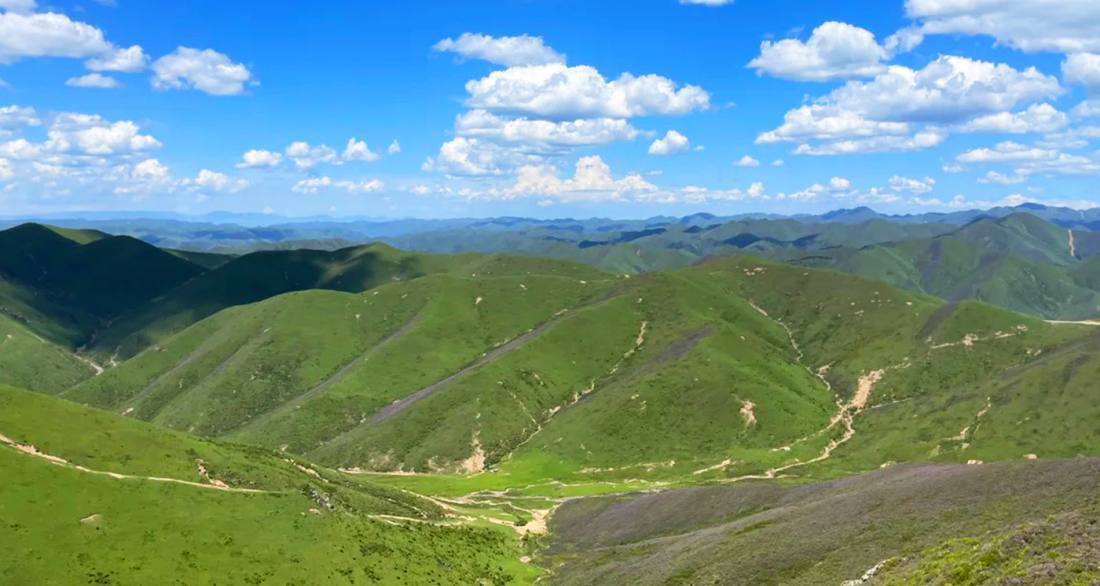
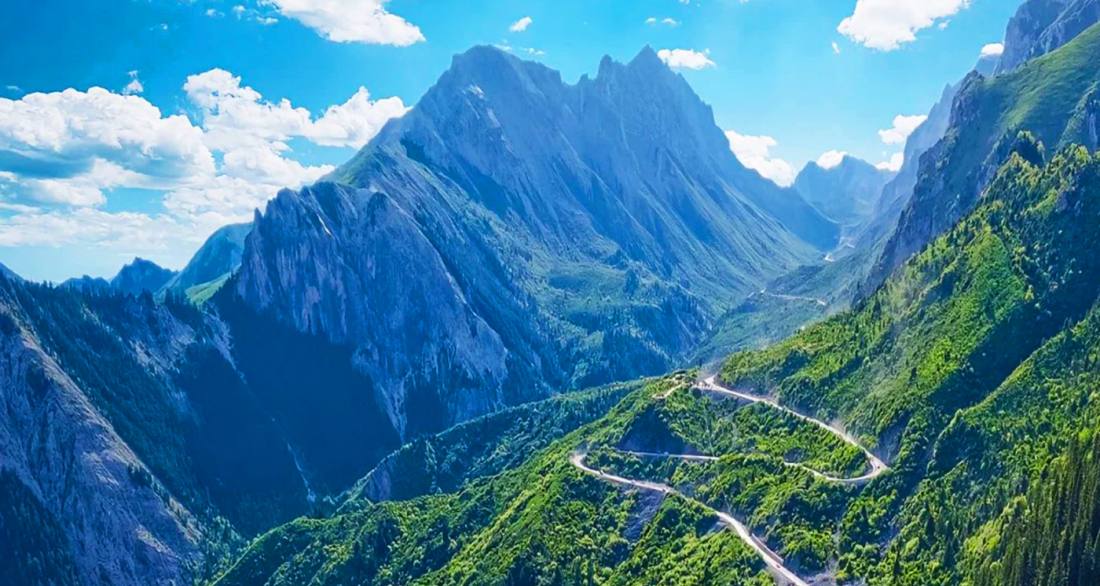
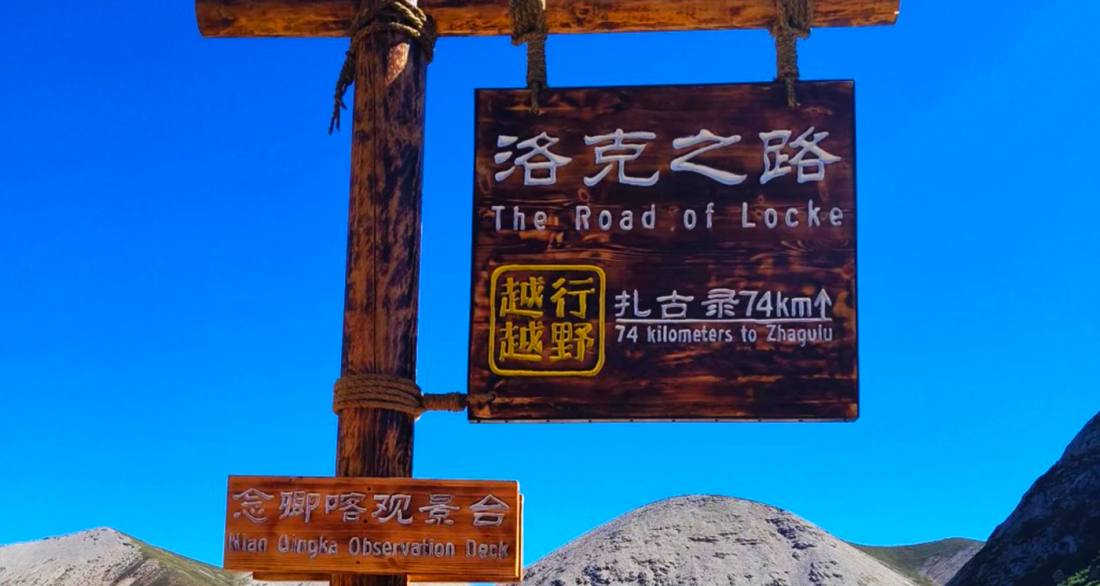
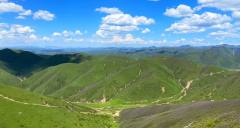
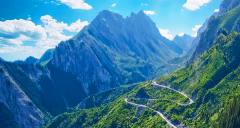
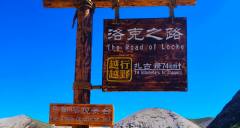
洛克之路是指從甘肅省甘南藏族自治州卓尼縣扎古錄鎮到迭部縣扎尕那景區的一段長約100-120公里的自駕景觀公路,屬國道248線的一部分。這條路線得名於上世紀初美籍奧地利探險家約瑟夫·洛克,他曾在這考察並將其記錄在著作中。道路橫跨秦嶺與岷山的過渡帶,穿越光蓋山、貢巴寺等地,最高點海拔超過4000公尺,沿途集合了雪山、草甸、森林、峽谷、河流與藏族村落等多重景觀,尤其以非鋪裝的原始砂石路段、連續髮夾彎和極致的荒野視野聞名,被自駕愛好者譽為「中國最美一百公里」之一,是一條兼具自然探險與文化深度的經典路線。
The Lock's Road refers to a 100-120 km scenic self-driving route extending from Zhagulu Town in Zhuoni County to the Zagana Scenic Area in Diebu County within the Gannan Tibetan Autonomous Prefecture of Gansu Province, forming part of National Highway 248. This route takes its name from the Austrian-American explorer Joseph Rock, who explored and documented the area in his writings in the early 20th century. Traversing the transitional zone between the Qinling and Min Mountains, it passes landmarks such as Guang Gai Mountain and Gongba Monastery, with its highest point exceeding 4,000 meters above sea level. The journey combines multiple landscapes including snow-capped peaks, meadows, forests, canyons, rivers, and Tibetan villages. Particularly famous for its sections of unpaved gravel roads, continuous hairpin turns, and vast wilderness vistas, it is hailed by self-driving enthusiasts as one of “China's most beautiful 100-kilometer drives,” representing a classic route that blends natural adventure with cultural depth.