
| 产品 | 提前预定时间 | 取消政策 | 原价 | 优惠价 | ||
|---|---|---|---|---|---|---|
| 产品 | 提前预定时间 | 取消政策 | 原价 | 优惠价 | ||
|---|---|---|---|---|---|---|
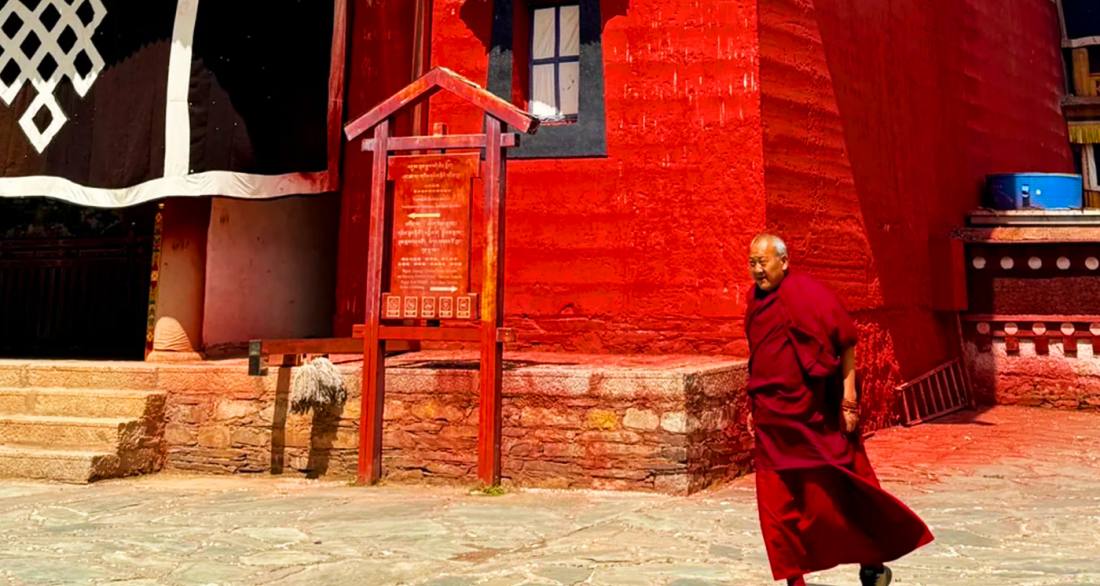
郎木寺景區無需提前預約,可直接在現場(通常是入口售票處)購票進入,建議您在官方開放時間內前往。由於郎木寺包含跨越甘肅和四川兩省的兩個獨立院落(賽赤寺與格爾底寺),請留意它們各自單獨售票,並可能需要檢查身份證件。在遊覽過程中,務必遵守藏傳佛教的所有基本禮儀規範:進入殿堂前脫帽、摘下墨鏡;絕不可用手指指向佛像,而應掌心向上示意;殿堂內部一律禁止拍照、攝影(外觀和公共區域通常允許)。如需圍繞佛塔或經幡轉行,必須嚴格遵循順時針方向。特別需要注意的是,寺院周邊可能有天葬台等神聖場所,嚴禁靠近、圍觀或拍照,這是對當地信仰和逝者最起碼的尊重。高原地區紫外線強烈,天氣多變,請準備好防曬霜、太陽鏡、帽子以及保暖外套,並穿著便於行走的鞋子。
No prior reservation is required to visit the Langmusi scenic area. Tickets can be purchased directly on-site (usually at the entrance ticket office), and it is recommended that you visit during the official opening hours. Please note that Langmusi consists of two separate compounds spanning Gansu and Sichuan provinces (Serchi Monastery and Kirti Monastery), each requiring individual tickets, and identity documents may need to be checked. Throughout your visit, strict adherence to all basic Tibetan Buddhist etiquette is essential: remove hats and sunglasses before entering halls; never point at Buddha statues with fingers—instead, gesture with palms facing upward; photography and videography are strictly prohibited inside the halls (photography of exteriors and public areas is usually permitted). When circumambulating stupas or prayer flags, you must strictly follow a clockwise direction. Special attention must be paid to sacred sites around the monastery, such as sky burial grounds, which are strictly off-limits for approach, gathering, or photography—this is the most basic respect for local beliefs and the deceased. The high-altitude region has intense ultraviolet radiation and rapidly changing weather, so please prepare sunscreen, sunglasses, hats, warm outerwear, and wear comfortable walking shoes.
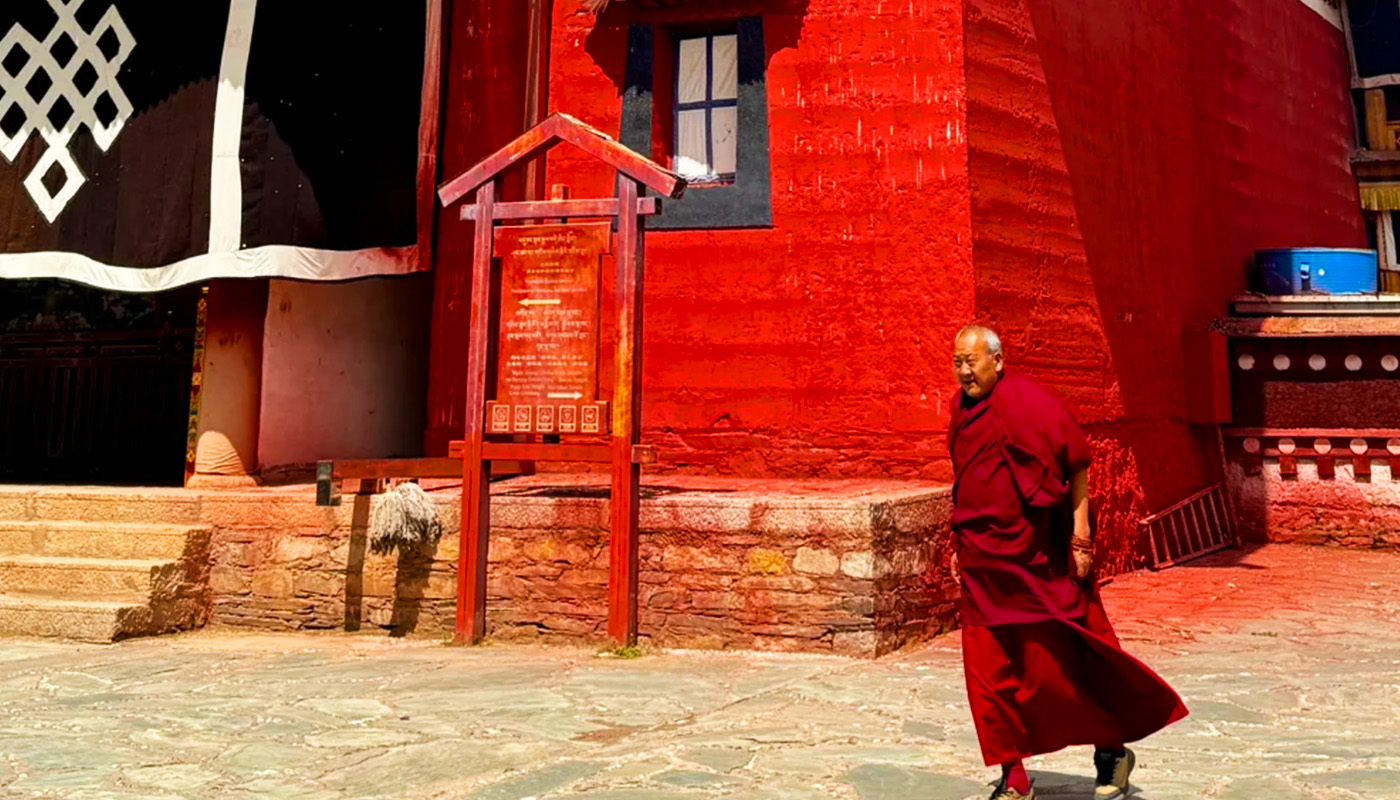
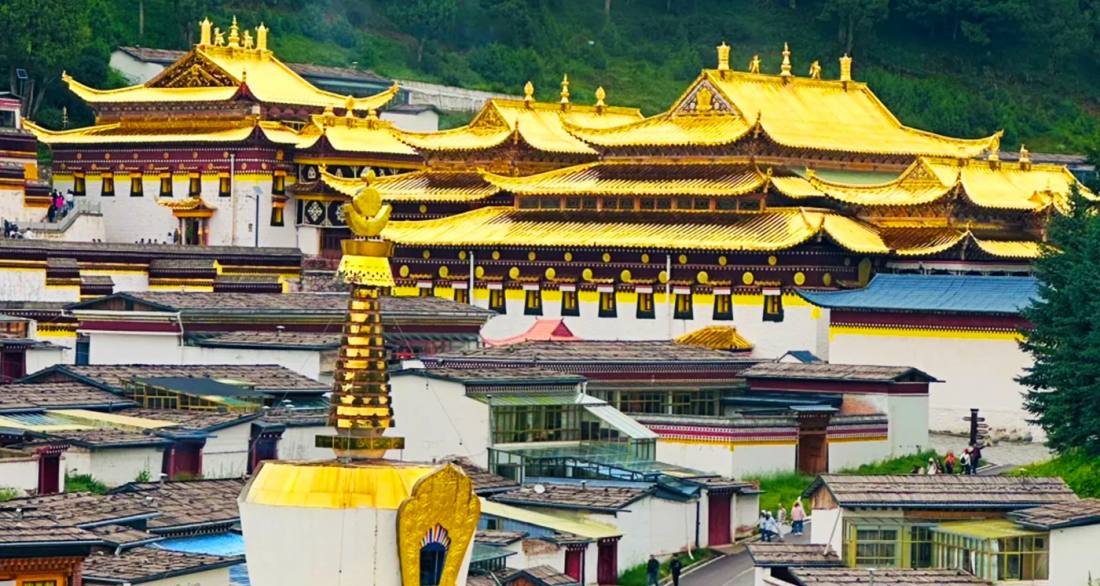
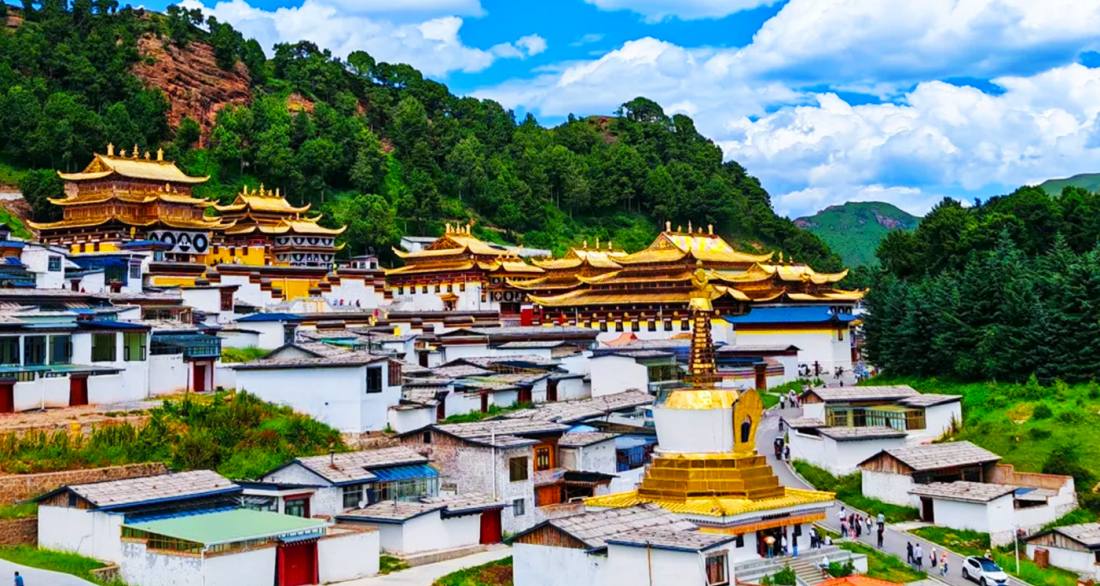
郎木寺是一處位於甘肅與四川兩省交界處的獨特小鎮,以白龍江為界,江北部分(賽赤寺)屬於甘肅省甘南藏族自治州碌曲縣,江南部分(格爾底寺)屬於四川省阿壩藏族羌族自治州若爾蓋縣,因而形成了「一鎮跨兩省」的獨特格局。它並非單指一座寺院,而是一個融合了藏傳佛教寺院、自然峽谷、高原草甸和多元民族風情的國家級旅遊景區,海拔約3480米,素有「東方小瑞士」、「甘南香巴拉」的美譽。
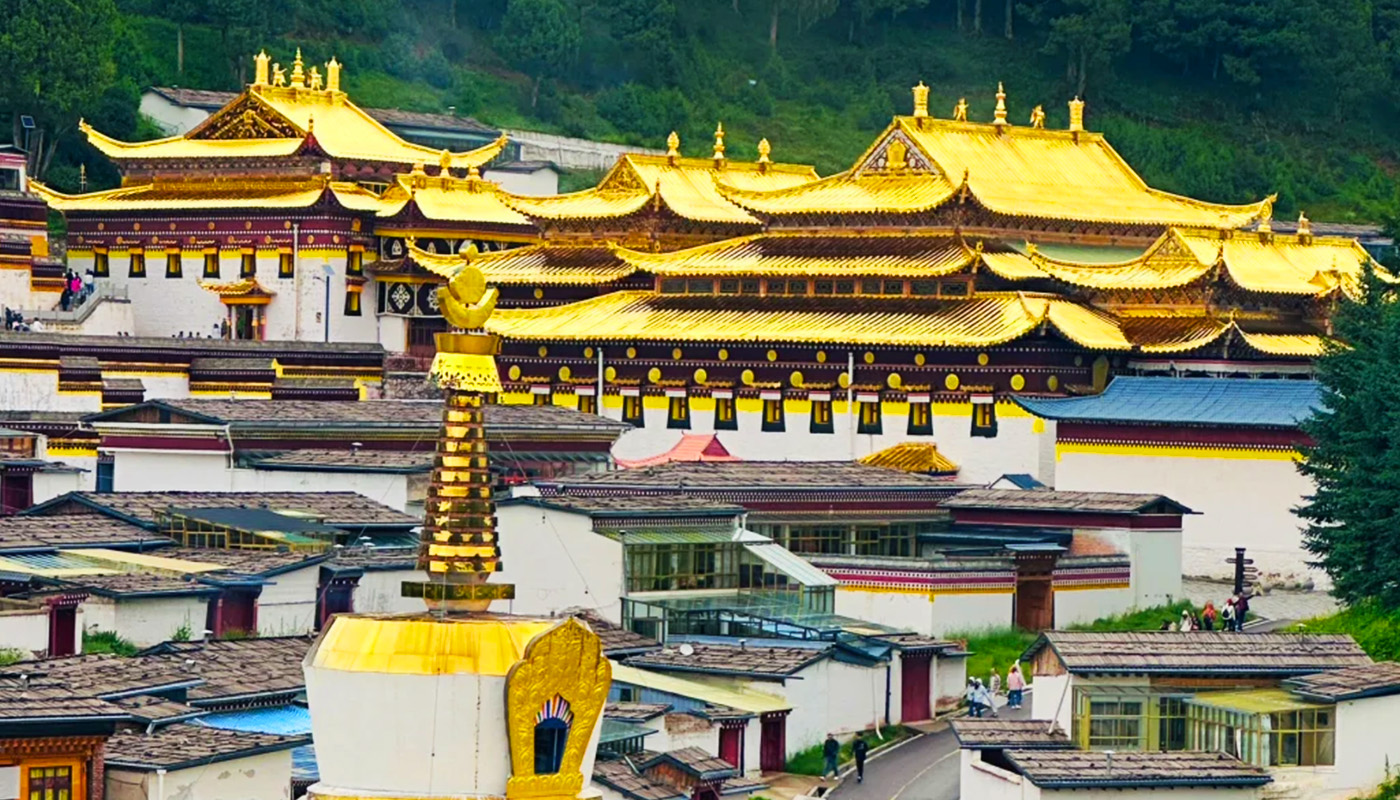
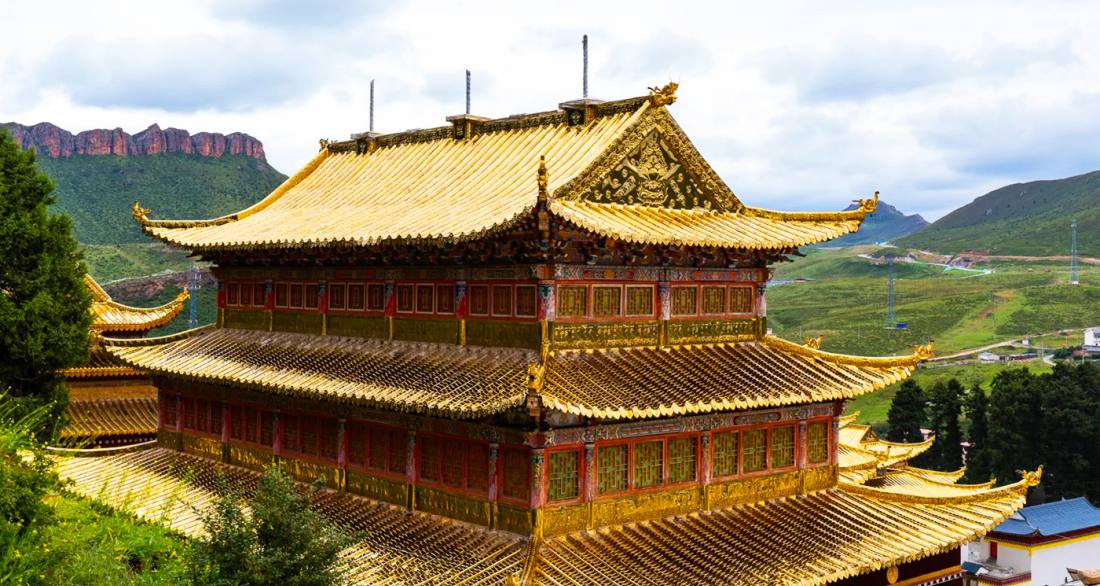
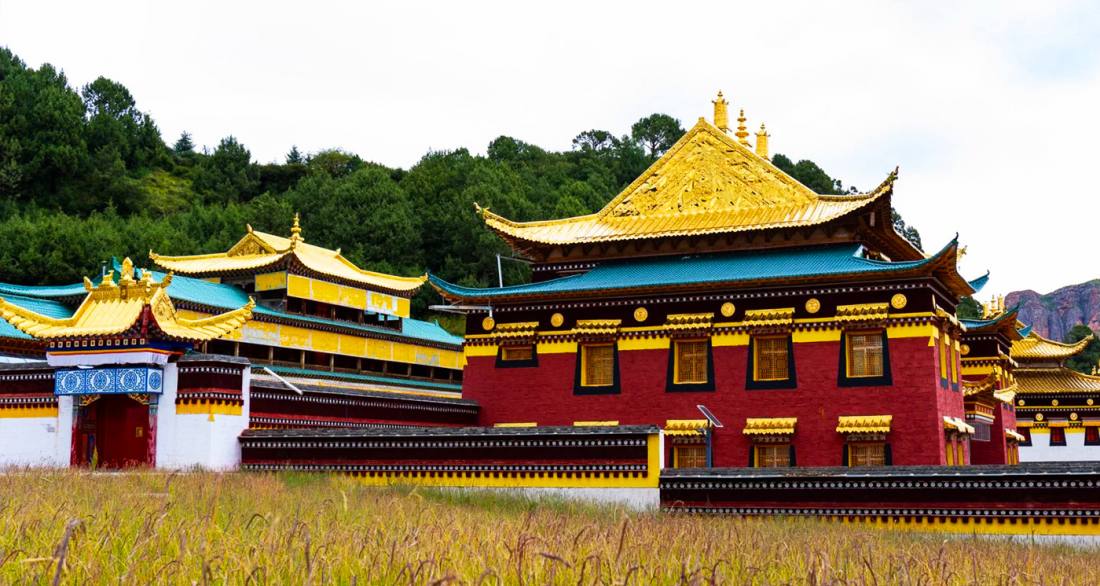
郎木寺的核心組成部分是隔江相望的兩大藏傳佛教格魯派寺院。甘肅境內的賽赤寺始建於清乾隆十三年,建築金碧輝煌,設有聞思、時輪、續部、醫學等學院,寺後山路可通往天葬台,是感受宗教莊嚴氛圍的重要場所。四川境內的格爾底寺歷史更為悠久,其起源可追溯至明永樂十一年,寺內供奉著第五世格爾底活佛的肉身舍利,並擁有郎木寺大峽谷、仙女洞、虎穴等自然景觀,是白龍江的源頭所在地。
除了壯麗的自然風光和宗教建築,郎木寺的文化魅力還體現在其多元交融的特性上。小鎮上不僅有兩座藏傳佛教寺院,還坐落著清真寺,形成了藏、漢、回等民族和諧共居,藏傳佛教與伊斯蘭教文化並存的特有氛圍。每年這裡會舉行如正月曬佛、羌姆跳神(法舞)、雪頓節等盛大宗教活動,吸引大量信徒和遊客。
Langmusi is a unique town situated on the border between Gansu and Sichuan provinces. The Bailong River serves as the dividing line, with the northern bank (Serchi Monastery) belonging to Luqu County in Gannan Tibetan Autonomous Prefecture of Gansu Province, and the southern bank (Gertse Monastery) belonging to Zoigê County in the Ngawa Tibetan and Qiang Autonomous Prefecture of Sichuan Province, creating a distinctive "one town spanning two provinces" layout. It does not refer to a single temple but is a national-level tourist area that integrates Tibetan Buddhist monasteries, natural canyons, alpine meadows, and multi-ethnic culture. At an altitude of approximately 3,480 meters, it is often praised as the "Little Switzerland of the East" and the "Shangri-La of Gannan".
The core components of Langmusi are the two major Gelug school Tibetan Buddhist monasteries facing each other across the river. The Serchi Monastery in Gansu was founded in the thirteenth year of the Qianlong Emperor's reign in the Qing Dynasty. Its magnificent buildings glisten with gold, and it houses colleges for sutra studies, astronomy, tantric studies, and medicine. The mountain path behind the monastery leads to a sky burial platform, making it a significant place to experience a solemn religious atmosphere. The Gertse Monastery in Sichuan has an even longer history, dating back to the eleventh year of the Yongle Emperor's reign in the Ming Dynasty. It enshrines the preserved physical relic of the Fifth Gertse Living Buddha and features natural landscapes like the Langmusi Grand Canyon, Fairy Cave, and Tiger's Den. It is also the source of the Bailong River.
Beyond its stunning natural scenery and religious architecture, Langmusi's cultural appeal lies in its remarkable diversity and harmony. The town is home not only to the two Tibetan Buddhist monasteries but also to a mosque, creating a unique atmosphere where Tibetan, Han, Hui, and other ethnic groups coexist, and Tibetan Buddhist and Islamic cultures thrive side-by-side. Grand religious activities such as the Sunning of the Buddha Thangka in the first lunar month, Cham dances (ritual mask dances), and the Shoton Festival are held here annually, attracting large numbers of pilgrims and tourists.