
| 产品 | 提前预定时间 | 取消政策 | 原价 | 优惠价 | ||
|---|---|---|---|---|---|---|
| 产品 | 提前预定时间 | 取消政策 | 原价 | 优惠价 | ||
|---|---|---|---|---|---|---|
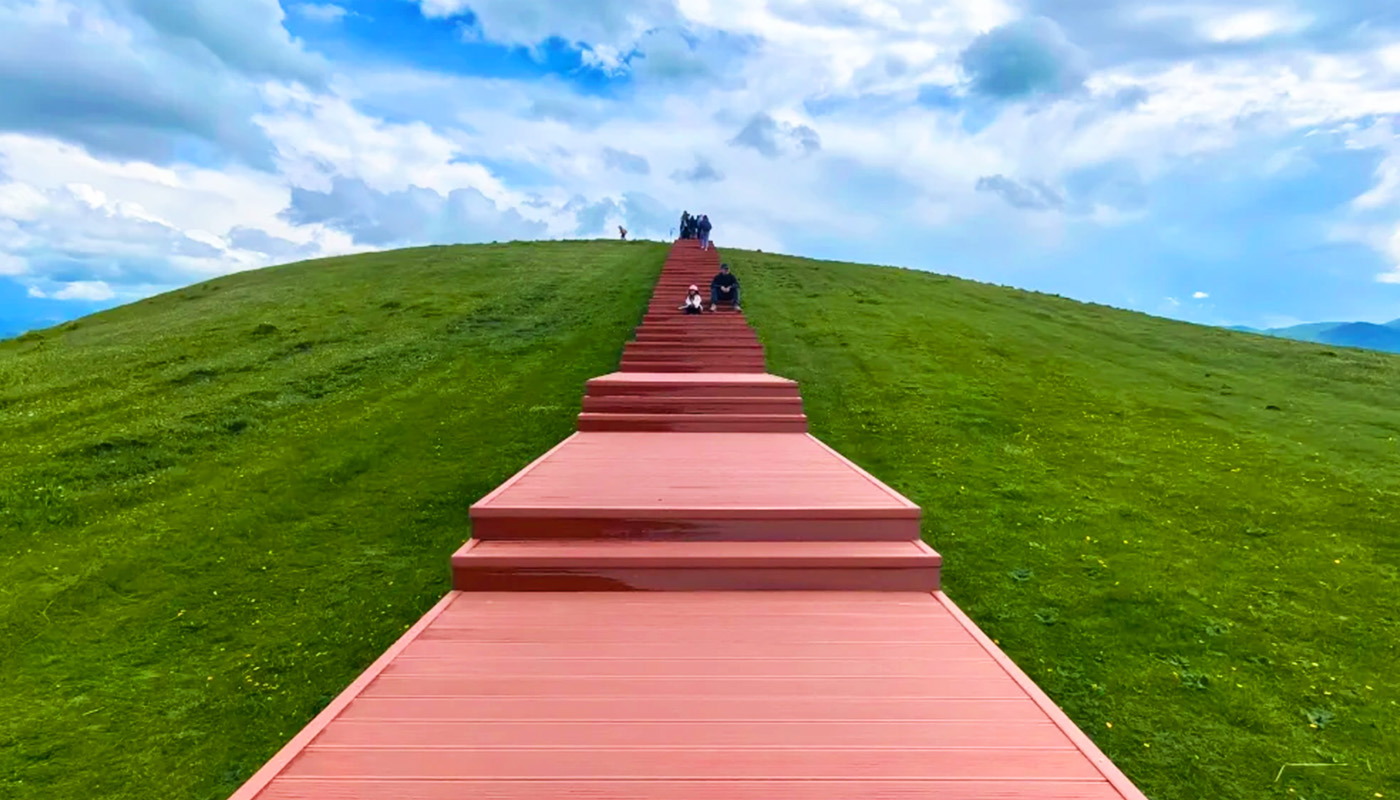
阿萬倉濕地無需預約購票,全年免費開放,但建議在日出後至日落前遊覽以確保安全。景區核心為高海拔(約3500米)濕地,晝夜溫差大且天氣多變,請務必攜帶防寒、防曬用品並預防高原反應。遊覽時應沿觀景台和木棧道行走,避免擅自進入沼澤區域,尊重當地藏族文化和宗教信仰,不驚擾野生動物,自覺帶走所有垃圾,共同保護黃河水源地的生態環境。
Awancang Wetland does not require advance booking or tickets; it is open year-round and free of charge. However, for safety reasons, it is recommended to visit between sunrise and sunset. The area is a high-altitude wetland (around 3,500 meters), with significant temperature fluctuations between day and night and unpredictable weather. It is essential to bring cold-weather gear, sun protection, and prepare for altitude sickness. While visiting, please stay on the viewing platforms and wooden walkways, avoid entering marsh areas without permission, respect the local Tibetan culture and religious beliefs, do not disturb wildlife, and take all trash with you to help protect the ecological environment of the Yellow River’s source region.
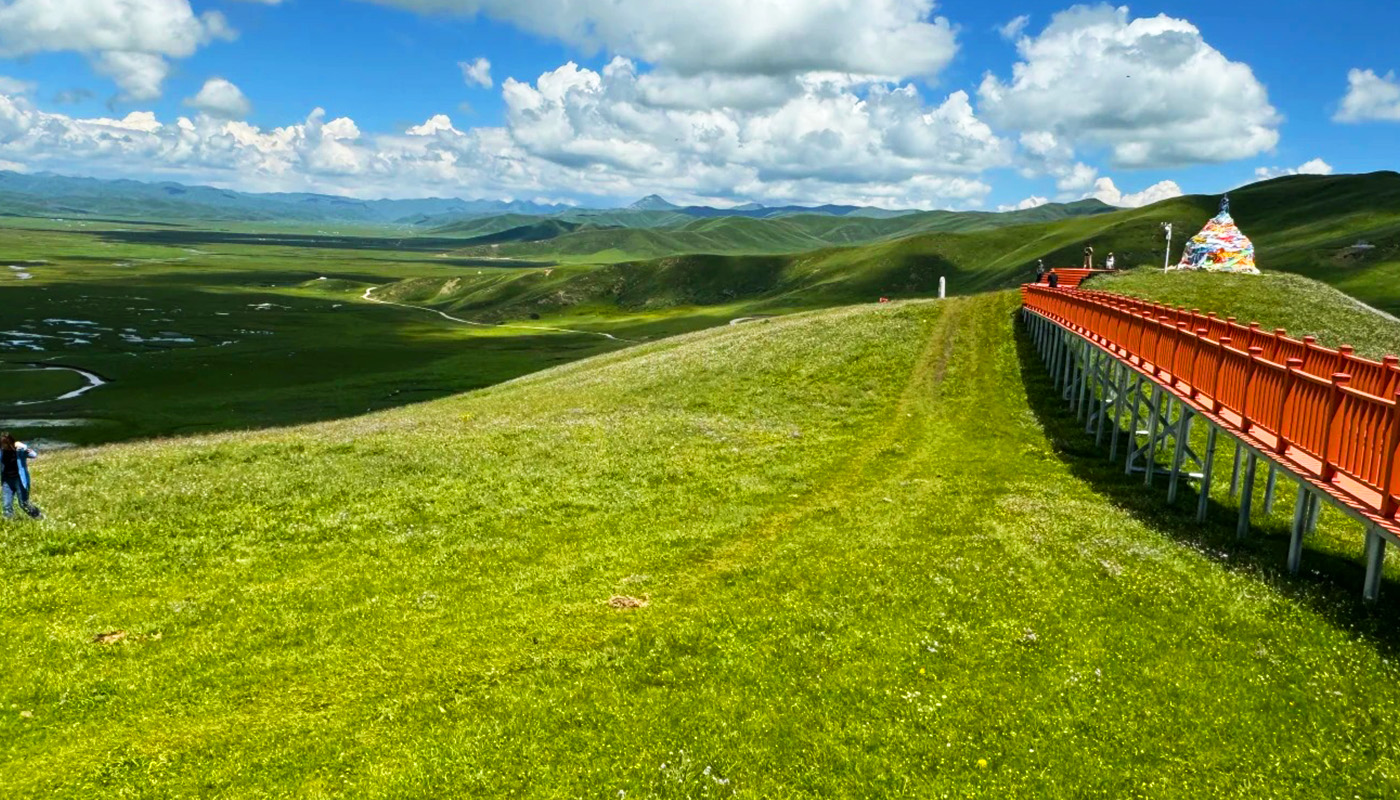
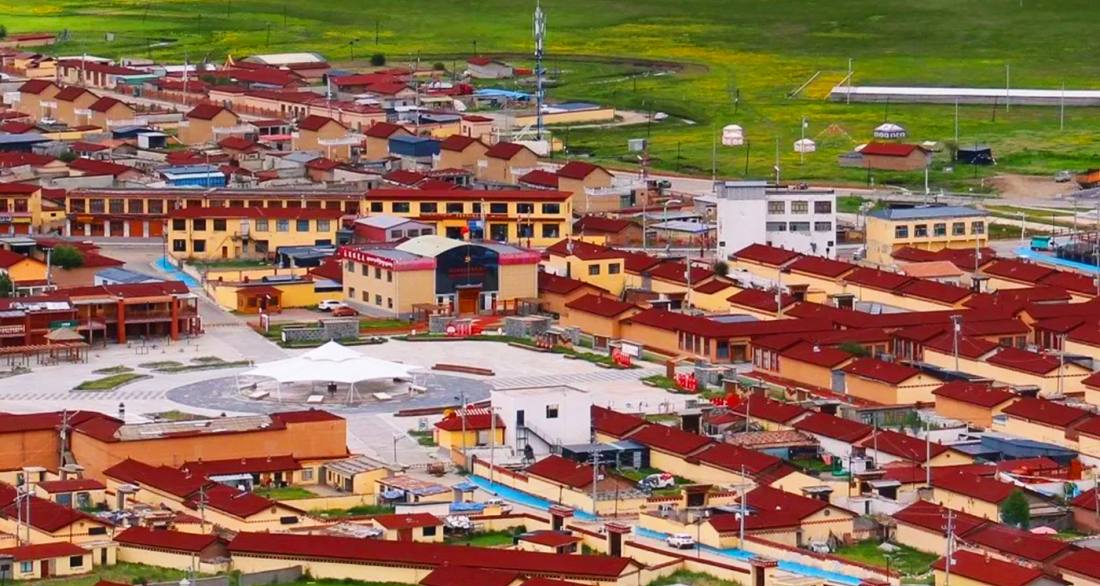
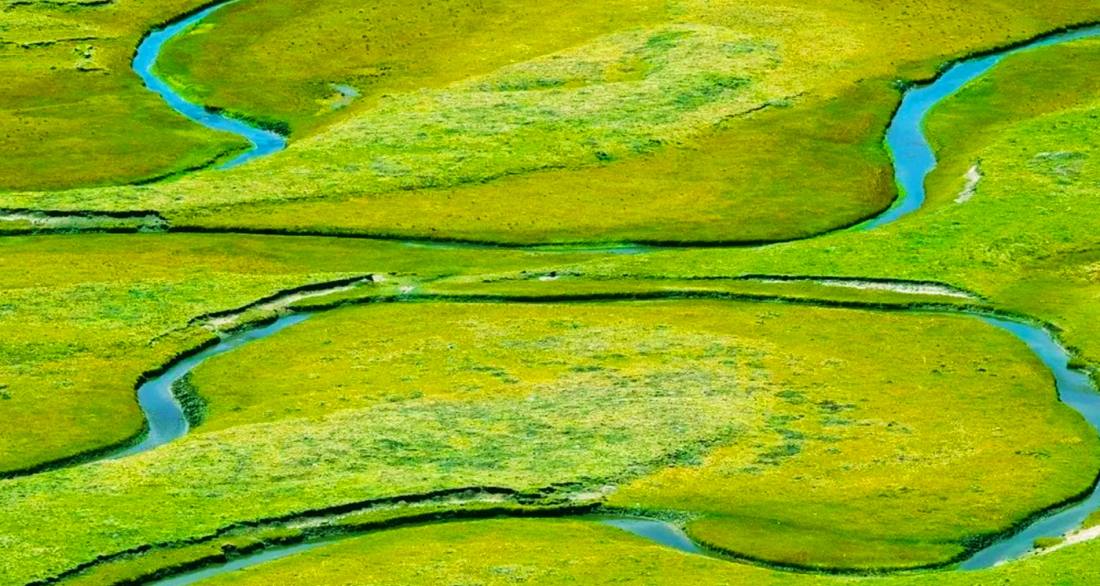
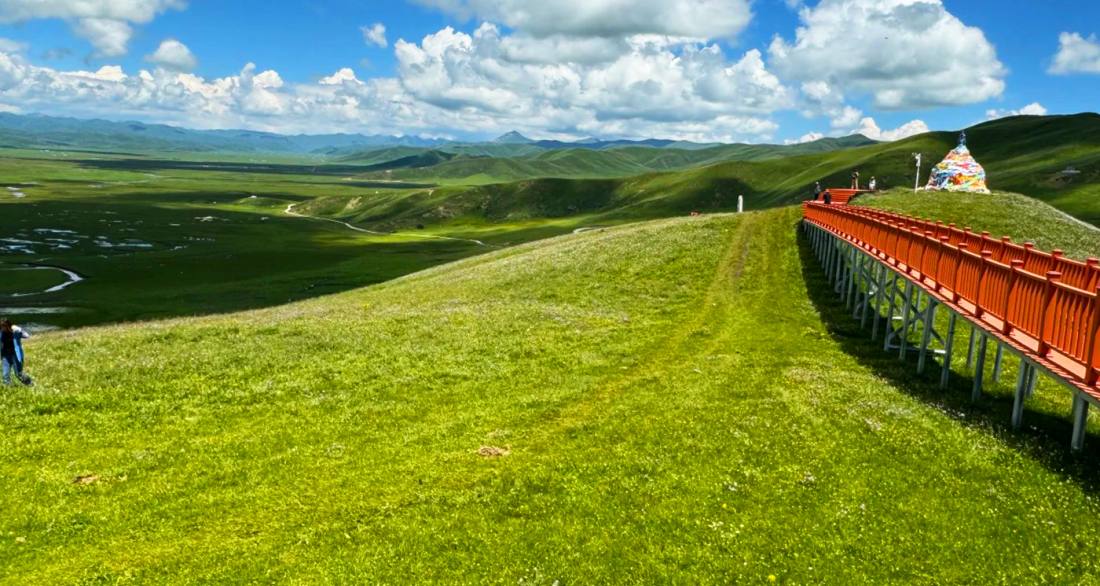
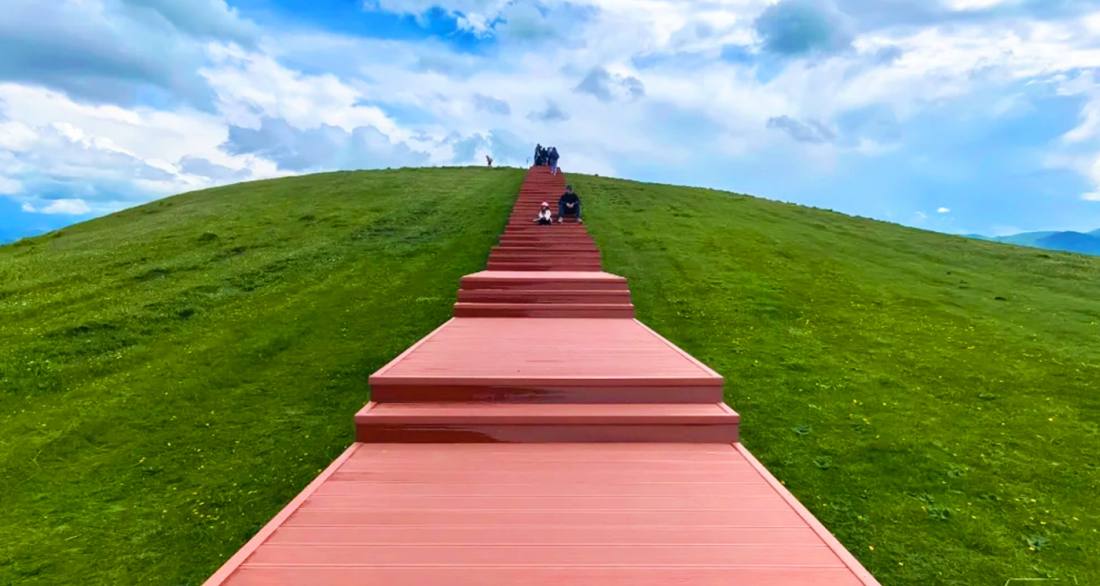
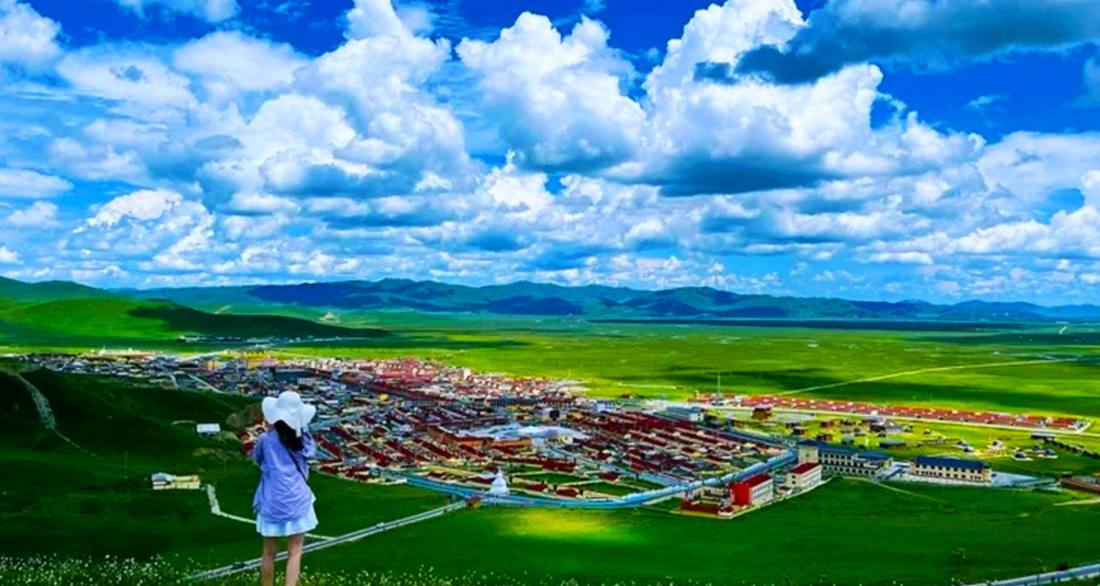
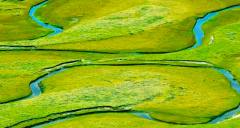
阿萬倉濕地位於甘肅省甘南藏族自治州瑪曲縣南部,是黃河流經此地形成的一個巨大臂彎,平均海拔在3400米以上。這片濕地由貢曲、賽爾曲、道吉曲三條河流與黃河交匯形成,水泄不暢造就了汊河與沼澤星羅棋佈的獨特高原濕地景觀,2008年被《中國國家地理》評為"中國最美的五大草原濕地"第一名。作為國家級4A旅遊景區和黃河上游重要的水源補給區與生態屏障,它保存著廣闊的原始泥炭沼澤,被譽為"黃河之腎",不僅棲息著黑頸鶴等珍稀鳥類,也融合了娘瑪寺院(擁有世界最大轉經筒)等獨特的藏族文化元素,形成了自然風光與人文遺跡交織的壯麗畫卷。
Awancang Wetland is located in the southern part of Maqu County, Gannan Tibetan Autonomous Prefecture, Gansu Province, within a large bend of the Yellow River, with an average altitude of over 3,400 meters. Formed by the convergence of the Gongqu, Saierqu, and Daojiqiu rivers with the Yellow River, its poor water drainage has created a unique high-altitude wetland landscape dotted with branching rivers and marshes. In 2008, it was ranked first in "China's Five Most Beautiful Grassland Wetlands" by Chinese National Geography. As a national AAAA-level tourist attraction and a crucial water source recharge area and ecological barrier for the upper Yellow River, it preserves vast primitive peat marshes, earning it the title "Kidney of the Yellow River." It is not only a habitat for rare birds like the black-necked crane but also integrates unique Tibetan cultural elements such as the Niangma Monastery (home to the world's largest prayer wheel), forming a magnificent picture where natural scenery and cultural heritage intertwine.