
| 产品 | 提前预定时间 | 取消政策 | 原价 | 优惠价 | ||
|---|---|---|---|---|---|---|
| 产品 | 提前预定时间 | 取消政策 | 原价 | 优惠价 | ||
|---|---|---|---|---|---|---|
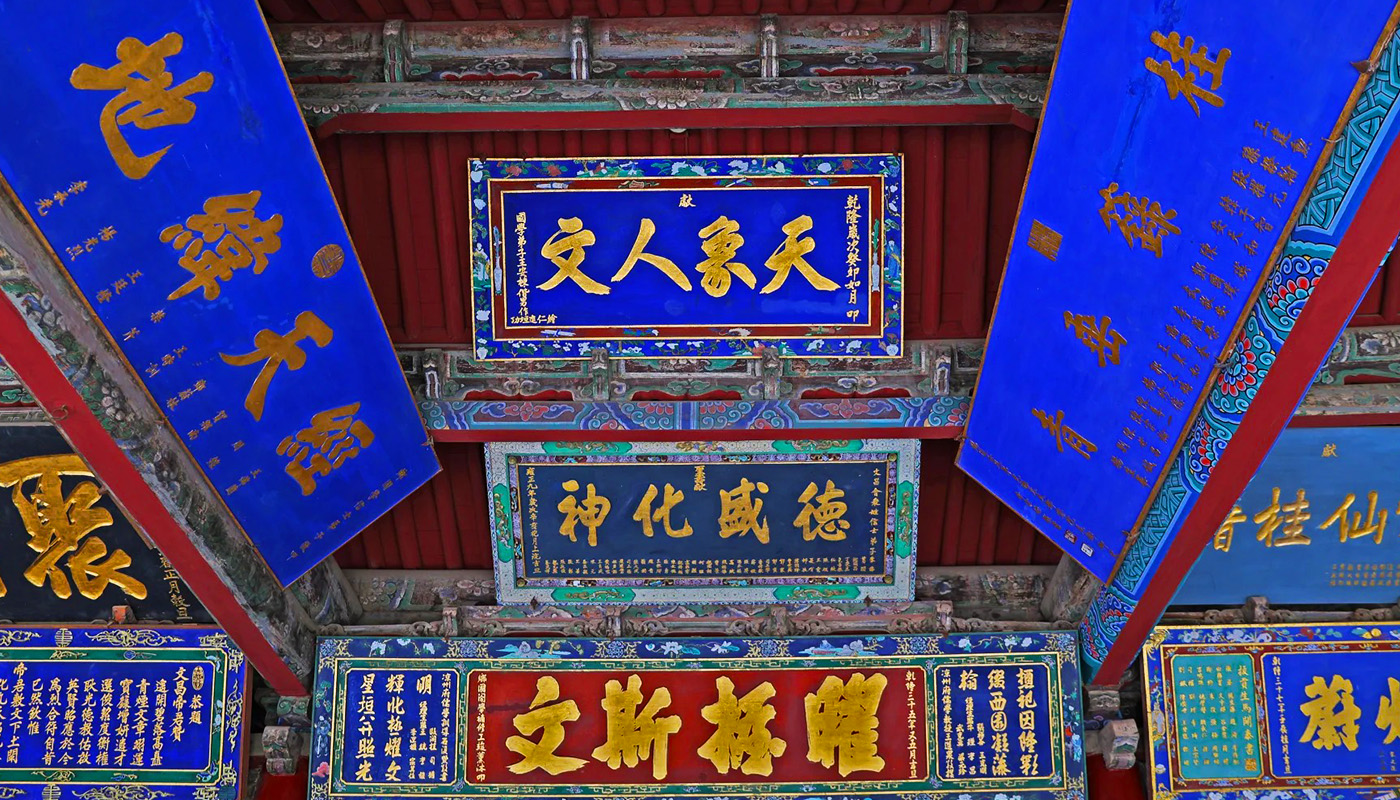
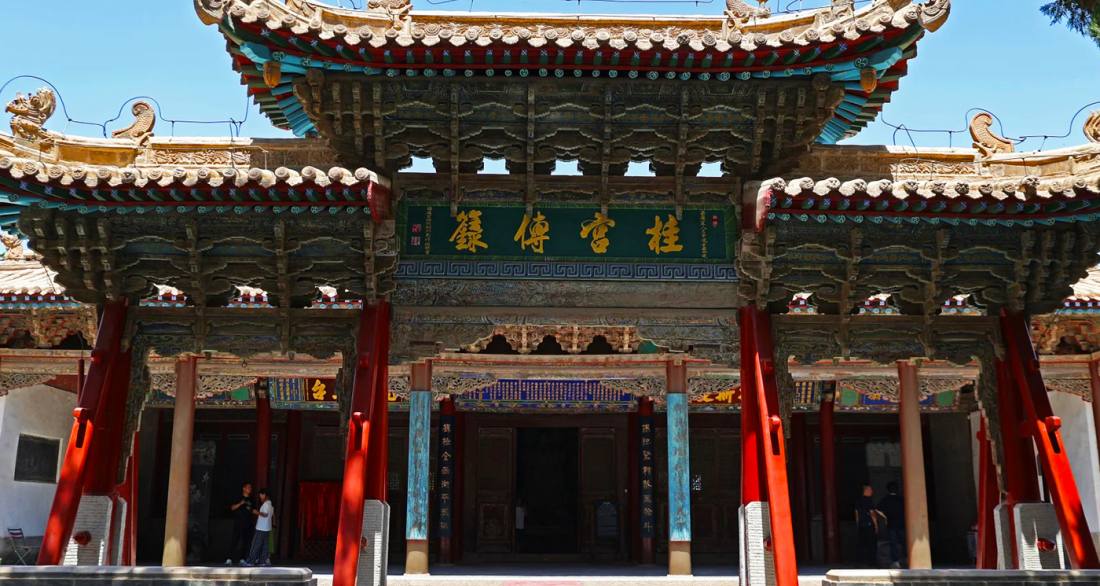
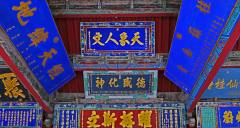
武威文廟景區現場與線上平台均可購票,建議通過官方微信公眾號“武威文廟”或主流旅遊平台提前購票以避免排隊。景區開放時間為旺季(4月-10月)8:30-18:00、淡季(11月-次年3月)9:00-17:30,閉園前半小時停止售票。參觀時請遵守文物保護規定,勿觸摸文物、建築彩繪及匾額,殿內禁止使用閃光燈。景區為木結構古建築群,全面禁止吸菸及明火。文昌宮桂籍殿的珍貴匾額群為核心保護文物,請勿倚靠展櫃或長時間逗留影響他人參觀。若遇節假日客流高峰,景區可能採取限流措施,建議錯峰出行。
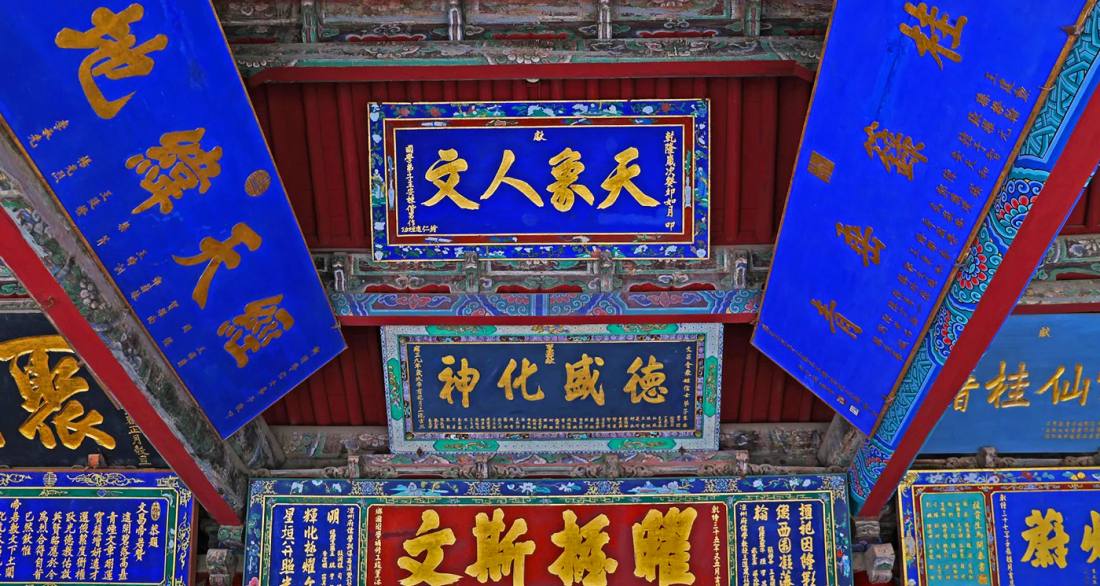
Tickets for the Wuwei Confucius Temple scenic area can be purchased either on-site or through online platforms. It is recommended to book in advance via the official WeChat account "Wuwei Confucius Temple" or mainstream travel platforms to avoid queues. The scenic area is open from 8:30 to 18:00 during the peak season (April-October) and from 9:00 to 17:30 during the off-season (November-March), with ticket sales stopping 30 minutes before closing. During the visit, please adhere to cultural relics protection regulations: do not touch artifacts, architectural paintings, or plaques, and the use of flash is prohibited inside the halls. The temple complex consists of ancient wooden structures, and smoking and open flames are strictly prohibited. The precious plaque collection in the Guiji Hall of Wenchang Palace is a core protected cultural relic; please avoid leaning on display cases or lingering for extended periods, which may affect other visitors. During peak holiday periods, the scenic area may implement crowd control measures, and it is advisable to plan your visit during off-peak hours.
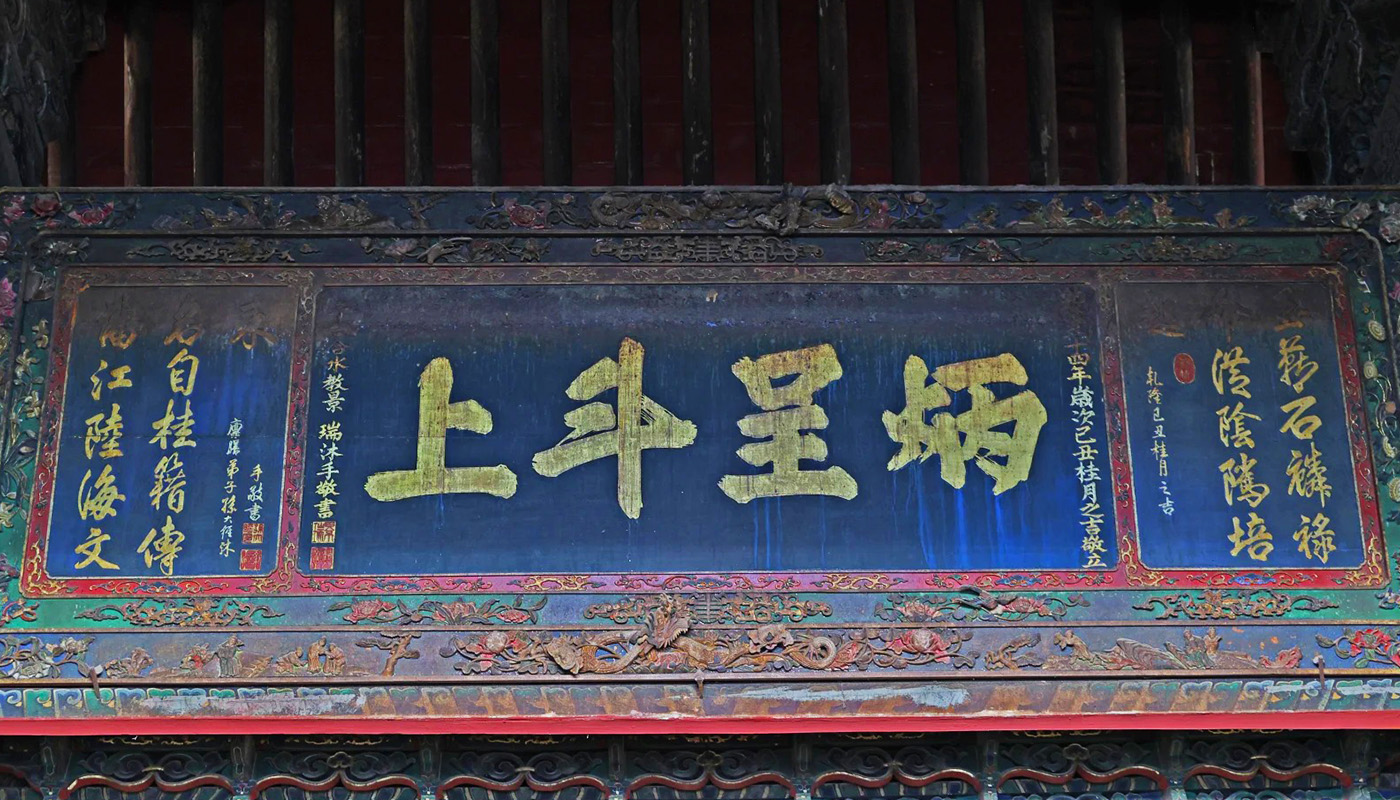
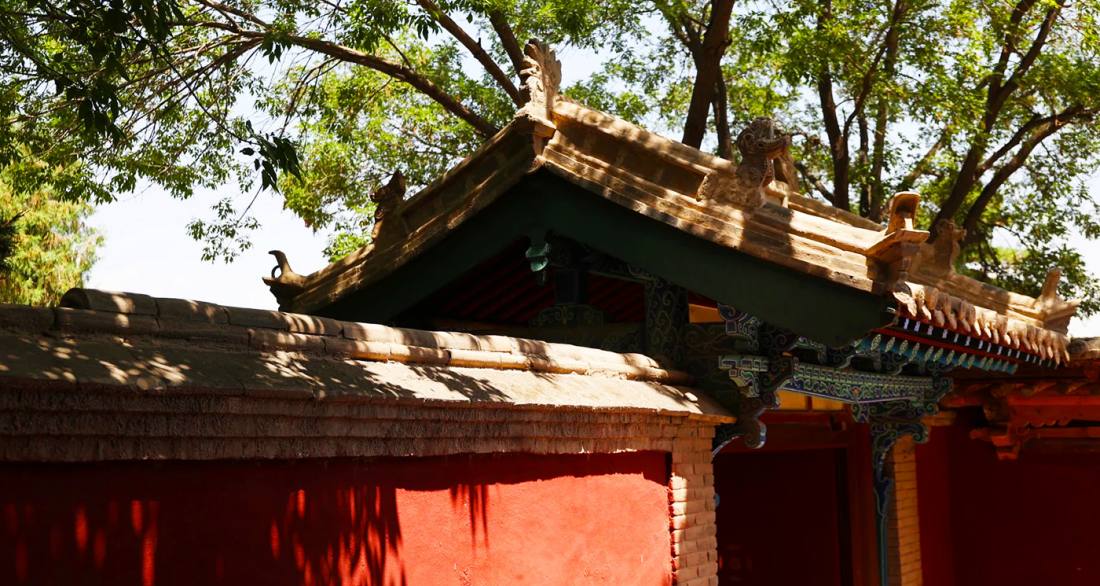
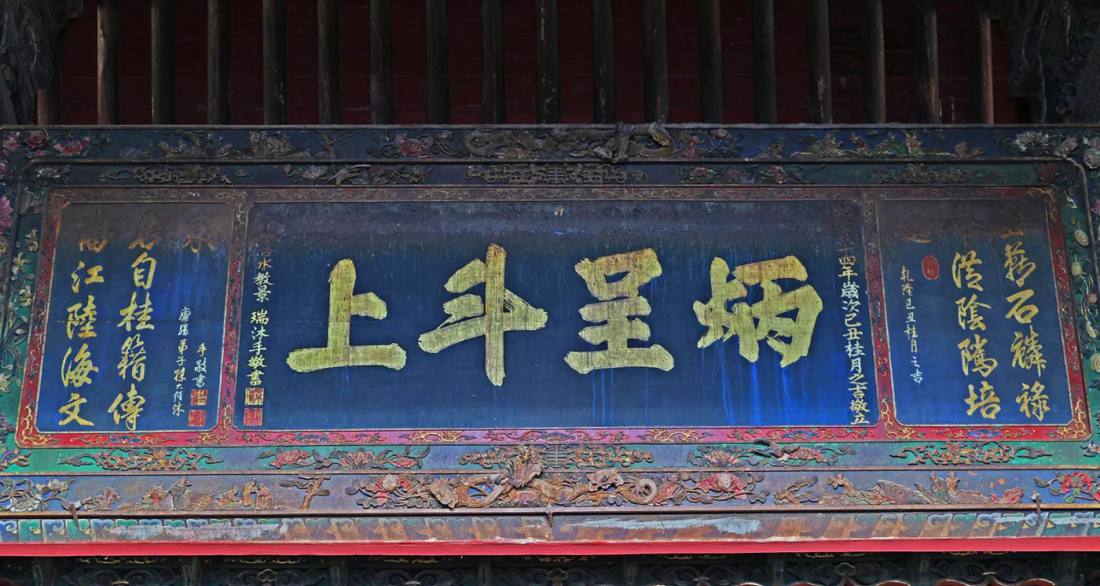
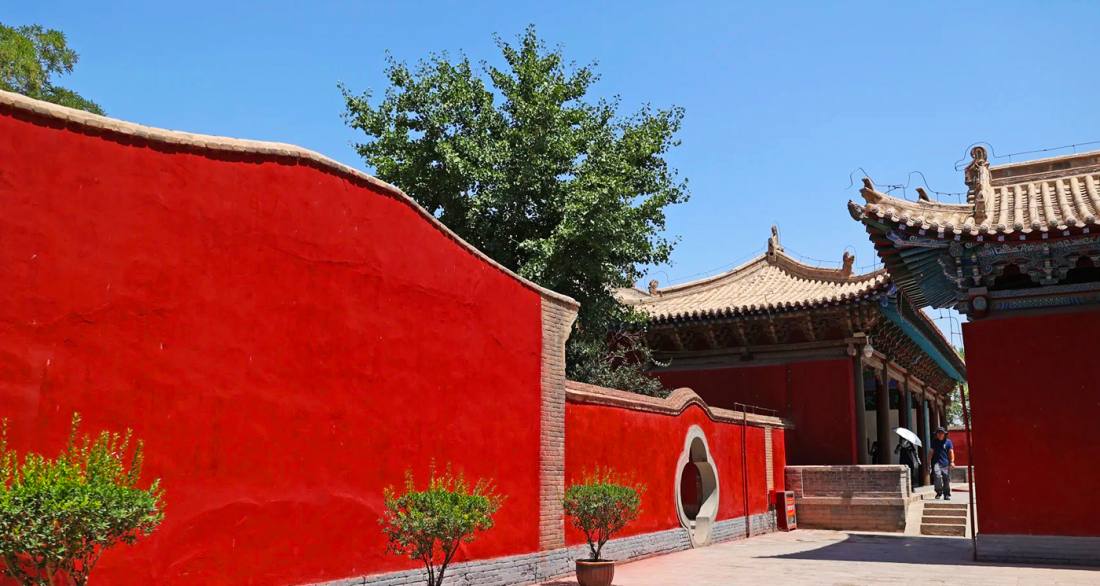
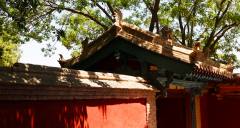
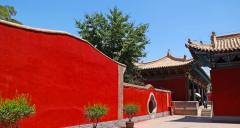
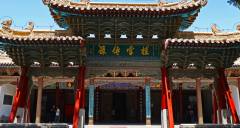
武威文廟位於甘肅省武威市涼州區崇文街,始建於明正統四年(1439年),是中國西北地區規模最大、保存最完整的孔廟古建築群,素有「隴右學宮之冠」的美譽。其核心特色在於「廟學合一」的佈局,將祭祀孔子的廟宇與傳授儒學的學宮完美融合。廟內現存44塊明清至民國時期的珍貴匾額,其中不乏清代名臣左宗棠、林則徐等人的手跡,為全國罕見的匾額文物寶庫。建築群分為東、中、西三路,以文昌宮、孔廟、儒學院為主體,其建築風格、雕刻藝術及深厚的歷史文化底蘊,使其成為研究西北地區儒學發展、古代教育和建築藝術的重要遺址,現為全國重點文物保護單位和國家AAAA級旅遊景區。
Wuwei Confucius Temple, located on Chongwen Street in Liangzhou District, Wuwei City, Gansu Province, was first built in the fourth year of the Zhengtong era of the Ming Dynasty (1439). It is the largest and most well-preserved ancient Confucian temple complex in northwest China, renowned as the "Crown of the Academies of Longyou." Its core feature lies in the "temple-school integration" layout, perfectly combining the temple for worshiping Confucius with the academy for teaching Confucian classics. The temple houses 44 precious plaques dating from the Ming and Qing dynasties to the Republican era, including inscriptions by renowned Qing officials such as Zuo Zongtang and Lin Zexu, forming a rare national treasure trove of plaque artifacts. The architectural complex is divided into eastern, central, and western sections, with the Wenchang Palace, Confucius Temple, and Confucian Academy as the main structures. Its architectural style, carving artistry, and profound historical and cultural significance make it an important site for studying the development of Confucianism, ancient education, and architectural art in northwest China. It is currently designated as a National Key Cultural Relics Protection Unit and a National AAAA Tourist Attraction.