
| 产品 | 提前预定时间 | 取消政策 | 原价 | 优惠价 | ||
|---|---|---|---|---|---|---|
| 产品 | 提前预定时间 | 取消政策 | 原价 | 优惠价 | ||
|---|---|---|---|---|---|---|
天水伏羲廟實行實名制預約購票,建議提前透過官方微信公眾號或合作平台預約,並按預約時段持有效身份證件前往。廟內古建文物密集,請勿觸摸雕刻、壁畫及碑刻,禁止吸煙和使用明火。主殿內請保持肅靜,勿對塑像拍照。夏季祭祀活動期間(如夏至日)人流較大,建議錯峰出行,並遵守現場引導。景區內古柏參天,請注意避讓枯枝。若需詳細講解服務,可至遊客中心諮詢。
Tianshui Fuxi Temple implements real-name reservation and ticketing. It is recommended to book in advance through the official WeChat account or authorized platforms, and arrive during the reserved time slot with valid ID. The temple houses dense collections of ancient architecture and cultural relics; please do not touch carvings, murals, or stone inscriptions, and smoking or open flames are prohibited. Maintain silence in the main hall and avoid photographing the statues. During summer sacrificial activities (e.g., the Summer Solstice ceremony), crowds are larger—consider visiting during off-peak hours and follow on-site guidance. Ancient cypresses tower throughout the scenic area; be cautious of falling branches. For detailed guided tour services, inquire at the visitor center.
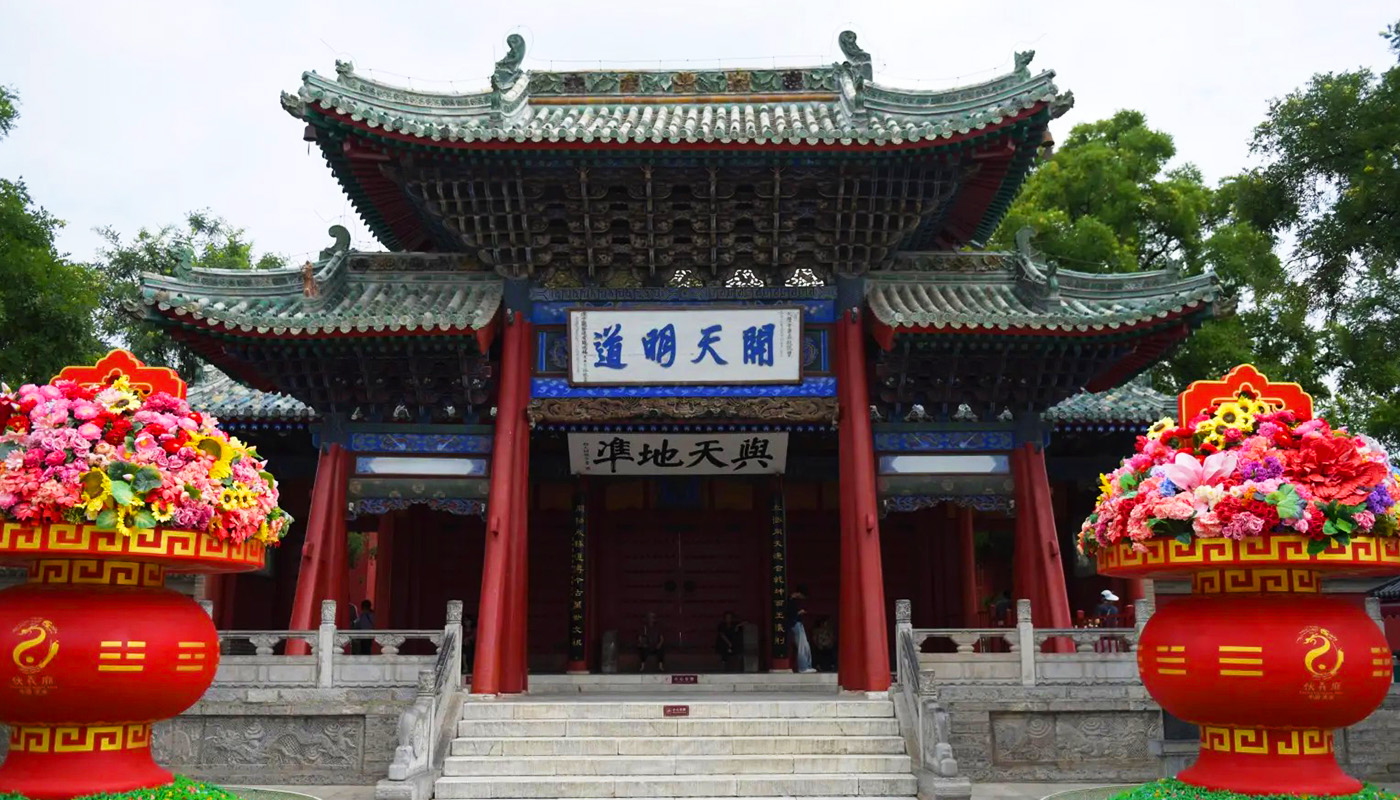
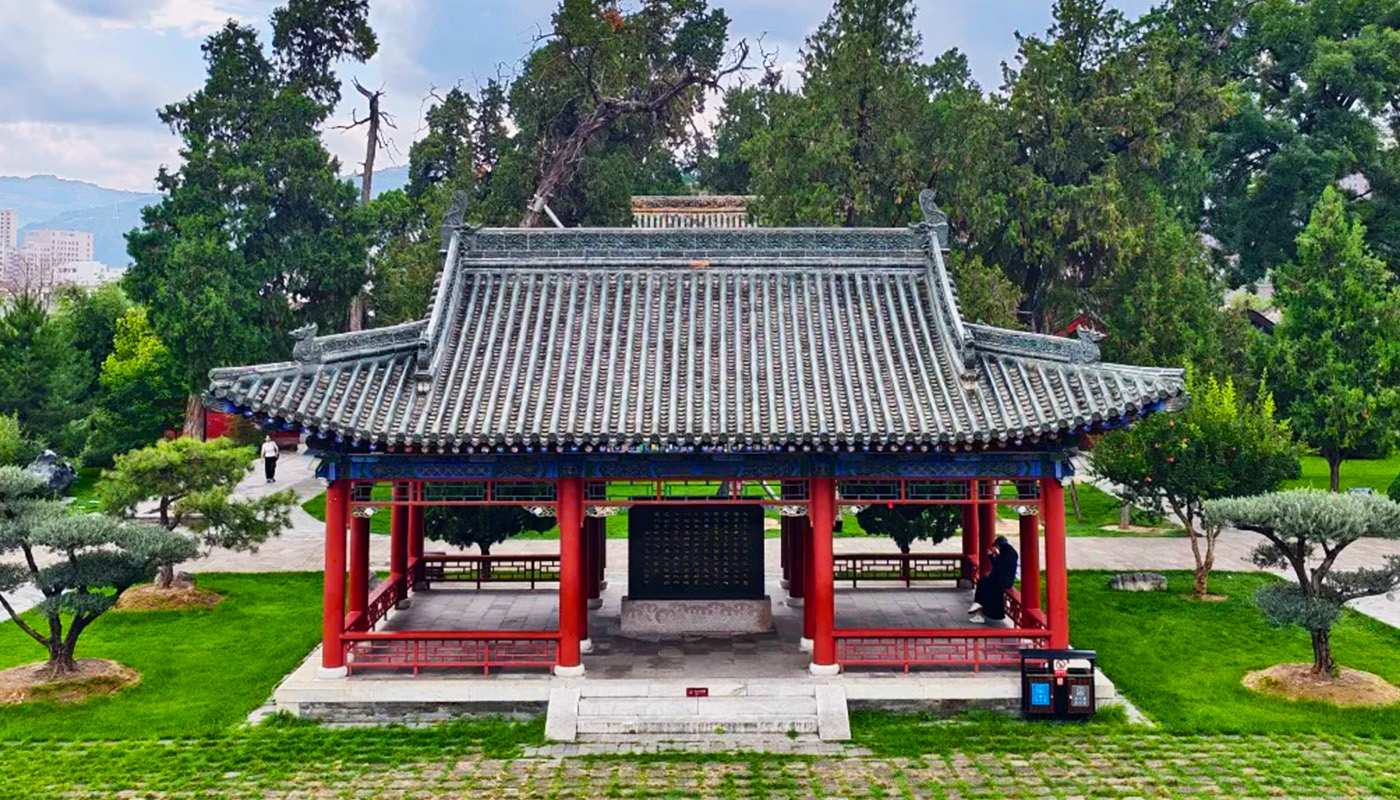
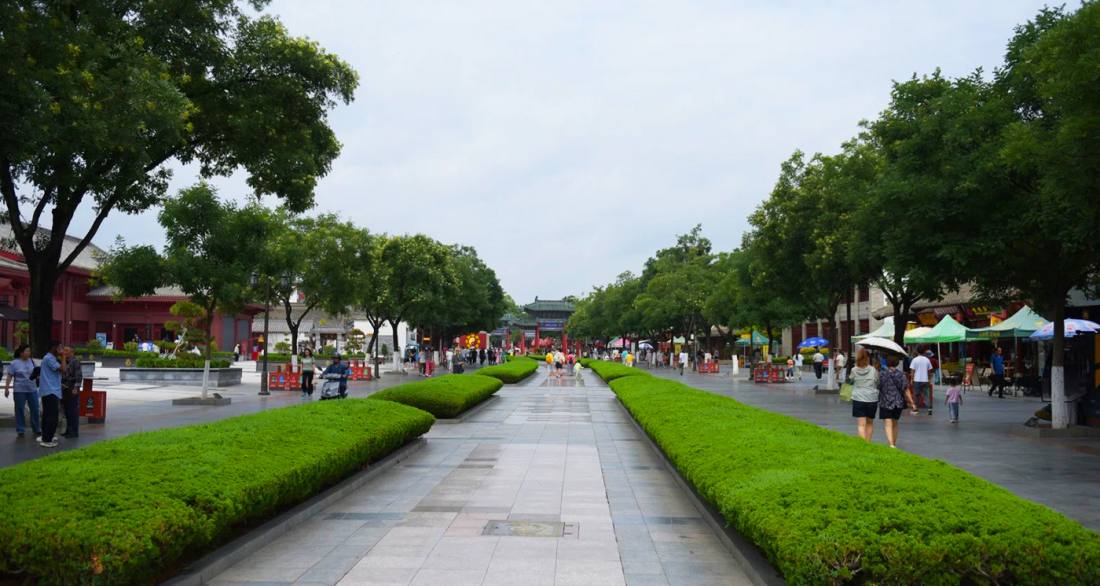
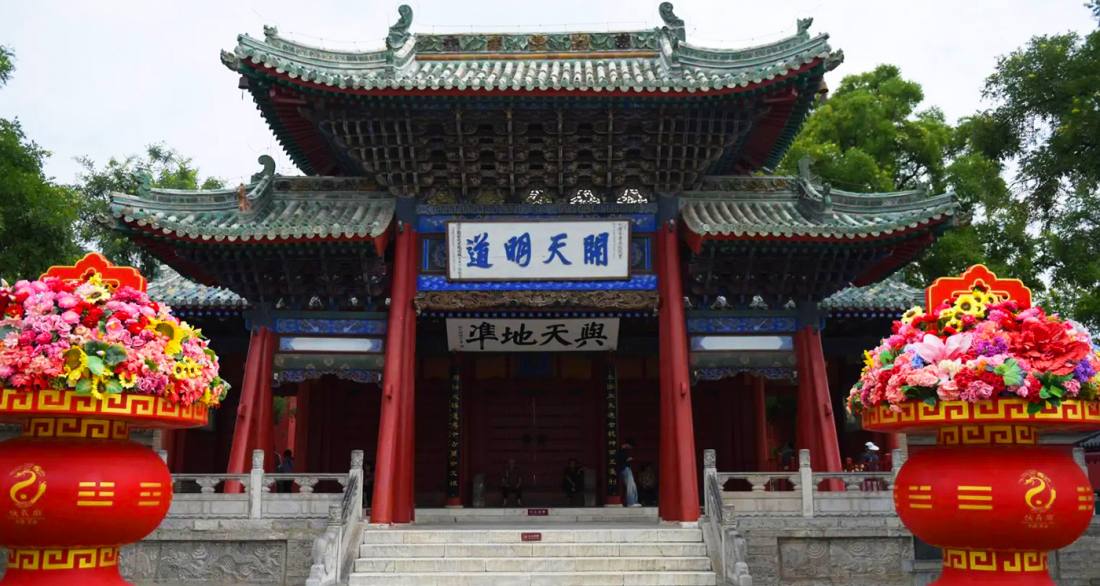
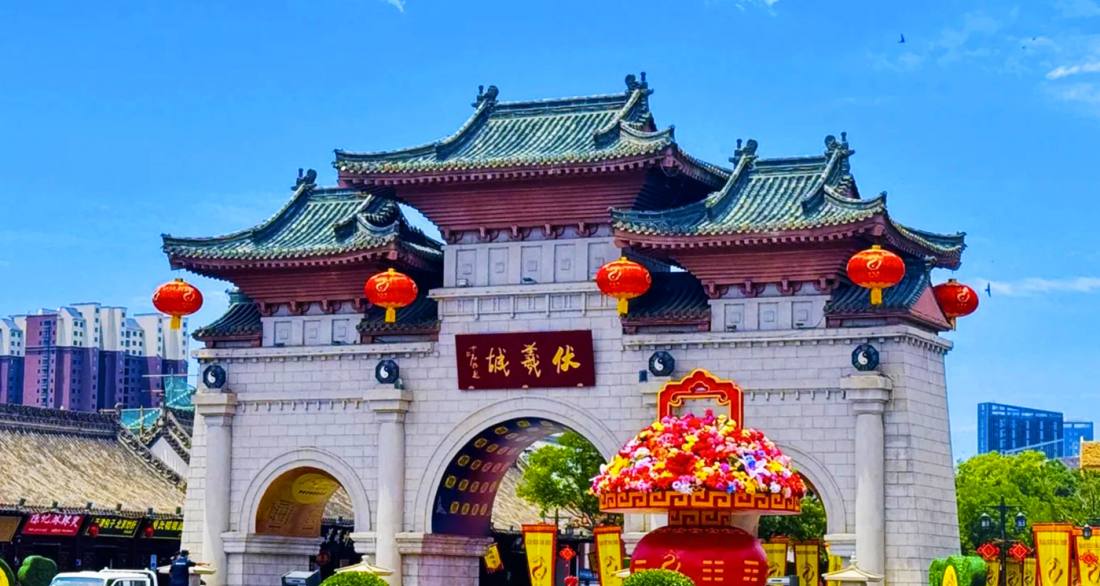
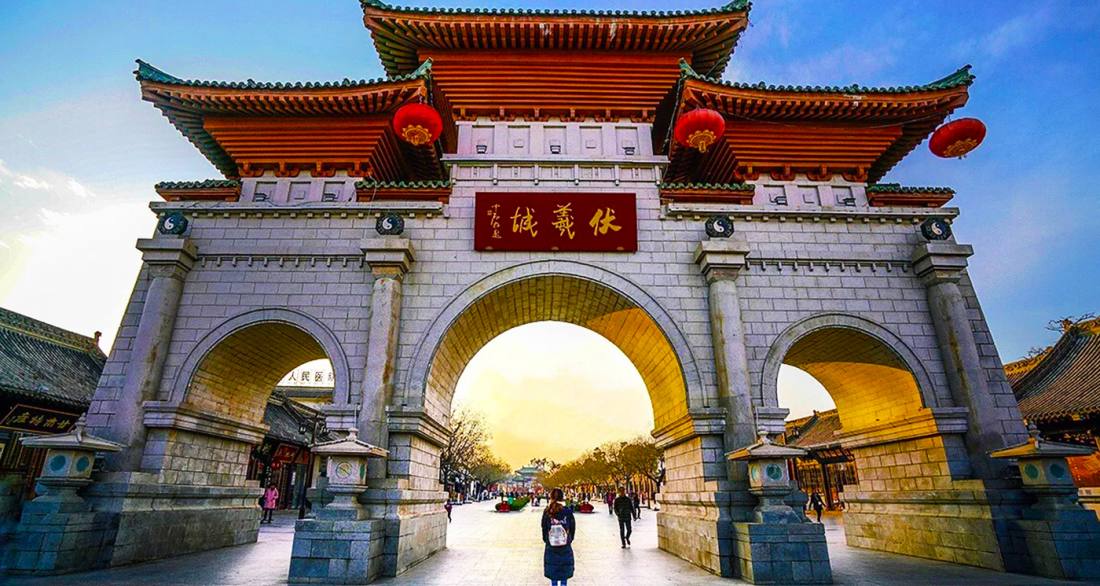
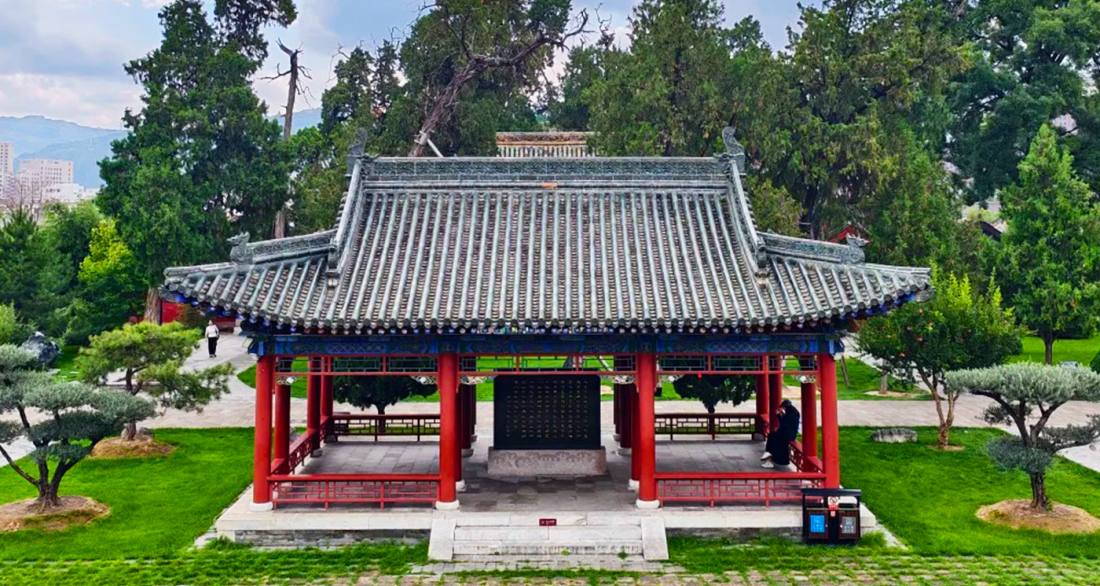
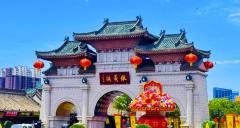
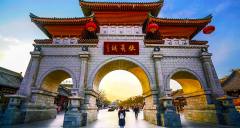
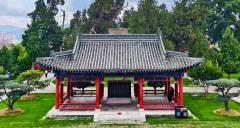
天水伏羲廟是中國規模最大、保存最完整的明代伏羲祭祀建築群,始建於明成化年間,是全國重點文物保護單位和華夏人文始祖祭祀聖地。建築群坐西朝東,沿中軸線四進四院佈局嚴謹,主體建築先天殿內供奉著全國唯一的明代伏羲彩繪塑像,殿頂藻井繪有河圖八卦,院內64株古柏相傳對應六十四卦數。這裡不僅是太昊伏羲祭典(國家級非物質文化遺產)的核心舉辦地,更集中展現了龍圖騰崇拜、太極哲學與古柏生態相融合的獨特人文生態景觀。
Tianshui Fuxi Temple is the largest and best-preserved Ming-dynasty architectural complex dedicated to the worship of Fuxi in China. Originally built during the Chenghua reign of the Ming dynasty, it is designated as a National Key Cultural Relic Protection Unit and a sacred site for honoring the legendary progenitor of Chinese civilization. The complex faces east with a strict four-courtyard layout along the central axis. The main hall, Xiantian Hall, houses the country's only colored statue of Fuxi from the Ming dynasty, and its caisson ceiling is painted with the Hetu (River Diagram) and Bagua (Eight Trigrams). The 64 ancient cypresses in the courtyard are said to correspond to the 64 hexagrams of the I Ching. The temple is not only the core venue for the Taihao Fuxi Sacrificial Ceremony (a national intangible cultural heritage) but also a unique cultural-ecological landscape that integrates dragon totem worship, Taiji philosophy, and ancient cypress ecology.