
| 产品 | 提前预定时间 | 取消政策 | 原价 | 优惠价 | ||
|---|---|---|---|---|---|---|
| 产品 | 提前预定时间 | 取消政策 | 原价 | 优惠价 | ||
|---|---|---|---|---|---|---|
平涼大雲寺(大雲寺·王母宮景區)的預定須知與遊玩注意事項如下:景區實行現場購票,無需線上預約,成人參考票價約60元/人,對符合條件的老人、兒童、學生及特殊群體(如軍人、殘疾人)提供免票或優惠,請務必攜帶有效身份證件以供查驗。開放時間為每日09:00-17:00,最晚入園時間通常為閉園前1小時。景區為仿唐風格建築群,面積較大且包含台階,建議穿著舒適的平底鞋。參觀核心文物(如舍利塔、金棺銀槨等展品)時,請保持肅靜,嚴禁使用閃光燈拍照,並請勿觸摸任何展櫃及文物。景區與王母宮相連,可安排一併遊覽。由於地處西北,氣候乾燥且日照強烈,請做好防曬措施並攜帶足夠的飲用水。夏季蚊蟲較多,建議備好驅蚊用品。請遵守公共秩序,愛護環境,將垃圾分類投入指定位置。
Booking instructions and precautions for visiting Pingliang Dayun Temple (Dayun Temple · Queen Mother of the West Palace Scenic Area) are as follows: The scenic area operates on on-site ticket purchase and does not require online reservations. The reference adult ticket price is approximately 60 yuan per person, with free admission or discounts provided for eligible seniors, children, students, and special groups (e.g., military personnel, individuals with disabilities). Please ensure to bring valid identification for verification. Opening hours are daily from 09:00 to 17:00, with the latest entry typically allowed up to 1 hour before closing. The scenic area features Tang-style architectural complexes, covers a large area, and includes stairs; wearing comfortable flat shoes is recommended. When viewing core cultural relics (such as exhibits like the sarira stupa and the gold coffin with silver outer coffin), maintain quiet, strictly avoid using flash photography, and do not touch any display cases or artifacts. The scenic area is connected to the Queen Mother of the West Palace and can be visited in conjunction. Due to its location in Northwest China, the climate is dry with strong sunlight; please take sun protection measures and carry sufficient drinking water. Mosquitoes and insects are more common in summer, so preparing repellent is advised. Please observe public order, protect the environment, and dispose of waste in designated recycling bins.
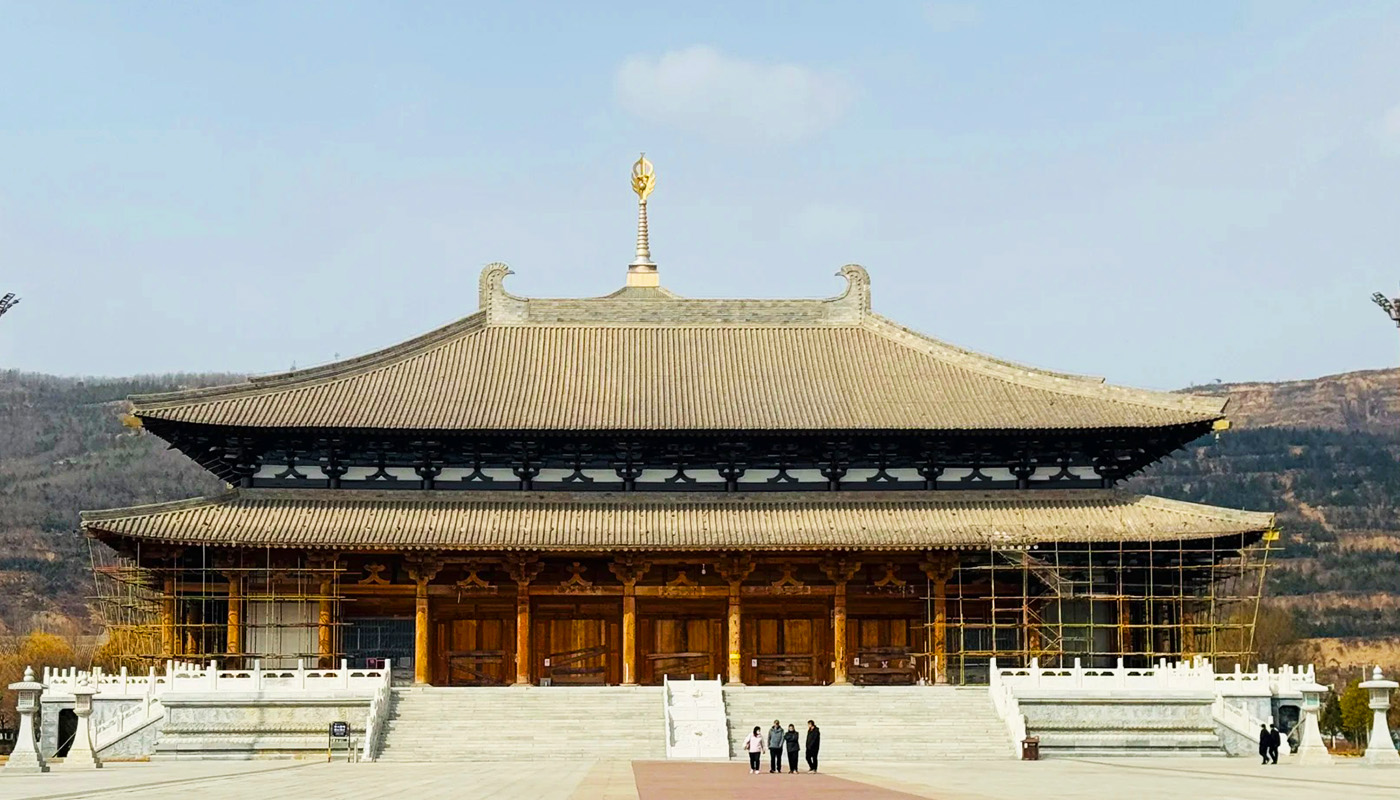
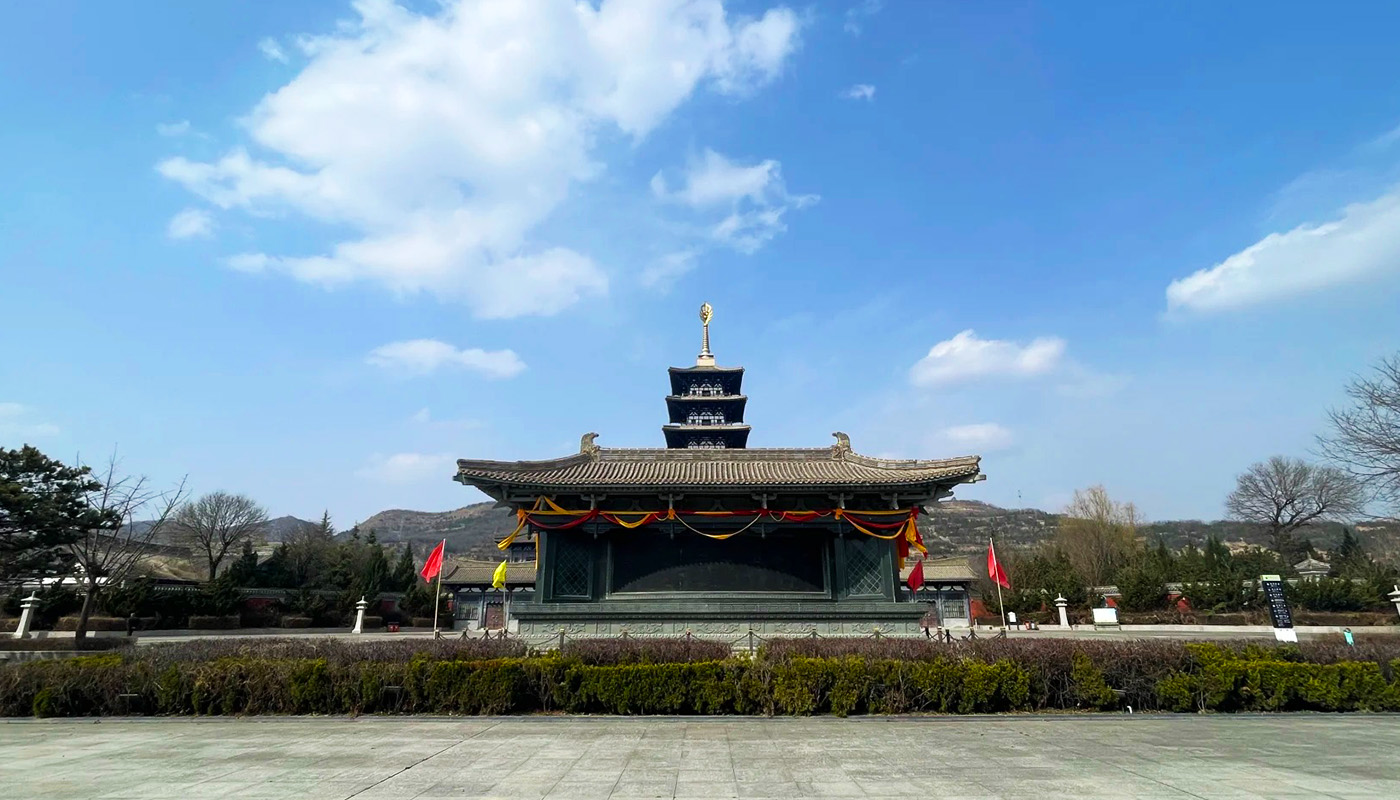
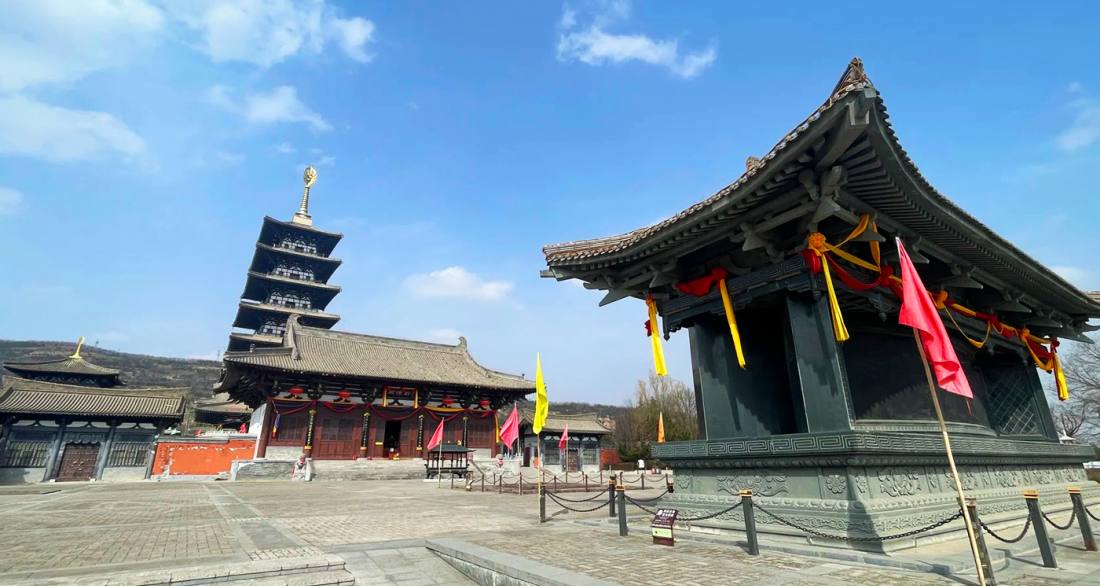
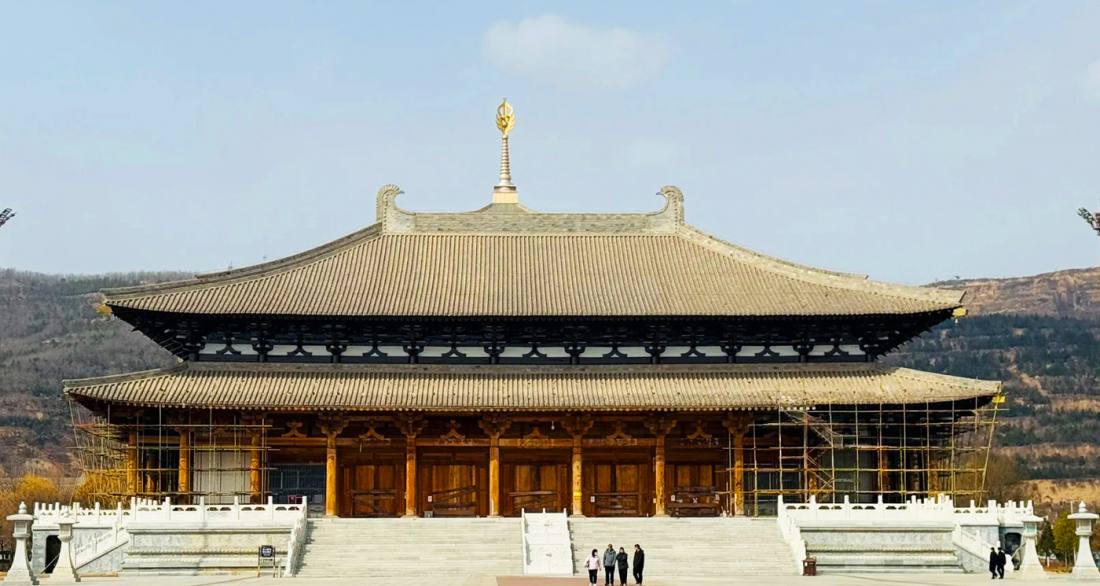
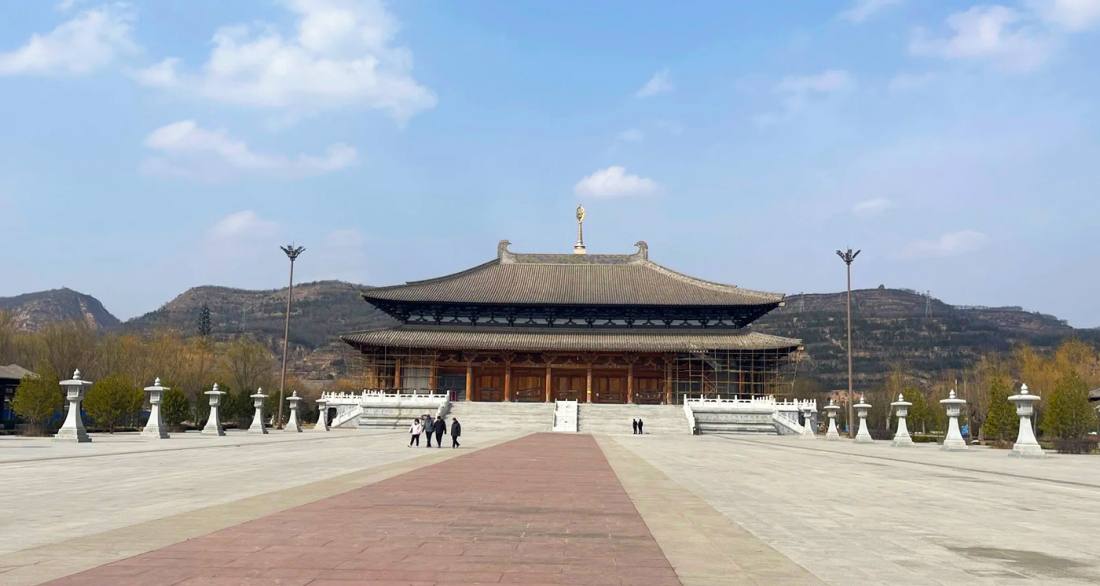
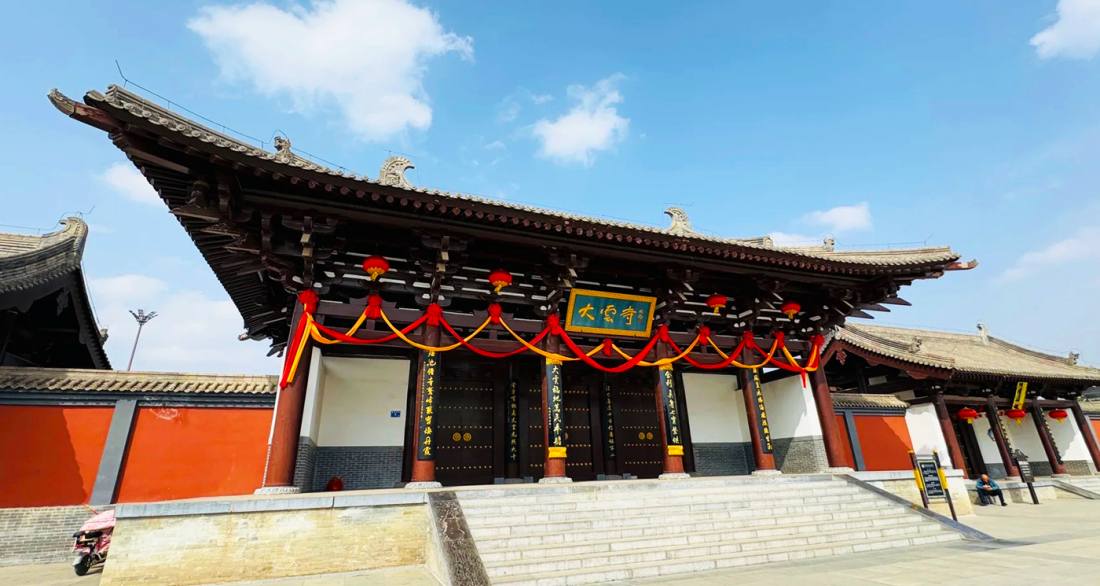
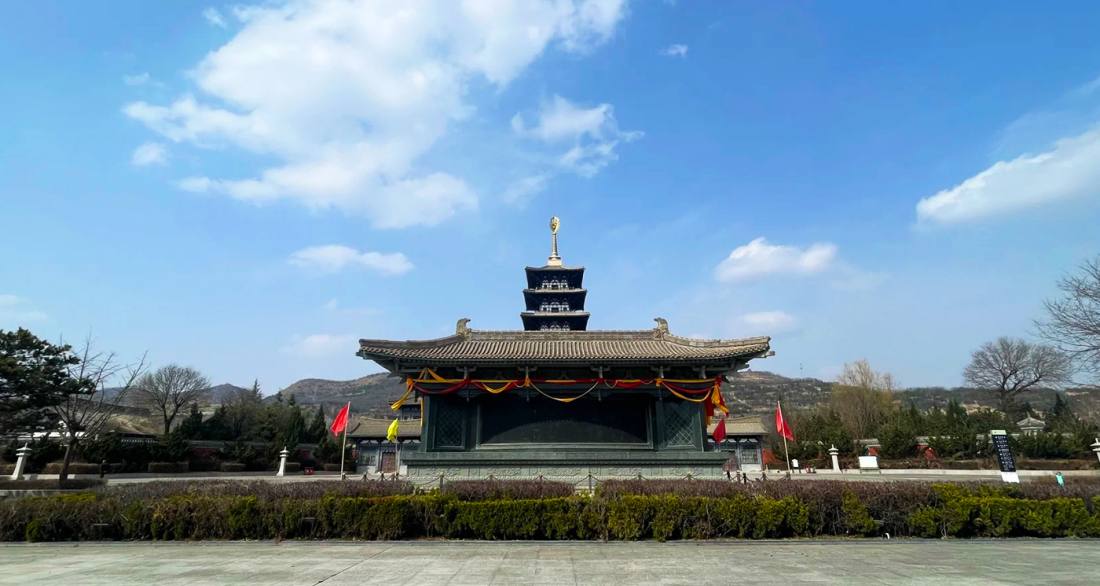
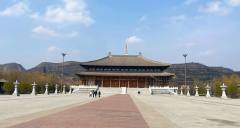
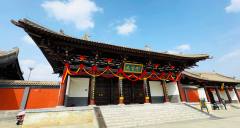
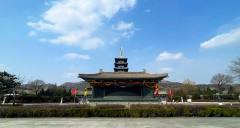
平涼大雲寺(又稱涇川大雲寺)位於甘肅省平涼市涇川縣城西北約1公里處,始建於隋仁壽元年(公元601年),初名大興國寺,後於公元690年由武則天敕令改建為大雲寺,以珍藏《大雲經》並供奉佛舍利。其核心價值在於1964年出土的隋唐五重套函(石函、鎏金銅匣、銀槨、金棺、琉璃瓶)及14粒佛祖骨舍利,這一發現被郭沫若鑑定為國寶級文物,比著名的法門寺地宮早180年,反映了唐代舍利供養制度的劃時代變革。此後在2013年,遺址附近又發現宋代龍興寺地宮,出土佛舍利2000餘粒,形成49年間三次出土佛舍利的罕見現象。現寺內重建的仿唐風格建築群佔地364畝,包括高95米的舍利塔、主展館等,已成為國家AAAA級旅遊景區和甘肅省規模最大的仿唐建築群之一。作為絲綢之路上的佛教文化樞紐,大雲寺不僅以「西有敦煌、東有涇川」的格局展現佛教藝術東傳脈絡,更以舍利瘗葬制度的漢化實證成為研究中國佛教史的重要地標。
Pingliang Dayun Temple (also known as Jingchuan Dayun Temple) is located approximately 1 kilometer northwest of Jingchuan County in Pingliang City, Gansu Province. Originally built in 601 AD during the Sui Dynasty under the name Daxingguo Temple, it was later renamed Dayun Temple by imperial decree of Empress Wu Zetian in 690 AD to enshrine the "Great Cloud Sutra" and house Buddhist relics. Its core significance lies in the 1964 discovery of a five-layer nested reliquary set (stone case, gilded copper box, silver outer coffin, gold coffin, and glass bottle) containing 14 Buddha's bone relics, which were authenticated by Guo Moruo as national treasures. This discovery predates the famous Famen Temple underground palace by 180 years and reflects a groundbreaking evolution in Tang Dynasty relic enshrinement practices. In 2013, a Song Dynasty Longxing Temple underground palace was uncovered near the site, yielding over 2,000 additional Buddhist relics—marking three major relic discoveries within a span of 49 years. The reconstructed complex, designed in Tang-style architecture, spans 364 acres and features a 95-meter-tall pagoda and main exhibition halls, now recognized as a National AAAA-level tourist attraction and one of Gansu's largest Tang-style architectural ensembles. As a pivotal hub of Buddhist culture along the Silk Road, Dayun Temple not only exemplifies the eastward transmission of Buddhist art through the "Dunhuang in the West, Jingchuan in the East" framework but also stands as a critical landmark for studying Chinese Buddhist history through its sinicized relic burial practices.