
| 产品 | 提前预定时间 | 取消政策 | 原价 | 优惠价 | ||
|---|---|---|---|---|---|---|
| 产品 | 提前预定时间 | 取消政策 | 原价 | 优惠价 | ||
|---|---|---|---|---|---|---|
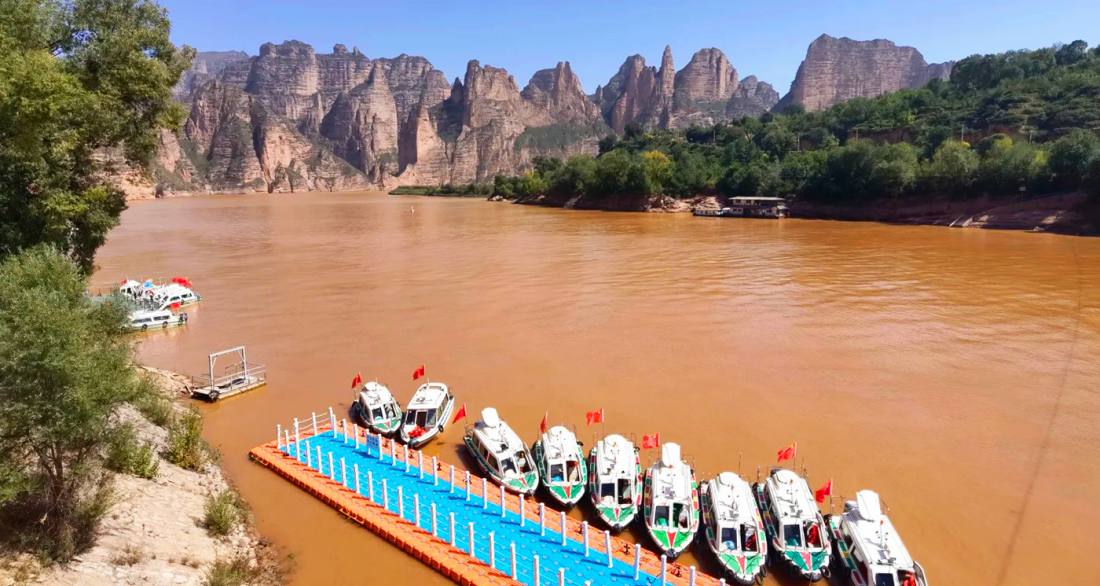
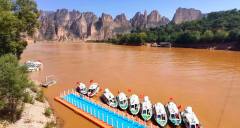
炳靈寺石窟的預定須知與遊玩注意事項如下:景區採取預約購票與現場購票相結合的方式,建議您至少提前一天通過官方平台或授權旅行社預訂船票+門票的組合票(旺季參考價約140-180元),因為主要遊覽方式是先從永靖縣劉家峽大壩或向陽碼頭乘船前往(船程約1-1.5小時),船班數量有限。開放時間旺季(4-10月)為08:30-18:00,淡季(11-次年3月)為09:00-17:30,最晚入園時間通常為閉門前1小時。參觀當日必須攜帶本人有效身份證件進行核驗。石窟位於劉家峽水庫上游,水面風浪較大且日照強烈,乘船時必須全程穿好救生衣,並務必做好防曬、防風措施,建議佩戴墨鏡、帽子並添加外套。景區內需攀爬棧道和台階,請穿著防滑耐磨的徒步鞋或運動鞋。所有洞窟內部嚴禁攝影、攝像、觸摸壁畫及塑像,請自覺遵守文物保護規定。由於往返交通耗時較長,請至少預留4-5小時的總遊覽時間,並自備適量的飲用水與簡餐。出行前請關注天氣和水文情況,如遇大風、大雨等惡劣天氣,遊船可能會停航,景區也可能臨時關閉。
The booking instructions and visiting precautions for the Bingling Temple Grottoes are as follows: The scenic area operates on a combination of advance reservation ticketing and on-site ticket sales. It is recommended that you book a combo ticket (boat + entrance) at least one day in advance through official platforms or authorized travel agencies (peak season reference price approximately 140-180 yuan), as the primary way to visit is by boat from the Liujiaxia Dam or Xiangyang Wharf in Yongjing County (boat ride takes about 1-1.5 hours), and the number of boat departures is limited. Opening hours are 08:30-18:00 during the peak season (Apr-Oct) and 09:00-17:30 during the off-season (Nov-Mar), with the latest entry usually 1 hour before closing. On the day of your visit, you must bring your valid personal ID document for verification. The grottoes are located upstream of the Liujiaxia Reservoir, where the water can be rough and sunlight intense. Life jackets must be worn throughout the boat journey, and sun protection and windproof measures are essential; wearing sunglasses, a hat, and an extra layer is advised. The site involves climbing walkways and steps, so wear anti-slip, durable hiking or sports shoes. Photography, videography, and touching the murals or statues are strictly prohibited inside all caves; please consciously comply with cultural relics protection regulations. Due to the lengthy round-trip travel time, allocate at least 4-5 hours for the entire visit and bring an adequate supply of drinking water and snacks. Check weather and hydrological conditions before your trip; boat services may be suspended and the site may close temporarily in case of severe weather such as strong winds or heavy rain.
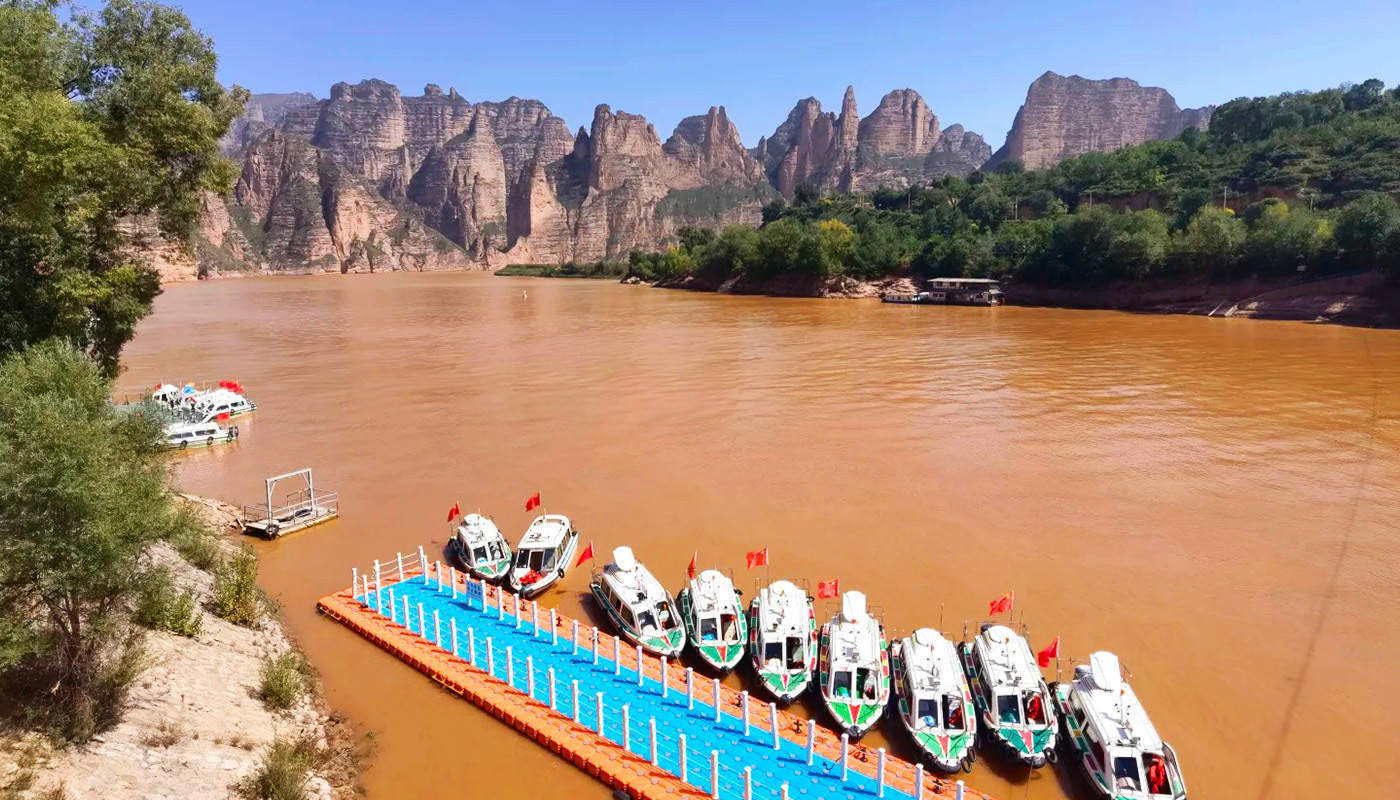
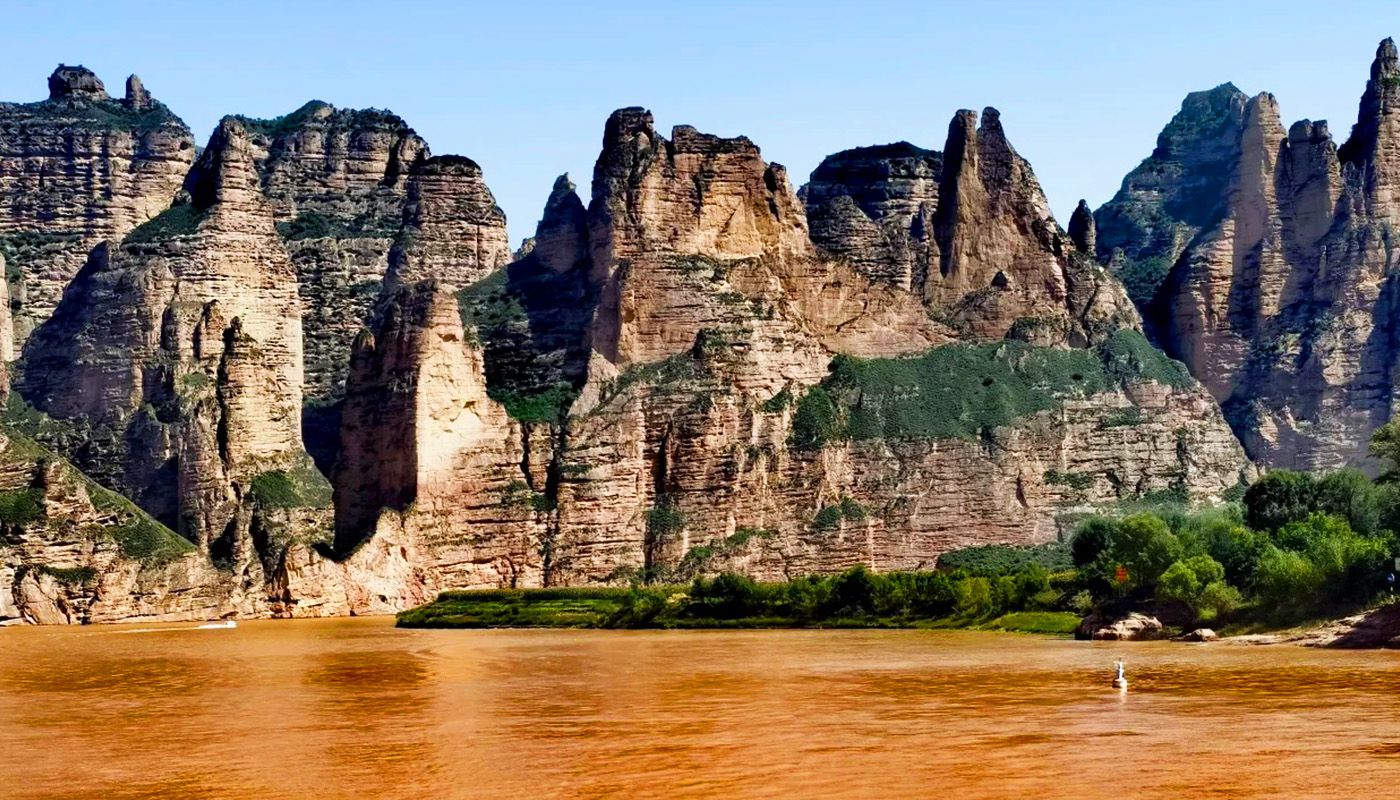
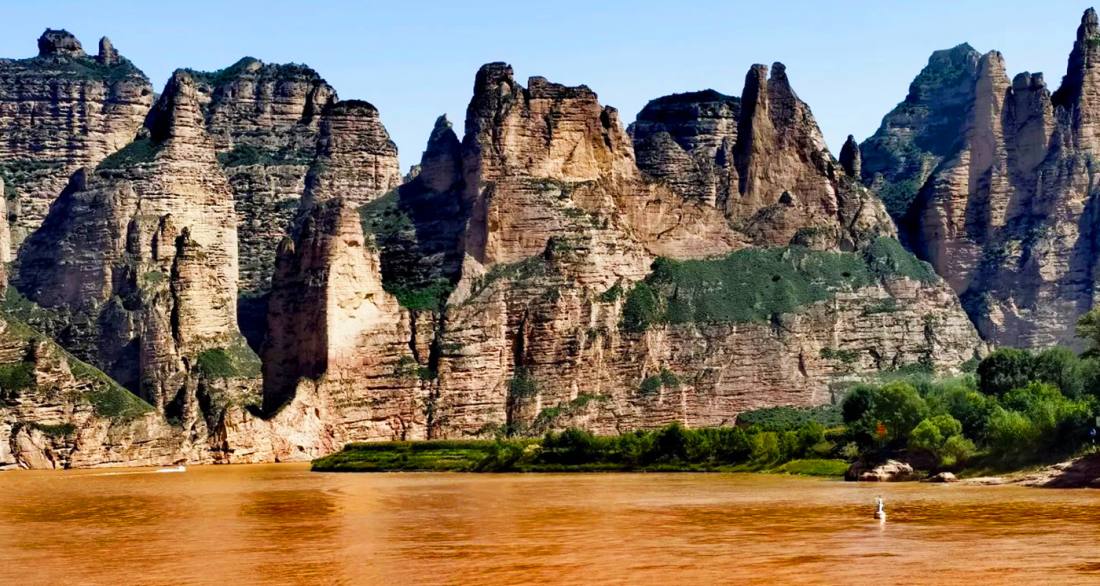
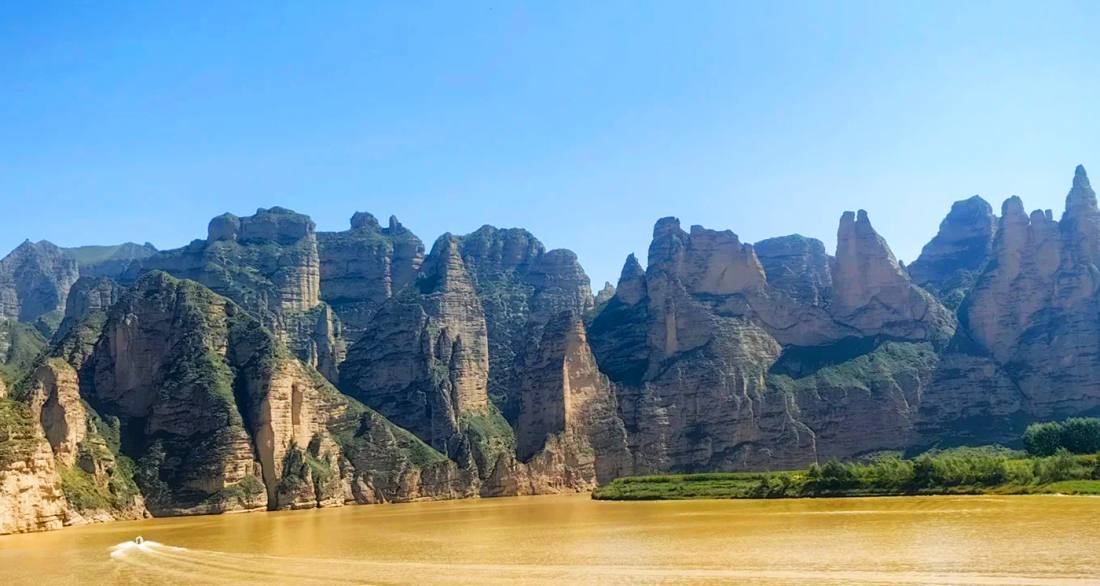
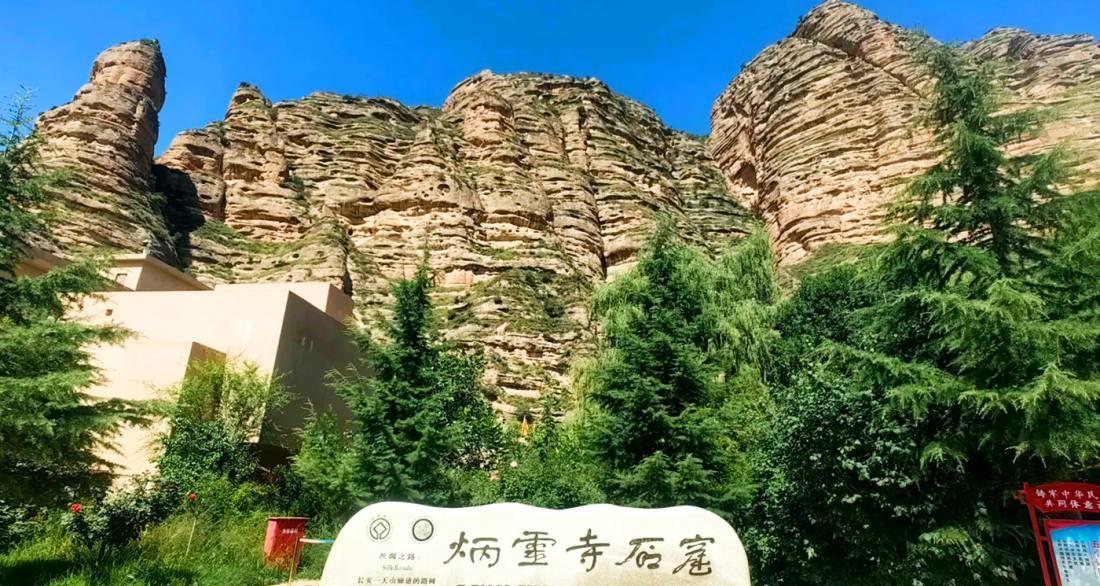
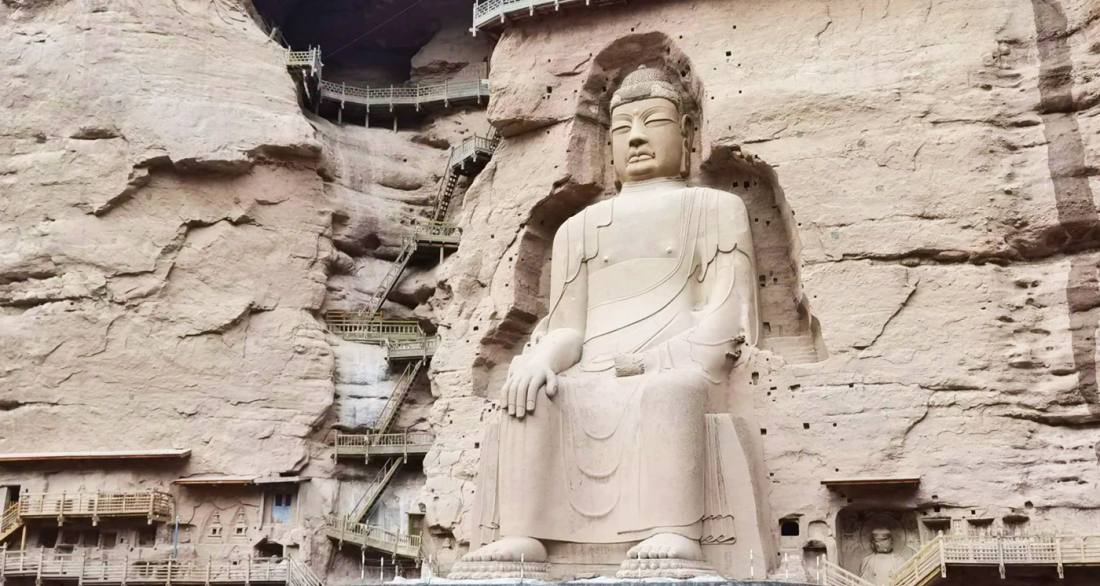
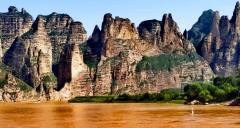
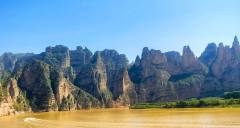
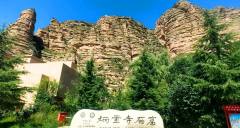
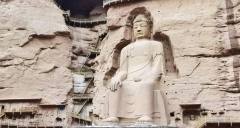
炳靈寺石窟位於甘肅省臨夏回族自治州永靖縣西南約35公里處的黃河三峽(劉家峽、鹽鍋峽、八盤峽)核心區,坐落於劉家峽水庫上游大寺溝西岸的峭壁上,是中國著名的石窟寺之一,其歷史始於西秦建弘元年(公元420年),歷經北魏、北周、隋、唐、宋、元、明、清各代不斷擴建,現存窟龕216個,石雕造像815尊,壁畫約1000平方米。其核心價值在於保存有中國石窟中最早的紀年題記(第169窟西秦「建弘元年」墨書),開創了內地石窟營建年代的先河;石窟藝術風格鮮明,早期造像受犍陀羅與西域影響,唐代達到鼎盛,宋代以後融入藏傳佛教元素,形成了漢藏藝術交融的獨特風貌。作為世界文化遺產「絲綢之路:長安-天山廊道的路網」重要節點、全國重點文物保護單位和國家AAAA級旅遊景區,炳靈寺石窟不僅是研究中國佛教藝術史、絲綢之路文化交流的「活化石」,更以其「峰如林、水如鏡、窟如星」的自然與人文奇觀,被譽為「黃河上的藝術明珠」。
The Bingling Temple Grottoes are located about 35 kilometers southwest of Yongjing County in the Linxia Hui Autonomous Prefecture of Gansu Province, situated on the cliff face along the west bank of the Dasi Gully upstream from the Liujiaxia Reservoir in the core area of the Yellow River Three Gorges (Liujiaxia, Yangwoxia, and Bapanxia). They are one of China’s renowned cave temple complexes, with their history beginning in the first year of Jianhong of the Western Qin dynasty (420 AD). Continuously expanded through the Northern Wei, Northern Zhou, Sui, Tang, Song, Yuan, Ming, and Qing dynasties, the site now comprises 216 caves and niches, 815 stone statues, and approximately 1,000 square meters of murals. Its core value lies in preserving the earliest dated inscription found in Chinese grottoes (the ink inscription “Jianhong First Year” in Cave 169 of the Western Qin), setting a precedent for dating cave constructions in inland China. The artistic style of the grottoes is distinct: early statues show influences from Gandhara and the Western Regions, reached their zenith during the Tang dynasty, and incorporated Tibetan Buddhist elements after the Song dynasty, forming a unique blend of Han and Tibetan artistic traditions. As a key site of the UNESCO World Heritage “Silk Roads: the Routes Network of Chang’an-Tianshan Corridor,” a National Key Cultural Relics Protection Unit, and a National AAAA-level Tourist Attraction, the Bingling Temple Grottoes are not only a “living fossil” for studying the history of Chinese Buddhist art and cultural exchanges along the Silk Road but are also acclaimed as the “Art Pearl on the Yellow River” for their natural and cultural wonder, where “peaks stand like a forest, waters reflect like a mirror, and caves scatter like stars.”