
| 产品 | 提前预定时间 | 取消政策 | 原价 | 优惠价 | ||
|---|---|---|---|---|---|---|
| 产品 | 提前预定时间 | 取消政策 | 原价 | 优惠价 | ||
|---|---|---|---|---|---|---|
八坊十三巷的預定須知與遊玩注意事項如下:作為開放式歷史文化街區,景區免費開放且無需預約,核心街巷與公共區域全天24小時可自由進出,但部分室內展館(如民俗館、非遺館等)的開放時間通常為上午八點半至晚上十點,建議提前了解。街區由多條小巷構成,路面以石板和磚塊為主,建議穿著舒適的平底鞋遊覽。請尊重當地回族風俗習慣,進入清真寺等宗教場所時應注意著裝得體(避免穿著過於暴露的服裝),保持安靜,未經許可請勿對禮拜者拍照。街區內商舖、手工作坊林立,購物時可禮貌議價;品嘗特色小吃(如河州包子、發子麵腸、甜麥子)時請注意飲食衛生。夜間遊覽燈光璀璨,但部分小巷照明有限,請注意腳下安全。請愛護歷史建築與公共設施,請勿塗抹刻畫或攀爬磚雕、木構;街區為居民生活區,請勿高聲喧嘩,避免干擾當地居民正常生活。
The booking instructions and visiting precautions for Bafang Thirteen Lanes are as follows: As an open-air historical and cultural district, the area is free to enter and requires no reservation. The core lanes and public spaces are accessible 24 hours a day, but some indoor venues (such as folk custom museums and intangible cultural heritage centers) generally operate from 8:30 AM to 10:00 PM—it is advisable to check in advance. The neighborhood consists of numerous narrow lanes paved mainly with stone slabs and bricks, so wearing comfortable flat shoes is recommended. Please respect local Hui ethnic customs; when entering religious sites like mosques, dress modestly (avoid overly revealing clothing), maintain quiet, and do not photograph worshippers without permission. The lanes are lined with shops and craft workshops, where polite bargaining is acceptable when shopping. When sampling local snacks (such as Hezhou steamed buns, Fazhi Noodle Sausage, and sweet wheat porridge), pay attention to food hygiene. The area is beautifully lit at night, but some lanes have limited lighting, so watch your step. Please protect the historical architecture and public facilities—do not scribble, carve, or climb on brick carvings and wooden structures. As this is a residential neighborhood, avoid loud noises to prevent disturbing local residents' daily lives.
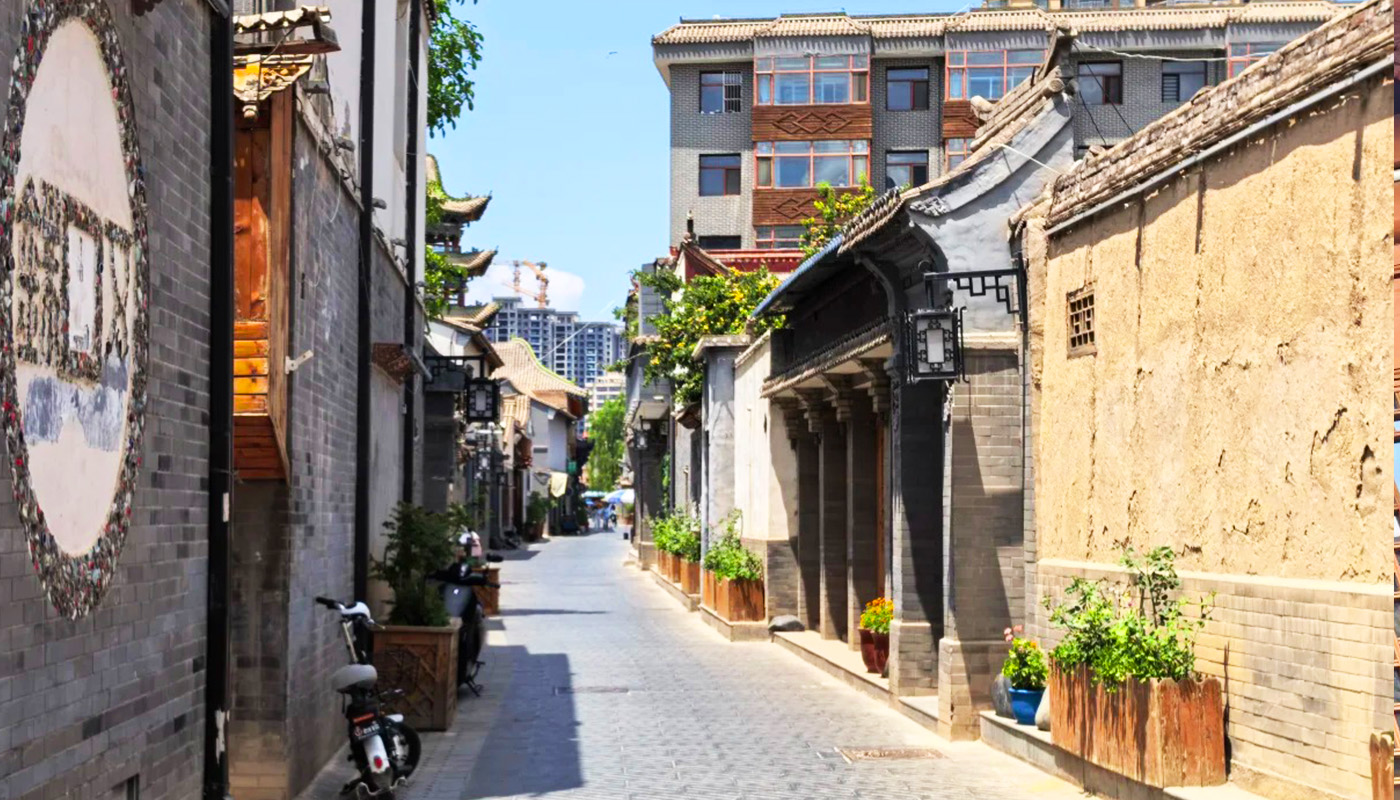
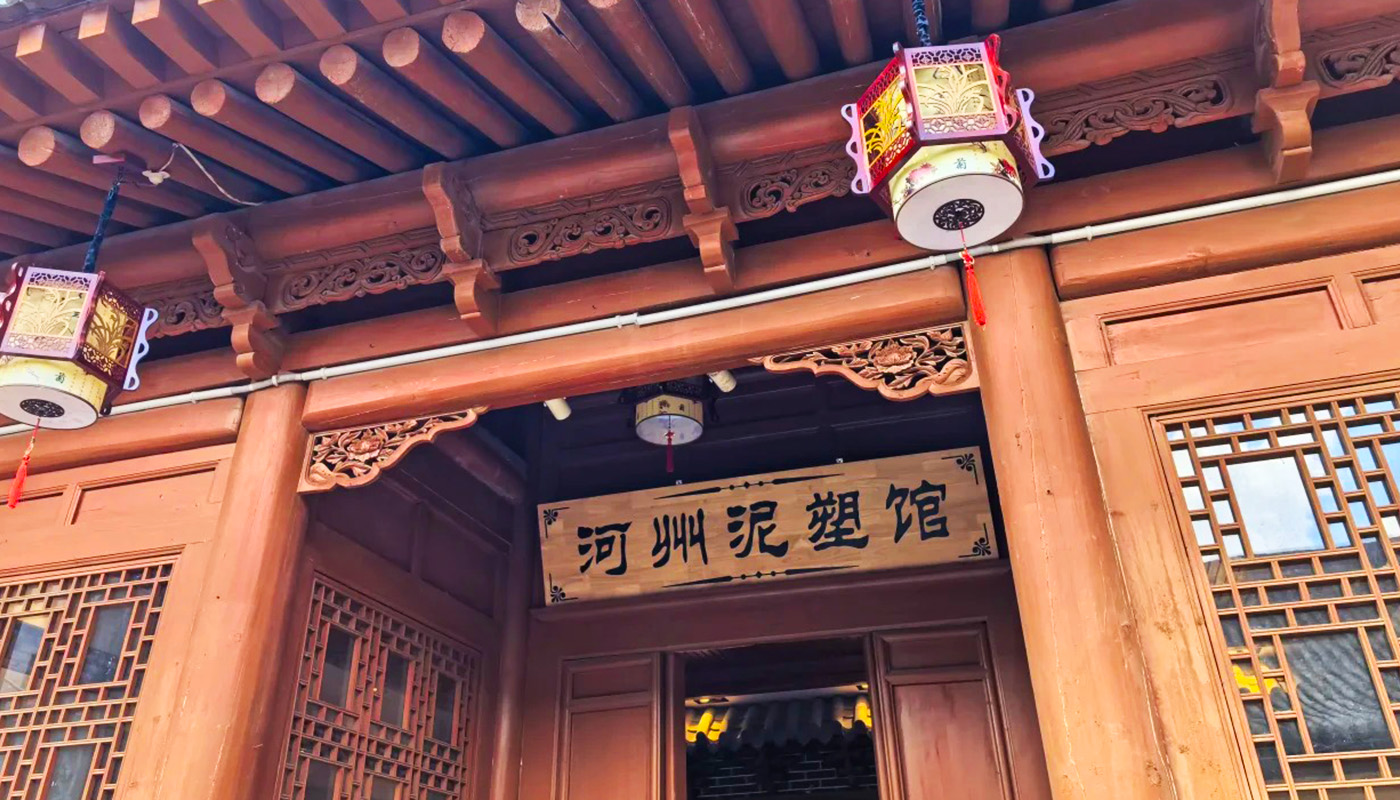
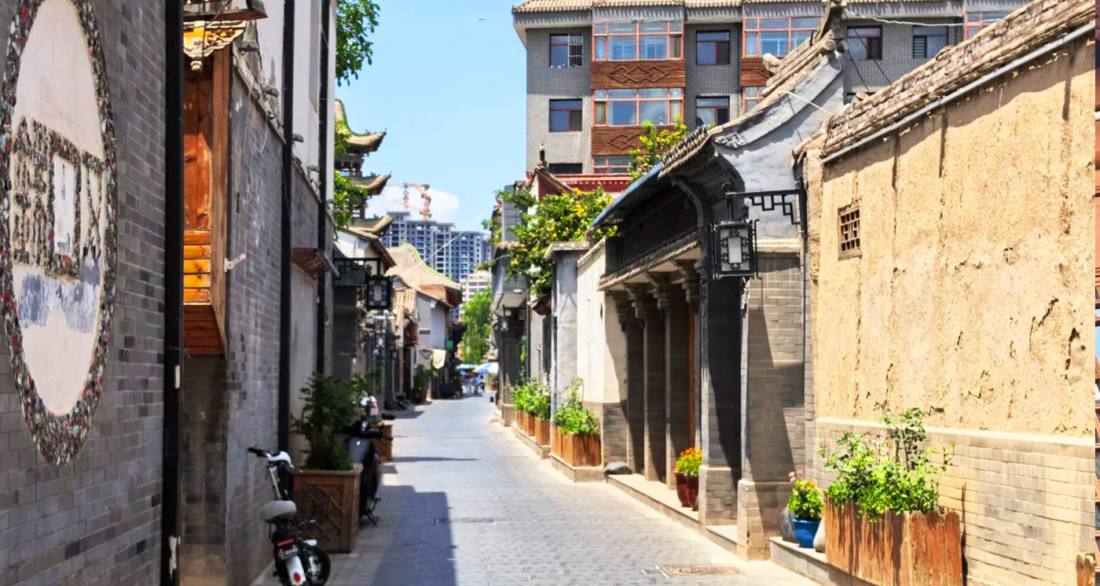
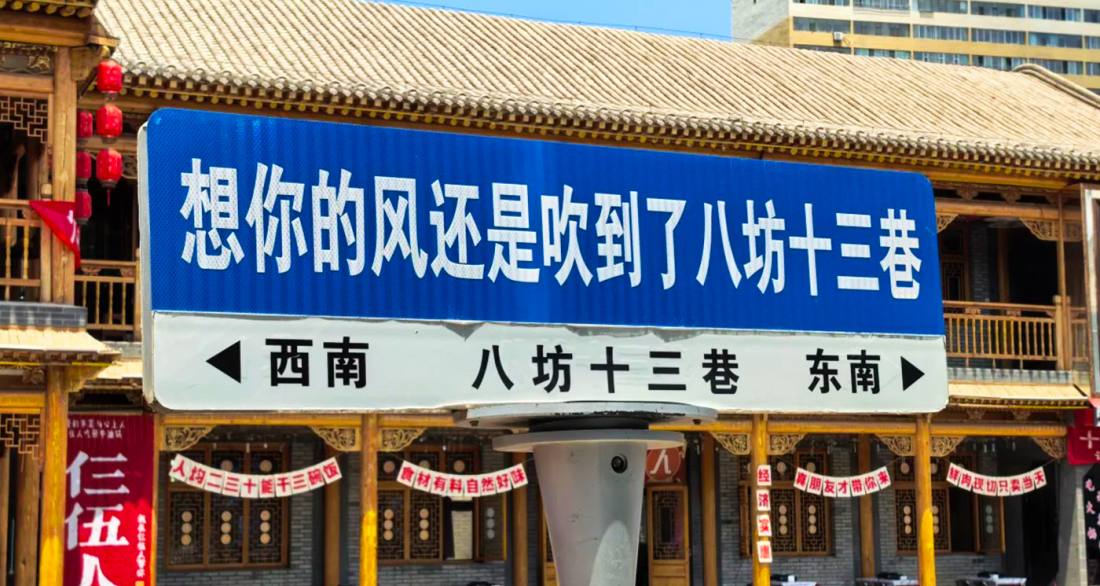
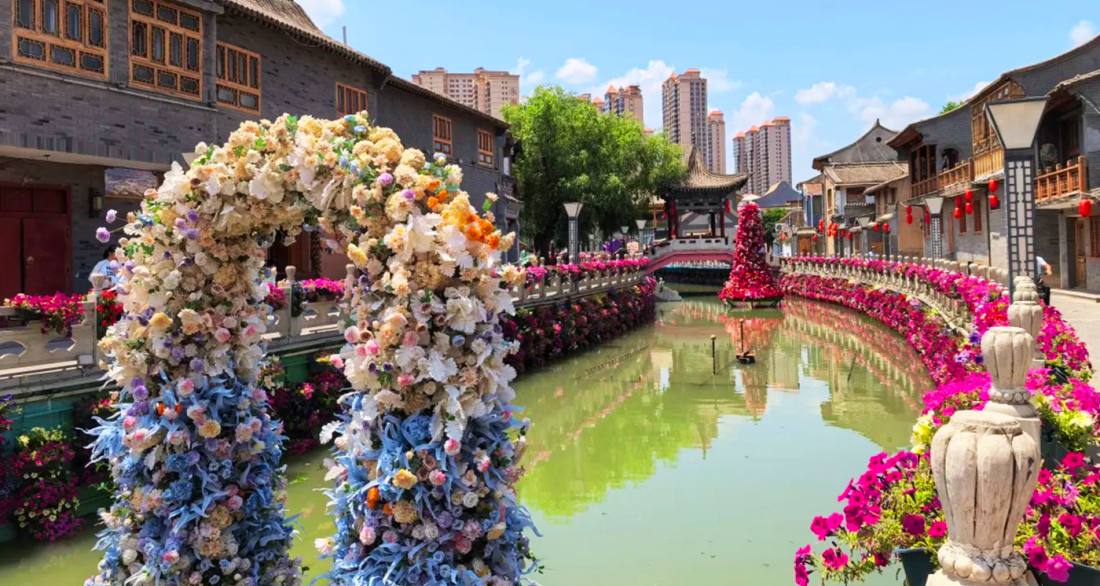
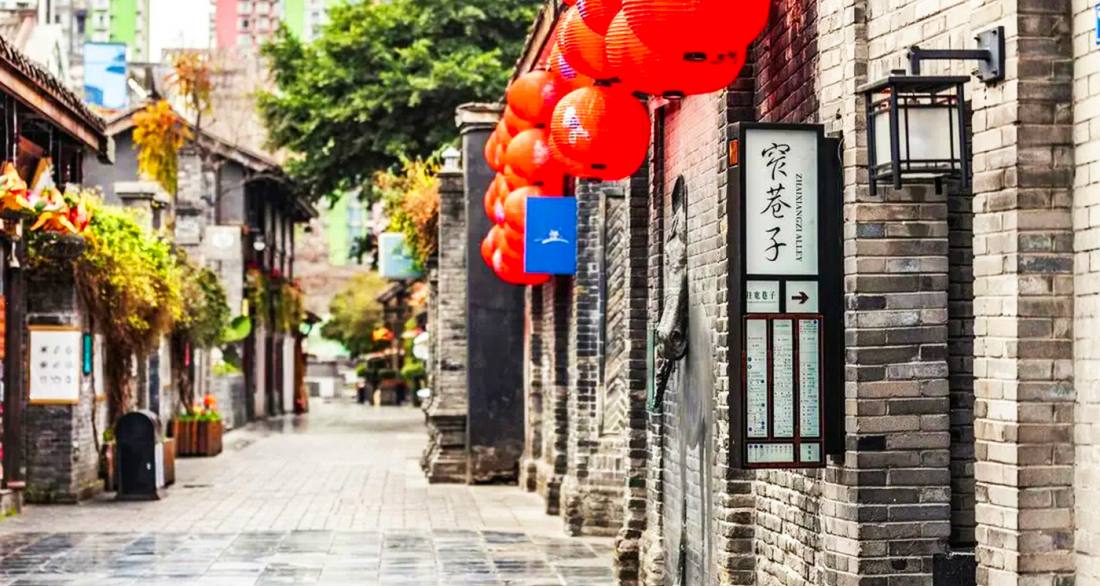
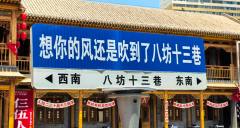
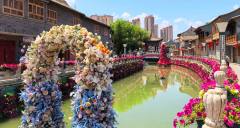
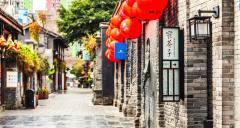
八坊十三巷位於甘肅省臨夏回族自治州首府臨夏市前河沿西路,是中國西北地區規模最大、保存最完整的回族聚居區和歷史文化街區,其歷史可追溯至唐宋時期的茶馬互市,成型於明清,因八座“坊”和十三條“巷”的棋盤式街巷格局而得名。街區完整保留了傳統的四合院、三合院等院落式民居建築,其精髓在於融合了回族磚雕、漢族木刻、藏族彩繪以及伊斯蘭書法裝飾的多元藝術風格,被譽為“露天的民族建築藝術博物館”和“河州文化的活態樣本”。這裏不僅是回族“花兒”民歌、泥塑、雕刻等非物質文化遺產的傳承空間,也彙集了河州包子、發子麵腸、甜麥子等特色美食。作為國家AAAA級旅遊景區和國家級旅遊休閒街區,八坊十三巷以其原汁原味的市井生活氣息、深厚的民族宗教文化底藴,生動展現了古河州作為“西部旱碼頭”在絲綢之路上的歷史地位與多元共榮的人文畫卷。
Bafang Thirteen Lanes is located on Qianheyan West Road in Linxia City, the capital of the Linxia Hui Autonomous Prefecture in Gansu Province. It is the largest and best-preserved Hui ethnic residential area and historical-cultural district in Northwest China. Its origins can be traced back to the tea-horse trade during the Tang and Song dynasties, taking shape in the Ming and Qing periods, and derives its name from the chessboard-like layout of eight “blocks” (fang) and thirteen “lanes” (xiang). The district retains intact traditional courtyard residences such as siheyuan (quadrangles) and sanheyuan (tri-courtyard houses). Its essence lies in the harmonious fusion of diverse artistic styles: Hui brick carving, Han woodcarving, Tibetan color painting, and Islamic calligraphic decoration, earning it the titles “open-air museum of ethnic architecture” and “living specimen of Hezhou culture.” It serves not only as a space for inheriting intangible cultural heritages like the Hui “Hua'er” folk songs, clay sculpture, and engraving but also gathers local delicacies such as Hezhou steamed buns, Fazhi noodle sausage, and sweet wheat porridge. As a National AAAA-level tourist attraction and a national-level tourism and leisure district, Bafang Thirteen Lanes, with its authentic neighborhood atmosphere and profound ethnic-religious cultural heritage, vividly illustrates the historical role of ancient Hezhou as the “dry port of the West” on the Silk Road and showcases a dynamic tapestry of multicultural coexistence.