
| 产品 | 提前预定时间 | 取消政策 | 原价 | 优惠价 | ||
|---|---|---|---|---|---|---|
| 产品 | 提前预定时间 | 取消政策 | 原价 | 优惠价 | ||
|---|---|---|---|---|---|---|
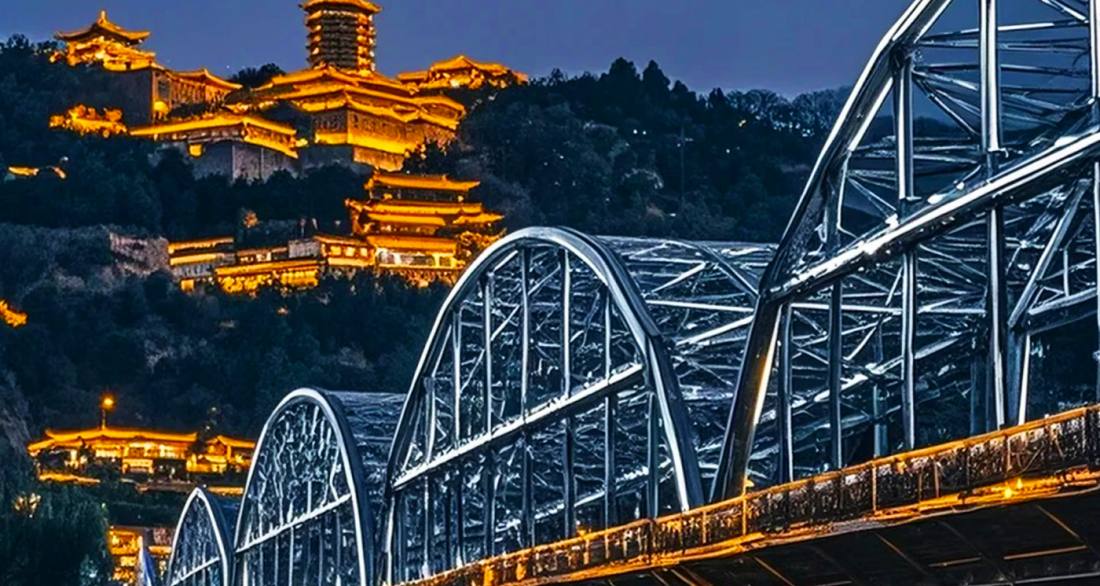
中山橋作為開放式公共橋樑與文物景點,其參觀須知與注意事項如下:景區實行24小時免費開放,無需預約或購票,隨時可以步行上橋遊覽。橋上嚴禁一切機動車輛、電動車及自行車駛入,僅限行人通行。由於橋面為鋼結構格柵路面,部分區域可能較滑或有縫隙,建議穿著防滑、舒適的平底鞋行走,並注意腳下安全。請勿攀爬橋欄或倚靠、坐在欄杆上,請勿向下拋物。橋面寬度有限,尤其在旅遊旺季及晚間人多擁擠時,請有序前行,避免長時間停留堵塞通道。橋體本身為全國重點文物保護單位,請愛護文物,禁止刻畫、塗抹或用硬物敲擊。夜晚燈光亮起時(通常至23:00左右)是觀賞和拍攝黃河夜景的黃金時段,但此時人流量最大,需格外注意隨身財物安全和照看好隨行兒童。橋樑連接黃河南北兩岸,可通過南北兩側的濱河路輕鬆抵達,周邊有白塔山公園、黃河母親雕塑等多個景點,建議一併規劃遊覽。
As an open public bridge and heritage site, the following guidelines and precautions apply to visiting the Zhongshan Bridge: The site is open 24 hours a day, free of charge, with no reservation or ticket required; visitors may walk onto the bridge at any time. All motor vehicles, electric bicycles, and regular bicycles are strictly prohibited; pedestrian access only. Since the deck consists of a steel grid surface, some areas may be slippery or have gaps. It is recommended to wear comfortable, flat shoes with good grip and watch your step. Do not climb, lean on, or sit on the railings, and do not throw objects from the bridge. The bridge deck is of limited width, especially during peak tourist seasons and crowded evenings; please proceed in an orderly manner and avoid lingering to prevent blocking the path. The bridge itself is a National Key Cultural Relics Protection Unit; please respect the artifact by refraining from carving, marking, or striking it with hard objects. When the nighttime lights are illuminated (usually until around 23:00), it is an ideal time to view and photograph the Yellow River nightscape, but as this period sees the highest pedestrian traffic, extra care should be taken to safeguard personal belongings and supervise accompanying children. Connecting the north and south banks of the Yellow River, the bridge is easily accessible via Binhe Road on both sides. Nearby attractions such as Baitashan Park and the Mother of the Yellow River Sculpture can be conveniently visited as part of the same itinerary.
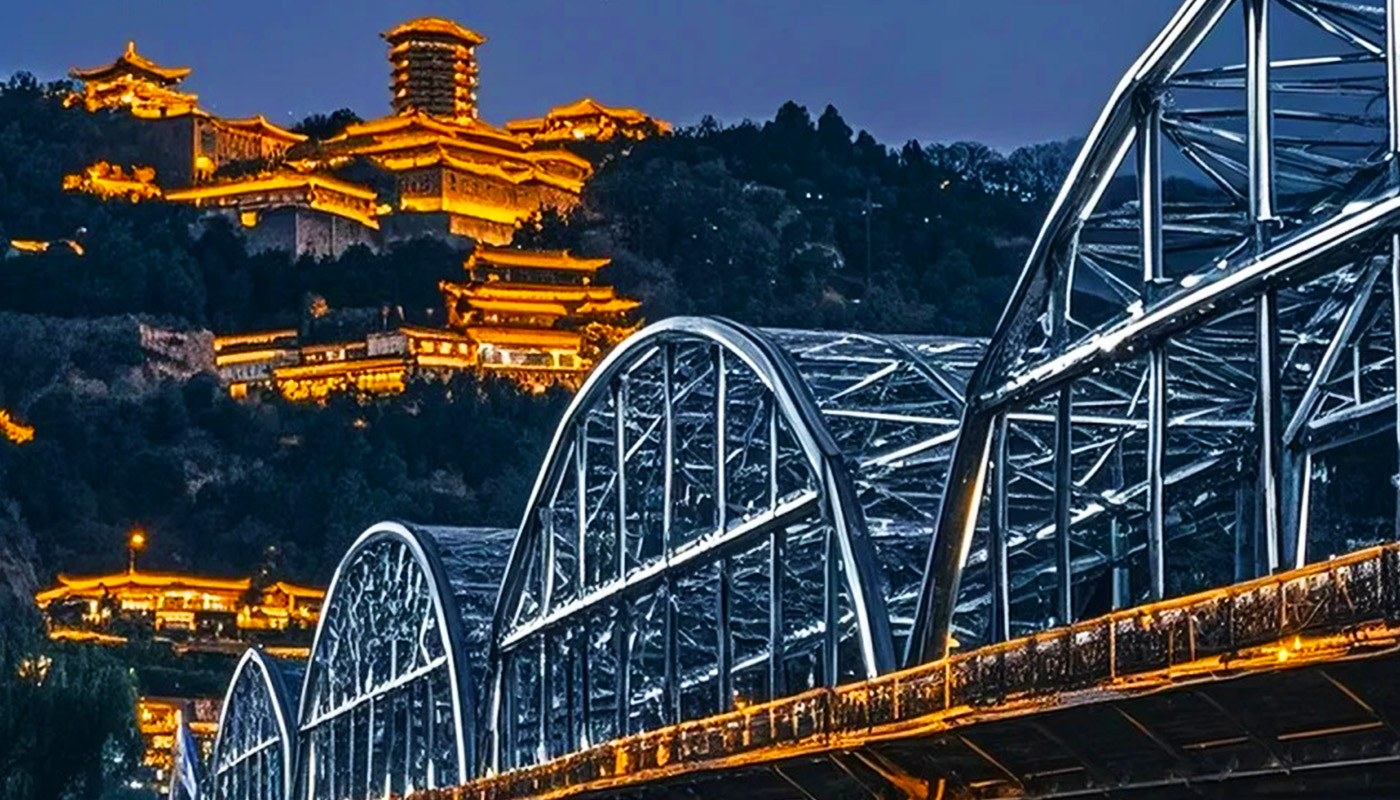
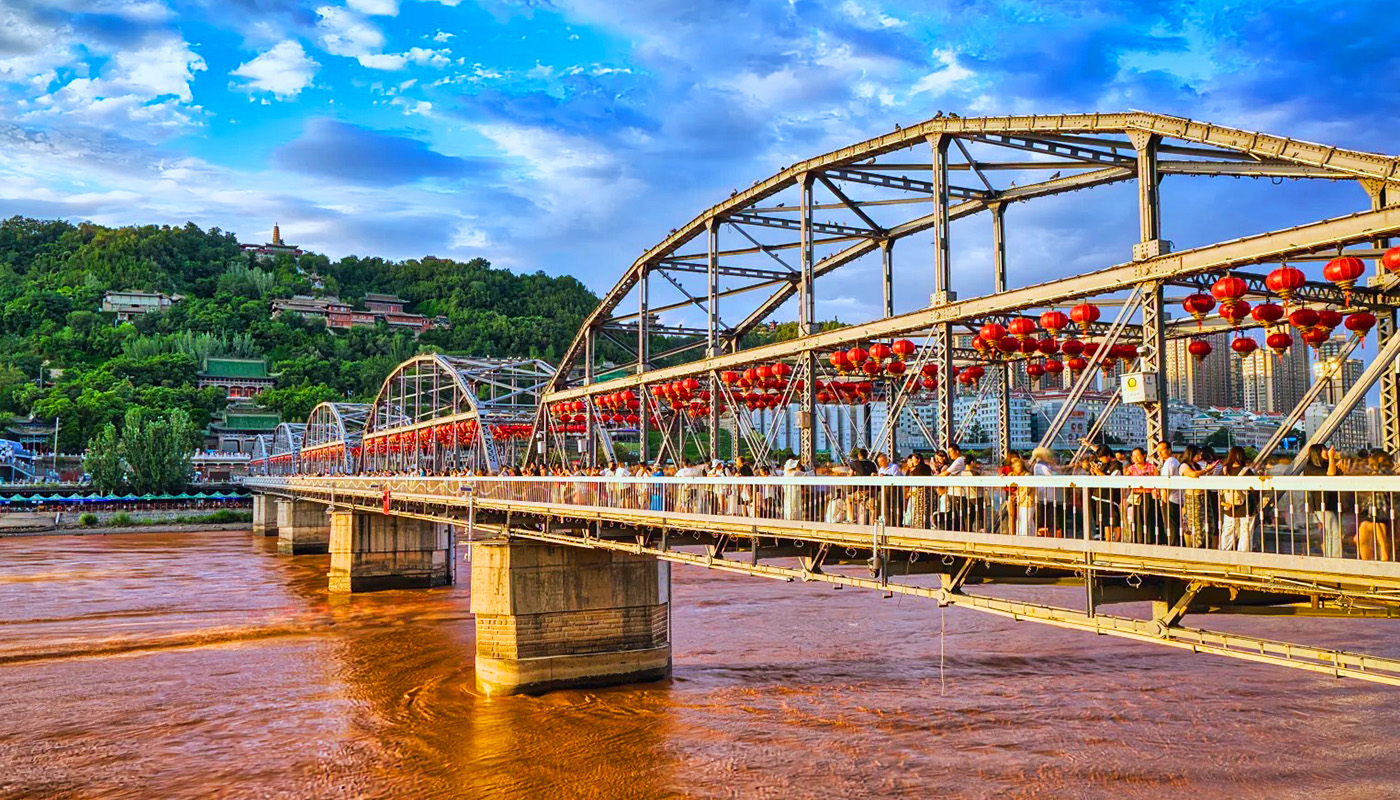
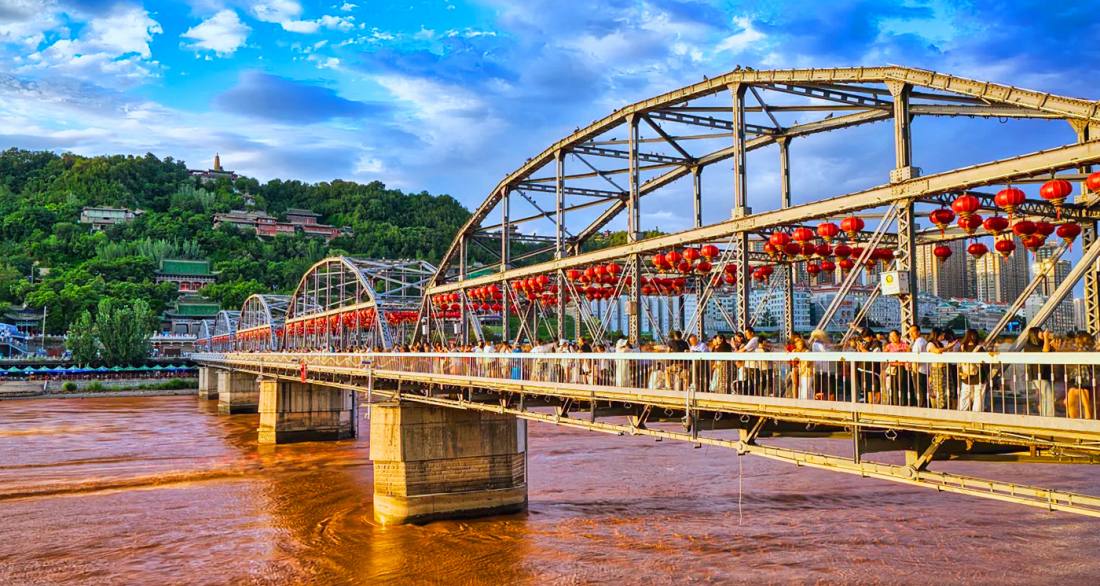
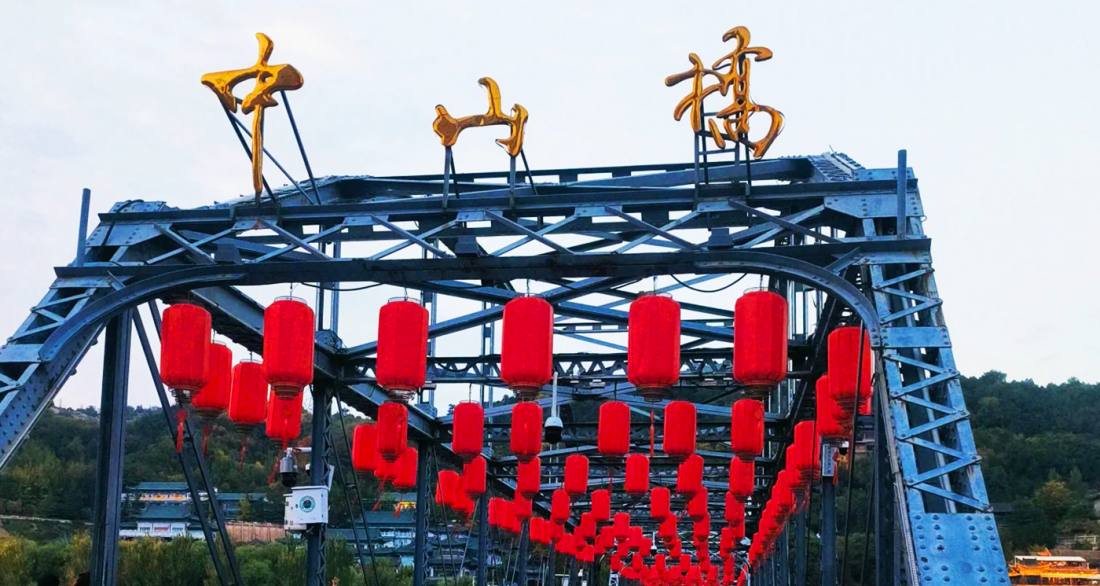
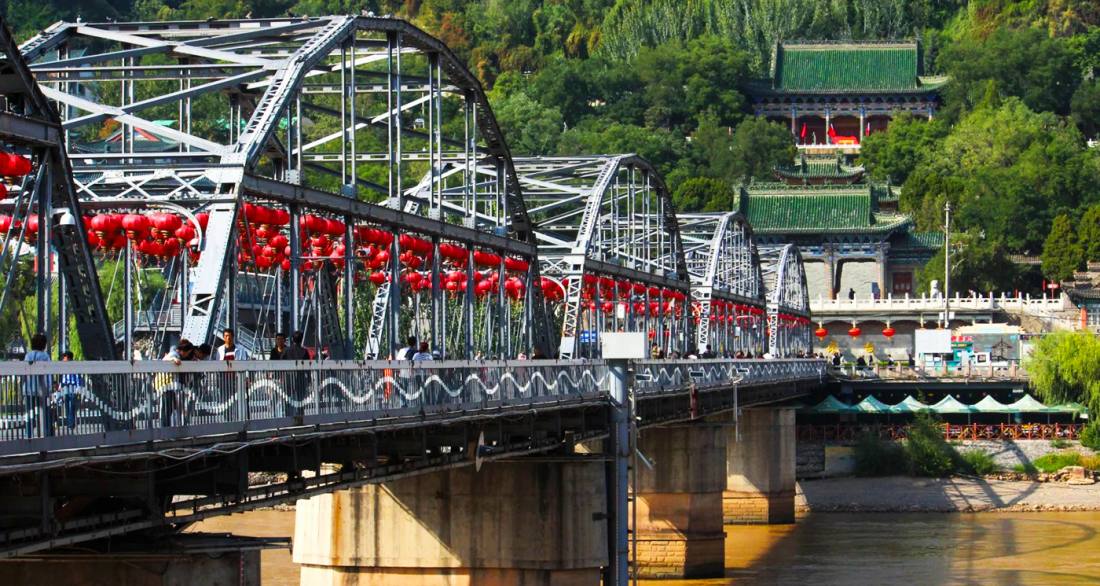
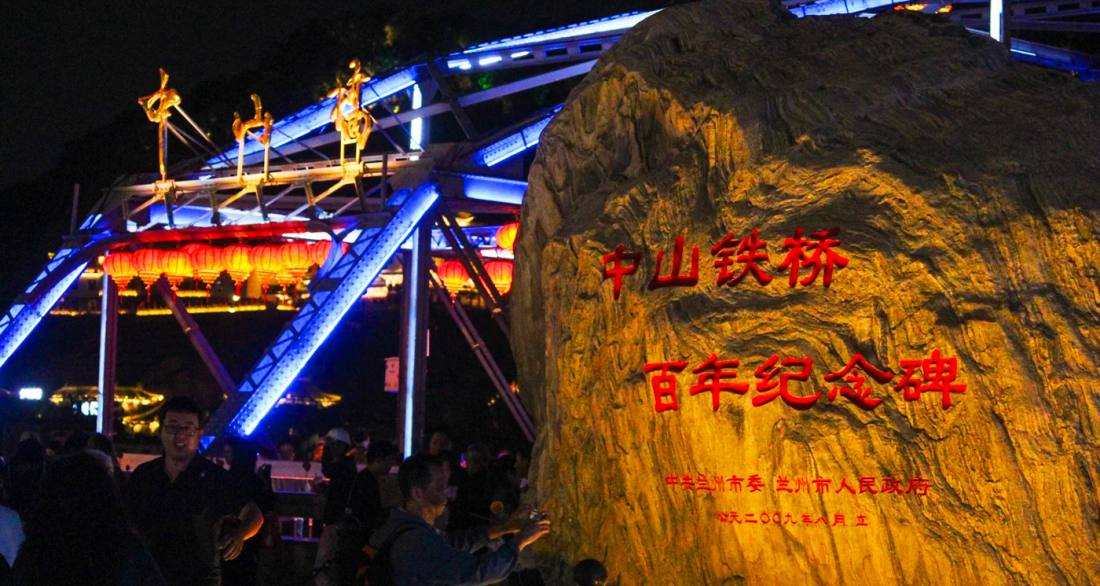
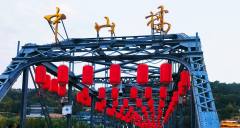
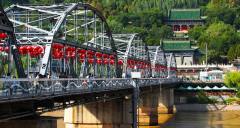
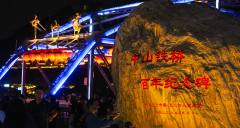
中山橋(原名「蘭州黃河鐵橋」)坐落於甘肅省蘭州市城關區,橫跨黃河,北接白塔山,南臨黃河風情線,是黃河上第一座真正意義上的永久性近代鋼鐵橋樑,素有「天下黃河第一橋」之稱。該橋由清政府於清光緒三十三年(1907年)耗資白銀三十萬六千餘兩,委託德國泰來洋行承建,美國橋樑公司設計,並於宣統元年(1909年)竣工通行。橋長233.5米,寬7.5米,採用五孔四墩鋼桁架結構,橋身全部建材均由德國海運至天津,再經鐵路、駱駝和人力輾轉運抵蘭州,歷時近兩年建成,工程之艱巨被譽為「中國近代橋樑史的里程碑」。1954年,橋面經加固修繕並加設弧形鋼拱梁,沿用至今。作為全國重點文物保護單位和國家AAA級旅遊景區,中山橋不僅是蘭州溝通黃河南北的交通樞紐與城市象徵,更承載了百年來的滄桑歷史,如今已成為集歷史、建築、景觀於一體的步行觀光地標,見證了蘭州的變遷與發展。
The Zhongshan Bridge (originally named "Lanzhou Yellow River Iron Bridge") is situated in Chengguan District, Lanzhou City, Gansu Province, spanning the Yellow River. It connects Baita Mountain to the north and borders the Yellow River Scenic Corridor to the south. Renowned as the "First Bridge over the Yellow River," it is the first true permanent modern steel bridge constructed over the Yellow River. Commissioned by the Qing government in the 33rd year of the Guangxu reign (1907) at a cost of over 306,000 taels of silver, the bridge was built by the German firm Telge & Schroeter and designed by an American bridge company. It opened for use in the first year of the Xuantong reign (1909). Measuring 233.5 meters in length and 7.5 meters in width, the bridge features a five-span, four-pier steel truss structure. All building materials were shipped from Germany to Tianjin and then transported to Lanzhou via rail, camel, and human labor over nearly two years. Its challenging construction earned it the title of "a milestone in the history of modern Chinese bridge engineering." In 1954, the deck was reinforced and retrofitted with arched steel girders, which remain in use today. As a National Key Cultural Relics Protection Unit and a National AAA-level Tourist Attraction, the Zhongshan Bridge is not only a vital transportation link connecting the north and south banks of the Yellow River in Lanzhou and a symbol of the city but also a witness to a century of historical vicissitudes. Today, it stands as a pedestrian sightseeing landmark integrating history, architecture, and landscape, chronicling Lanzhou's transformation and development.