
| 产品 | 提前预定时间 | 取消政策 | 原价 | 优惠价 | ||
|---|---|---|---|---|---|---|
| 产品 | 提前预定时间 | 取消政策 | 原价 | 优惠价 | ||
|---|---|---|---|---|---|---|
榆林石窟(榆林窟)的預定須知與參觀注意事項如下:石窟嚴格執行實名制分時預約參觀制度,所有遊客須提前通過“榆林窟”官方微信公眾號、敦煌研究院官網或授權第三方平台(如攜程、美團)預約購票,現場不售當日票,並請在預約時段內抵達。門票分為普窟票(約40元)和特窟票(第2、3、4、25等窟,每窟約100-200元不等),特窟名額極少且只在旺季開放,需在參觀現場另行預約購買,且特窟票一經售出概不退換。參觀當日,必須攜帶本人有效身份證原件,在榆林窟文物保護站(停車場旁)完成實名核驗,換取紙質參觀券,並按照景區安排的批次統一由專業講解員帶領進入,嚴禁自行進入洞窟或脫離隊伍。洞窟內全程禁止拍照、攝像、觸摸壁畫和塑像,禁止使用手機照明,禁止大聲喧嘩、飲食及丟棄任何廢棄物。由於地處戈壁峽谷,日照強烈且風沙較大,建議穿著便於行走的防滑鞋,並做好防曬、防風沙準備,隨身攜帶飲用水。石窟開放時間隨季節調整(旺季5-10月約9:00-17:30,淡季11-4月約10:00-17:00),且每週一閉館(國家法定節假日除外),請務必提前查詢確認。為保護珍貴脆弱的壁畫,部分洞窟可能會因文物保護需要而臨時關閉,敬請理解。
The booking instructions and visiting precautions for the Yulin Caves (Yulin Grottoes) are as follows: The caves enforce a strict real-name, timed-reservation system. All visitors must book and purchase tickets in advance via the official WeChat account (“榆林窟”), the Dunhuang Academy website, or authorized third-party platforms (e.g., Ctrip, Meituan). On-site ticket sales for the same day are unavailable; please arrive within your reserved time slot. Tickets are divided into standard cave tickets (approximately 40 yuan) and special cave tickets (for caves No. 2, 3, 4, 25, etc., each costing roughly 100-200 yuan). Special cave visits are extremely limited and only available during the peak season; they must be booked and paid for separately on-site upon arrival, and tickets are non-refundable once sold. On the day of your visit, you must bring your original valid ID card, complete identity verification at the Yulin Caves Heritage Protection Station (next to the parking lot), and exchange your reservation for a physical entrance pass. Visits are conducted in organized groups led by professional guides; entering the caves independently or leaving the tour group is strictly prohibited. Inside the caves, photography, videography, touching the murals or sculptures, using phone lights, speaking loudly, eating, and discarding any waste are all prohibited. Given the remote desert canyon location, with intense sunlight and frequent sandstorms, it is advisable to wear comfortable, anti-slip walking shoes, prepare for sun and wind protection, and carry drinking water. Opening hours vary by season (peak season May-Oct approx. 9:00-17:30; off-season Nov-Apr approx. 10:00-17:00), and the site is closed every Monday (except national statutory holidays)—be sure to check in advance. For the protection of these fragile and priceless murals, certain caves may be temporarily closed due to conservation needs; your understanding is appreciated.
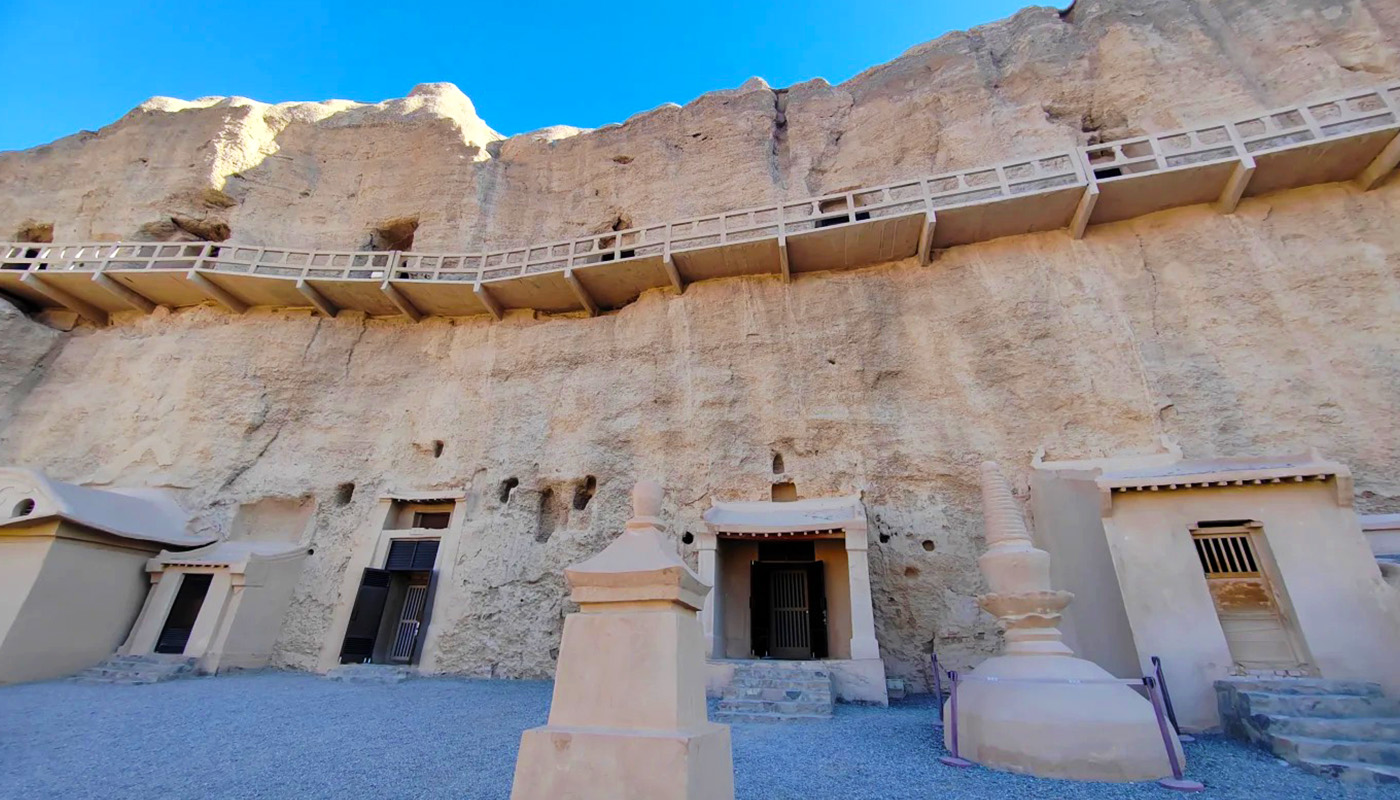
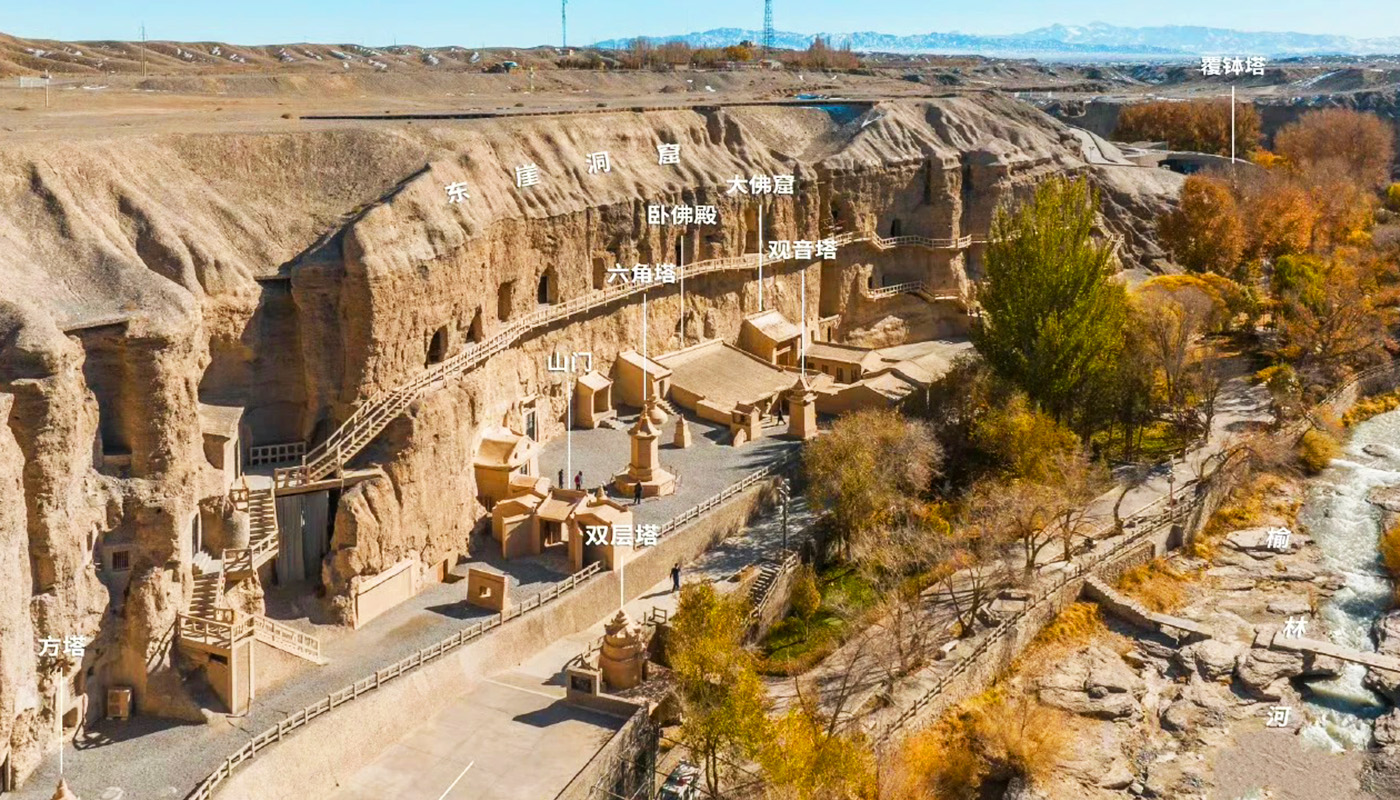
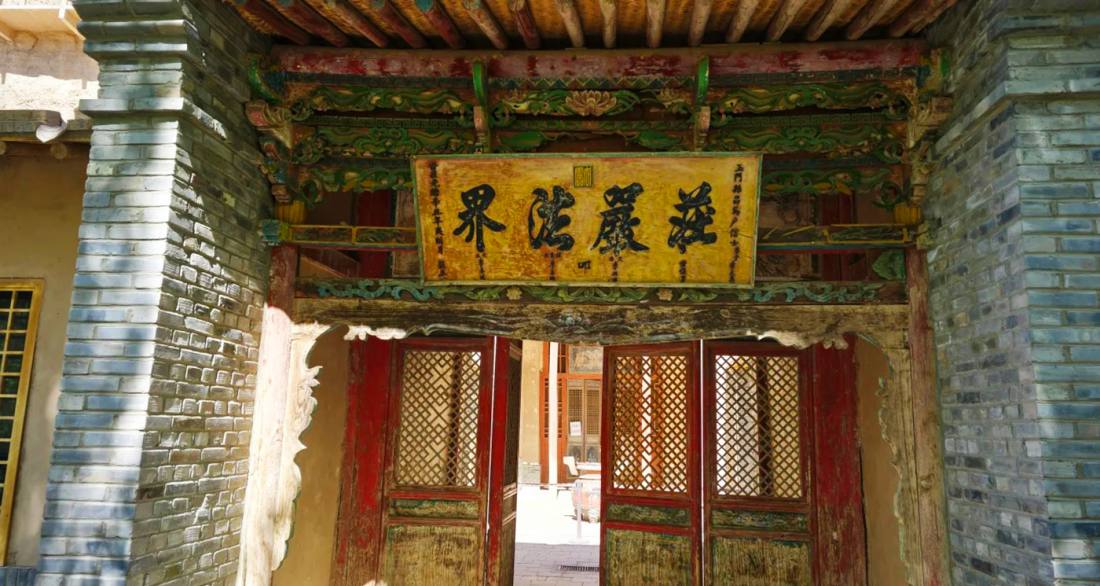
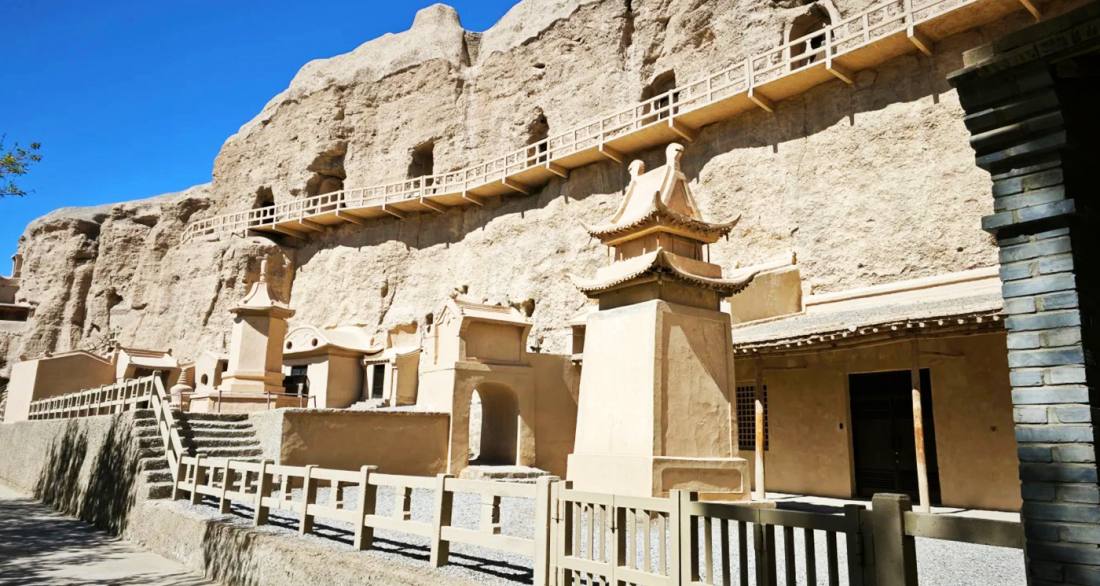
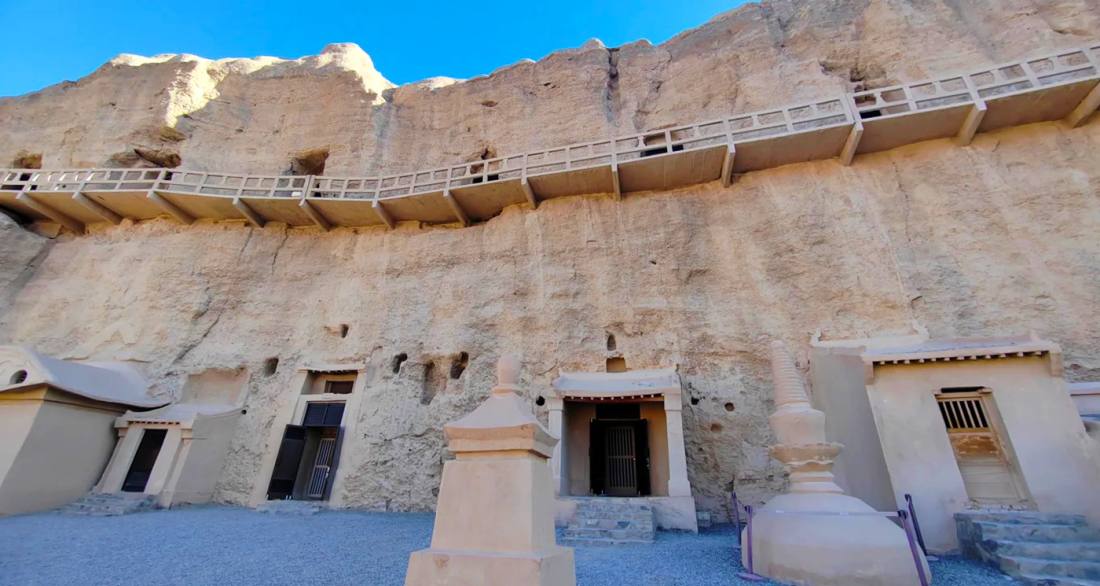
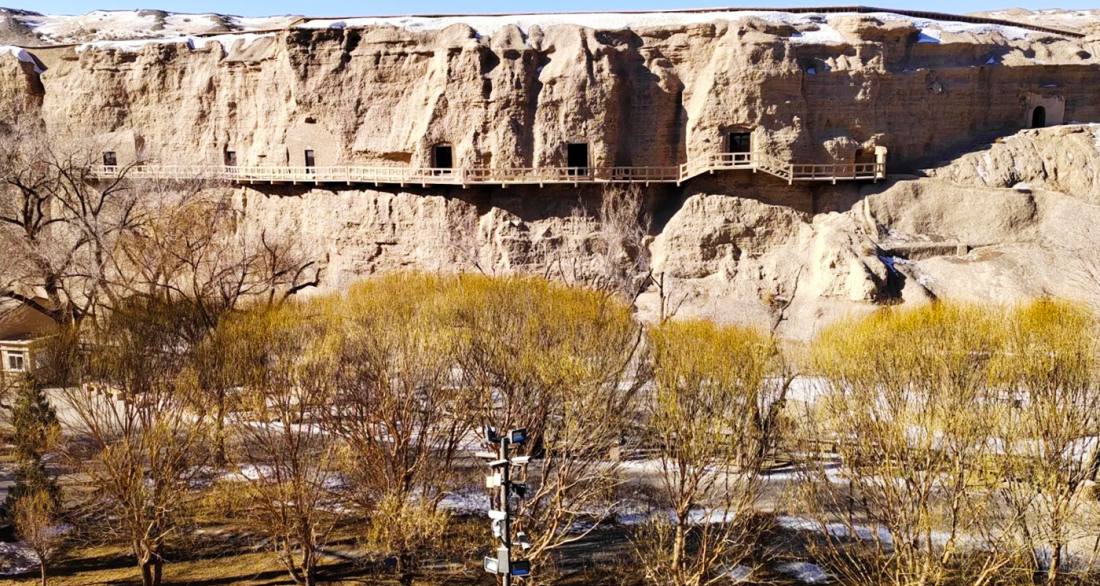
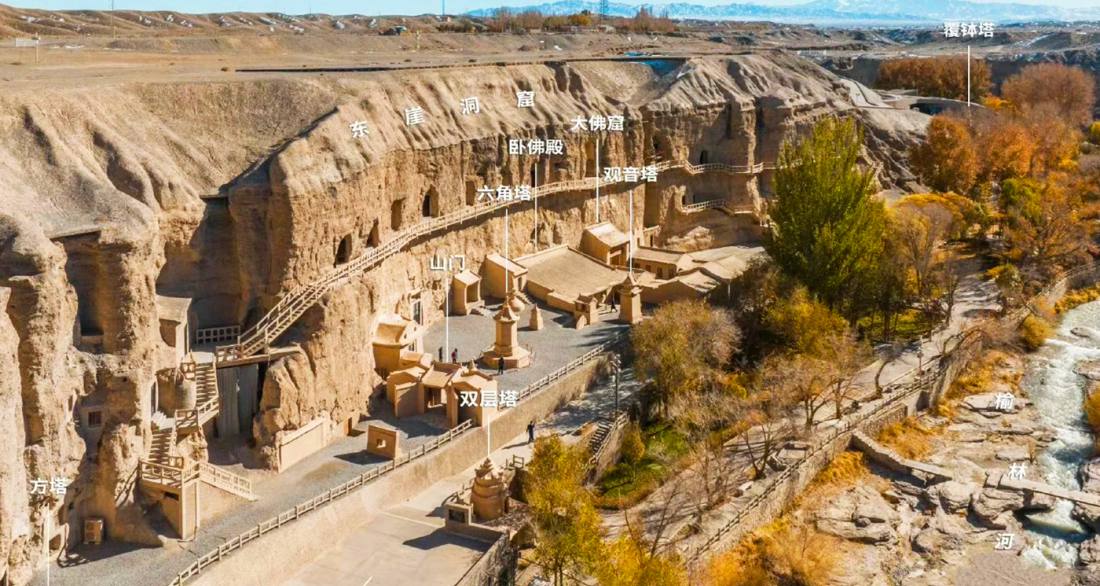
榆林石窟(亦稱萬佛峽)位於甘肅省酒泉市瓜州縣城南約68公里的榆林河峽谷中,是敦煌石窟藝術體系(世界文化遺產)的重要組成部分,與莫高窟並稱為「姊妹窟」。石窟始建於北魏,歷經唐、五代、宋、西夏、元、清等朝代不斷興建與修繕,現存洞窟42個,保存壁畫約5650平方米,彩塑259身。其藝術成就集中體現在保存完好、序列完整的唐代至西夏時期壁畫,其中第25窟的唐代壁畫(如《觀無量壽經變》)被公認為敦煌藝術中人物畫與山水畫結合的巔峰之作;而西夏時期的第2、3、4等窟則以其獨特的綠度母、水月觀音、唐僧取經圖以及融匯漢、藏、回鶻、西夏等多民族藝術風格的題材聞名。石窟地處戈壁深處的峽谷,乾燥氣候使其壁畫色彩千年仍鮮麗如初,其內容不僅涵蓋佛經故事、經變畫、供養人像,還包含大量反映古代社會生活、服飾、建築、樂器等珍貴圖像史料。作為全國重點文物保護單位和國家文物局直屬管理的石窟寺,榆林石窟不僅是研究絲綢之路宗教藝術、民族歷史與文化交融的「活化石」,更是世界佛教藝術史上不可替代的瑰寶,其有限開放的特窟更是藝術愛好者與研究者心中的聖地。
The Yulin Caves (also known as the Ten Thousand Buddha Gorge) are situated in the Yulin River Valley, approximately 68 kilometers south of Guazhou County in Jiuquan City, Gansu Province. As an integral component of the Dunhuang Grottoes art system (a UNESCO World Heritage Site), they are renowned as the “sister caves” of the Mogao Caves. Construction of the caves began during the Northern Wei Dynasty and continued through successive dynasties including the Tang, Five Dynasties, Song, Western Xia, Yuan, and Qing. Currently, 42 caves survive, preserving about 5,650 square meters of murals and 259 painted sculptures. Their artistic achievement is epitomized by the exceptionally well-preserved and chronologically complete murals from the Tang to Western Xia periods. The Tang Dynasty murals in Cave 25 (such as the “Illustrated Sutra of the Buddha of Immeasurable Life”) are widely regarded as the pinnacle of integrating figure painting and landscape painting within Dunhuang art. Meanwhile, Caves 2, 3, 4, and others from the Western Xia period are famous for their unique depictions of Green Tara, Water-Moon Guanyin, the journey of the Tang monk to fetch Buddhist scriptures, and themes that fuse the artistic styles of multiple ethnic groups including Han, Tibetan, Uighur, and Tangut. Located in a deep desert gorge, the arid climate has preserved the vibrant colors of the murals for over a millennium. Their content not only encompasses Buddhist sutra narratives, sutra illustrations, and donor portraits but also includes a wealth of precious pictorial records reflecting ancient social life, costumes, architecture, and musical instruments. Designated as a Major National Historical and Cultural Site and managed directly by the National Cultural Heritage Administration, the Yulin Caves are not merely a “living fossil” for studying the religious art, ethnic history, and cultural fusion along the Silk Road but also an irreplaceable treasure in the history of global Buddhist art. The specially opened limited-access caves are particularly revered as sacred sites by art enthusiasts and researchers alike.