

| 产品 | 提前预定时间 | 取消政策 | 原价 | 优惠价 | ||
|---|---|---|---|---|---|---|
| 产品 | 提前预定时间 | 取消政策 | 原价 | 优惠价 | ||
|---|---|---|---|---|---|---|
天下第一墩(長城第一墩)的預訂須知和注意事項如下:景區實行實名制購票,可通過官方平台或現場購買,旺季(4-10月)門票約22元,淡季(11-次年3月)約11元,通常與嘉峪關關城、懸臂長城聯票(旺季110元)更優惠,聯票3日內有效。請注意開放時間(旺季約8:00-20:00,淡季約8:30-18:00)。遊玩時務必注意安全,觀景台和懸崖棧道需小心行走,禁止翻越護欄;景區內部分路段需步行,建議穿防滑運動鞋。戈壁地區日照強、風沙大,需做好防曬、防風(帽子、墨鏡必備)並攜帶足夠飲用水。保護文物,請勿刻畫或踩踏遺址。
Booking instructions and precautions for the First Beacon Tower (the western starting point of the Great Wall) are as follows: The site requires real-name ticketing, available through official platforms or on-site purchase. The peak season (April-October) ticket is about 22 yuan, and the off-season (November-March) is about 11 yuan. A combo ticket (peak season about 110 yuan) covering Jiayuguan Pass and the Overhanging Great Wall is more economical and valid for 3 days. Note the opening hours (peak season approx. 8:00-20:00, off-season approx. 8:30-18:00). During the visit, safety is paramount: be cautious on viewing platforms and cliffside walkways, and do not climb over railings. Some areas require walking, so wear anti-slip sports shoes. The Gobi area has intense sun and frequent sandstorms; sun protection (hat, sunglasses) and sufficient drinking water are essential. To protect the cultural relics, do not carve or step on the historic structures.
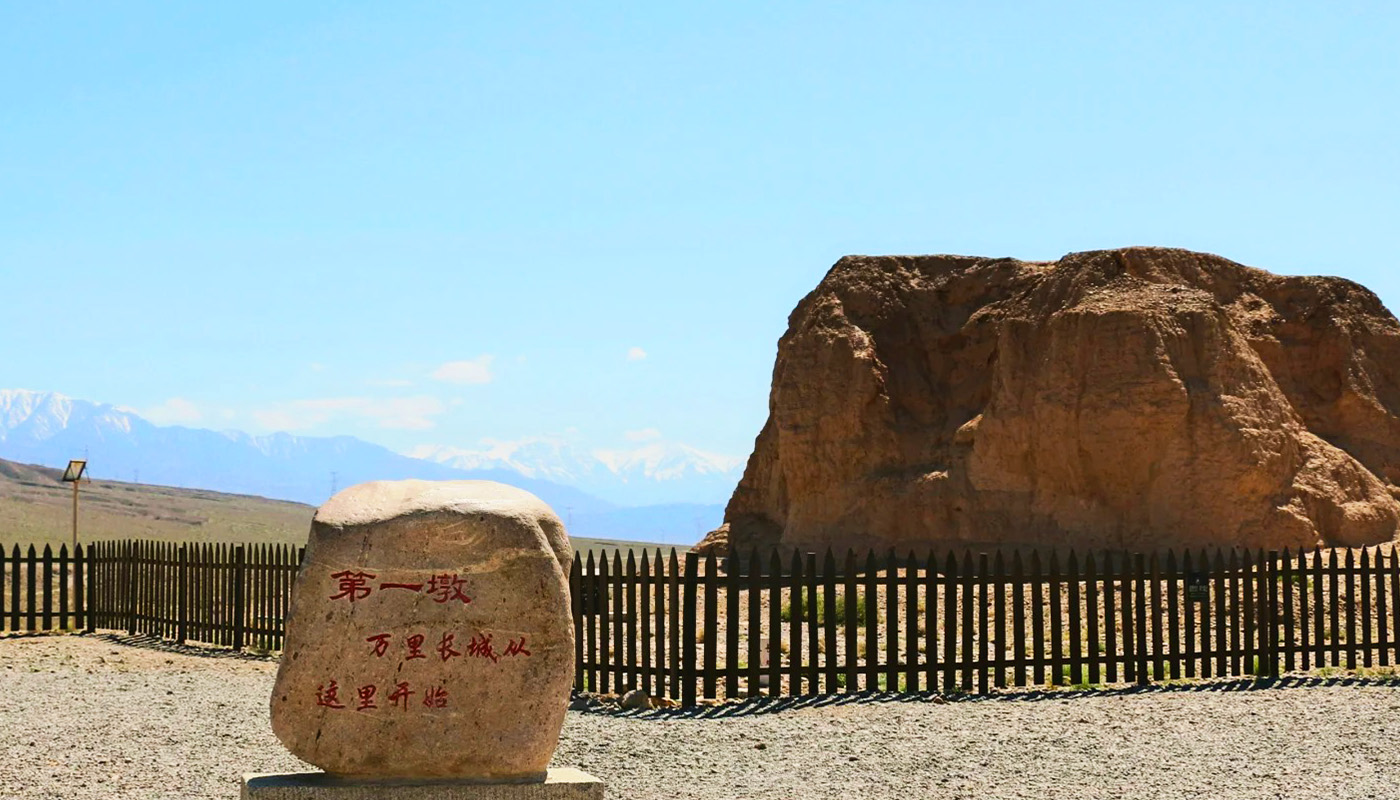
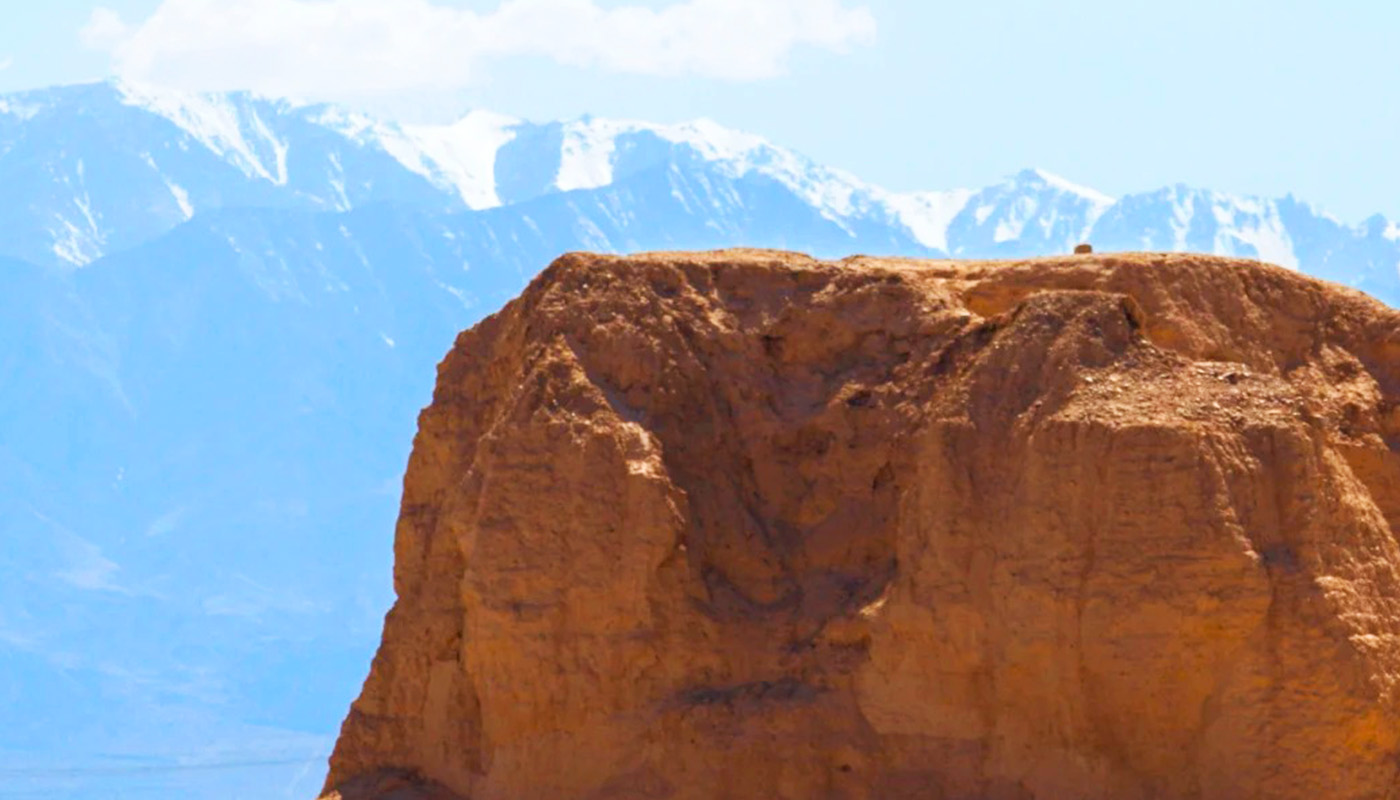
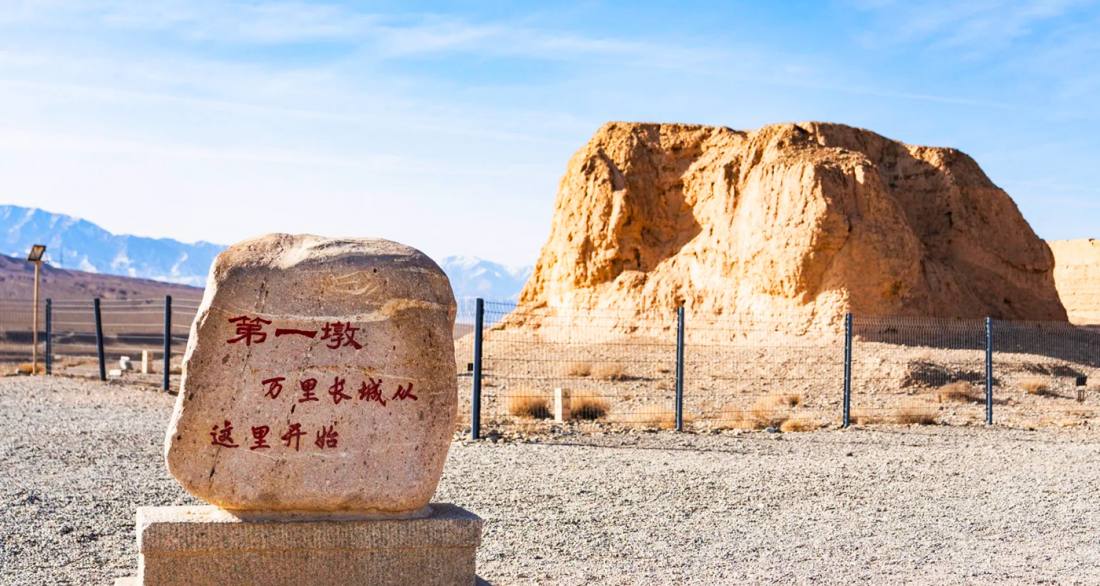
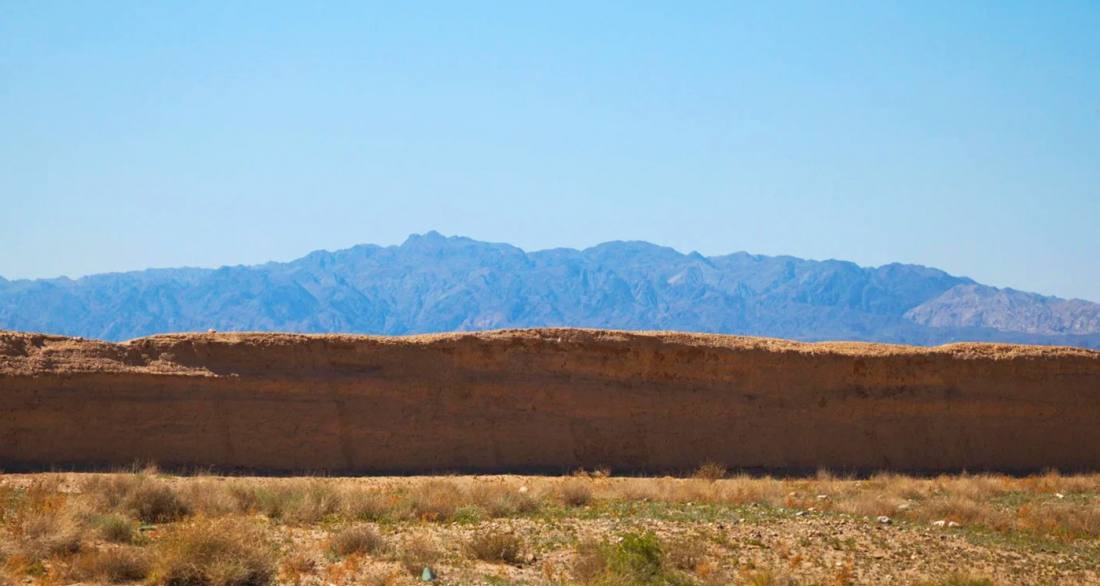
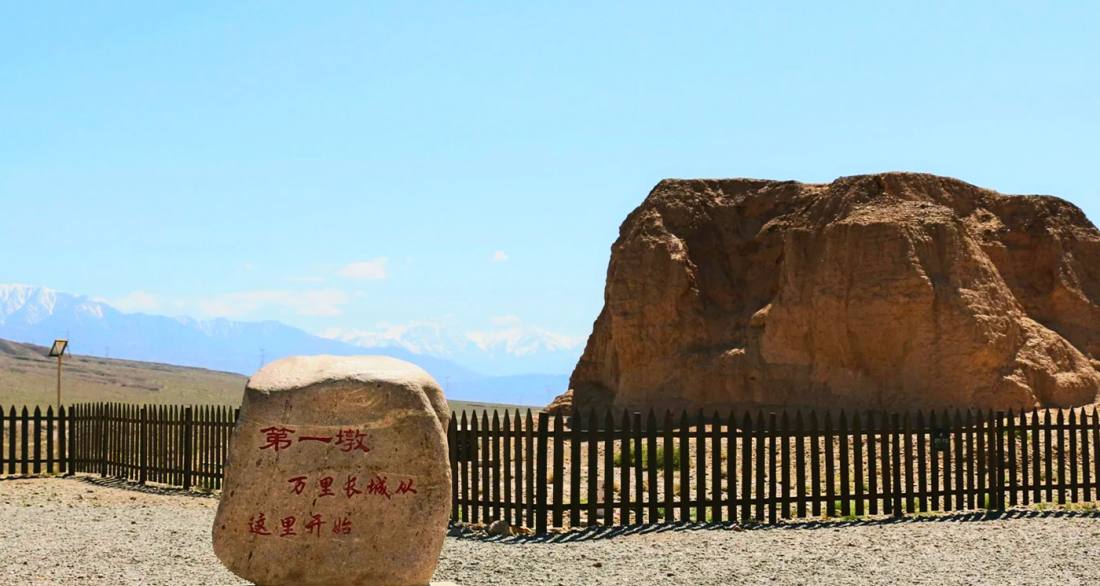
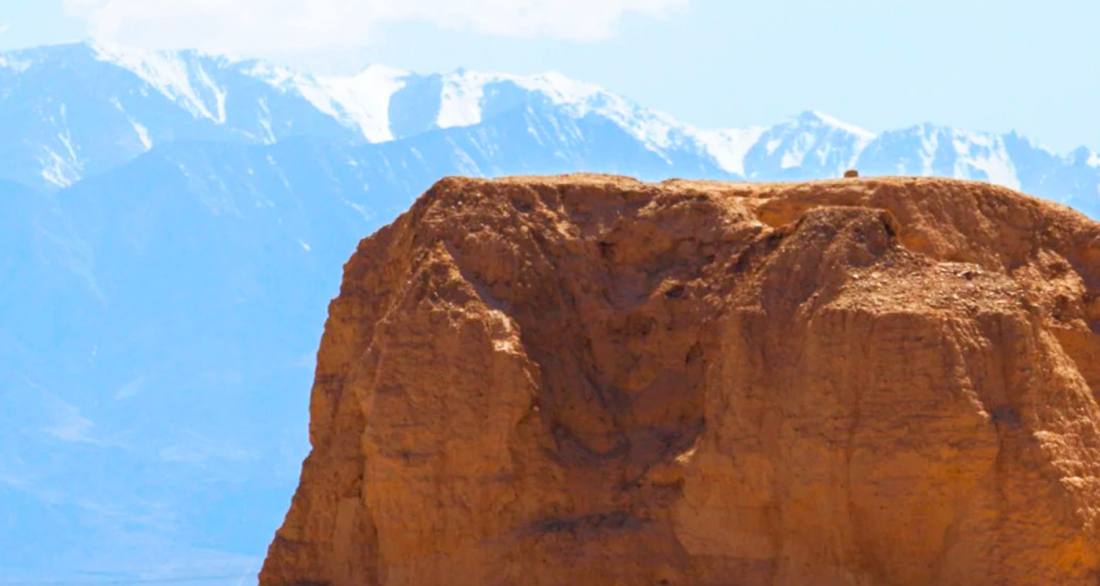
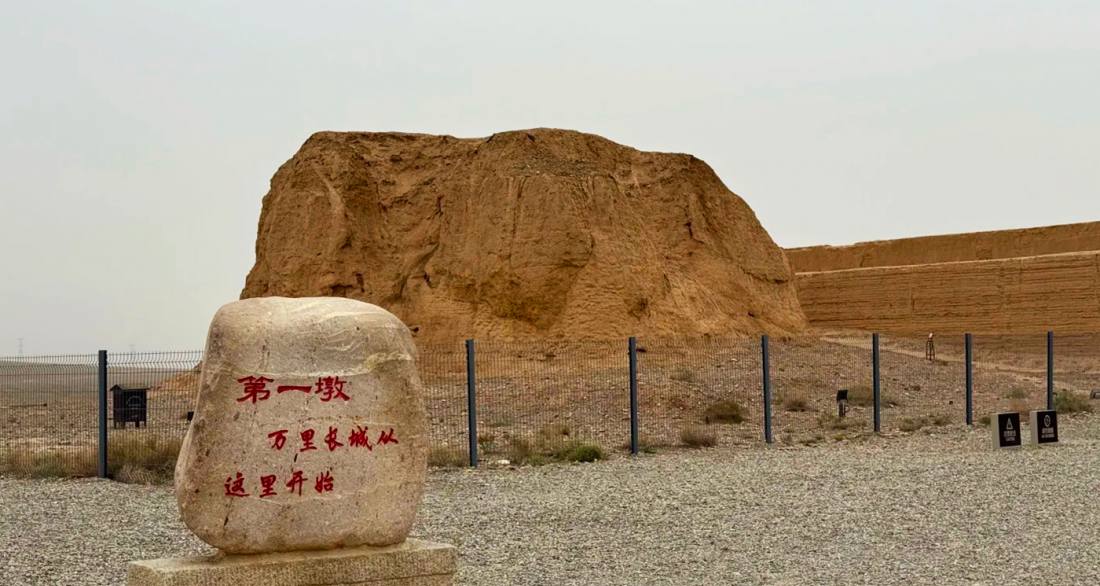
天下第一墩,本名長城第一墩,位於甘肅省嘉峪關市西南約7公里處,是明代萬里長城最西端的起點墩台,始建於1539年,矗立於討賴河大峽谷近60米高的垂直峭壁之上,因地處天險、形如烽燧之首,被譽為「萬里長城第一墩」。其核心價值不僅在於險峻的軍事防禦地位,更見證了絲綢之路與長城文化的交匯,現作為世界文化遺產長城的重要組成部分和國家AAAAA級景區嘉峪關文物景區的核心景點,以蒼涼壯闊的峽谷地貌與歷史厚重感吸引著無數遊客。
The First Beacon Tower, originally named the First Pier of the Great Wall, is located about 7 kilometers southwest of Jiayuguan City, Gansu Province. It served as the westernmost starting beacon tower of the Ming Dynasty Great Wall, built in 1539 and perched on a nearly 60-meter-high vertical cliff of the Taolai River Grand Canyon. Known as the "First Beacon Tower of the Great Wall" due to its perilous location and symbolic role as the head of the beacon system, its core value lies not only in its strategic military significance but also in its witness to the convergence of Silk Road culture and Great Wall heritage. Today, as a key component of the Great Wall—a UNESCO World Heritage Site—and a central attraction of the Jiayuguan Cultural Relics Scenic Area (a national AAAAA-level tourist site), it draws countless visitors with its majestic, desolate canyon landscape and profound historical weight.