
| 产品 | 提前预定时间 | 取消政策 | 原价 | 优惠价 | ||
|---|---|---|---|---|---|---|
| 产品 | 提前预定时间 | 取消政策 | 原价 | 优惠价 | ||
|---|---|---|---|---|---|---|
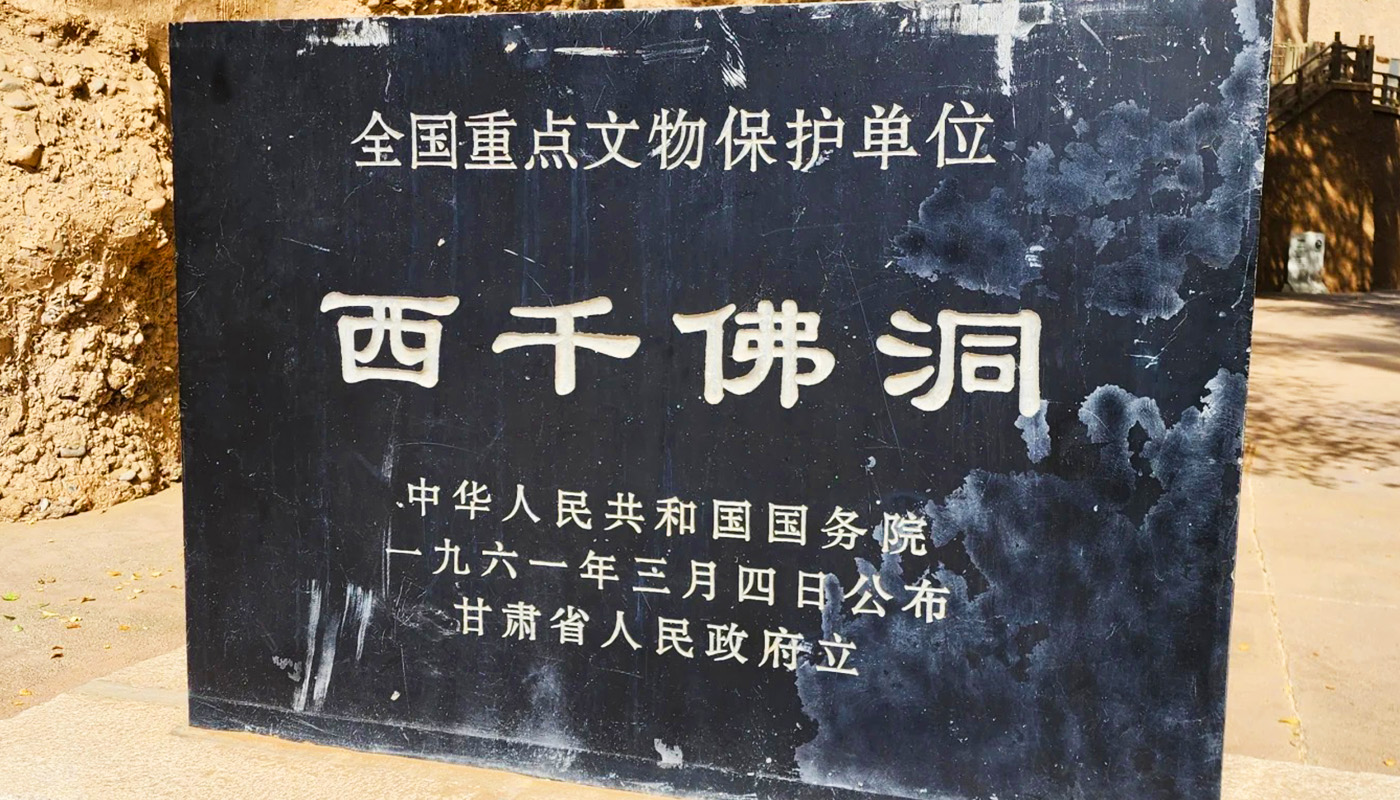
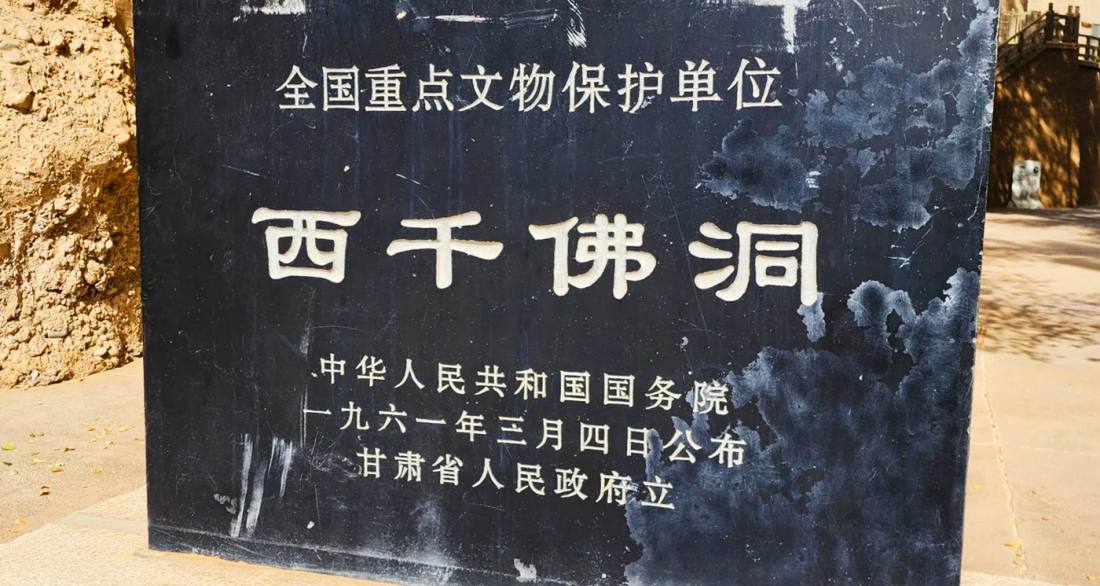
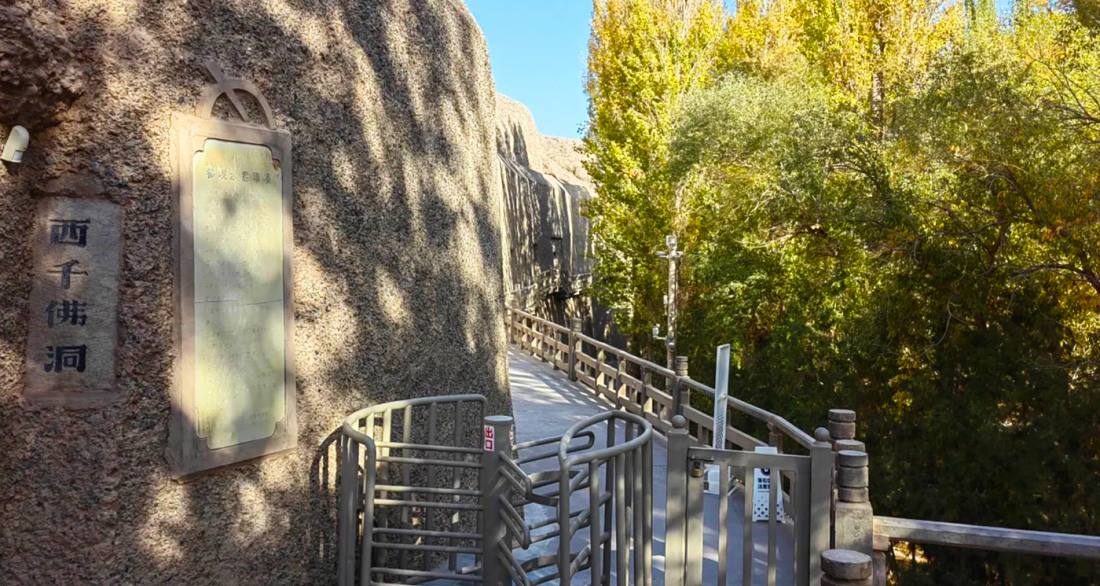
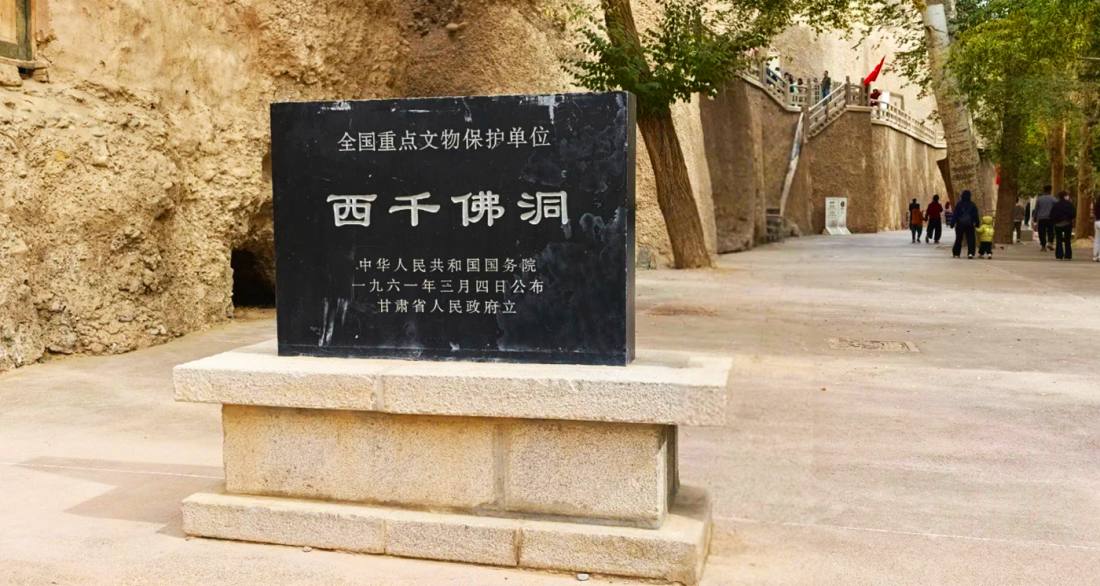
西千佛洞為全國重點文物保護單位,實行現場購票制度,無需提前在線預約,遊客可直接前往景區售票處憑身份證件購買門票(旺季價格為30元人民幣)。遊玩時請務必注意:洞窟內嚴禁任何形式的拍攝、錄像,所有隨身背包、相機等物品需在入口處免費寄存;參觀時須跟隨景區專職講解員按批次進入,不得擅自離隊或進入未開放區域;洞窟位於黨河峽谷懸崖之上,部分區域臺階陡峭,請小心行走,注意腳下安全;內部空間較為陰暗潮濕,建議穿著防滑的平底鞋;由於地處戈壁邊緣,日照強烈、風沙較大,請務必做好防曬和防風沙措施;為保護千年壁畫與彩塑,請勿用手觸摸任何牆面及文物表面,自覺保持安靜;若遇暴雨、洪水等極端天氣,景區可能臨時關閉以確保安全。
The Western Thousand Buddha Caves are designated as a National Key Cultural Relics Protection Unit. They operate on an on-site ticket purchase system, requiring no advance online reservations; visitors can buy tickets directly at the scenic area ticket office with valid identification (the peak season price is 30 RMB). During your visit, please be sure to note the following: all forms of photography and videography are strictly prohibited inside the caves; all personal backpacks, cameras, and similar items must be stored for free at the entrance; visitors must follow the designated batches led by the site's professional interpreters and are not allowed to leave the group or enter closed-off areas; the caves are located on cliffs above the Danghe River Valley, with some steep steps, so tread carefully and mind your footing; the interior spaces are relatively dim and damp, so wearing non-slip flat shoes is advisable; as the site is on the edge of the戈壁 with intense sunlight and significant wind and sand, thorough sun protection and wind/sand precautions are essential; to protect the millennia-old murals and painted sculptures, do not touch any walls or artifact surfaces with hands, and consciously maintain quietness; in case of extreme weather such as heavy rain or flooding, the scenic area may close temporarily to ensure safety.
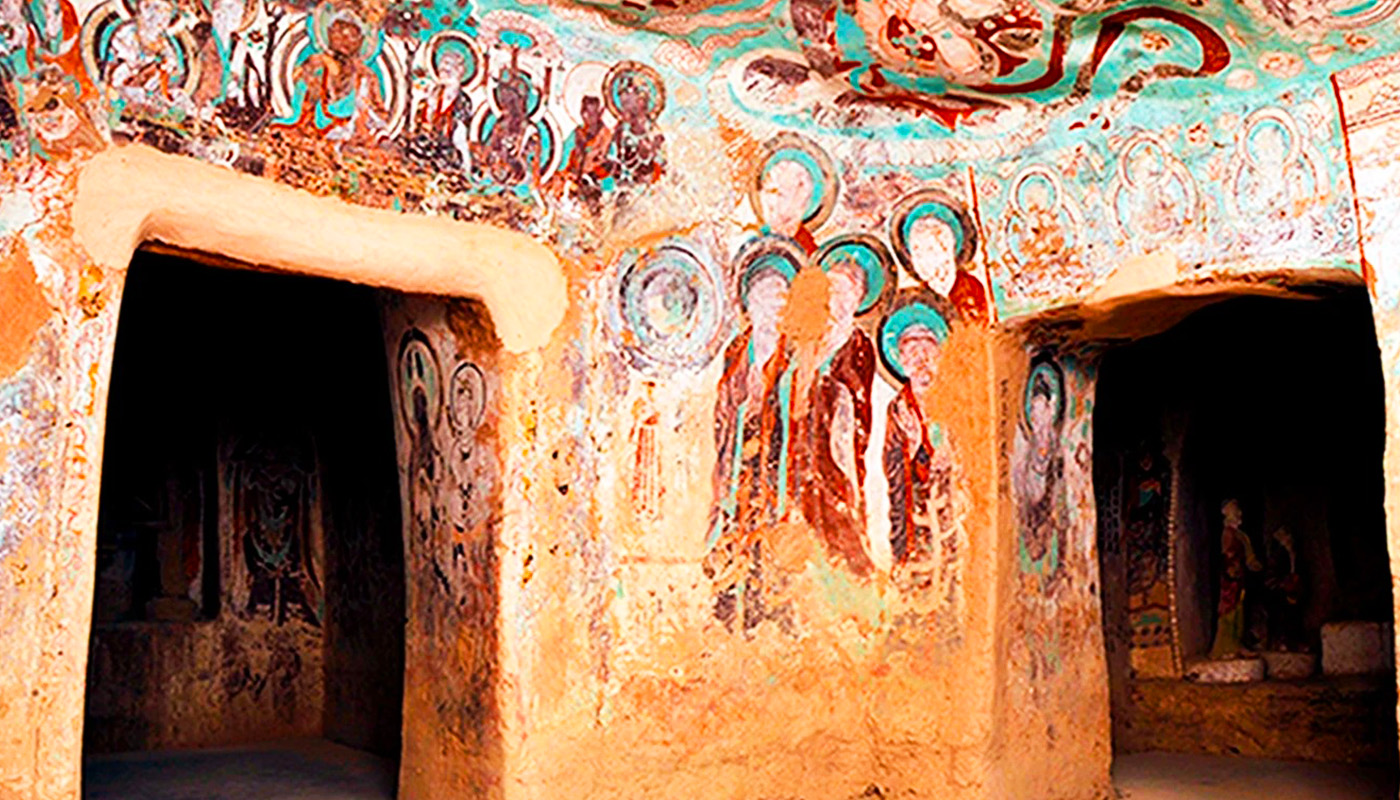
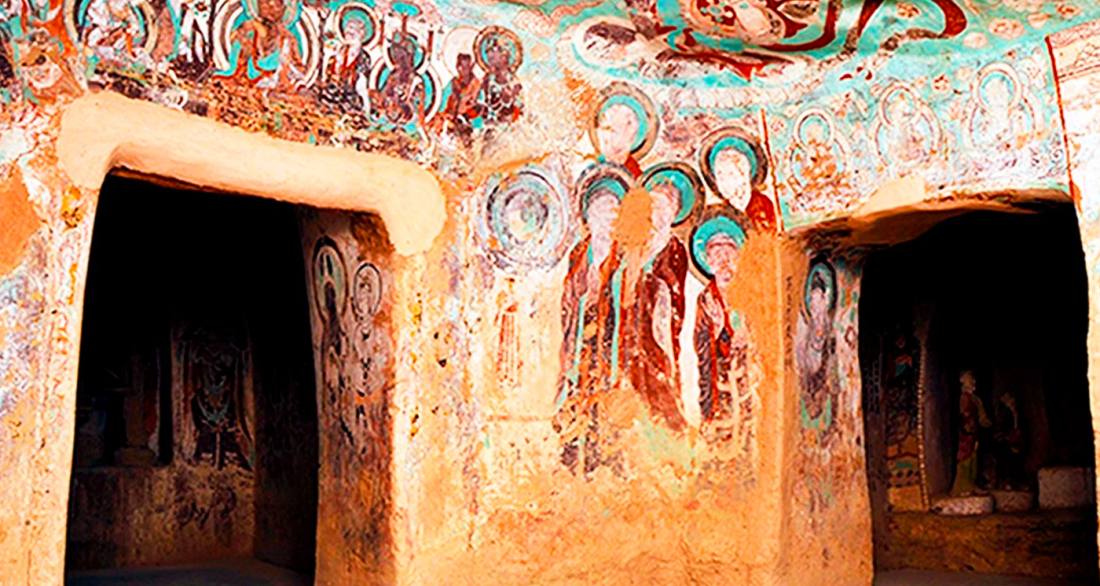
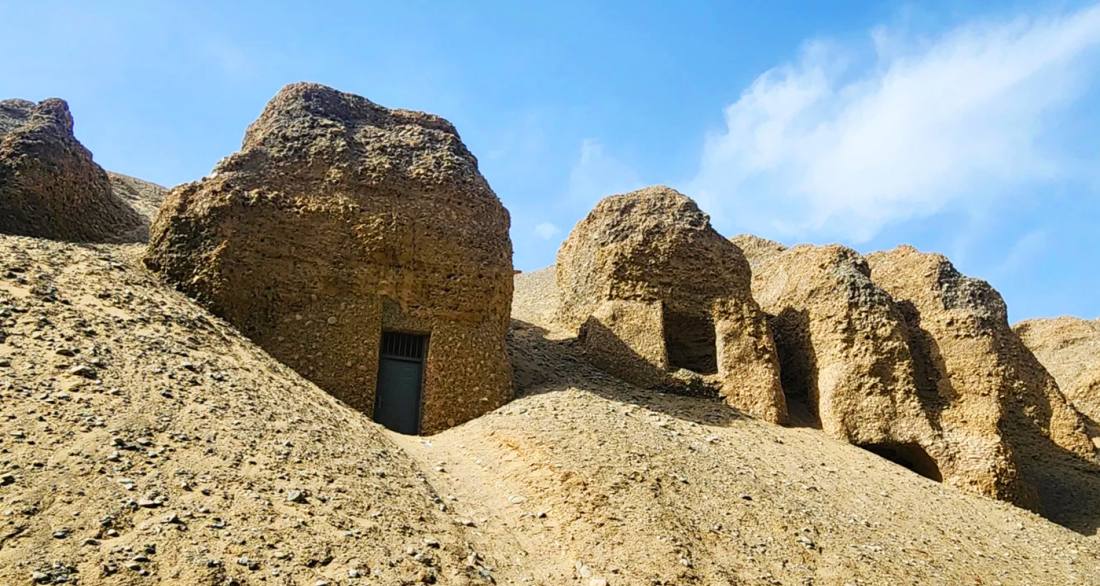
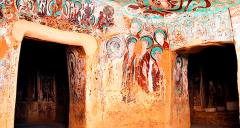
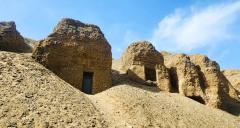
西千佛洞位於甘肅省敦煌市西南約三十五公里處黨河峽谷北岸的斷崖上,是敦煌石窟群的重要組成部分,與莫高窟、榆林窟並稱為「敦煌三大石窟」。其開鑿年代約始於北魏,歷經西魏、北周、隋、唐、五代直至回鶻、西夏時期均有續建或重修,現存洞窟二十二個,其中九個對外開放。因坐落於黨河岸邊,河水長期沖刷導致崖體坍塌,使其部分早期洞窟湮沒,現存洞窟多位於峽谷中部崖面,呈現出臨水而立的獨特地理格局。洞窟形制以北朝時期的中心塔柱窟為典型特色,窟內現存彩塑三十四身,壁畫八百餘平方米,題材涵蓋佛說法圖、本生故事、經變畫及供養人畫像等,藝術風格與莫高窟一脈相承,尤其在早期北朝壁畫中保留了濃厚的西域暈染法與中原線描技法結合的痕跡。作為全國重點文物保護單位(隸屬於莫高窟保護體系),西千佛洞因其規模較小、保存狀態相對原始,且較少受到後期改造,成為研究敦煌早期石窟藝術、宗教傳播及絲綢之路文化交流的珍貴實物遺存,被譽為「莫高窟的姊妹篇」。
The Western Thousand Buddha Caves are situated on the cliffs along the northern bank of the Danghe River Valley, approximately thirty-five kilometers southwest of Dunhuang City, Gansu Province. They are a significant component of the Dunhuang cave temple complex, collectively known along with the Mogao Caves and the Yulin Caves as the “Three Great Caves of Dunhuang.” Their construction likely began during the Northern Wei Dynasty and continued through subsequent eras, including the Western Wei, Northern Zhou, Sui, Tang, Five Dynasties, Uighur, and Western Xia periods, resulting in a total of twenty-two surviving caves, nine of which are currently open to the public. Located by the Danghe River, prolonged erosion caused by the river led to cliff collapses, submerging some of the earliest caves. The remaining caves are mostly concentrated on the mid-section cliffs of the valley, presenting a unique geographical layout of overlooking the water. The cave structures are typified by the central-pillar caves characteristic of the Northern Dynasties period. Inside, thirty-four painted clay sculptures and over eight hundred square meters of murals survive, covering subjects such as Buddha preaching scenes, jataka tales, sutra illustration paintings, and donor portraits. Their artistic style shares a common origin with the Mogao Caves, particularly evident in the early Northern Dynasties murals, which retain traces of the blending of西域 shading techniques with the linear drawing methods of central China. Designated as a National Key Cultural Relics Protection Unit (under the protection system of the Mogao Caves), the Western Thousand Buddha Caves, due to their smaller scale, relatively pristine preservation state, and minimal later alterations, serve as invaluable physical remains for studying early Dunhuang cave art, religious dissemination, and cultural exchanges along the Silk Road, earning them the title “Sister Caves of the Mogao Grottoes.”