
| 产品 | 提前预定时间 | 取消政策 | 原价 | 优惠价 | ||
|---|---|---|---|---|---|---|
| 产品 | 提前预定时间 | 取消政策 | 原价 | 优惠价 | ||
|---|---|---|---|---|---|---|
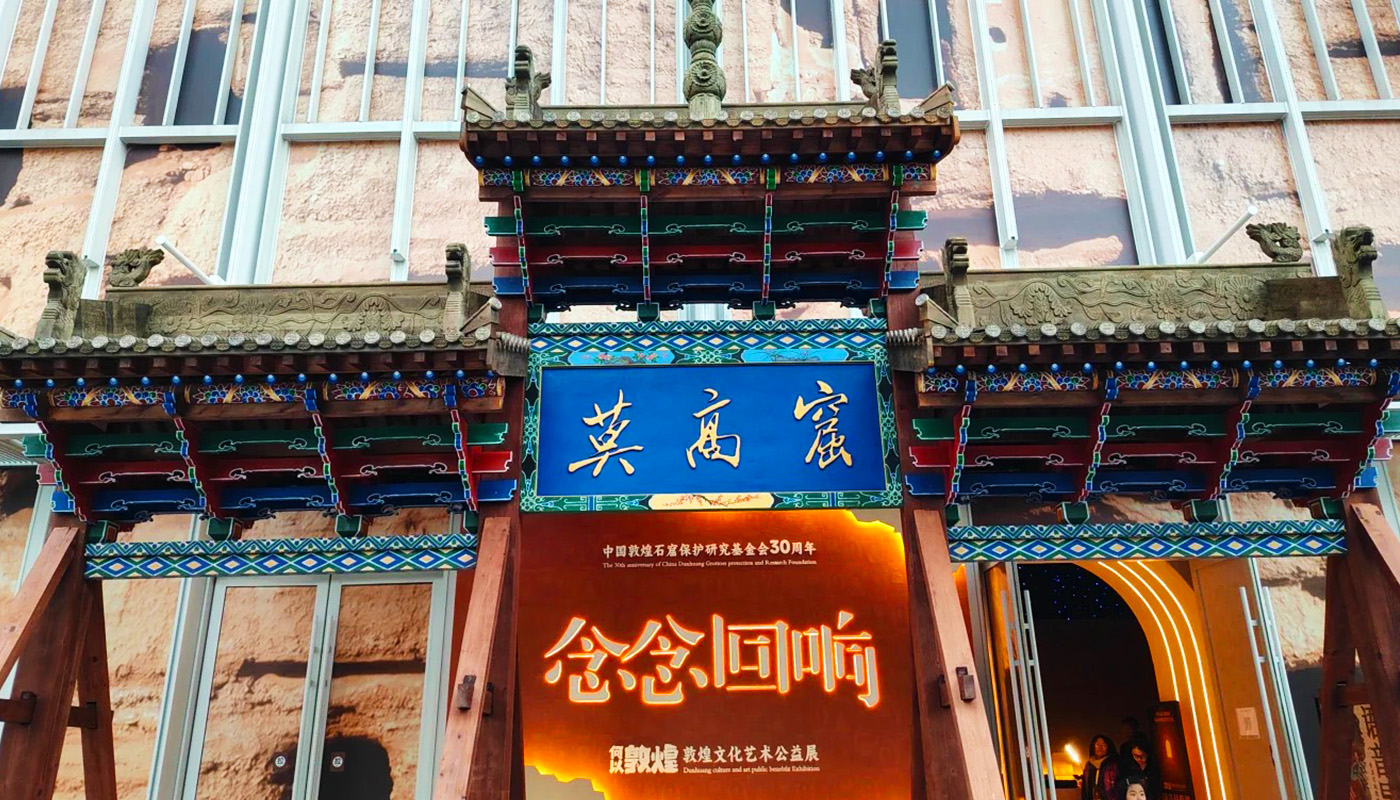
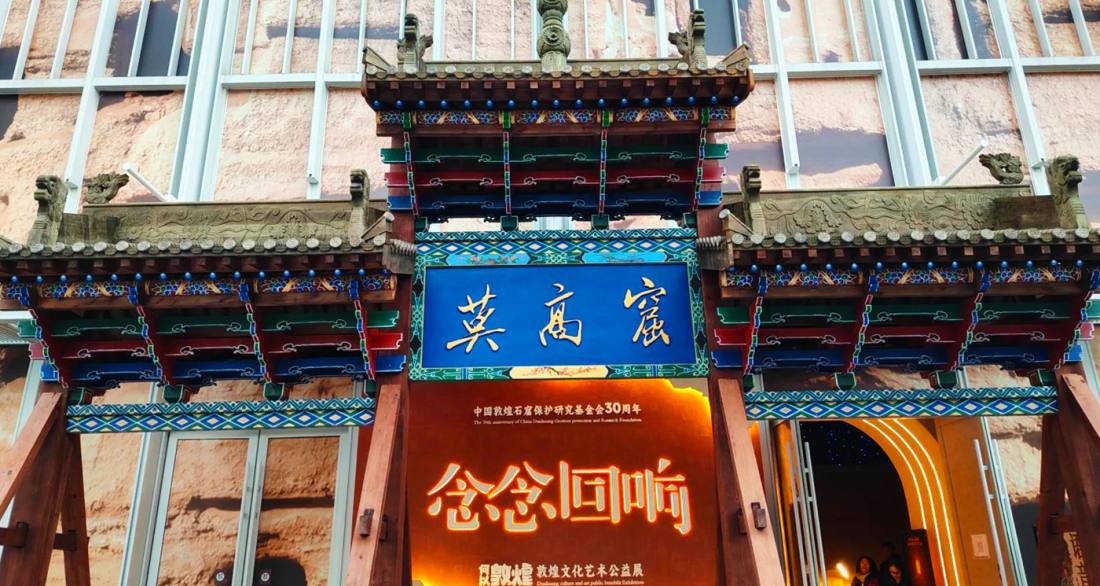
莫高窟(莫高窟景區)作為世界文化遺產與國家級AAAAA旅遊景區,實行嚴格的實名制預約參觀制度,遊客必須通過莫高窟參觀預約網官方渠道或授權平台提前預訂門票(現場不售票),建議至少提前15天至1個月預約(旺季更需及早規劃)。參觀當日需持預約時使用的本人有效身份證原件,提前抵達莫高窟數字展示中心辦理換票及人臉驗證,並按預約時段準時入場。進入洞窟區域後,嚴禁拍攝、觸摸壁畫及彩塑,全程保持安靜、禁止飲食吸菸;請緊跟講解員,勿擅自脫離團隊或進入未開放區域。因文物保護需要,景區可能採取客流調控或臨時閉窟等措施,請務必配合現場管理。參觀全程請愛護文物、保持環境整潔,共同守護這份人類共同的文化遺產。
The Mogao Caves (Mogao Caves Scenic Area), as a UNESCO World Heritage Site and a National AAAAA-level tourist attraction, implements a strict real-name reservation system for visits. Tourists must book tickets in advance through the official Mogao Caves Visitor Reservation Website or authorized platforms (no tickets are sold on-site). It is recommended to make a reservation at least 15 days to one month in advance (earlier planning is essential during peak season). On the day of the visit, you must bring the original valid ID document used for the reservation, arrive early at the Mogao Caves Digital Exhibition Center for ticket exchange and facial verification, and enter on time according to your reserved time slot. Once inside the cave area, photography and touching of murals and painted sculptures are strictly prohibited; maintain silence throughout and refrain from eating, drinking, or smoking. Please follow your tour guide closely and do not leave your group or enter closed-off areas without authorization. For cultural relic protection reasons, the scenic area may implement visitor flow control or temporarily close certain caves; please cooperate fully with on-site management. Throughout your visit, please help protect the cultural relics and maintain cleanliness, working together to safeguard this shared heritage of humanity.
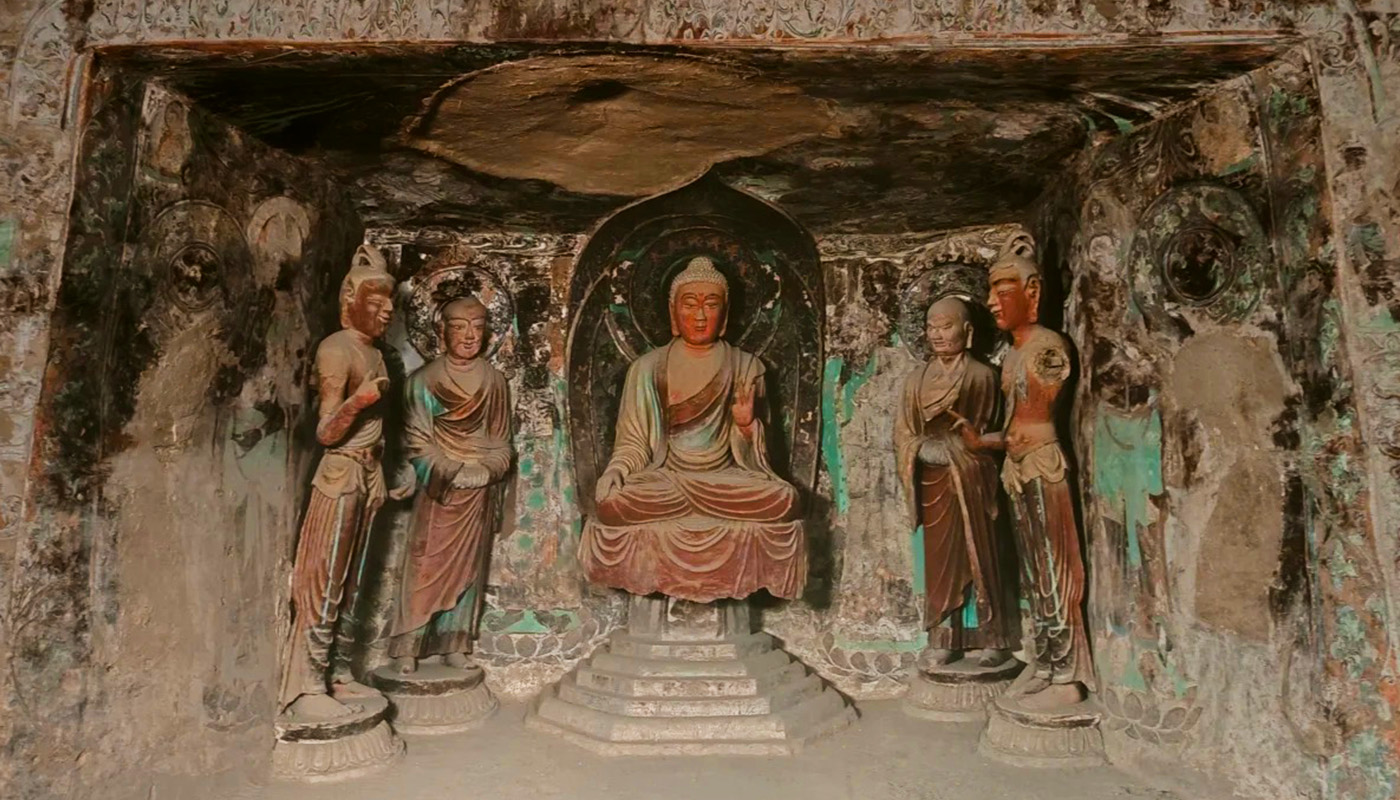
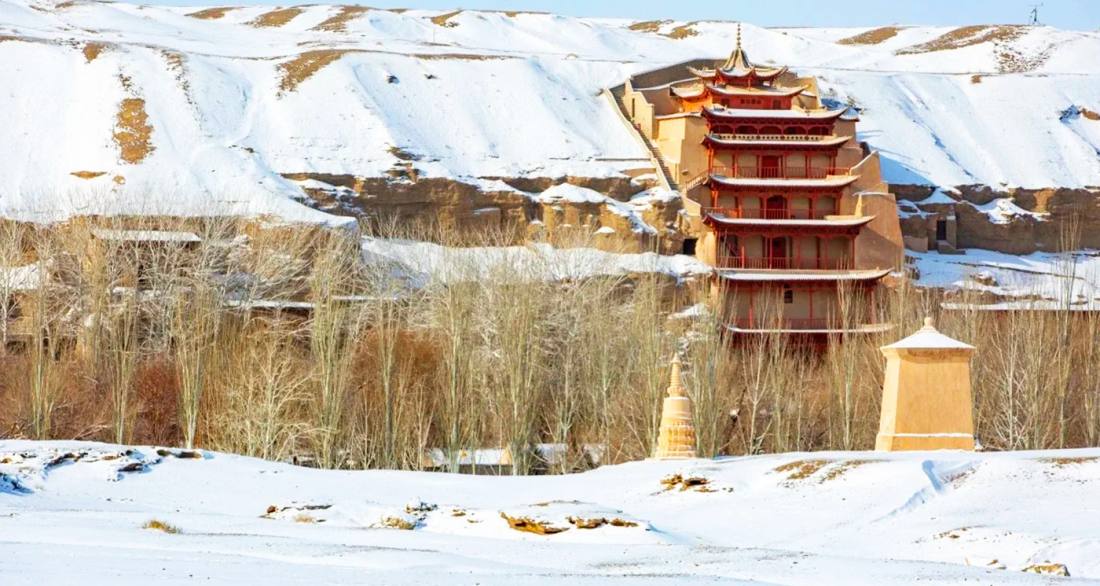
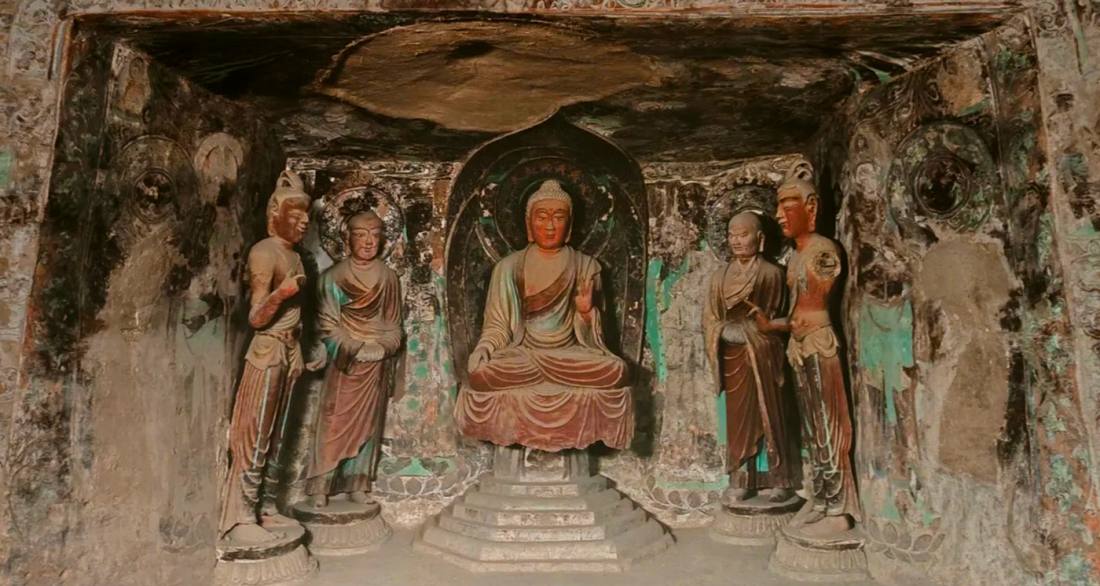
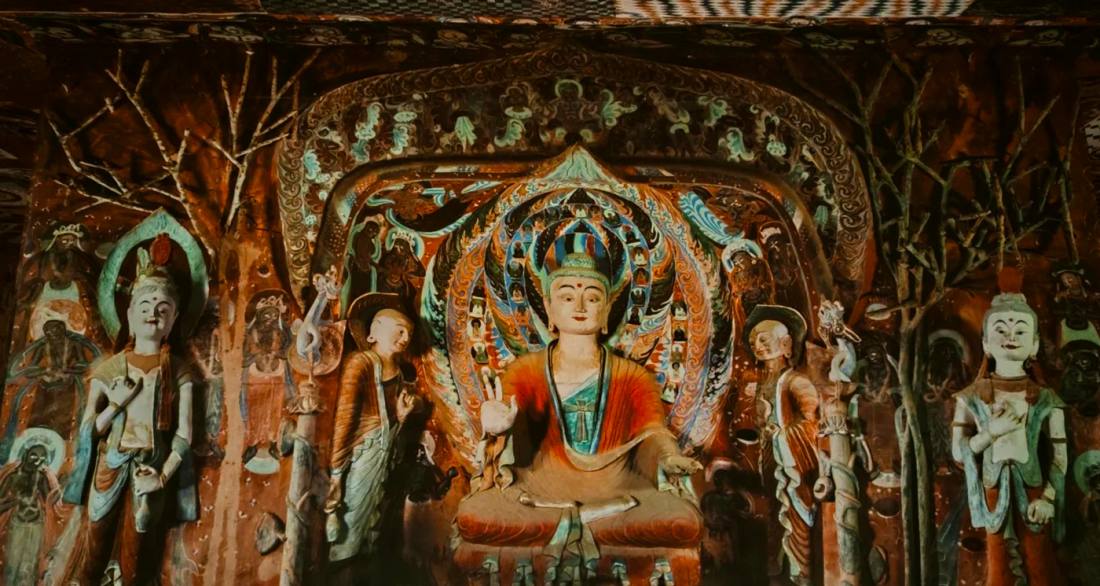
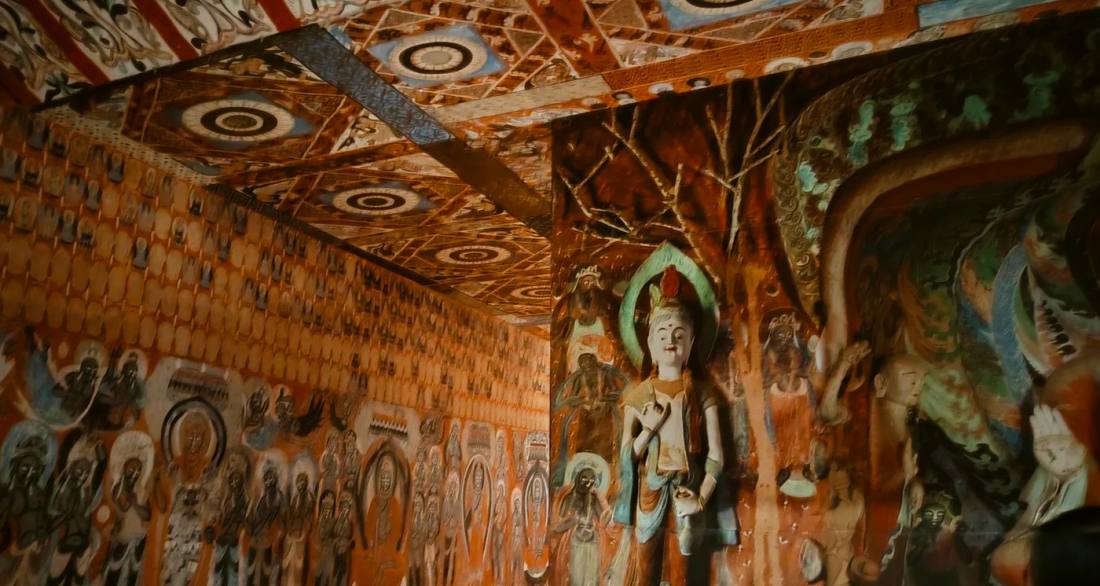
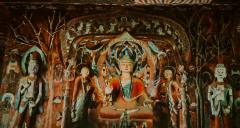
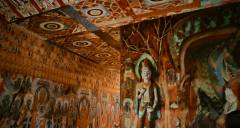
莫高窟,俗稱千佛洞,坐落於中國甘肅省敦煌市東南約二十五公里的鳴沙山東麓斷崖上。它始建於十六國時期的前秦建元二年(公元三六六年),由樂僔和尚開鑿第一個洞窟,其後歷經北朝、隋、唐、五代、宋、西夏、元等連續十個朝代、近千年的不斷興建與修繕,形成了今日南北長約一千六百八十米、現存洞窟七百三十五個的宏大規模。這些洞窟高低錯落地分佈在崖壁上,其中南區四百九十二個洞窟是進行佛教活動的核心區域,內有彩塑兩千四百餘尊、壁畫超過四點五萬平方米;北區二百四十三個洞窟則主要為古代僧侶修行與生活的場所。莫高窟以其融建築、彩塑、壁畫於一體的綜合性藝術形式聞名於世,洞窟形制多樣,包括禪窟、中心塔柱窟、佛壇窟等,彩塑則涵蓋圓塑、浮塑、影塑等多種技法,最大的佛像高逾三十五米,最小的彩塑僅約二厘米,壁畫內容更是包羅萬象,從佛教經變故事、本生因緣,到古代社會的民俗生活、生產勞動、服飾建築等,堪稱一部鐫刻在岩壁上的「千年史書」和「牆壁上的博物館」。
莫高窟不僅是佛教藝術的傑出代表,更是古代絲綢之路上東西方文明對話與融合的重要見證。它吸收並融合了來自印度、中亞、波斯乃至希臘的藝術風格,並將其與中國本土的漢晉藝術傳統相結合,形成了獨具特色的敦煌佛教藝術體系。一九零零年發現的藏經洞(第十七窟)出土了五萬餘件從四世紀至十一世紀的寫經、文書、絹畫等文物,其內容涉及古代政治、經濟、文化、科技等多個領域,被譽為「中國中古時代的百科全書」,由此催生的「敦煌學」已成為國際漢學研究的重要領域。一九六一年,莫高窟被列為中國第一批全國重點文物保護單位;一九八七年,被聯合國教科文組織列入世界文化遺產名錄。如今,在敦煌研究院的科學保護與「數字敦煌」等現代化技術的支持下,莫高窟這座承載著千年文明的藝術寶庫正以更加可持續的方式向世界展現其永恆的魅力。
The Mogao Caves, commonly known as the Thousand-Buddha Caves, are situated on the cliffs at the eastern foot of the Mingsha Mountain, approximately twenty-five kilometers southeast of Dunhuang City in Gansu Province, China. Their construction began in 366 AD during the Former Qin dynasty of the Sixteen Kingdoms period, with the first cave carved out by the monk Le Zun. Over the next ten dynasties, spanning nearly a millennium—including the Northern Dynasties, Sui, Tang, Five Dynasties, Song, Western Xia, and Yuan—the site underwent continuous expansion and renovation. Today, it stretches about one thousand six hundred eighty meters from north to south and comprises seven hundred thirty-five existing caves. These caves are scattered across the cliff face at varying heights. The four hundred ninety-two caves in the southern section served as the core area for Buddhist activities, housing over two thousand four hundred painted clay sculptures and more than forty-five thousand square meters of murals. The two hundred forty-three caves in the northern section were primarily used as living and meditation quarters for monks. The Mogao Caves are renowned for their integrated art form combining architecture, painted sculpture, and murals. The cave structures include various types such as meditation caves, central pillar caves, and Buddha hall caves. The sculptures, created using techniques including freestanding round sculpture, bas-relief, and stencil-relief, range from the largest Buddha statue towering over thirty-five meters to the smallest figures about two centimeters tall. The murals encompass a vast array of subjects, from Buddhist sutra illustrations and jataka tales to scenes depicting ancient social customs, daily labor, and architecture, earning the site the titles "a 1,000-year history book carved into the rock" and "a museum on walls".
The Mogao Caves stand not only as a masterpiece of Buddhist art but also as a crucial testament to the dialogue and fusion of Eastern and Western civilizations along the ancient Silk Road. They absorbed and blended artistic influences from India, Central Asia, Persia, and even Greece with local Chinese artistic traditions from the Han and Jin periods, forming a unique Buddhist art system known as the Dunhuang style. The discovery of the Library Cave (Cave Seventeen) in 1900 yielded over fifty thousand artifacts, including scriptures, documents, and silk paintings dating from the fourth to the eleventh centuries. These materials cover diverse fields such as politics, economy, culture, and science in ancient times, making the library cave known as an "encyclopedia of medieval China". This discovery led to the emergence of "Dunhuangology," which has become a significant field in international Sinology. In 1961, the Mogao Caves were listed among the first cohort of Major Historical and Cultural Sites Protected at the National Level in China. In 1987, they were inscribed on the UNESCO World Heritage List. Today, under the scientific conservation efforts of the Dunhuang Academy and supported by modern technologies like the "Digital Dunhuang" project, the Mogao Caves, this treasure trove of millennia of civilization, continues to reveal its enduring charm to the world in a more sustainable manner.