
| 产品 | 提前预定时间 | 取消政策 | 原价 | 优惠价 | ||
|---|---|---|---|---|---|---|
| 产品 | 提前预定时间 | 取消政策 | 原价 | 优惠价 | ||
|---|---|---|---|---|---|---|
敦煌雷音寺為免費開放的佛教活動場所,無需預約或購票,信眾與遊客可按開放時間直接進入。參觀時請務必注意:寺院為清靜修行之地,請保持肅靜,勿高聲談笑、追逐嬉戲;殿內嚴禁對佛像及僧侶拍照攝像,室外建築拍攝也應徵得同意;衣著須得體端莊,避免穿著背心、短裙、短褲等過於暴露的服裝;請遵循佛教禮儀,按順時針方向參拜,勿以手指直接指點佛像;寺院內請勿吸菸、隨地吐痰或亂丟雜物;若遇法事活動,請安靜駐足或迴避,勿隨意走動干擾;請勿隨意觸碰法器、經書等宗教物品;攜帶兒童的家長請照看好孩子,以免打擾他人或發生意外。''
Dunhuang Leiyin Temple is a Buddhist activity site open to the public free of charge. No reservation or ticket purchase is required; devotees and visitors may enter directly during opening hours. During your visit, please be sure to observe the following: the temple is a place of quiet practice—maintain solemnity and quietness, avoid loud conversations, laughter, running, or play; photography or videography of Buddha statues and monks is strictly prohibited inside halls, and consent should be sought for photographing outdoor architecture; attire should be decent and dignified—avoid overly revealing clothing such as sleeveless tops, short skirts, or shorts; please follow Buddhist etiquette by circumambulating and paying respects clockwise, and do not point directly at Buddha statues with fingers; smoking, spitting, or littering is not allowed within the temple grounds; if religious ceremonies are taking place, stand quietly or step aside, and avoid moving around to cause disruption; do not casually touch ritual objects, scriptures, or other religious items; parents with children should supervise them closely to avoid disturbing others or causing accidents.
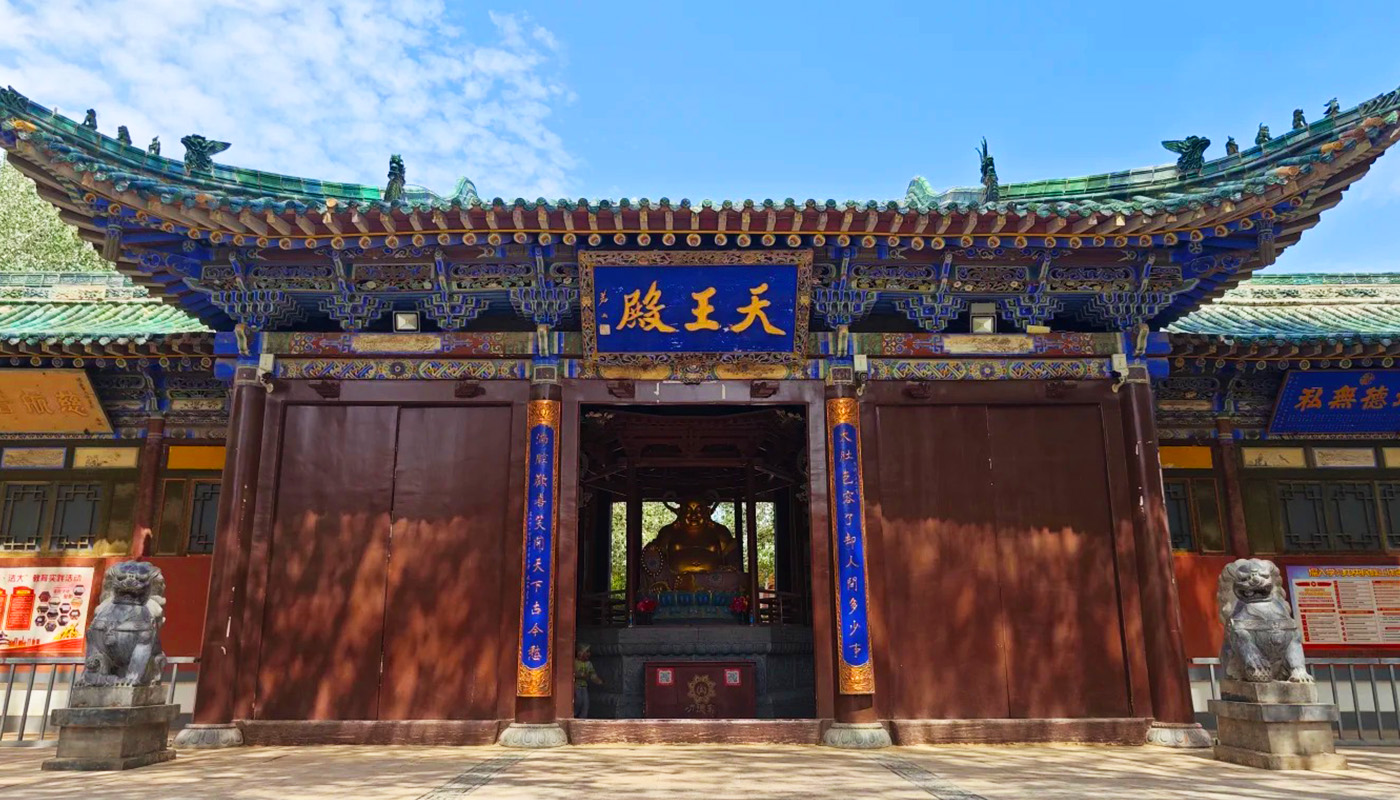
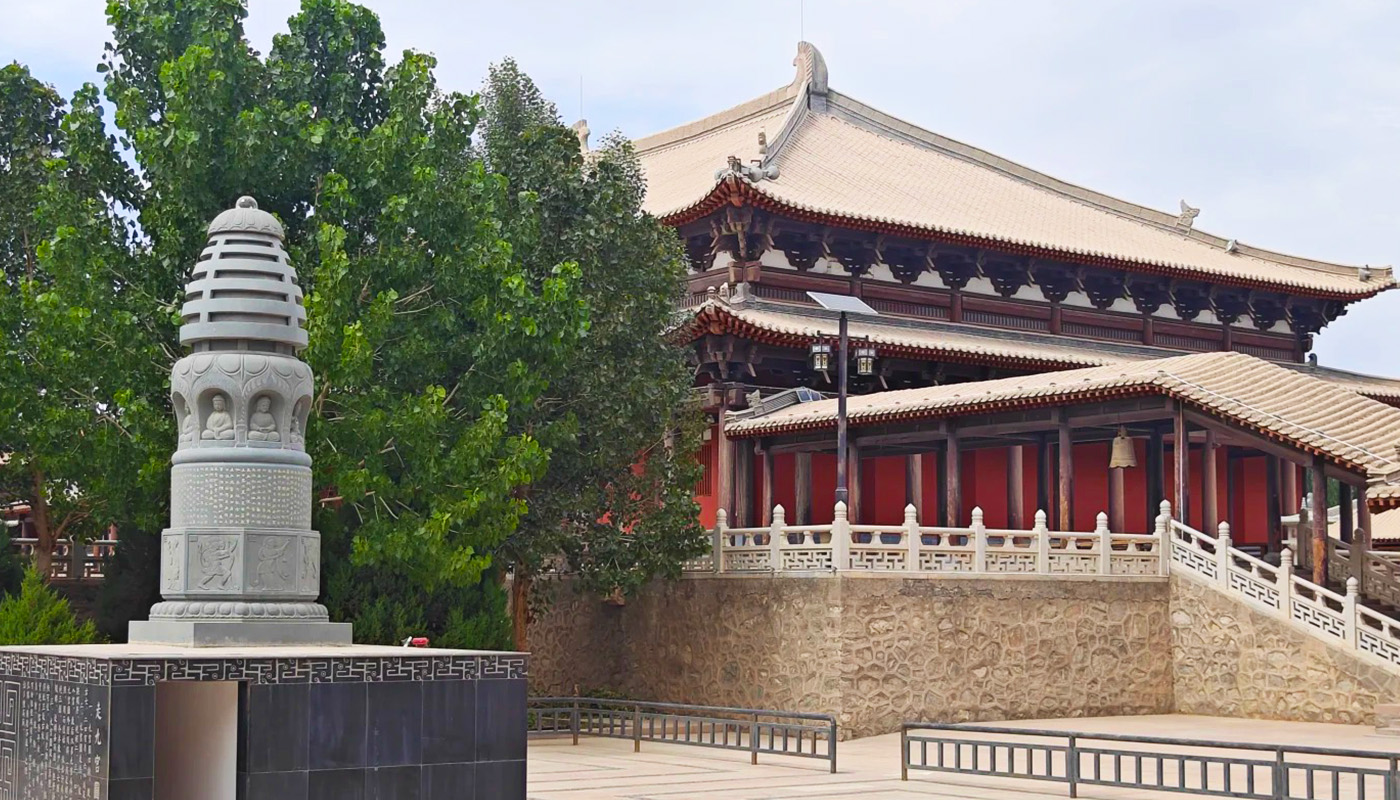
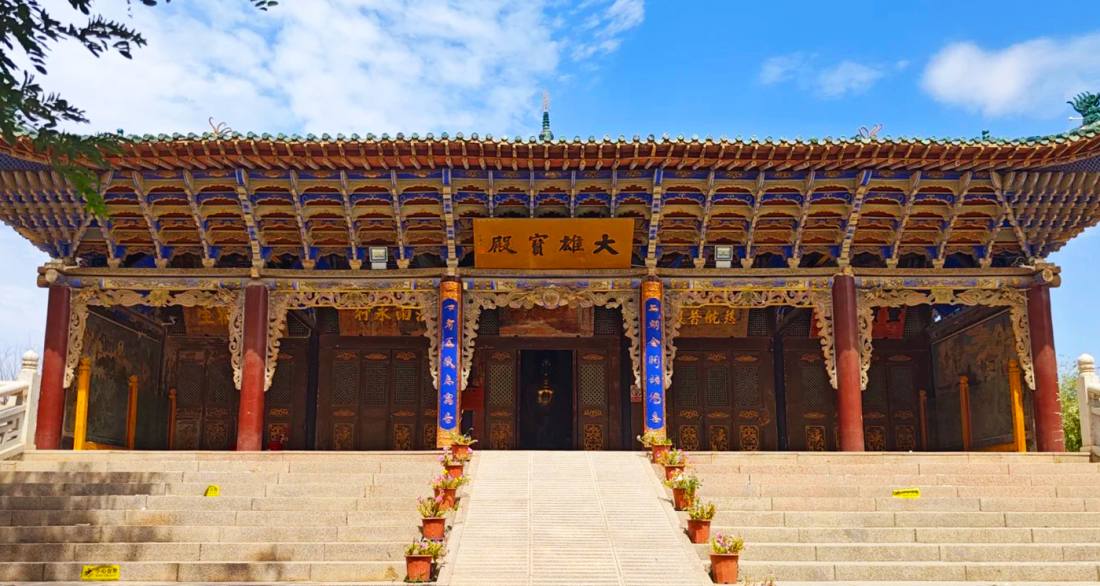
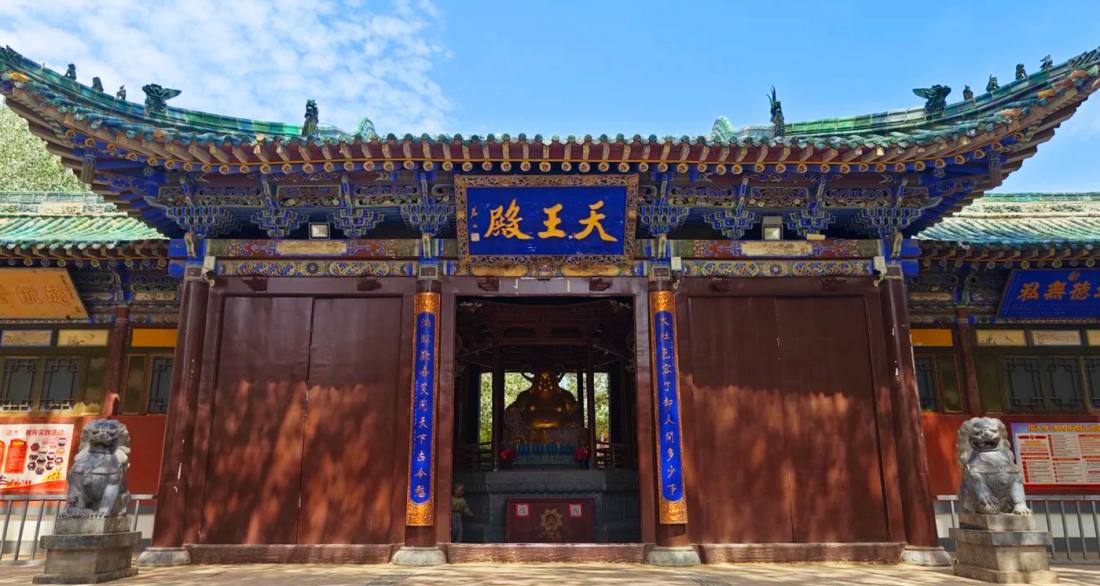
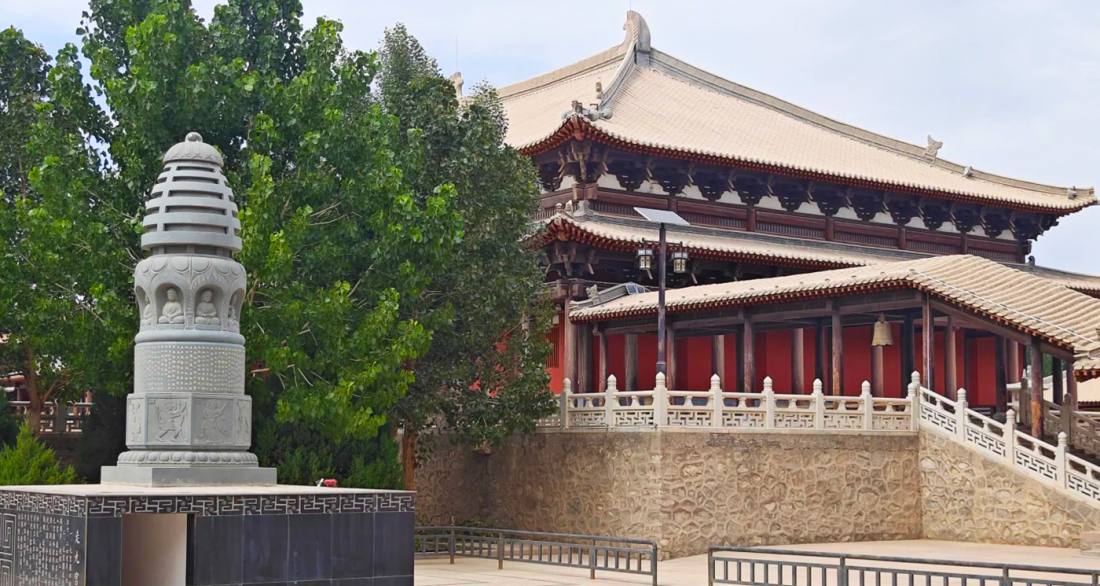
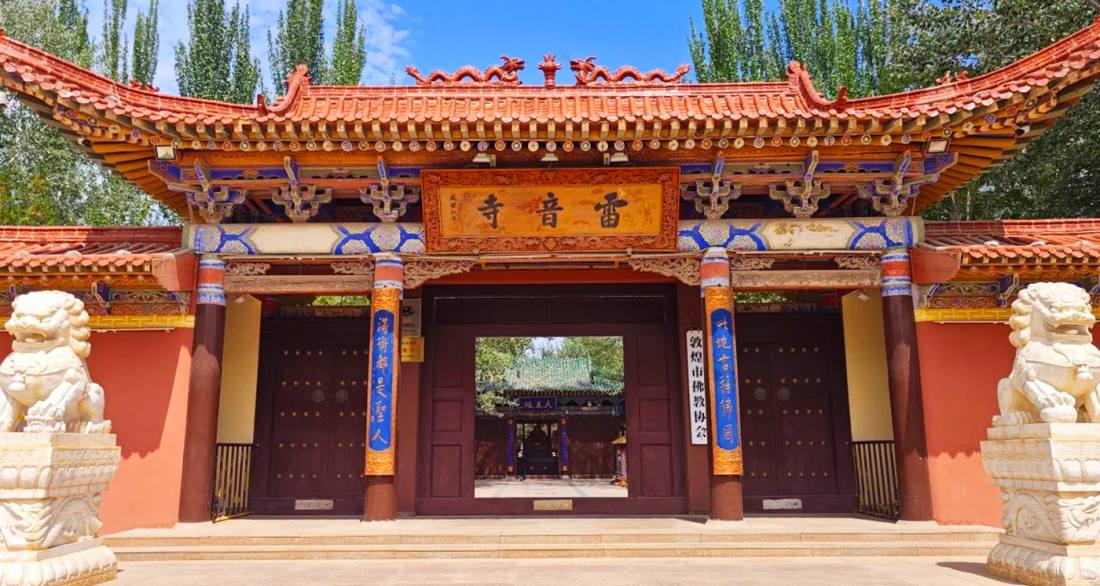
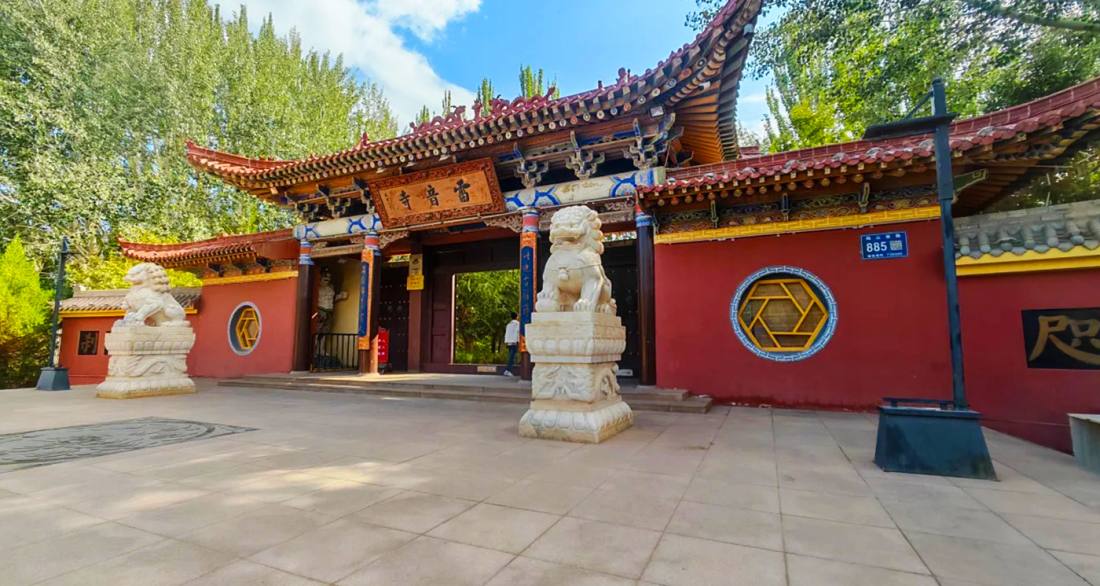
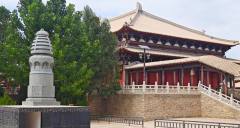
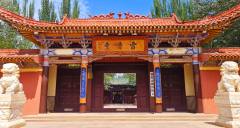
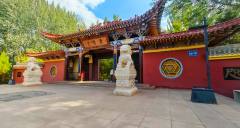
敦煌雷音寺位於甘肅省敦煌市鳴沙山下,緊鄰月牙泉景區,是敦煌地區規模最大的漢傳佛教寺院。其歷史最早可追溯至西晉時期的「仙岩寺」,唐代敕名為「皇家崇教寺」,後於晚唐稱「雷音寺」,現存建築為1990年後依唐代規制及莫高窟第172窟《西方淨土變》壁畫藍圖在原址附近重建。寺院佔地三百餘畝,沿中軸線依次分佈山門、天王殿、大雄寶殿、大光明殿及藏經樓,其中主殿大光明殿採用純木榫卯結構,面闊九間,進深七間,高33米,為全國最大的傳統木結構殿堂之一,完美再現了盛唐佛寺的恢宏氣度。寺內不僅延續了敦煌千年佛教法脈,設有念佛堂、禪堂等修行空間,更因與古典名著《西遊記》中「小雷音寺」的文化聯想而廣為人知,成為融歷史傳承、唐代建築美學、佛教修行與文學想像於一體的絲路名剎。
Dunhuang Leiyin Temple is located at the foot of the Singing Sand Mountain in Dunhuang City, Gansu Province, adjacent to the Crescent Moon Spring scenic area. It is the largest Han Chinese Buddhist temple in the Dunhuang region. Its history dates back to the "Xianyan Temple" of the Western Jin Dynasty, renamed "Imperial Chongjiao Temple" by imperial decree during the Tang Dynasty, and later known as "Leiyin Temple" in the late Tang period. The current structures were reconstructed near the original site after 1990, following Tang Dynasty architectural standards and based on the blueprint depicted in the Pure Land Transformation mural of Cave 172 at the Mogao Grottoes. The temple covers an area of over three hundred mu (about 50 acres). Along its central axis are arranged the Mountain Gate, Heavenly Kings Hall, Mahavira Hall, Great Light Hall, and Scripture Depository. The main hall, the Great Light Hall, is built entirely with wooden mortise-and-tenon joints, featuring nine bays in width, seven bays in depth, and a height of 33 meters, making it one of the largest traditional wooden halls in China, perfectly recreating the majestic grandeur of a High Tang Buddhist monastery. Inside, the temple not only continues the millennium-long Buddhist lineage of Dunhuang with spaces for practice such as chanting halls and meditation halls but has also gained widespread recognition due to its cultural association with the "Small Leiyin Temple" from the classical literary masterpiece Journey to the West. It stands as a renowned Silk Road monastery integrating historical heritage, Tang Dynasty architectural aesthetics, Buddhist practice, and literary imagination.