

| 产品 | 提前预定时间 | 取消政策 | 原价 | 优惠价 | ||
|---|---|---|---|---|---|---|
| 产品 | 提前预定时间 | 取消政策 | 原价 | 优惠价 | ||
|---|---|---|---|---|---|---|
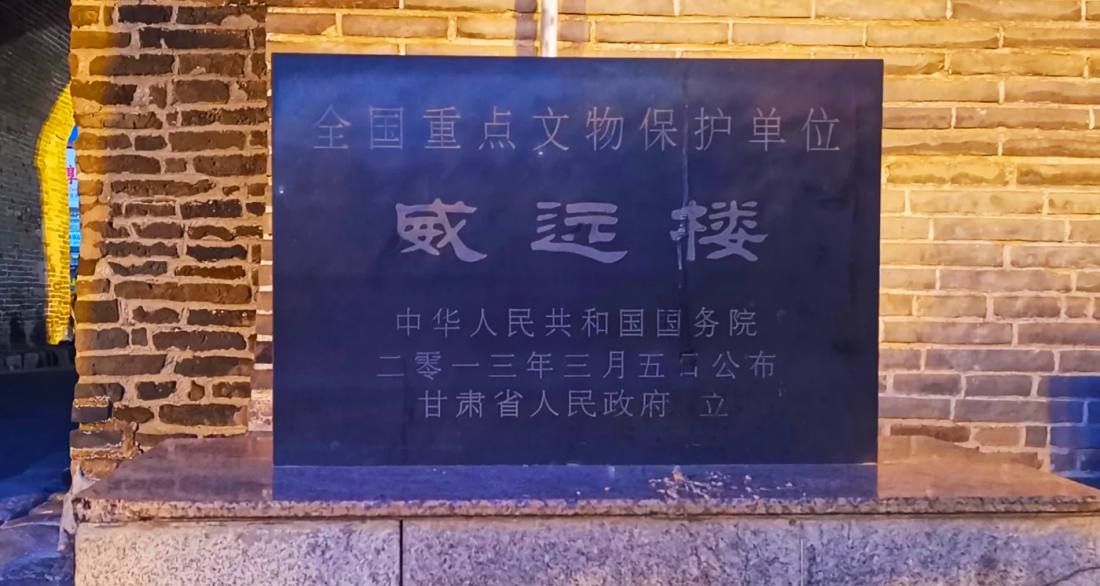
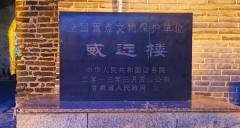
Weiyuan Tower is a National Key Cultural Relics Protection Unit and operates on a reservation-based visit system. Individual visitors must make a real-name reservation in advance through the official designated mini-program (e.g., "Weiyuan Tower Cultural Tourism Green Code") with daily visitor limits; groups of 10 or more must make a phone reservation at least three working days in advance. Opening hours are typically on weekends and public holidays (e.g., Saturday and Sunday, 09:00-12:00, 14:30-17:30) and are closed on weekdays. During your visit, please note: bring original identification documents for verification and enter during your reserved time slot; the tower is an ancient wooden structure—smoking, touching cultural relics, and climbing on doors or windows are prohibited; maintain quietness and avoid loud noises or running; do not bring beverages or food inside; refrain from using tripods or selfie sticks in narrow areas; elderly visitors and young children should be accompanied and supervised by family members; in case of major events or special circumstances, opening hours may be adjusted temporarily, so please check official announcements before your visit.
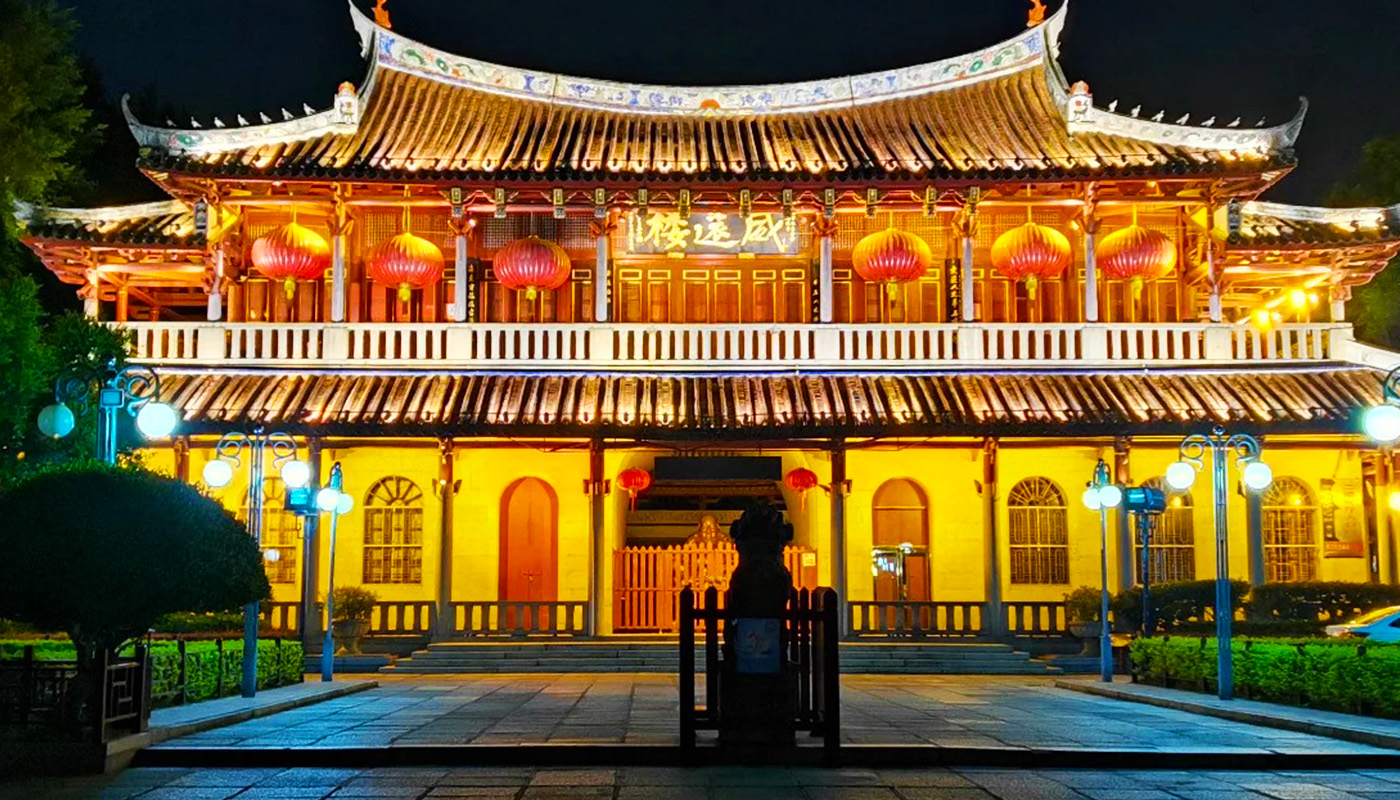
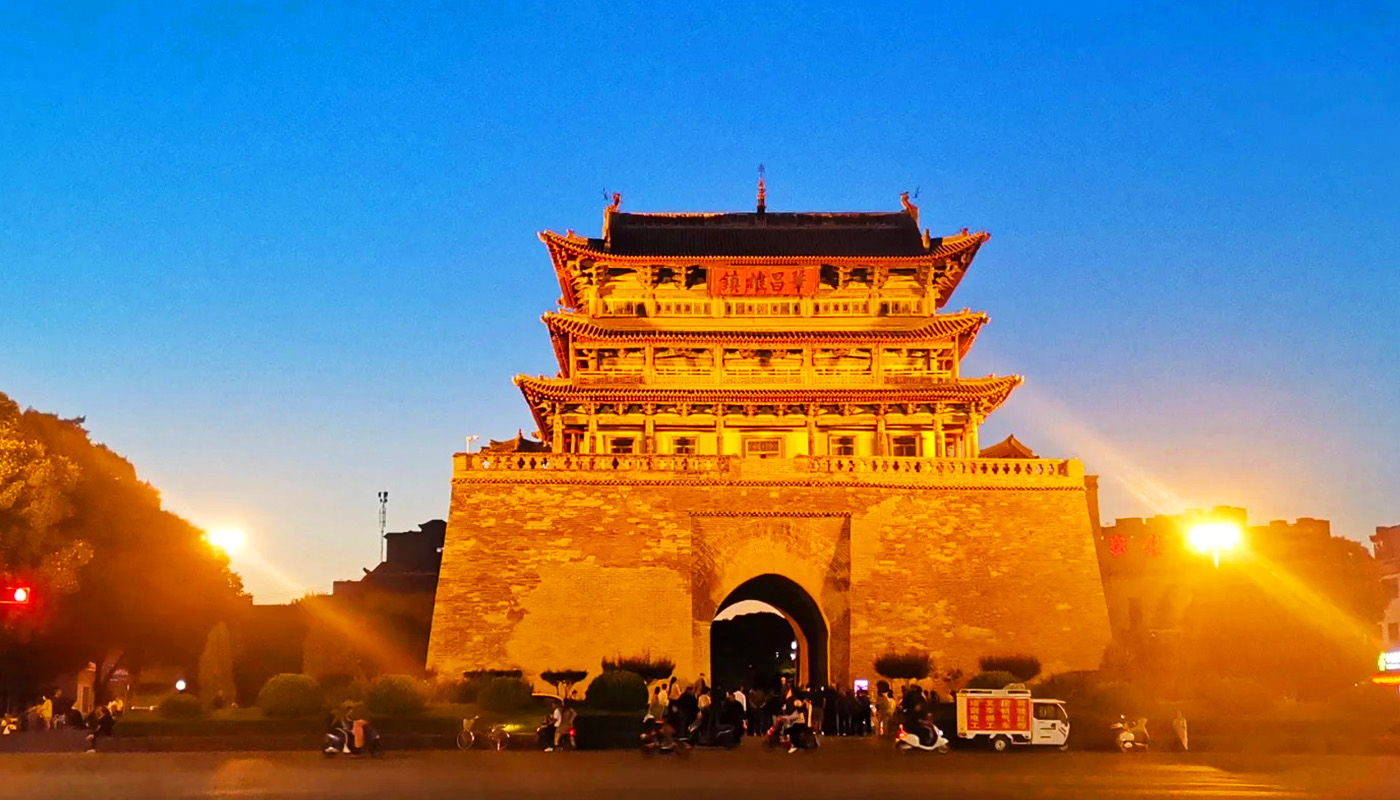
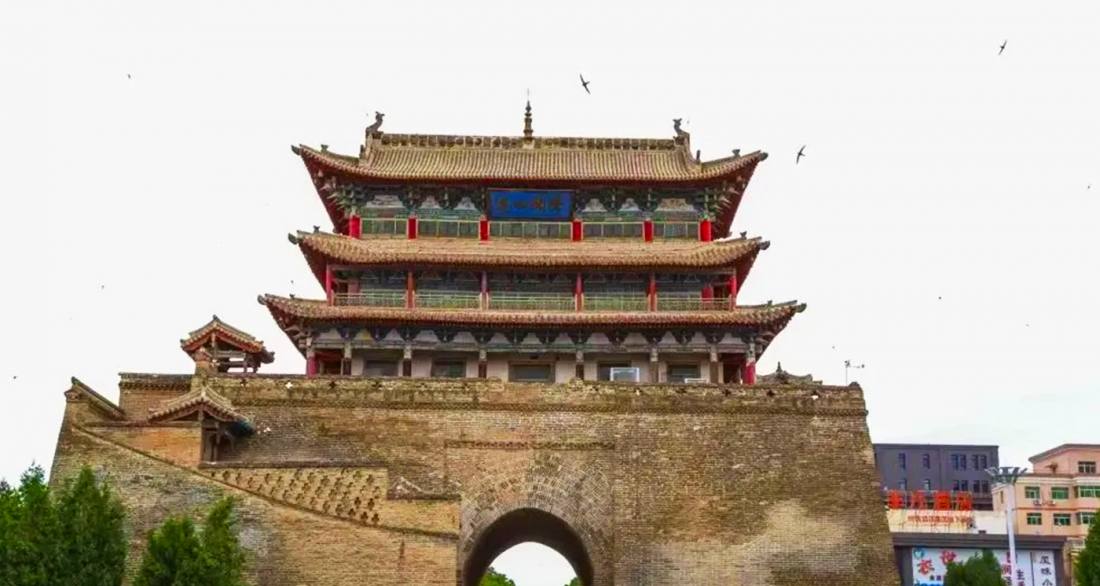
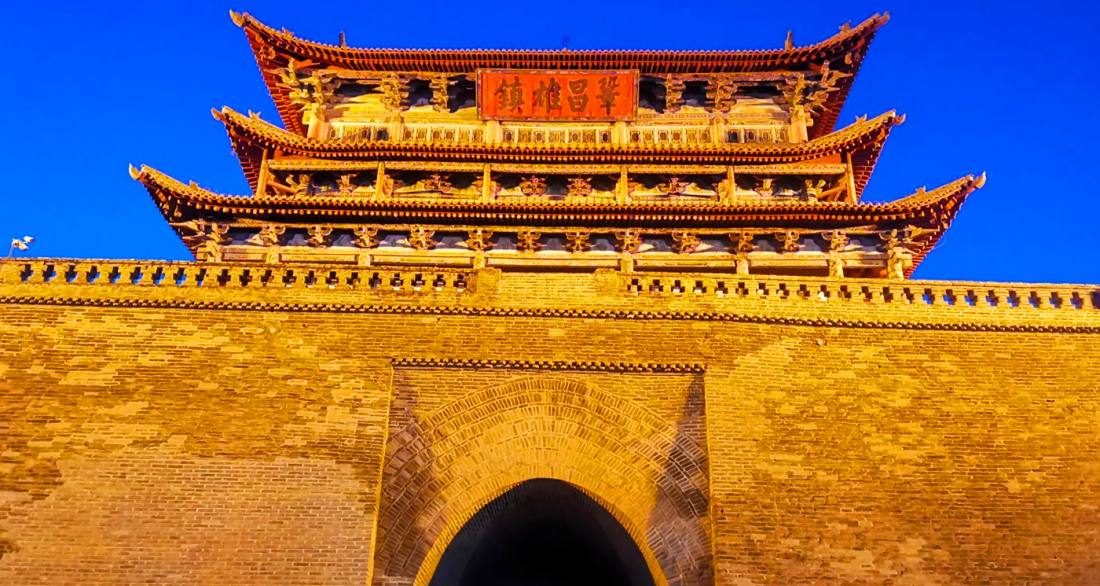
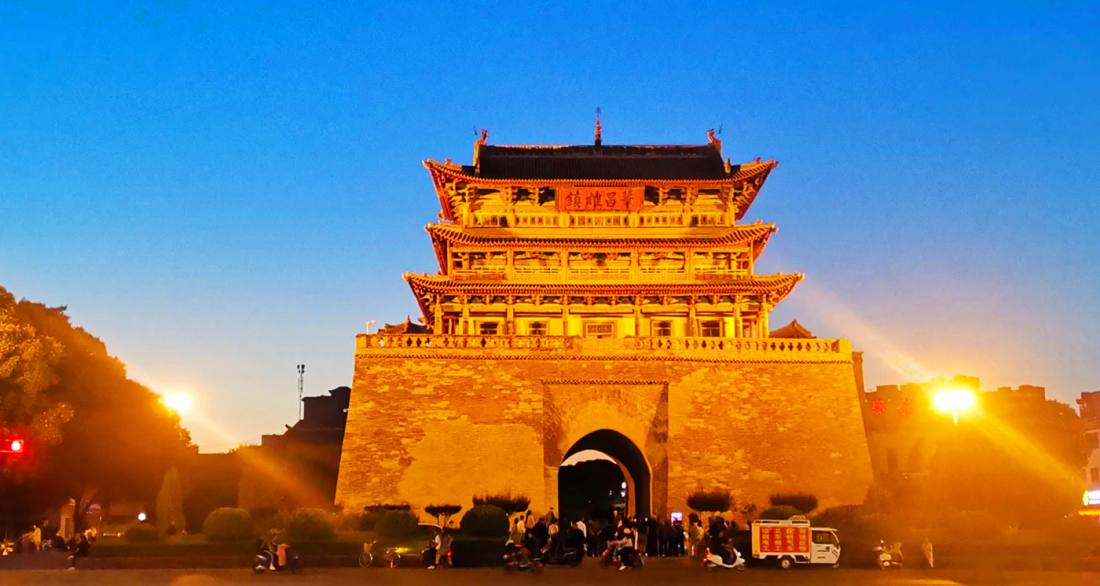
始建於北宋皇祐五年(一千零五十三年),原為軍事瞭望譙樓,歷經元、明、清歷代擴建,形成現存磚基三層木樓結構。通高二十六米,基座高十一米,歇山式屋頂,檐下斗拱一百零二朵,四面飛檐,二十四根廊柱象徵二十四節氣。樓內藏有北宋崇寧元年(一千一百零二年)所鑄銅鐘(高兩米,重約六千公斤)及明代《五嶽真形圖》碑刻等文物。歷史上兼具報時、報警功能,故又稱「鐘鼓樓」。一千九百六十三年列為省級文物保護單位,二千零十三年升格為全國重點文物保護單位。其建築融合軍事防禦、計時功能與宋明藝術風格,被譽為「隴中第一樓」。
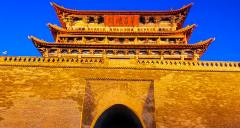
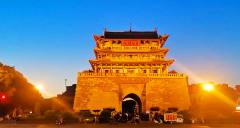
Originally built in 1053 during the Northern Song Dynasty as a military watchtower, it was expanded and renovated through the Yuan, Ming, and Qing dynasties. The current structure is a three-story wooden tower on a brick base, standing twenty-six meters tall with an eleven-meter-high platform. It features a hip-and-gable roof, one hundred and two bracket sets under the eaves, and twenty-four corridor columns symbolizing the twenty-four solar terms. The tower houses cultural relics, including a bronze bell cast in 1102 (two meters high, weighing approximately six thousand kilograms) and a Ming-era stele engraving of the "Map of the Five Sacred Mountains". Historically used for timekeeping and alarms, it is also called the "Bell and Drum Tower." Listed as a provincial-level cultural relic in 1963, it was designated a National Key Cultural Relics Protection Unit in 2013. Its architecture blends military defense, timekeeping, and artistic styles of the Song-Ming periods, earning it the title "First Tower of Longzhong."