
| 产品 | 提前预定时间 | 取消政策 | 原价 | 优惠价 | ||
|---|---|---|---|---|---|---|
| 产品 | 提前预定时间 | 取消政策 | 原价 | 优惠价 | ||
|---|---|---|---|---|---|---|
永泰古城為開放的國家重點文物保護單位和傳統村落,無需提前預約或購買統一門票,可自由進入參觀。但需注意:古城內多數建築為民居或文保單位,進入特定宅院、登上城牆或參觀小型陳列館等可能需向當地村民或管理者支付小額費用(通常為自願資助性質);遊覽時請保持安靜,尊重當地居民的生活隱私,未經允許請勿擅闖民宅或對村民近距離拍照;古城牆體古老脆弱,嚴禁攀爬、刻畫或破壞任何建築構件;村落內餐飲住宿設施極為有限且條件樸素,若計劃長時間停留建議自備飲水和食物;由於地處戈壁邊緣,風沙較大且晝夜溫差顯著,請做好防風沙、防曬及保暖準備;請務必帶走所有個人垃圾,共同保護古城的原始風貌。
Yongtai Ancient City is an open National Key Cultural Relics Protection Unit and traditional village that does not require advance reservations or a standard entrance ticket for entry. However, please note: most structures within the ancient city are either private residences or protected heritage units, and access to specific courtyards, city wall ascents, or small exhibition halls may involve a modest voluntary contribution to local villagers or caretakers (typically considered as a community support fee); during your visit, maintain quietness and respect residents' privacy—do not enter homes without permission or photograph villagers closely; the ancient walls are old and fragile, and climbing, carving, or damaging any architectural components is strictly prohibited; dining and lodging facilities within the village are extremely limited and basic, so bringing your own water and food is recommended for extended stays; as the site is on the edge of the Gobi Desert, expect strong winds, sand, and significant day-night temperature variations, so prepare for wind/sand protection, sun protection, and warmth; be sure to take all personal trash with you to help preserve the original character of the ancient city.
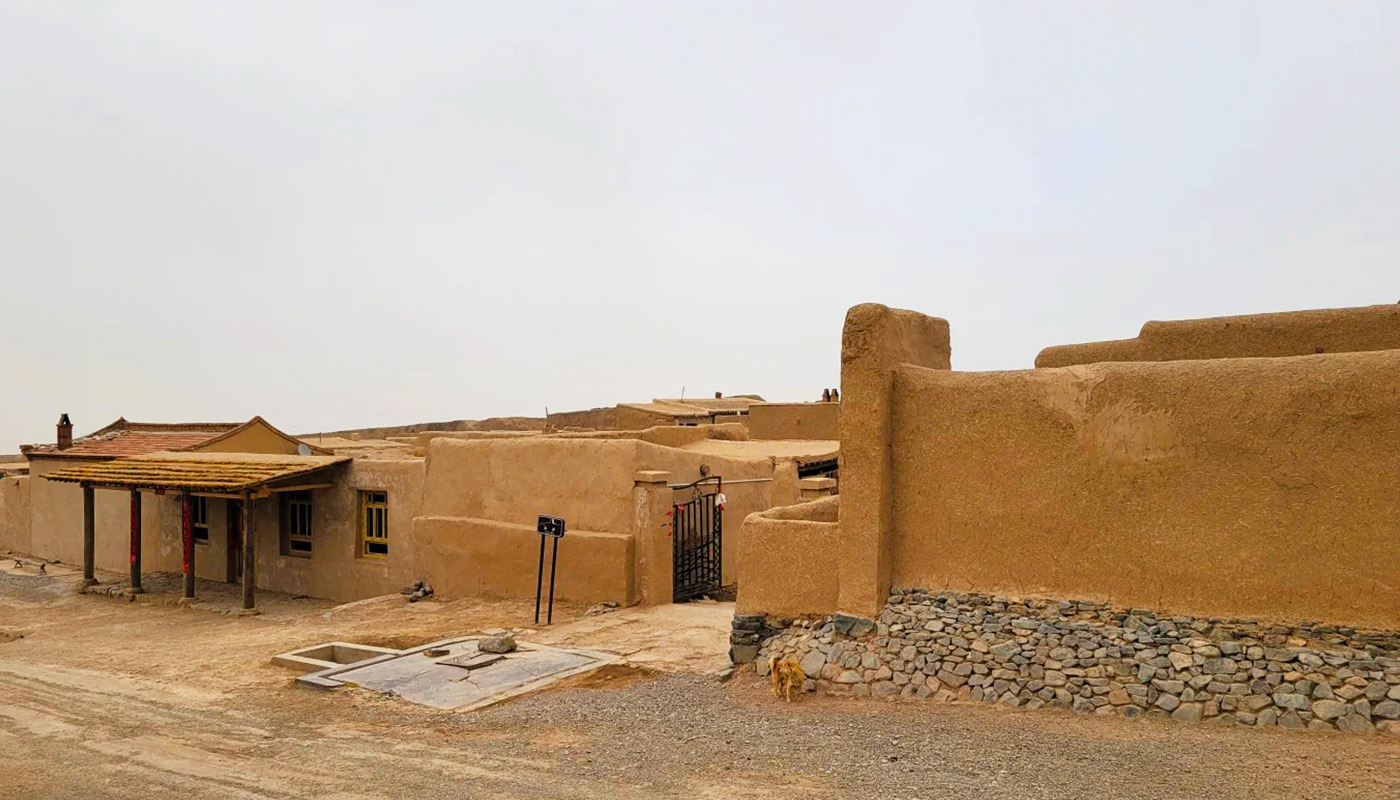
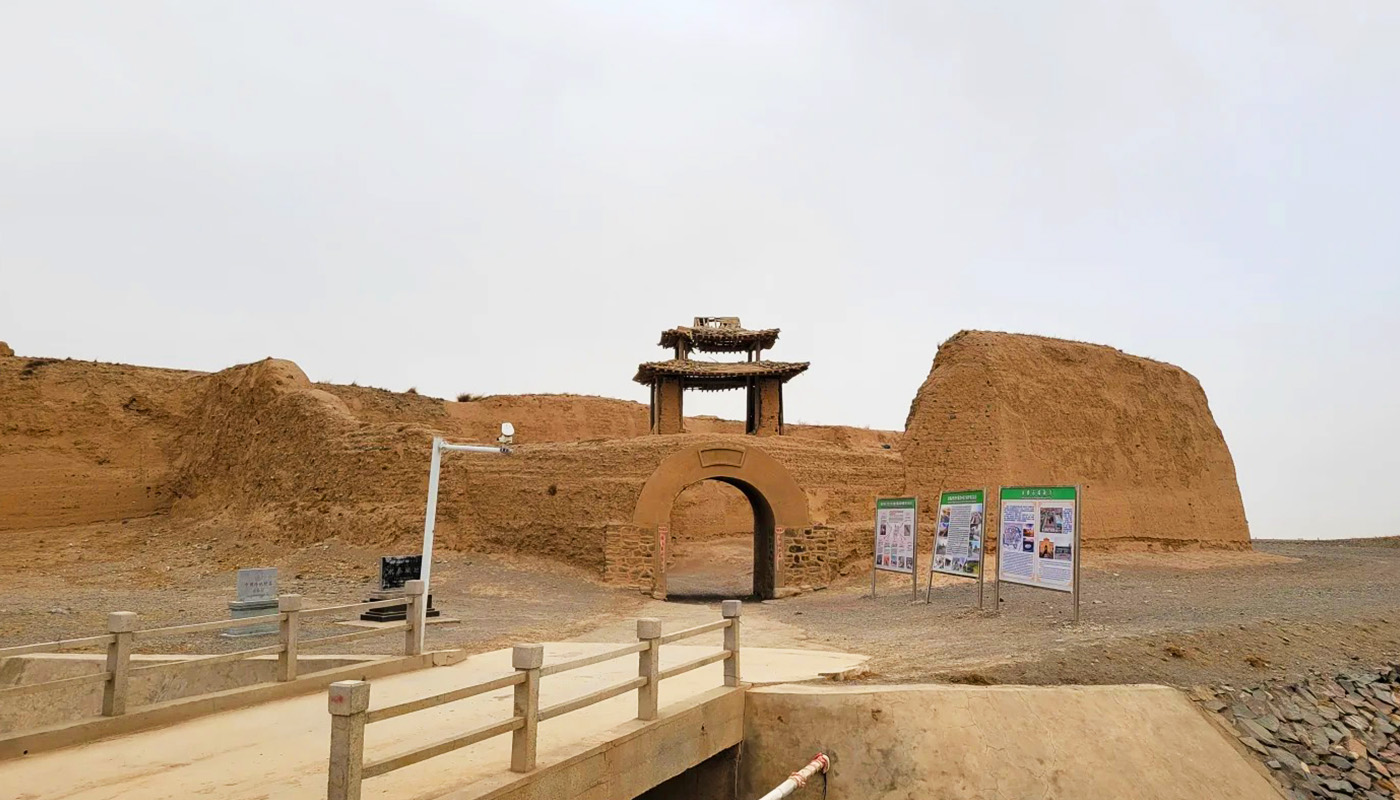
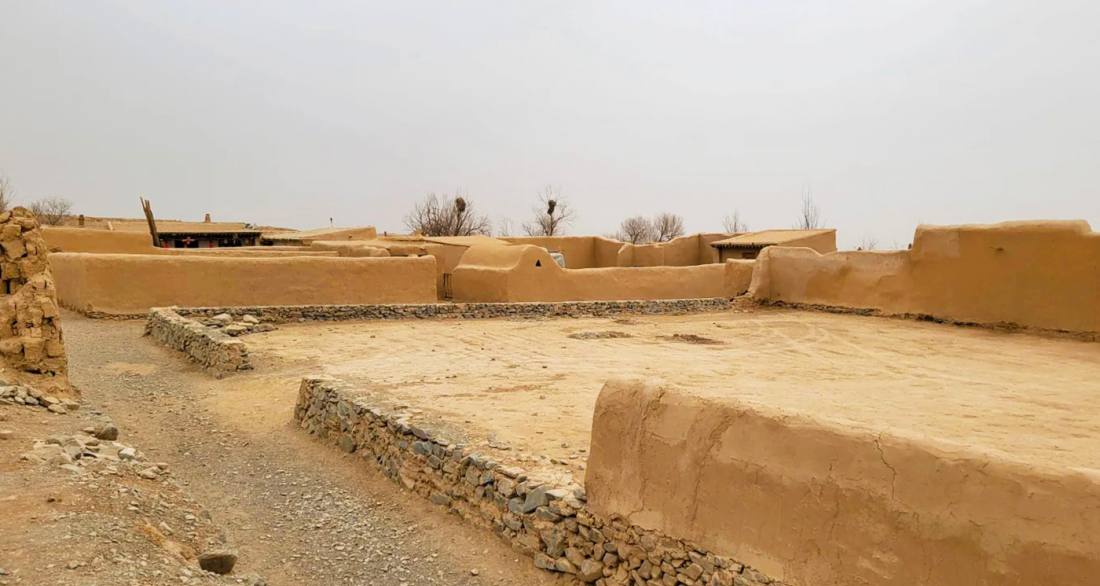
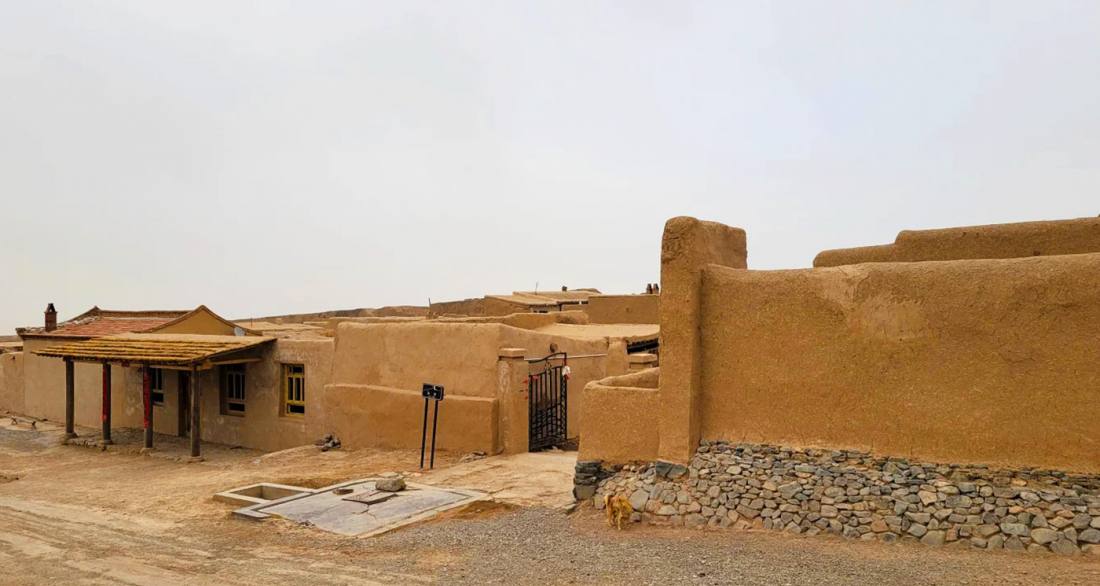
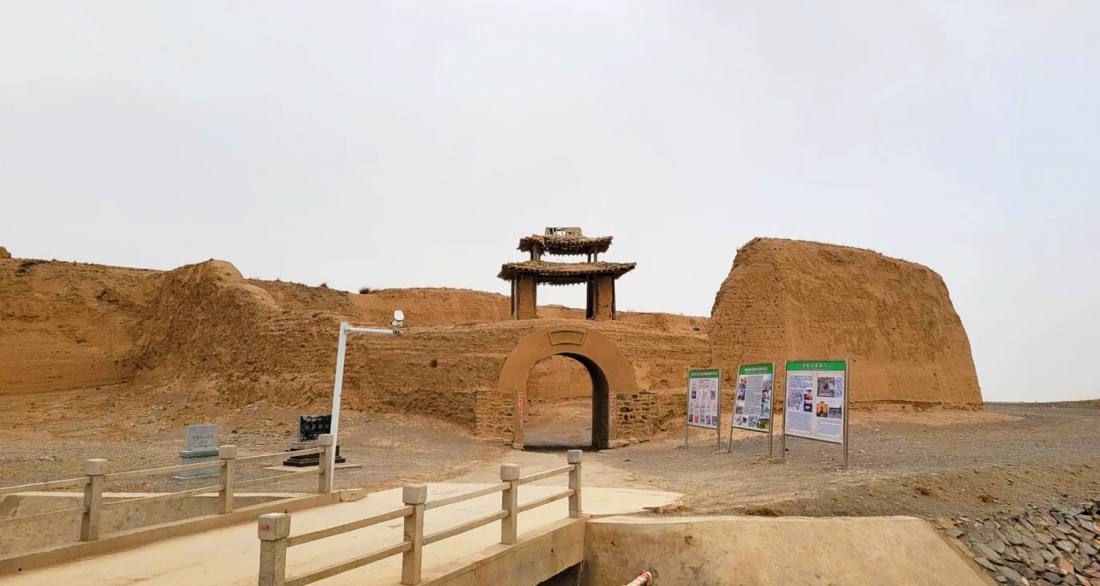
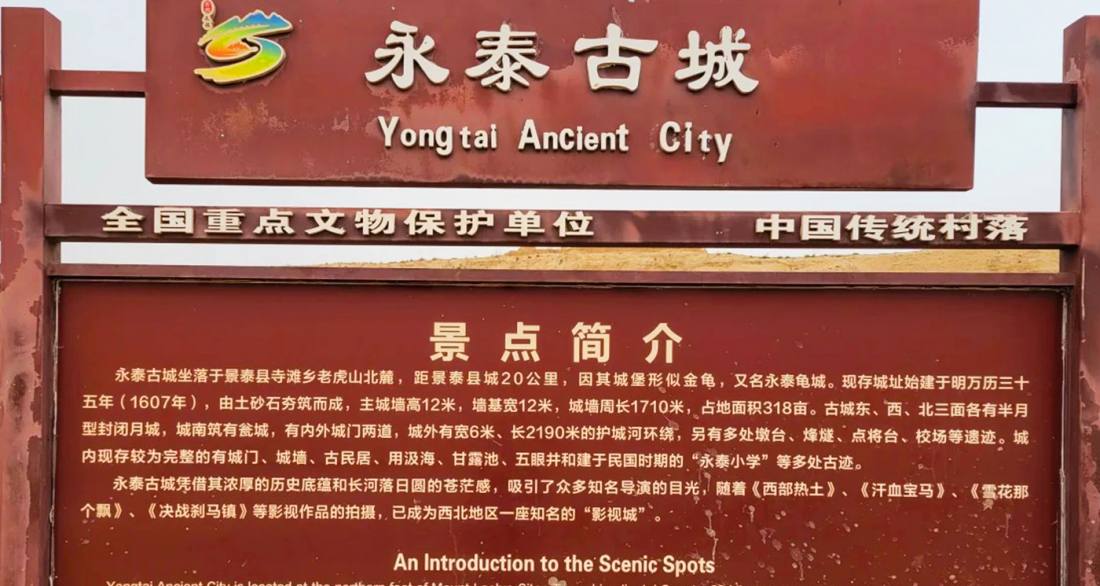
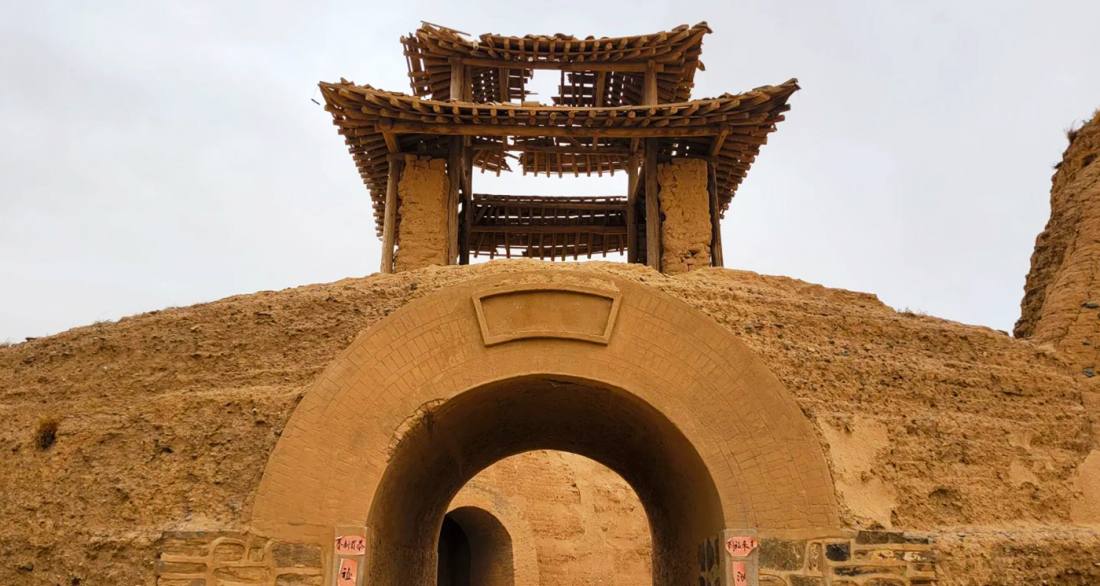
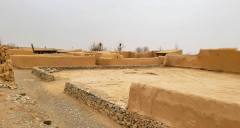
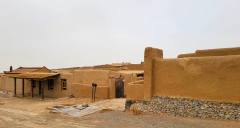
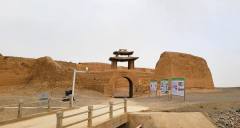
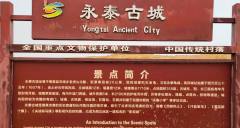
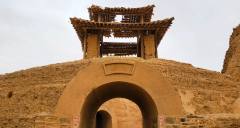
永泰古城位於甘肅省白銀市景泰縣寺灘鄉的戈壁灘上,是一座始建於明萬曆三十六年(公元1608年)、為防禦北方遊牧民族侵襲而建的軍事要塞,因其俯瞰呈橢圓形且設有甕城、形如巨龜而被稱為「龜城」。古城牆周長約1700米,高12米,由黃土夯築而成,歷經四百餘年風雨仍巍然屹立。作為明朝長城防禦體系與絲綢之路東段北道上的重要關隘,它完美融合了軍事工程、絲路貿易與邊疆屯墾三重功能。城內保留著以「軍事指揮中心」(現為永泰小學)為核心的街巷肌理,以及明清風格的民居、古井、廟宇和民國時期的西洋風格建築,城外護城河(現已乾涸)輪廓清晰可辨。如今,這座「活著的古城」仍有近百戶居民延續著傳統農耕生活,在晨曦暮靄中,夯土城牆與遠處祁連雪峰、近處戈壁荒漠交相輝映,構成一幅蒼涼厚重的歷史畫卷,成為絲路沿線兼具軍事考古價值與人文紀實意義的獨特地標。
Yongtai Ancient City is situated on the Gobi Desert in Sitān Township, Jingtai County, Baiyin City, Gansu Province. Built in 1608 AD during the 36th year of the Wanli reign in the Ming Dynasty as a military fortress to defend against nomadic invasions from the north, its elliptical layout with an outer瓮城 gives it the appearance of a giant turtle, earning it the nickname "Turtle City." The ancient city wall spans approximately 1,700 meters in perimeter, stands 12 meters high, and is constructed of rammed earth, remaining steadfast through over four centuries of weathering. Serving as a crucial pass within both the Ming Dynasty’s Great Wall defense system and the northern route of the Eastern Silk Road, it perfectly integrated military engineering, Silk Road trade, and frontier agricultural settlement. Within the walls, the street grid centered around the former "military command center" (now Yongtai Primary School) is preserved, along with Ming- and Qing-style dwellings, ancient wells, temples, and Republican-era Western-influenced architecture. The outline of the dried-up moat remains clearly visible outside the city. Today, this "living ancient city" continues to host nearly a hundred households sustaining traditional farming livelihoods. At dawn and dusk, the rammed-earth walls resonate with the distant Qilian snow peaks and the nearby戈壁 desert, composing a solemn and profound historical panorama, making it a unique landmark along the Silk Road that combines military archaeological value with documentary significance of human resilience.