
| 产品 | 提前预定时间 | 取消政策 | 原价 | 优惠价 | ||
|---|---|---|---|---|---|---|
| 产品 | 提前预定时间 | 取消政策 | 原价 | 优惠价 | ||
|---|---|---|---|---|---|---|
冷湖石油小鎮為未商業開發的工業遺址,屬開放式區域,無需預約或購買門票。遊玩時請務必注意:遺址內無任何工作人員與管理設施,亦無照明設備,請在天黑前完成遊覽並離開;絕大部分建築已成危房,結構極不穩定,嚴禁任何形式的攀爬、鑽入或損毀牆體;內部路面崎嶇,遍佈碎石與鋼筋,務必穿著結實耐用的鞋具,謹防受傷;請攜帶足量的飲用水與食物,因該地無任何售賣點且極為乾燥;請將所有垃圾隨身帶走,保護遺址的原貌。因地處戈壁,紫外線強、風力大,請務必做好防曬與防風沙準備。
Leng Hu Oil Town is an uncommercially developed industrial ruin, functioning as an open-access area. No reservation or entrance ticket is required. During your visit, please note the following: there are no staff, management facilities, or lighting on-site, so complete your tour and leave before dark; the majority of structures are dangerously dilapidated and unstable, and any form of climbing, entering, or damaging the walls is strictly prohibited; the ground inside is rough and scattered with debris and exposed rebar, so wearing sturdy footwear is essential to prevent injury; bring sufficient drinking water and food, as there are no vendors on-site and the area is extremely arid; please take all trash with you to preserve the site's original state. Given its location in the Gobi Desert with intense UV radiation and strong winds, thorough sun protection and preparation against sandstorms are necessary.
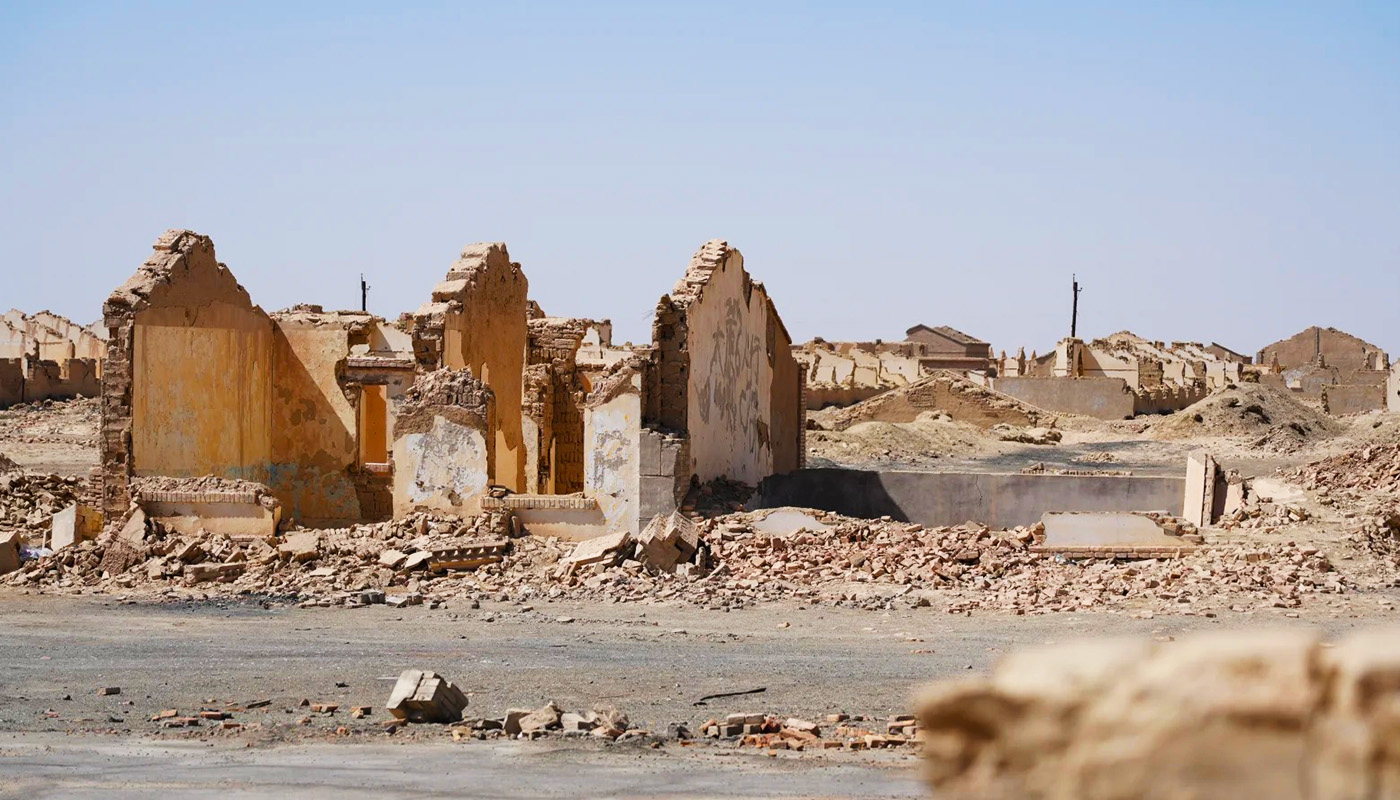
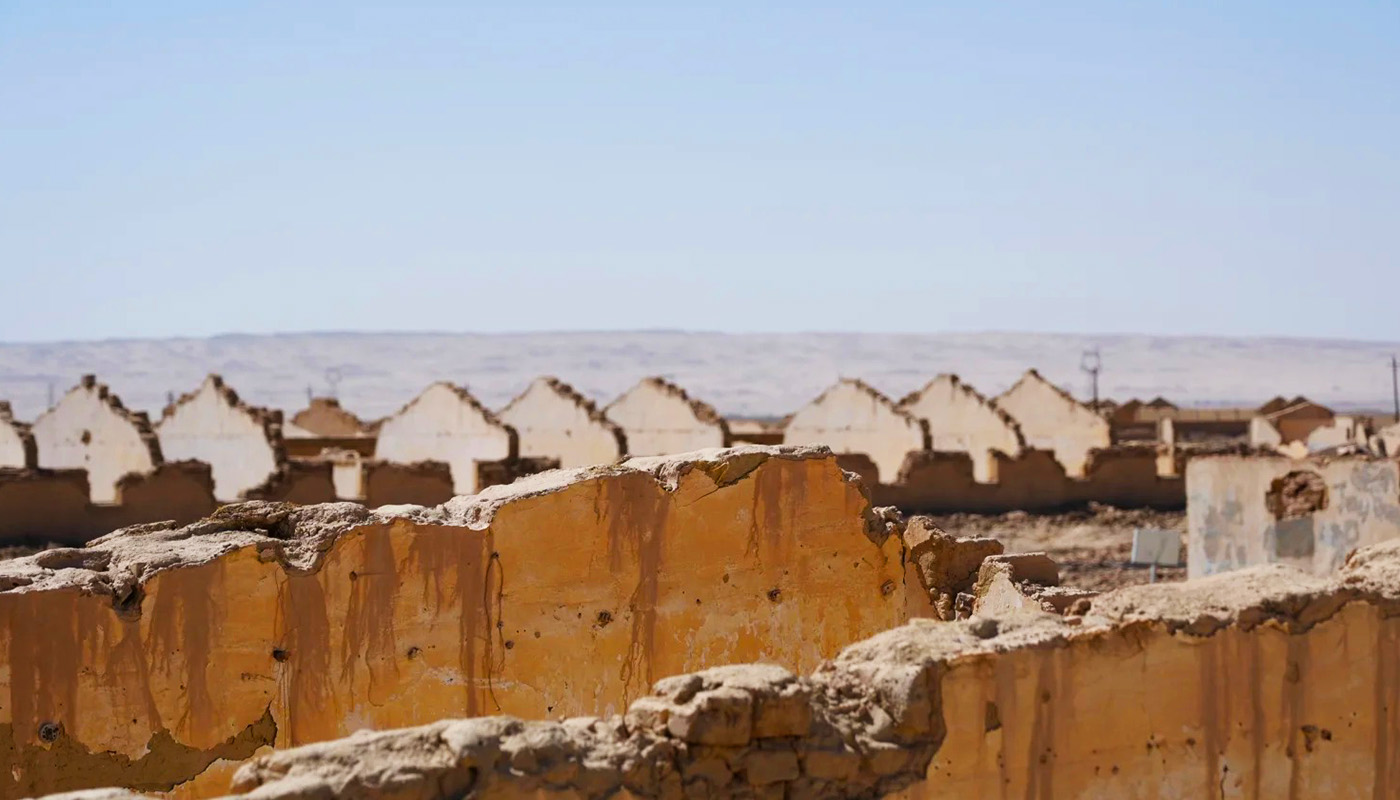
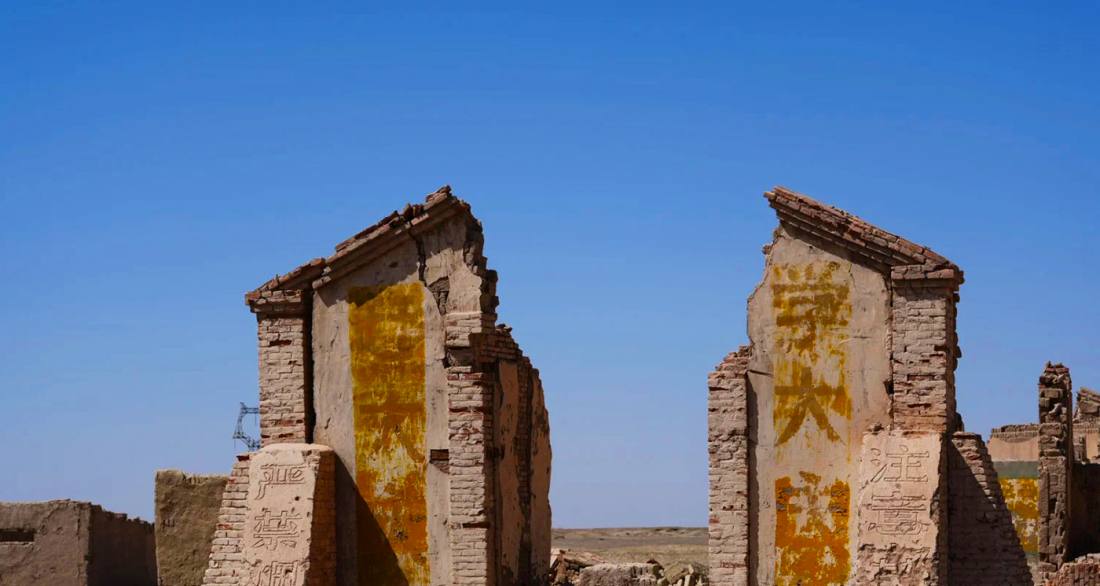
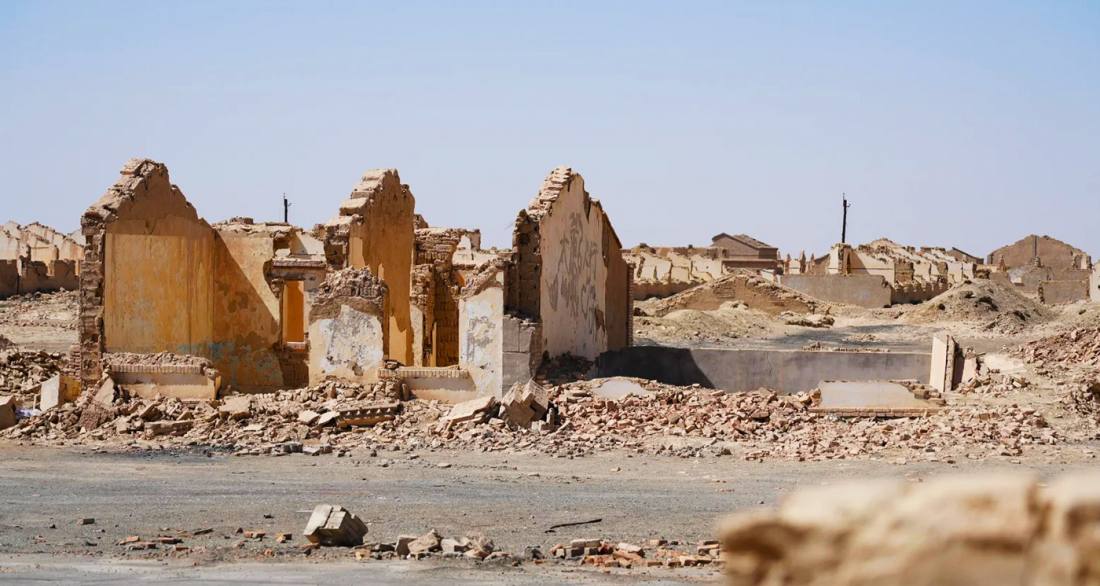
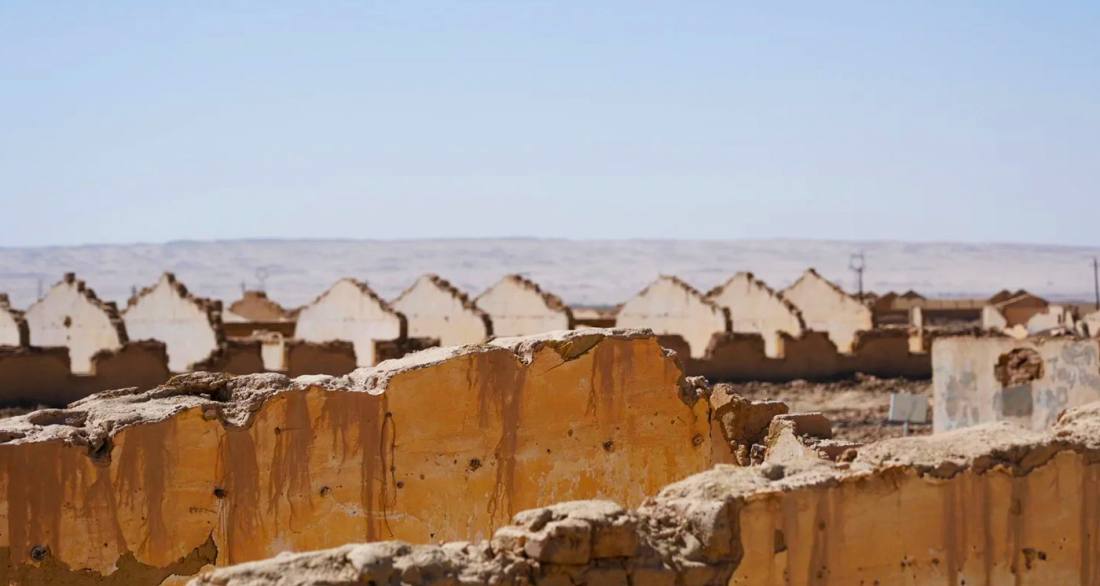
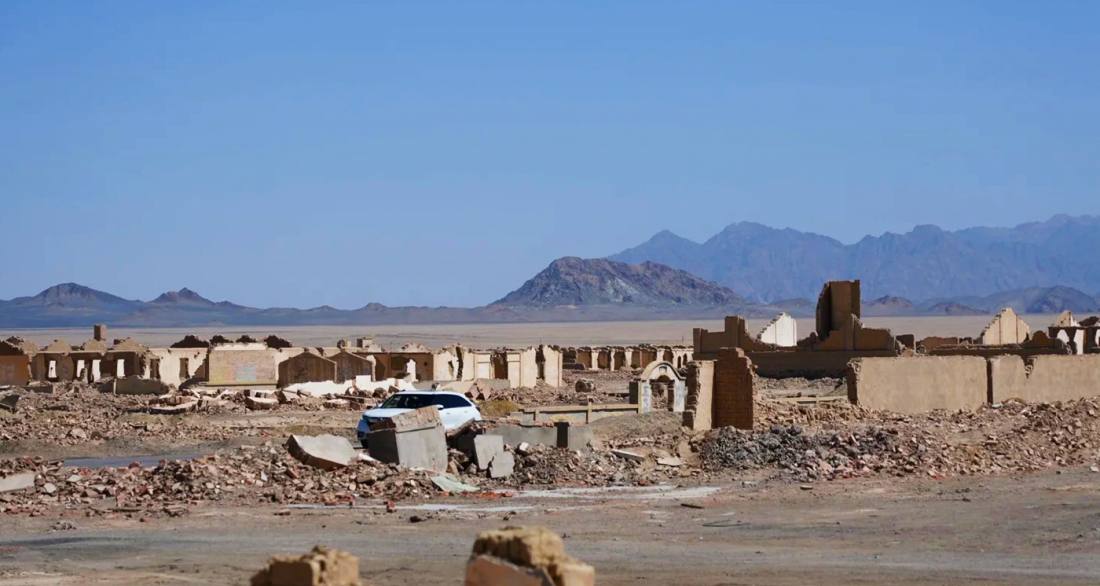
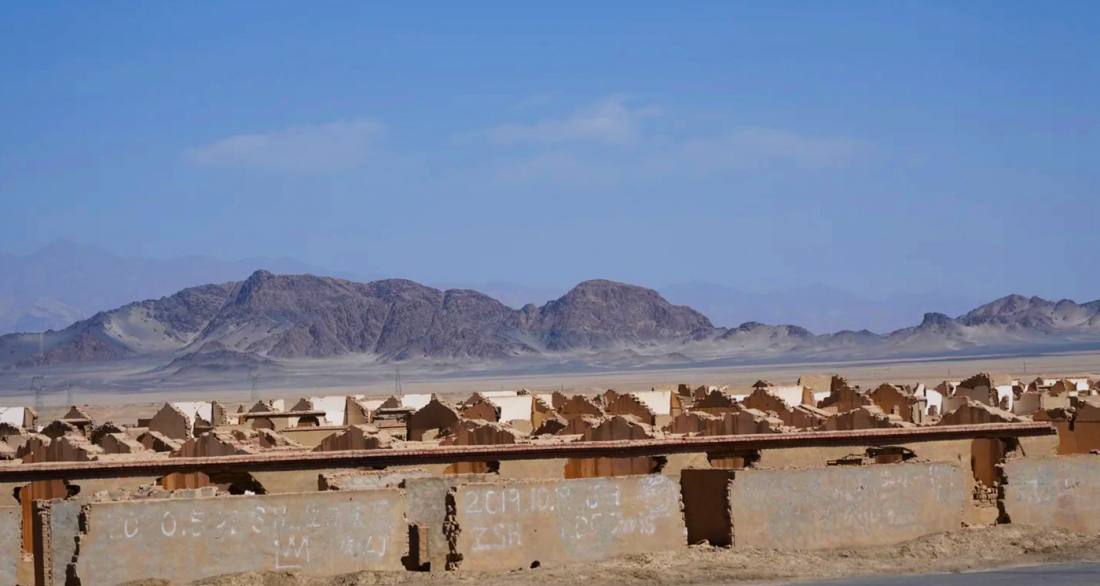
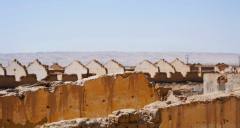
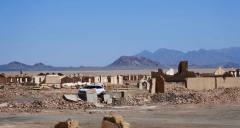
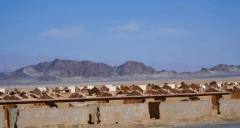
冷湖石油小鎮(又名冷湖石油基地遺址)位於青海省海西蒙古族藏族自治州茫崖市冷湖鎮東北方向約11公里處,地處柴達木盆地西北邊緣的荒漠之中。作為上世紀五六十年代新中國四大油田之一的開發指揮中心和後勤保障基地,這裡曾是一座擁有數萬人口的繁榮石油城鎮,被譽為「戈壁上的石油明珠」和「西北小香港」。隨著九十年代末石油資源的枯竭,居民整體搬遷,昔日繁忙的街道、職工宿舍、電影院、學校等建築如今只剩下斷壁殘垣,在風沙侵蝕下形成了極具歷史悲愴感和視覺衝擊力的露天工業遺址博物館。如今,它以近乎凝固的時空姿態,見證了共和國工業拓荒的崢嶸歲月與大時代變遷下的個體命運,不僅是歷史學者與紀實攝影師探尋的珍貴樣本,也成為眾多影視作品的取景地和遊人憑弔往昔、感悟生命韌性與時光流逝的精神地標。
Leng Hu Oil Town (also known as the Leng Hu Petroleum Base Ruins) is located approximately 11 kilometers northeast of Lenghu Town in Mangya City, Haixi Mongol and Tibetan Autonomous Prefecture, Qinghai Province, situated in the desert on the northwestern edge of the Qaidam Basin. As the development command center and logistical support base for one of New China’s four major oil fields in the 1950s and 1960s, it was once a thriving petroleum settlement with a population of tens of thousands, renowned as the “Oil Pearl of the Gobi” and the “Little Hong Kong of the Northwest.” By the late 1990s, as oil resources dwindled, the residents were relocated en masse, leaving behind the ruins of once-bustling streets, workers’ dormitories, cinemas, schools, and other buildings. Eroded by wind and sand, these remnants now form an open-air industrial heritage museum imbued with poignant historical resonance and powerful visual impact. Today, frozen in time, it bears witness to the pioneering era of the Republic’s industrialization and the fates of individuals caught in sweeping historical changes. It serves not only as a valuable site for historians and documentary photographers but also as a filming location for numerous movies and television productions, as well as a spiritual landmark for visitors to reflect on the past and contemplate the resilience of life and the passage of time.