
| 产品 | 提前预定时间 | 取消政策 | 原价 | 优惠价 | ||
|---|---|---|---|---|---|---|
| 产品 | 提前预定时间 | 取消政策 | 原价 | 优惠价 | ||
|---|---|---|---|---|---|---|
可可西里無人區為國家級自然保護區兼世界自然遺產,核心區與緩衝區嚴禁任何個人及團隊擅自進入或開展旅遊活動,因此不存在面向公眾的「預定」或「遊玩」概念。普通遊客若想體驗,唯一的合法途徑是沿青藏公路(G109)駕車通過,並在公路沿線指定的觀景台(如索南達傑保護站附近)遠眺,不得離開公路進入保護區範圍。注意事項包括:可可西里平均海拔超過4600米,氣候極端且變化無常,即便在公路沿線也必須嚴防高原反應、劇烈降溫及強風;全程無醫療與補給設施,需自備氧氣、藥物、禦寒衣物與充足飲食;禁止鳴笛、追逐或投餵野生動物;嚴禁留下任何垃圾;務必提前向公安機關報備行程,並隨時關注天氣與道路管制信息。生命安全與生態保護高於一切,請絕對遵守法規,切勿以身試險。
The Hoh Xil Uninhabited Area is a National Nature Reserve and a UNESCO World Natural Heritage Site. Entry into its core and buffer zones is strictly prohibited for all individuals and teams, and no tourism activities are permitted. Consequently, there is no concept of "booking" or "tourist visits" open to the general public. For ordinary visitors who wish to experience it, the only legal means is to drive along the Qinghai-Tibet Highway (G109) and observe from designated viewpoints beside the highway (such as near the Suonandajie Protection Station); leaving the highway to enter the reserve is forbidden. Key considerations include: Hoh Xil has an average altitude exceeding 4,600 meters, with extreme and unpredictable weather. Even along the highway, one must guard against altitude sickness, sudden temperature drops, and strong winds. There are no medical or supply facilities along the route; visitors must carry their own oxygen, medication, warm clothing, and sufficient food and water. Honking at, chasing, or feeding wildlife is prohibited. Leaving any form of litter is strictly forbidden. It is essential to report your travel itinerary to the public security authorities in advance and stay updated on weather and road control information. Life safety and ecological protection are paramount; please strictly abide by the laws and regulations and never attempt to risk entry.
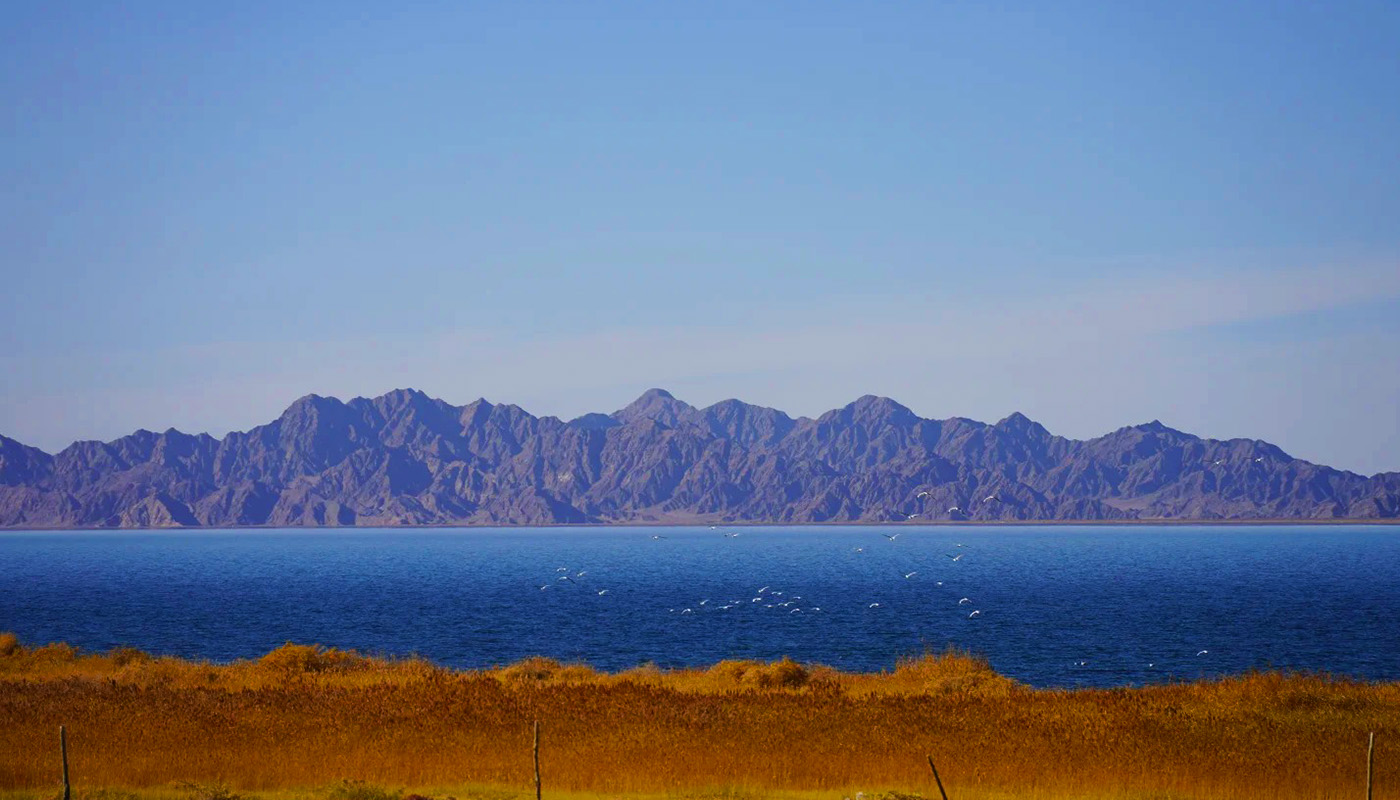
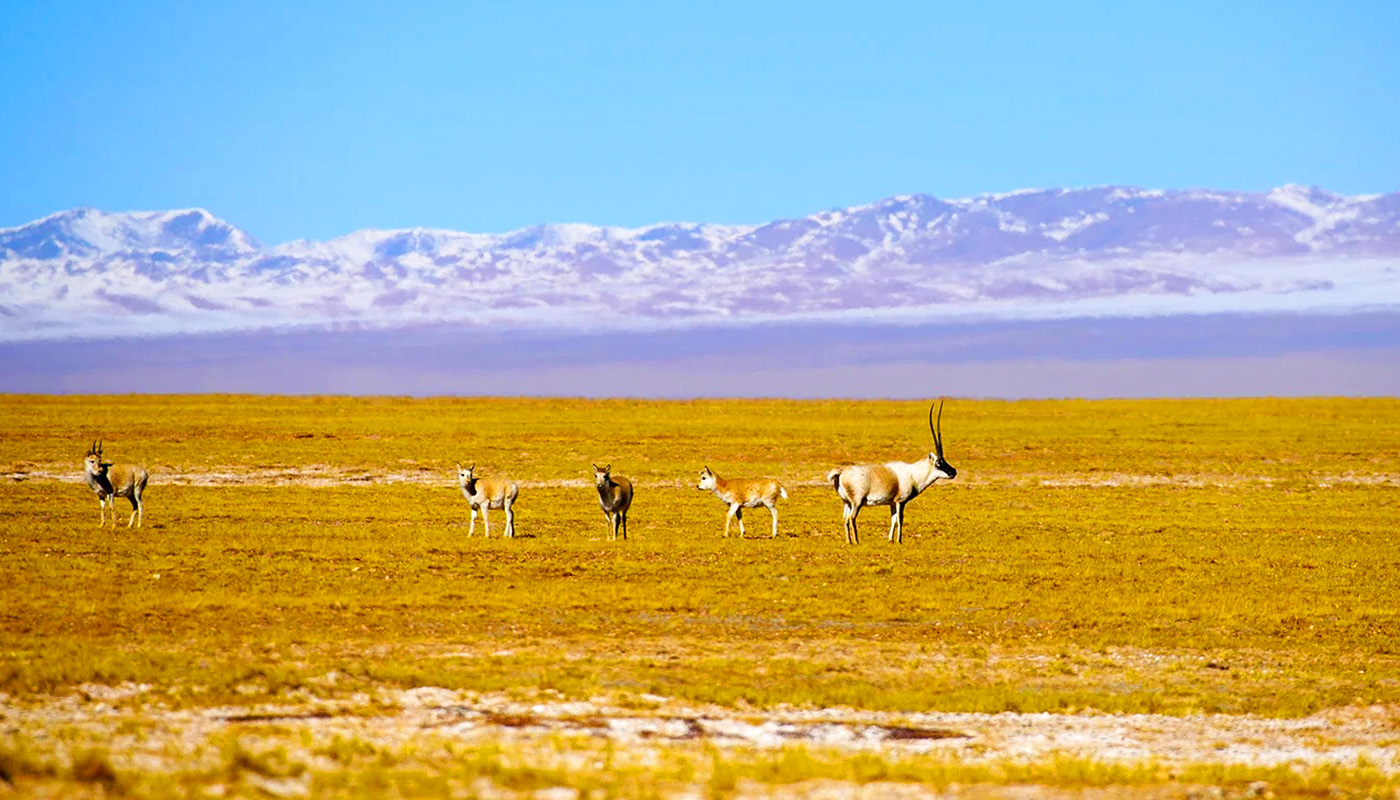
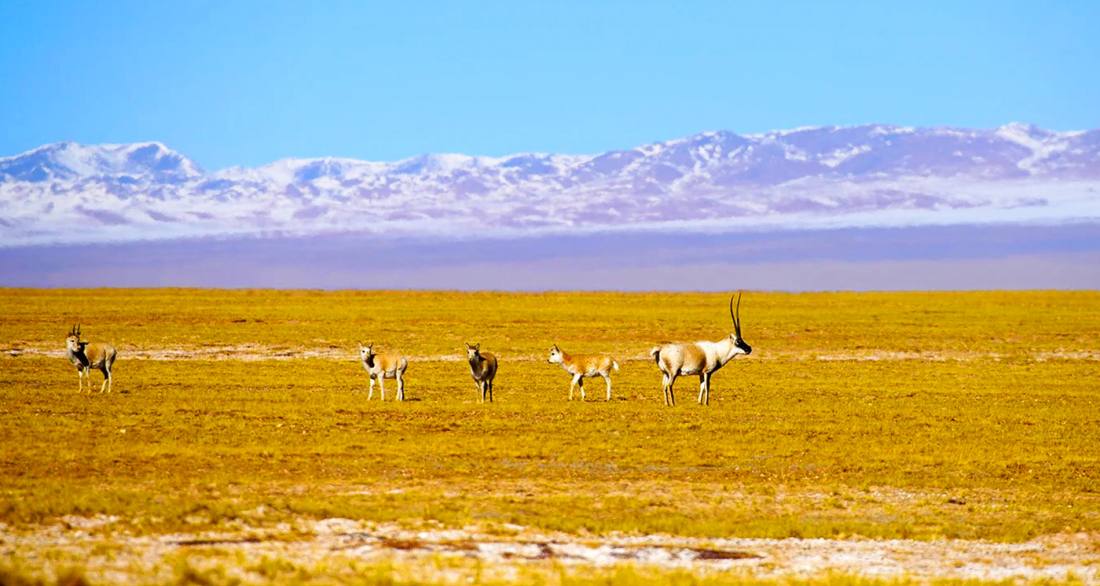
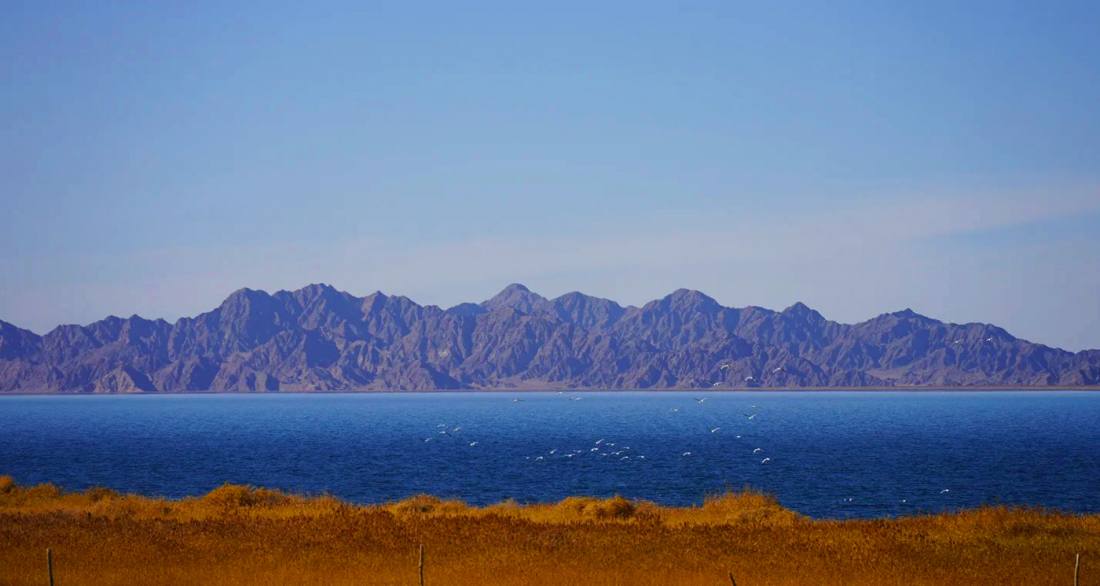
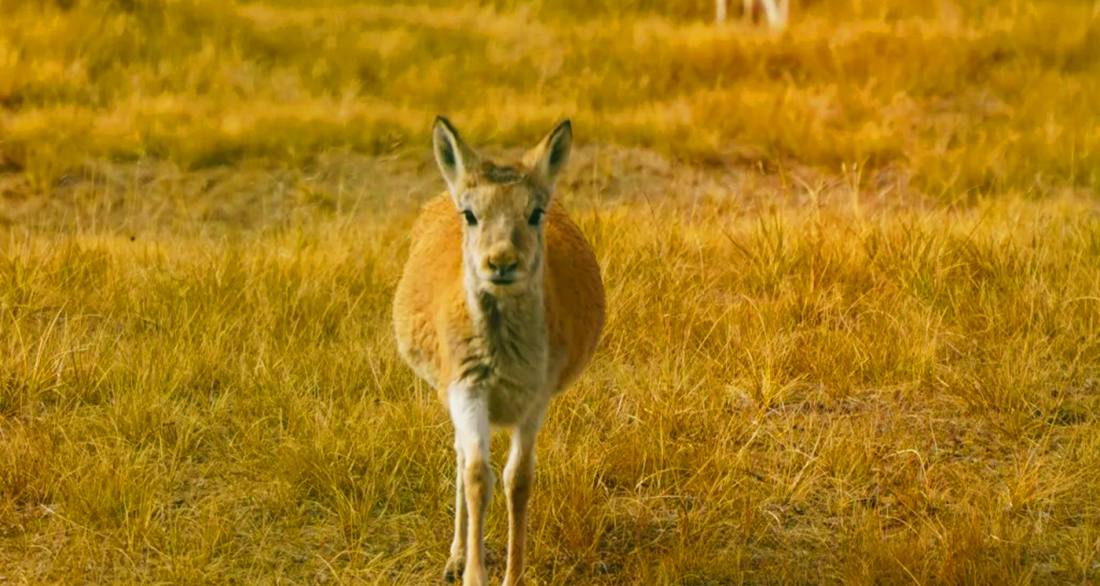
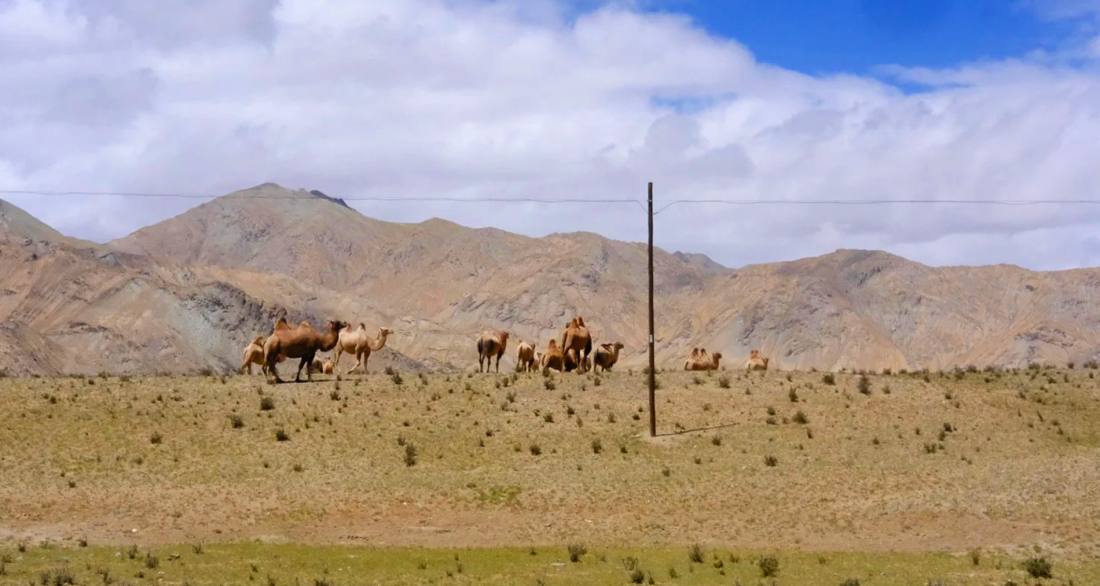
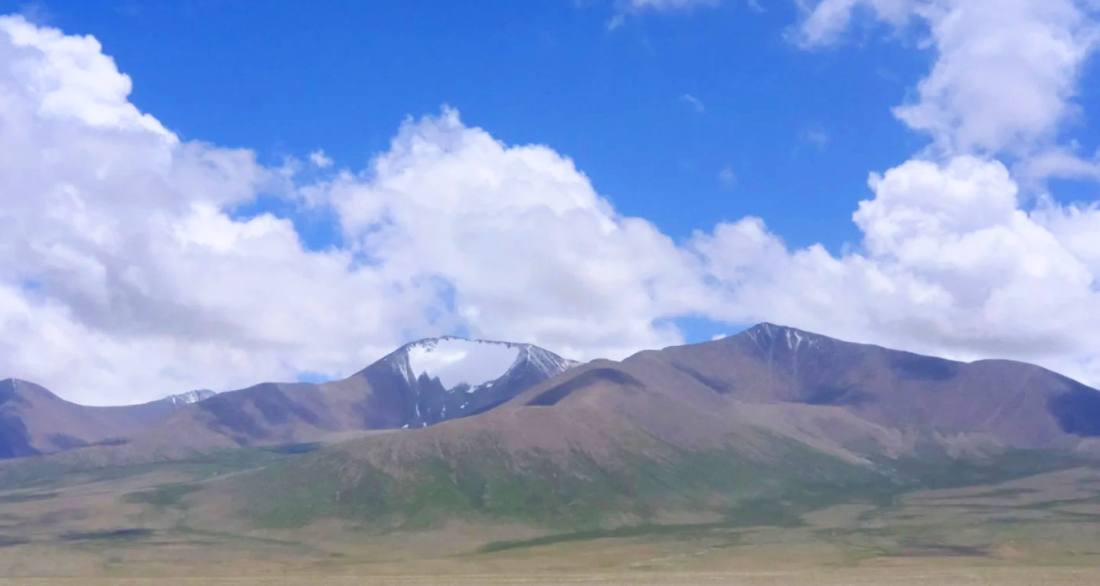
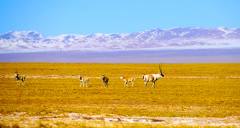
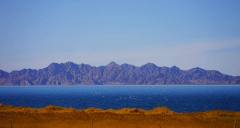
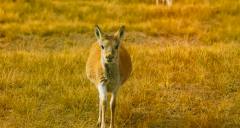
可可西里無人區位於中國青藏高原腹地,橫跨青海、西藏、新疆三省區交界處,總面積約4.5萬平方公里,平均海拔超過4600米,是世界上海拔最高、中國境內面積最大的無人區之一。這裡是「世界第三極」的核心地帶,保存著地球罕見的完整高原生態系統,擁有冰川、湖泊、濕地、草甸和荒漠等多樣的自然景觀,同時也是藏羚羊季節性遷徙的主要通道和關鍵棲息地,被譽為「高原精靈最後的樂園」。2017年,「青海可可西里」以其無與倫比的生物多樣性和生態價值被列入《世界自然遺產名錄》。這片廣袤的土地嚴酷而又純粹——極端的氣候、稀薄的空氣、渺無人煙的寂靜與成群馳騁的野生動物構成了其最原始的生命張力,對人類而言它是難以涉足的禁區,對自然而言卻是生生不息的天堂。
The Hoh Xil Uninhabited Area is located in the heart of the Qinghai-Tibet Plateau in China, spanning the border regions of Qinghai, Tibet, and Xinjiang. Covering approximately 45,000 square kilometers with an average altitude exceeding 4,600 meters, it is one of the highest-altitude and largest uninhabited areas within China. As the core zone of the "Third Pole of the World," it preserves an exceptionally intact plateau ecosystem rarely found on Earth, featuring diverse natural landscapes such as glaciers, lakes, wetlands, meadows, and deserts. It also serves as a critical migratory corridor and habitat for the Tibetan antelope, earning it the title "the last paradise of the plateau's spirits." In 2017, "Qinghai Hoh Xil" was inscribed on the UNESCO World Natural Heritage List for its unparalleled biodiversity and ecological value. This vast land is both harsh and pure—extreme climate, thin air, desolate silence, and herds of roaming wildlife constitute its most primitive vitality. To humans, it is an inaccessible forbidden zone, but to nature, it is a vibrant and eternal paradise.