
| 产品 | 提前预定时间 | 取消政策 | 原价 | 优惠价 | ||
|---|---|---|---|---|---|---|
| 产品 | 提前预定时间 | 取消政策 | 原价 | 优惠价 | ||
|---|---|---|---|---|---|---|
The Sanjiangyuan National Park implements a strict ecological protection access system and is not open to the public for free visitation. All visits must be applied for and approved in advance through officially authorized concession operators. Before booking, it is essential to verify the operator's qualifications and sign a formal ecological protection agreement with them. During the visit, all participants must be accompanied throughout by professional guides from the concession operator, staying within designated routes and timeframes. Leaving the group or entering unauthorized areas is strictly prohibited. It is mandatory to fully adhere to the “Leave No Trace” principles—take all personal trash with you and leave no waste behind. Collecting plant and animal specimens, minerals, disturbing or feeding wildlife, and using chemical detergents in streams or lakes are all forbidden. Given the high-altitude environment (averaging over 4,500 meters), participants must undergo health assessments beforehand and prepare anti-altitude sickness medication, professional cold and wind-resistant gear, and emergency oxygen. Specialized insurance with high coverage that includes emergency rescue must be purchased prior to entry. Finally, unconditionally follow the on-site management and safety instructions of the guides to jointly protect the pristine purity of this “Water Tower of China.”
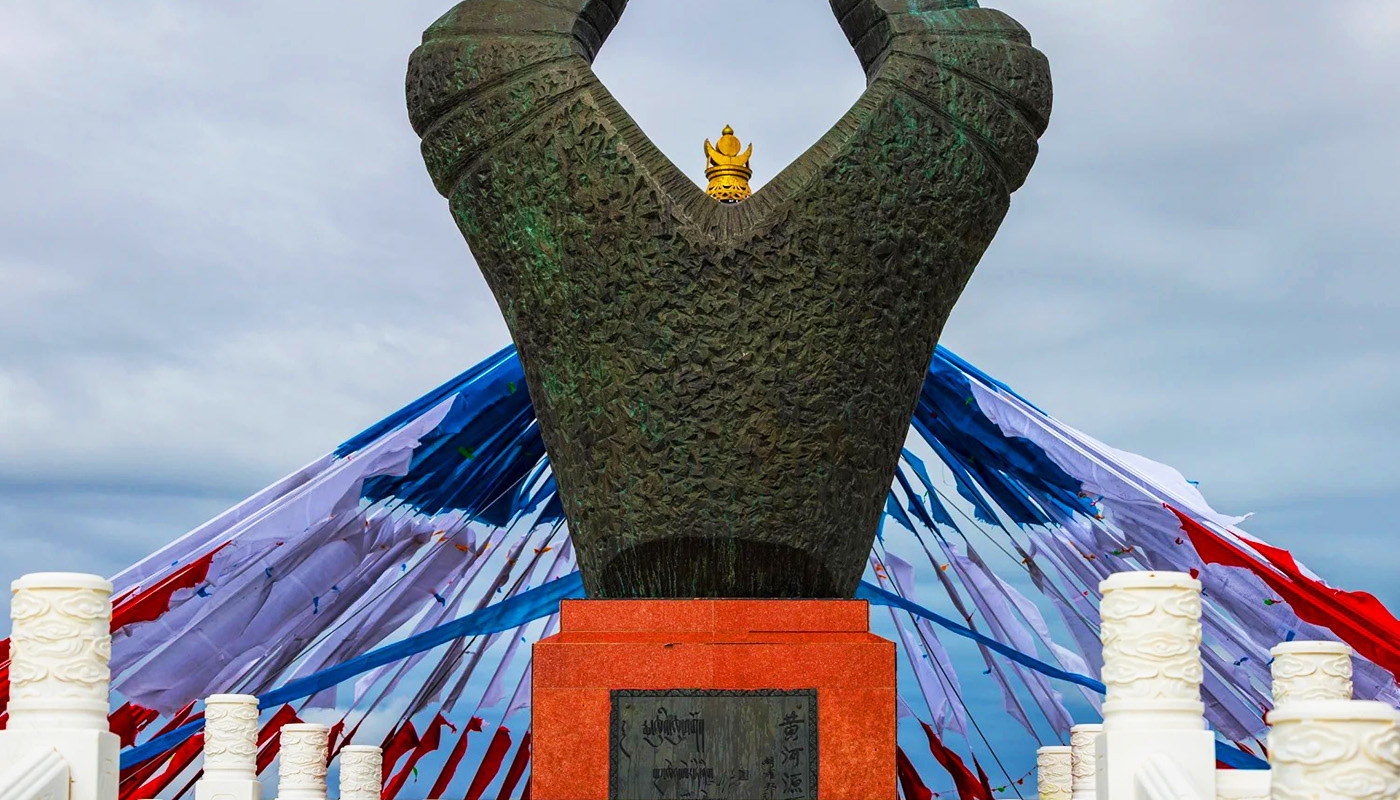
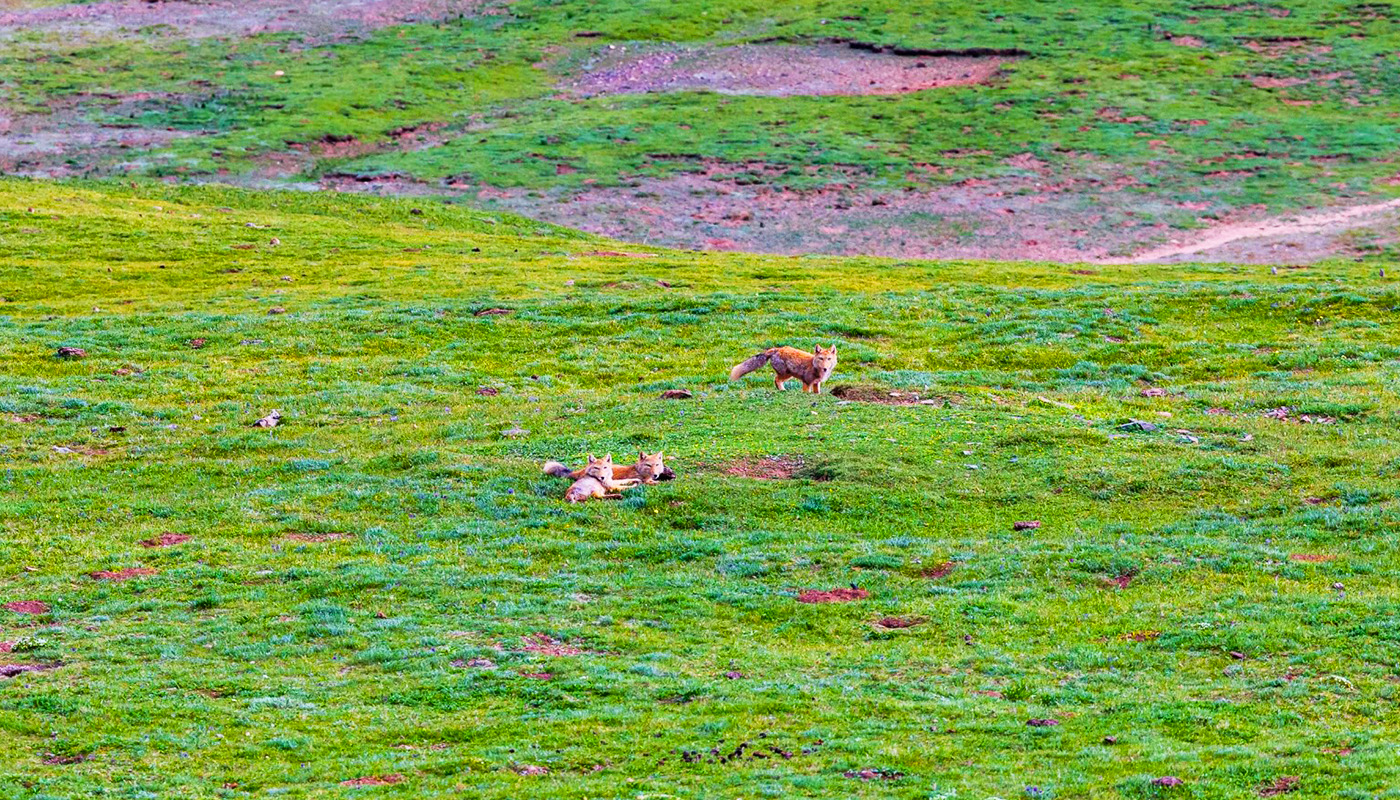
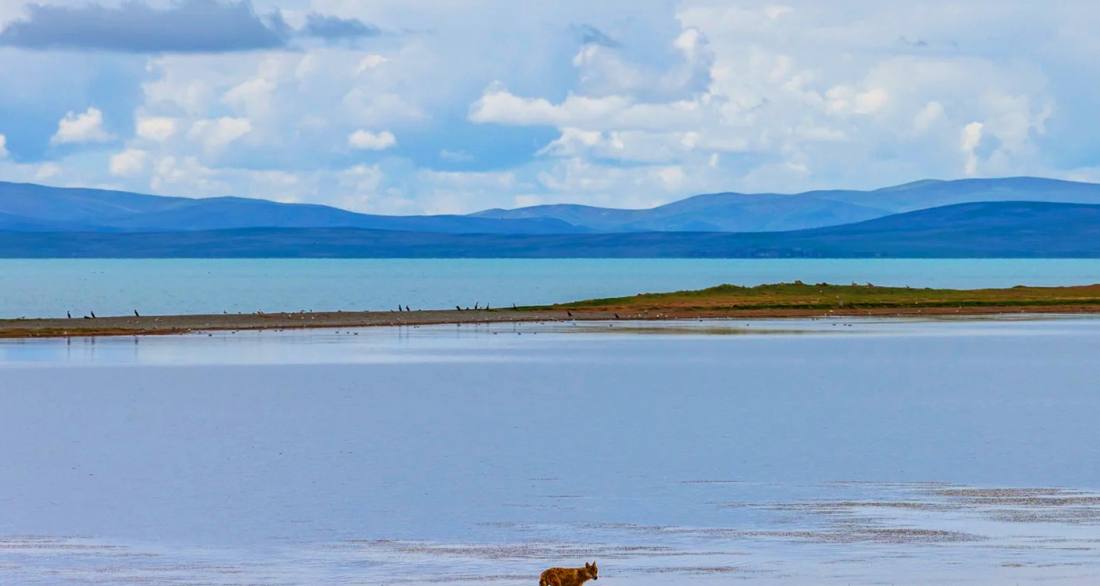
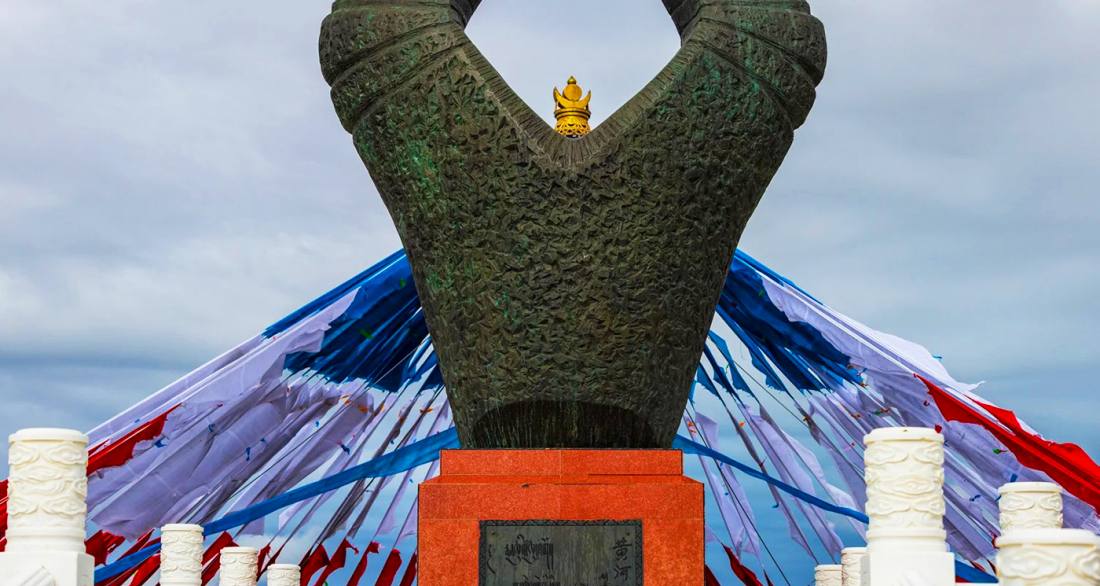
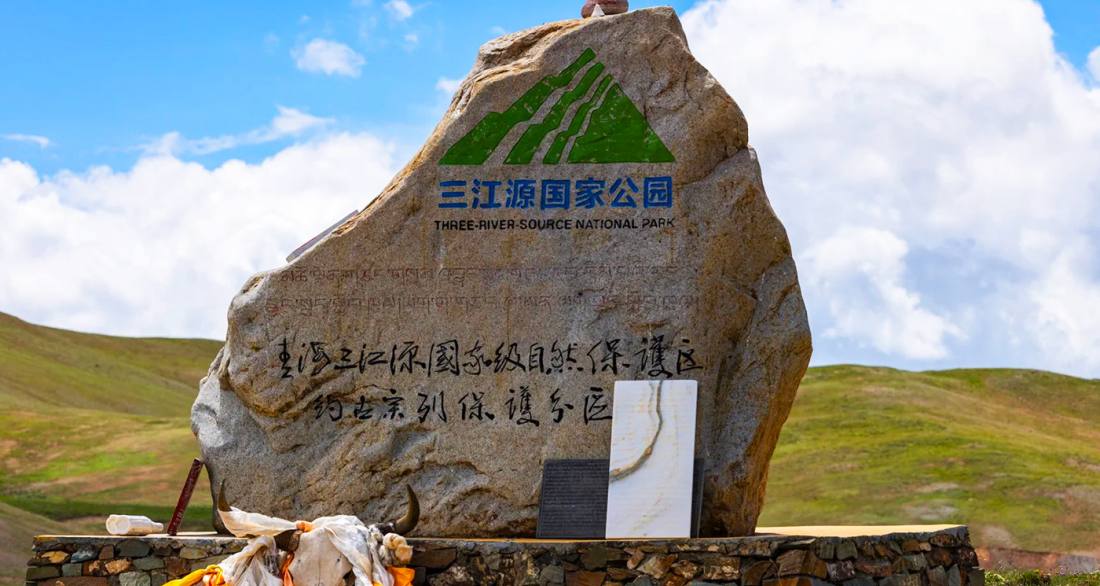
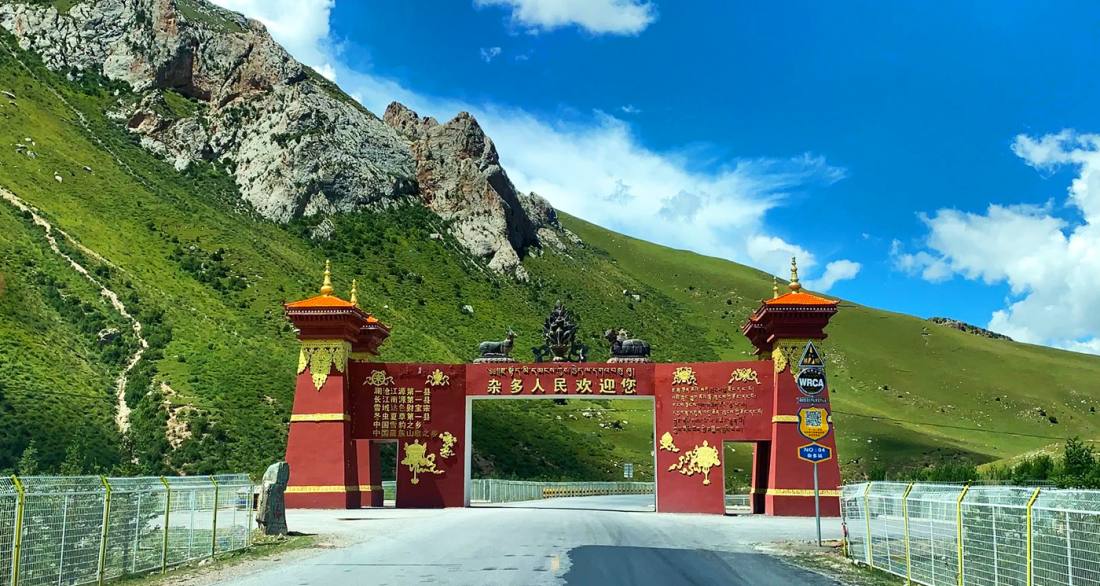
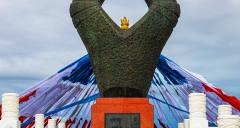
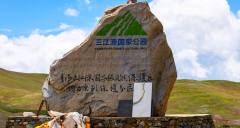
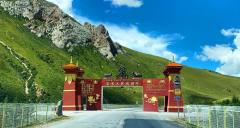
三江源國家公園位於青藏高原腹地、青海省南部,總面積達19.07萬平方公里,是中國第一個國家公園體制試點和首批正式設立的國家公園,也是世界上海拔最高、面積最大的國家公園。其核心功能是系統性保護長江、黃河和瀾滄江(湄公河)三大江河的源頭生態系統,被譽為「中華水塔」和「亞洲水塔」。園區內冰川廣布(面積超過2400平方公里)、湖泊密布(數量超過1.6萬個)、濕地遼闊(面積達7.33萬平方公里),孕育了藏羚羊、雪豹、野氂牛、藏野驢等獨特的高原生物群落,是世界上高海拔地區生物多樣性最集中的區域之一。公園劃分為長江源、黃河源、瀾滄江源三個園區,實行最嚴格的生態保護制度,通過特許經營機制開展有限的生態體驗和自然教育活動,是集水資源安全保障、生物多樣性保育、高原生態系統研究和生態文明展示於一體的全球性生態保護標桿。
Sanjiangyuan National Park is located in the hinterland of the Qinghai-Tibet Plateau in southern Qinghai Province, with a total area of 190,700 square kilometers. It is China's first pilot national park system and one of the first formally established national parks, as well as the world's highest-altitude and largest national park. Its core function is to systematically protect the source ecosystems of the Yangtze River, Yellow River, and Lancang River (Mekong River), earning it the titles "Water Tower of China" and "Water Tower of Asia." Within the park, glaciers are widespread (covering over 2,400 square kilometers), lakes are densely distributed (numbering more than 16,000), and wetlands are expansive (spanning 73,300 square kilometers), nurturing unique plateau biological communities such as Tibetan antelopes, snow leopards, wild yaks, and Tibetan wild asses, making it one of the most concentrated regions of biodiversity in high-altitude areas worldwide. The park is divided into three zones: the Yangtze River Source, Yellow River Source, and Lancang River Source areas. It implements the strictest ecological protection system and carries out limited ecological experiences and nature education activities through a concession mechanism. It stands as a global benchmark for ecological conservation, integrating water resource security, biodiversity preservation, plateau ecosystem research, and ecological civilization demonstration.