
| 产品 | 提前预定时间 | 取消政策 | 原价 | 优惠价 | ||
|---|---|---|---|---|---|---|
| 产品 | 提前预定时间 | 取消政策 | 原价 | 优惠价 | ||
|---|---|---|---|---|---|---|
勒巴溝岩畫屬開放型文化遺址,無門票、無需預約,全年可免費參觀。遊玩時請務必注意:景區地處高海拔峽谷地帶,海拔超過3500米,需提前做好高原反應預防並備好防風保暖衣物;所有岩畫均為珍貴文物,嚴禁觸摸、刻畫、攀爬或在文物上放置任何物品;請沿指定路徑行走,切勿踩踏周邊草地或進入未開放區域;由於景區位於通天河峽谷內,部分路段崎嶇濕滑,建議穿著防滑徒步鞋;該區域為宗教文化聖地,請保持安靜肅穆,尊重當地信仰習俗;景區內無商業服務設施,請自備飲水與補給;最後,請將垃圾全部帶離,共同保護這片千年文化遺跡的自然與人文環境。
The Leba Gorge Rock Paintings are an open cultural heritage site with no entrance fee or reservation required; they are open for free visits year-round. During your visit, please be aware of the following: the site is located in a high-altitude gorge area, over 3,500 meters above sea level, so take precautions against altitude sickness in advance and bring windproof and warm clothing; all rock paintings are precious cultural relics—touching, carving, climbing, or placing any items on them is strictly prohibited; walk only along designated paths and avoid trampling the surrounding grassland or entering restricted areas; as the site is situated within the Tongtian River Gorge, some sections of the path are rugged and slippery, so wearing anti-slip hiking shoes is recommended; this area is a sacred religious and cultural site—maintain a quiet and solemn demeanor and respect local beliefs and customs; there are no commercial facilities within the site, so bring your own drinking water and supplies; finally, please take all trash with you to help preserve the natural and cultural environment of this thousand-year-old heritage site.
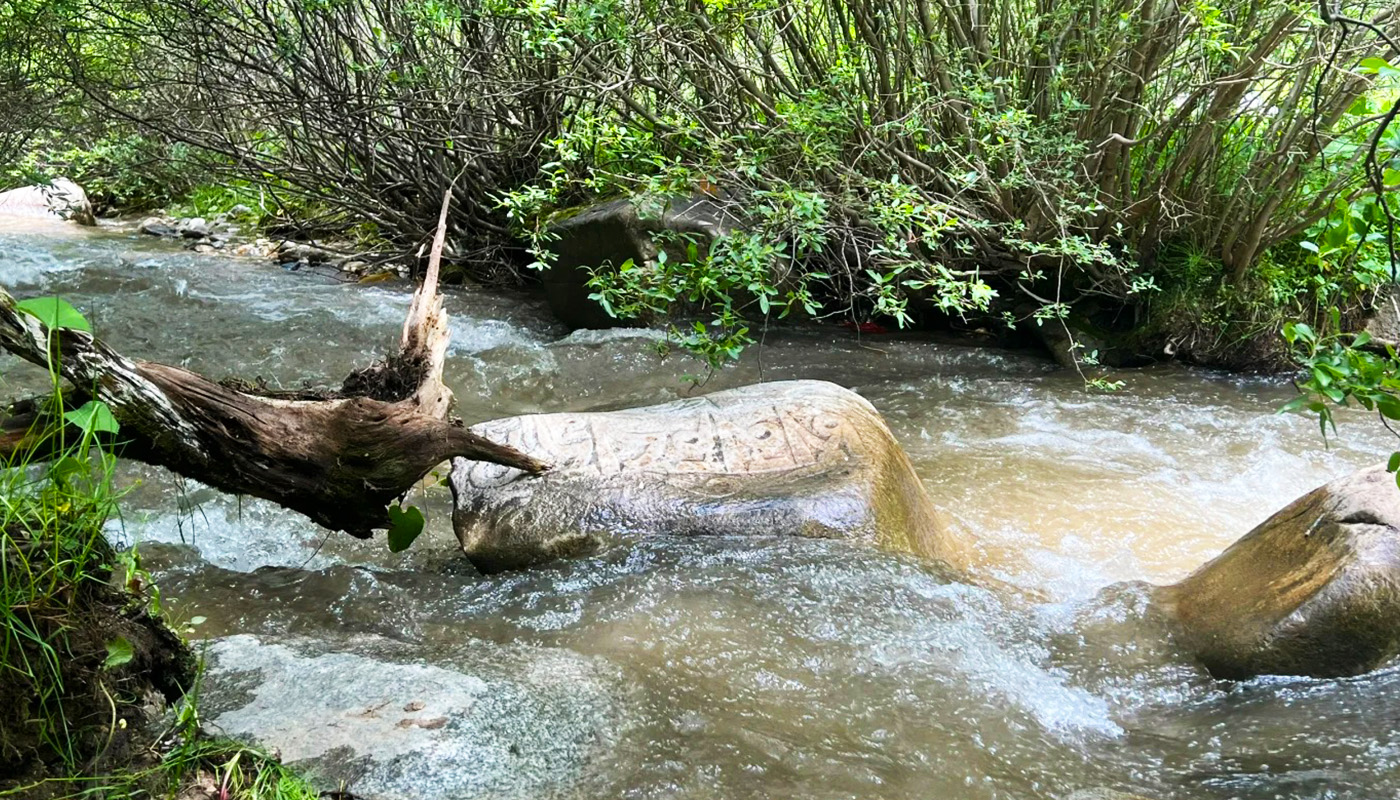
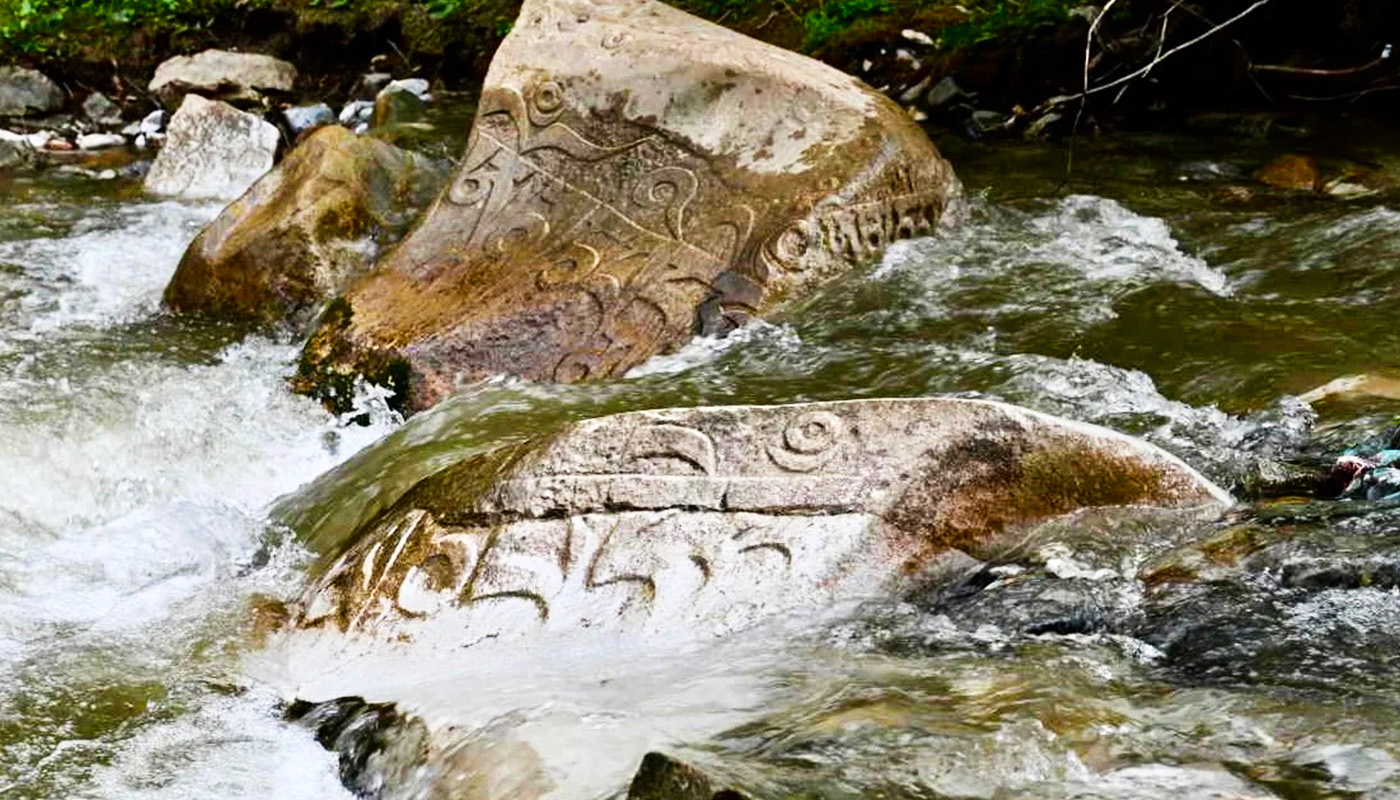
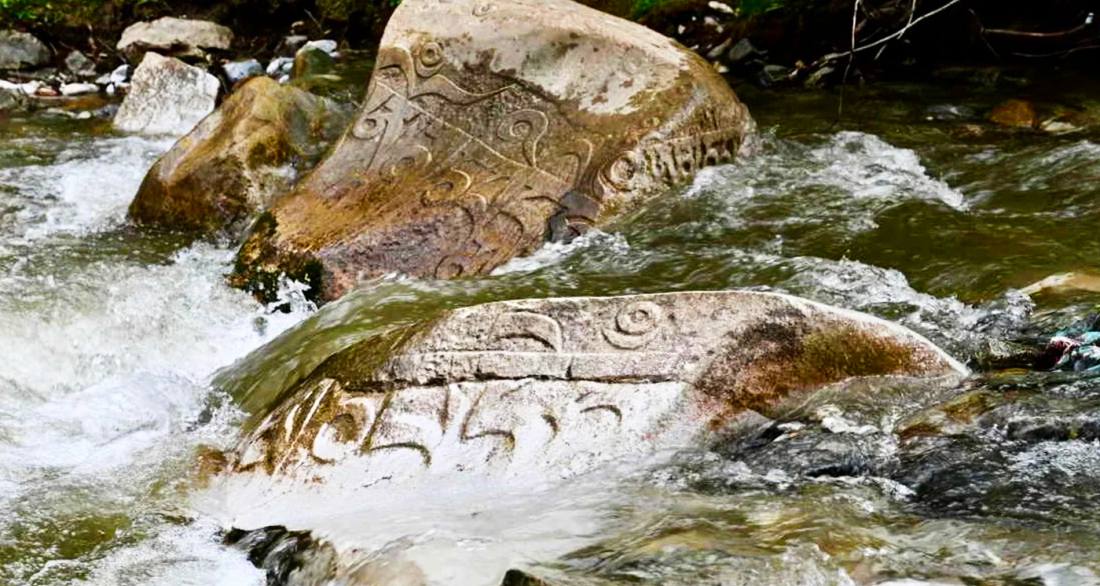
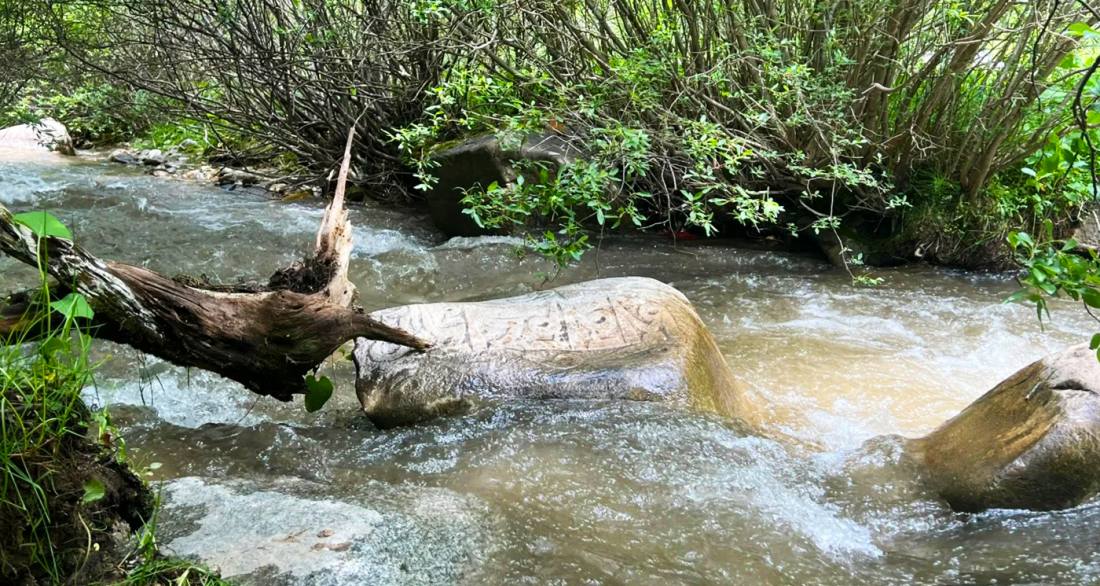
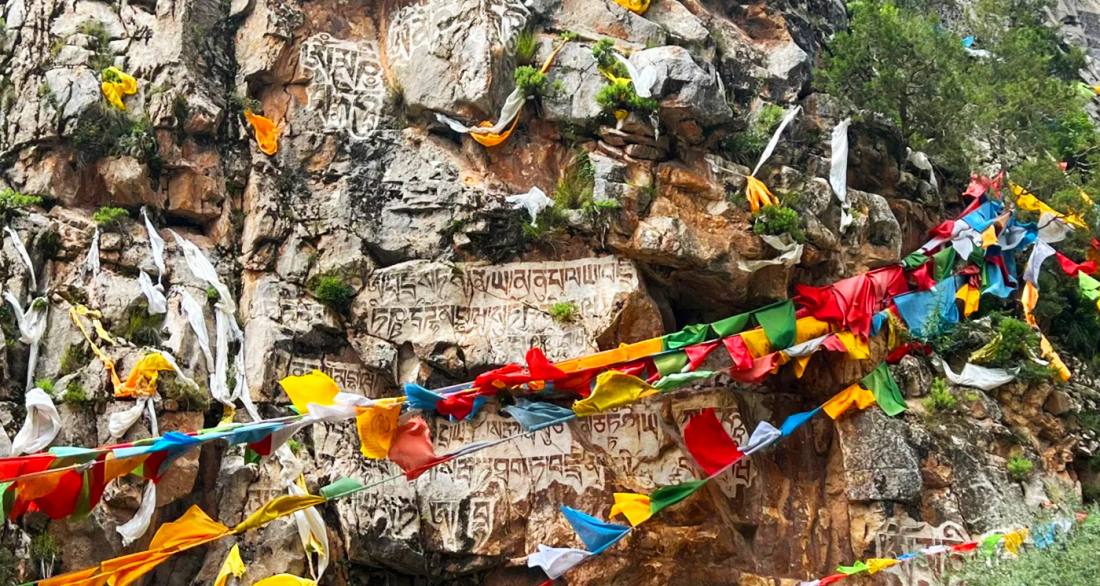
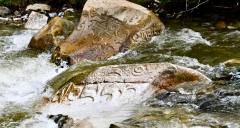
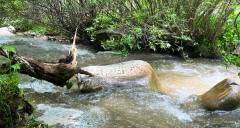
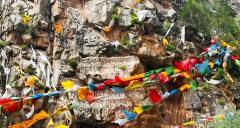
勒巴溝岩畫位於青海省玉樹藏族自治州玉樹市東部的通天河西岸,藏語意為「美麗溝」。這是一處融合了宗教石刻與自然景觀的高原文化遺址,沿峽谷山壁保存著多處唐代至近代的岩畫與摩崖石刻,內容以佛像、菩薩、香客、瑞獸及藏文經文為主,體現了漢藏佛教藝術在歷史長河中的相互影響與交融。溝內石刻技法多樣,有的承襲中原晚唐造像風格,佛像衣飾簡約莊重;有的具有鮮明藏地特色,菩薩裝飾繁複華美;部分畫面所繪香客服飾還呈現出唐代絲路文化的印記,是研究唐蕃古道與漢藏文化交流的重要實物見證。勒巴溝岩畫於二零零六年被列為全國重點文物保護單位,其獨特的「山瑪尼」(山體石刻)與「水瑪尼」(溪流石刻)景觀,與周邊的蒼松翠谷、潺潺溪流相互映襯,構成了一幅靜謐而神聖的自然與人文和諧共存的歷史畫卷。
The Leba Gorge Rock Paintings are located on the western bank of the Tongtian River, to the east of Yushu City in the Yushu Tibetan Autonomous Prefecture of Qinghai Province. The name “Leba Gorge” means “Beautiful Gorge” in Tibetan. This site is a high-altitude cultural heritage complex that integrates religious stone carvings with the natural landscape. Along the gorge walls, multiple rock paintings and cliff carvings from the Tang Dynasty to modern times have been preserved, primarily depicting Buddhas, bodhisattvas, pilgrims, auspicious animals, and Tibetan scripture texts. These artworks reflect the mutual influence and fusion of Han and Tibetan Buddhist art throughout history. The carving techniques within the gorge are diverse: some follow the sculptural styles of the late Tang Dynasty from the Central Plains, featuring Buddha statues with simple and dignified attire; others exhibit distinct Tibetan characteristics, with bodhisattvas adorned in intricate and ornate decorations; and some scenes of pilgrims’ attire even bear traces of Tang-era Silk Road culture, serving as important physical evidence for studying the Ancient Tang-Tibet Road and Han-Tibetan cultural exchanges. The Leba Gorge Rock Paintings were designated as a National Key Cultural Relics Protection Unit in 2006. Its unique “Mountain Mani” (rock carvings on cliff faces) and “Water Mani” (carvings within the stream) landscapes, set against the backdrop of verdant pines, lush valleys, and murmuring streams, collectively form a serene and sacred historical panorama where nature and human culture coexist in harmonious unity.