
| 产品 | 提前预定时间 | 取消政策 | 原价 | 优惠价 | ||
|---|---|---|---|---|---|---|
| 产品 | 提前预定时间 | 取消政策 | 原价 | 优惠价 | ||
|---|---|---|---|---|---|---|
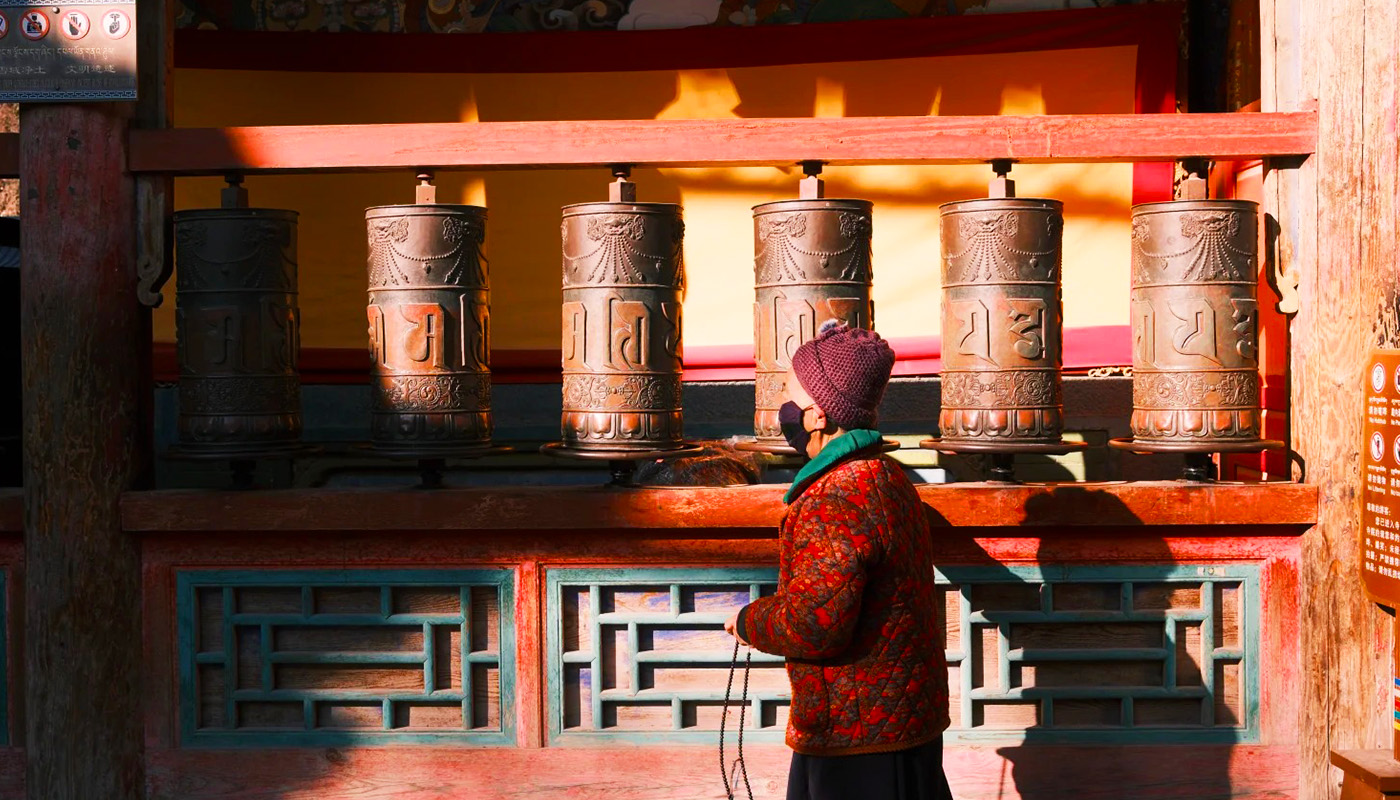
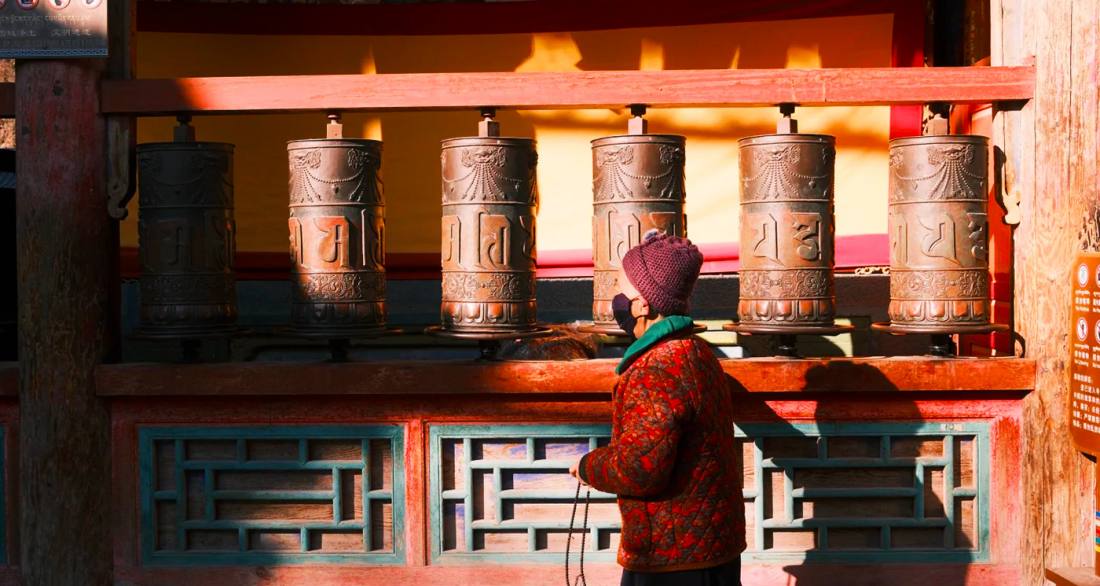
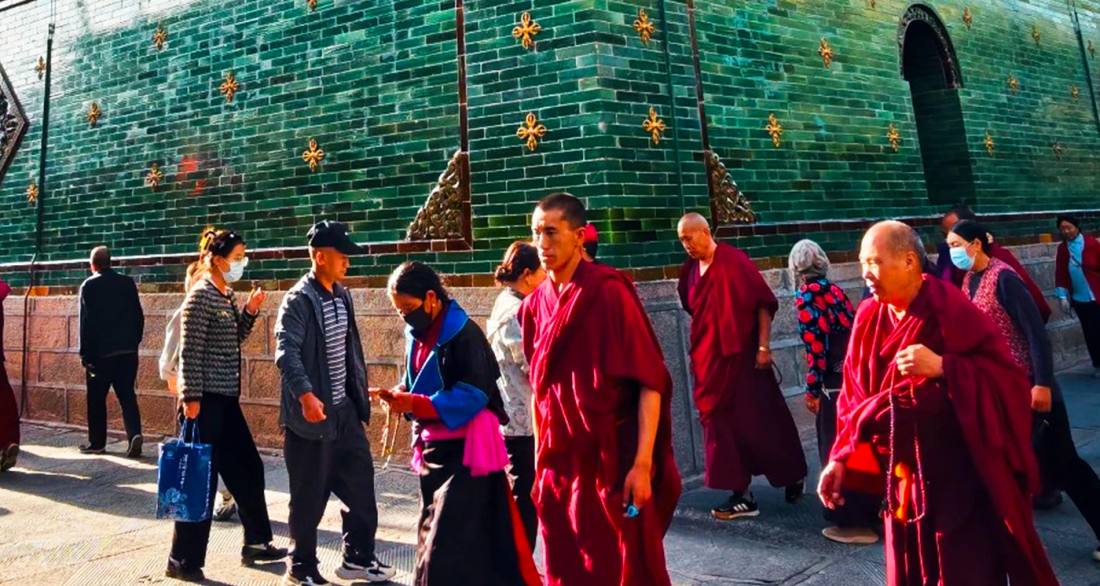
塔爾寺為國家AAAAA級旅遊景區,需實名制購票,遊客可通過官方授權平臺提前預約或在景區售票處現場購票。參觀時請嚴格遵守以下規定:作為藏傳佛教格魯派聖地,請衣著莊重得體(避免短裙、短褲、露肩裝等);進入所有殿堂須脫帽、保持肅靜,不得觸摸佛像、壁畫及法器文物;全寺範圍內嚴禁對佛像、壁畫、酥油花及殿內場景進行拍攝,僅可在室外公共區域拍攝建築外觀;請沿順時針方向參觀轉經筒及繞行佛殿;尊重僧人與信眾的宗教活動,勿圍觀、議論或干擾辯經、誦經等儀式;寺內禁止吸菸、飲酒及食用葷腥食品;最後,請將產生的垃圾隨身帶走,共同維護聖潔的文化環境。
Kumbum Monastery (Ta’er Si) is a National AAAAA-level Tourist Attraction. Real-name ticket purchase is required, and visitors can make advance reservations through authorized official platforms or buy tickets on-site at the ticket office. During the visit, please strictly abide by the following rules: As a sacred site of the Tibetan Buddhist Gelug school, dress modestly and respectfully (avoid shorts, short skirts, sleeveless tops, etc.); remove hats and maintain silence when entering all halls; do not touch Buddha statues, murals, ritual objects, or other cultural relics; photography of Buddha statues, murals, butter sculptures, and interior scenes is strictly prohibited throughout the monastery—only outdoor public areas allow photography of building exteriors; follow a clockwise direction when visiting prayer wheels and circumambulating halls; respect the religious activities of monks and devotees—do not crowd, comment on, or disrupt rituals such as debates or sutra chanting; smoking, alcohol consumption, and consuming meat or pungent foods are prohibited within the monastery grounds; finally, please take all generated trash with you to help maintain the sanctity of the cultural environment.
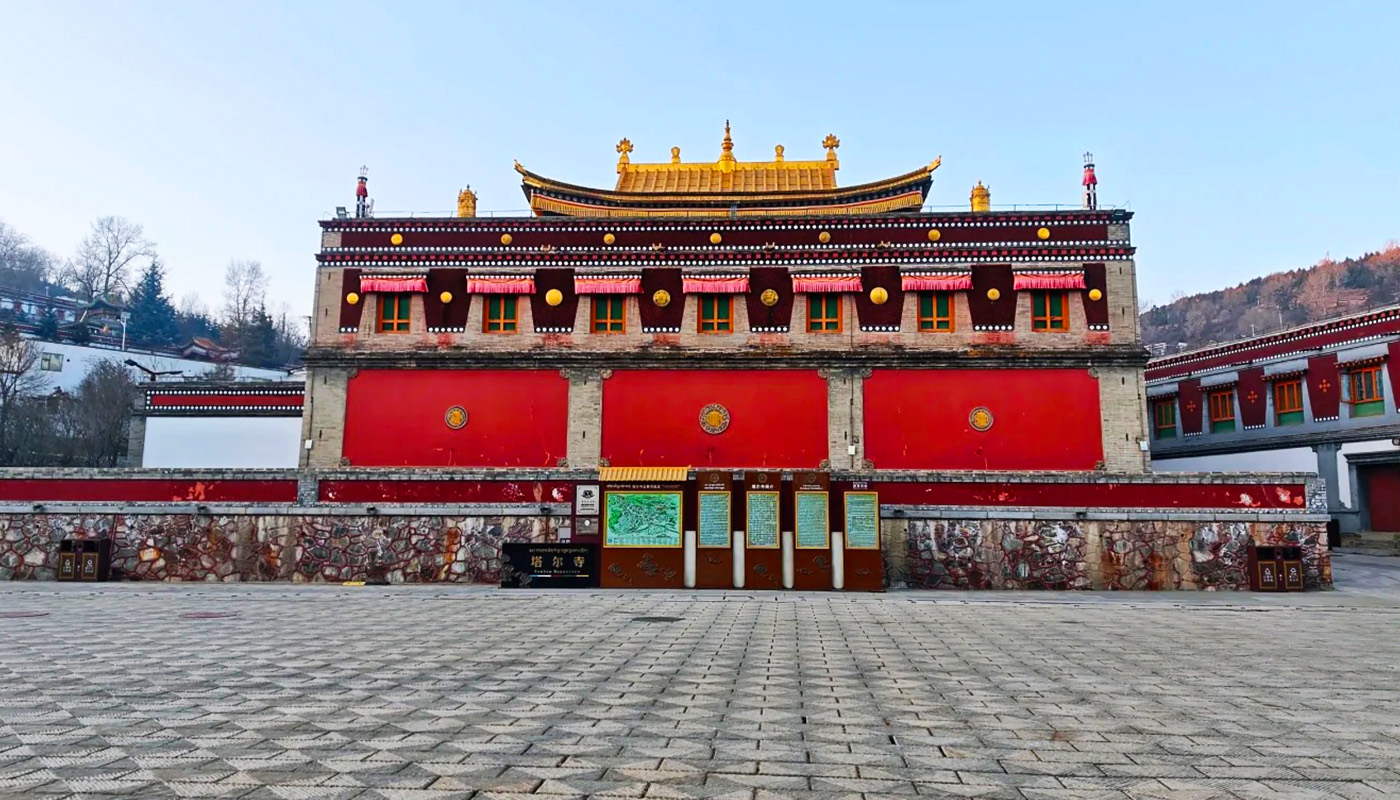
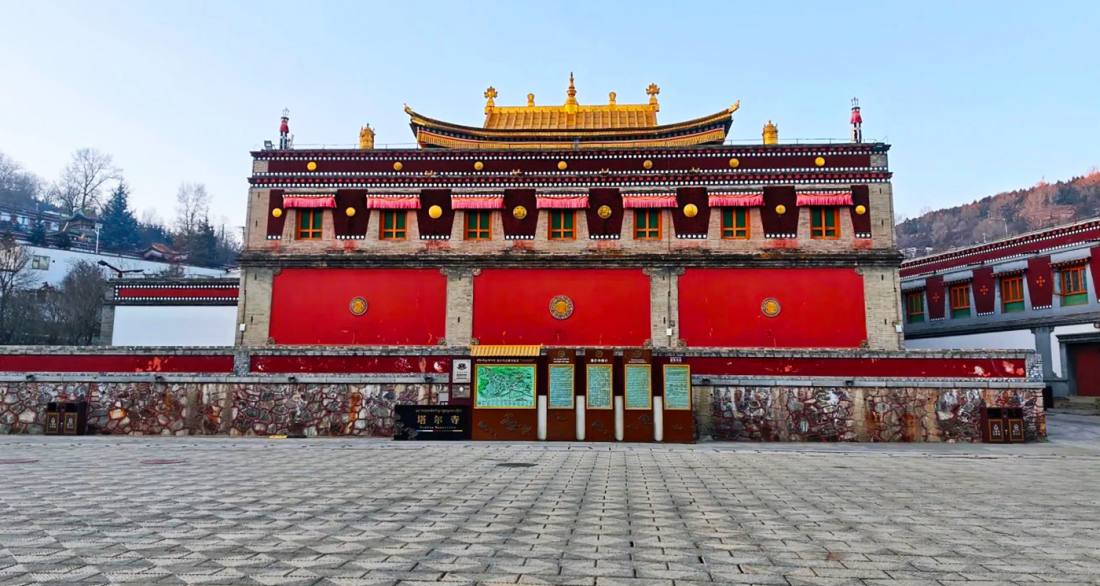
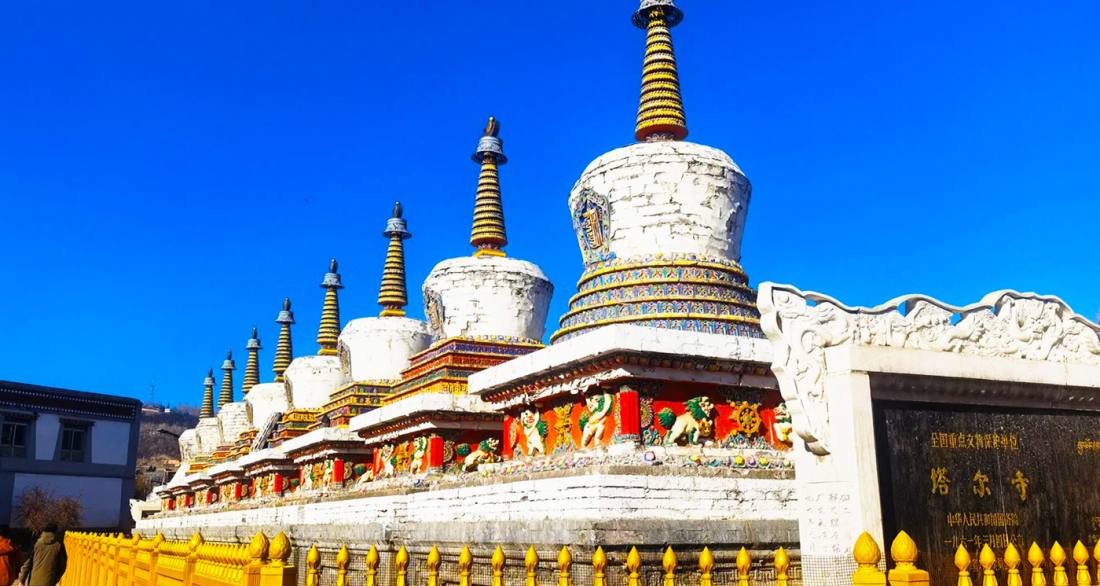
塔爾寺位於青海省西寧市湟中區魯沙爾鎮,距西寧市區約二十五公里,是藏傳佛教格魯派(黃教)六大寺院之一,也是格魯派創始人宗喀巴大師的誕生地。該寺始建於明洪武十二年,最初為紀念宗喀巴而建的大銀塔,後逐步擴建為寺院,形成占地約四十五萬平方米的龐大建築群,融合漢藏建築風格,包括大金瓦殿、大經堂、小金瓦殿等主要建築。塔爾寺以“藝術三絕”——酥油花、壁畫和堆繡聞名,珍藏大量佛教典籍與歷史文獻,兼具宗教、文化與學術價值。作為國家五A級旅遊景區和全國重點文物保護單位,它不僅是西北地區藏傳佛教活動中心,更成為見證漢藏文化交融與絲綢之路歷史的重要遺產。
Kumbum Monastery (Ta’er Si) is located in Lushar Town, Huangzhong District, Xining City, Qinghai Province, approximately twenty-five kilometers from the city center. It is one of the six great monasteries of the Gelug school (Yellow Sect) of Tibetan Buddhism and the birthplace of its founder, Je Tsongkhapa. Initially constructed during the Hongwu era of the Ming Dynasty as a large silver stupa in honor of Tsongkhapa, it gradually expanded into a vast monastic complex covering about four hundred fifty thousand square meters, blending Han and Tibetan architectural styles, with key structures including the Grand Golden Tile Hall, the Great Sutra Hall, and the Small Golden Tile Hall. Renowned for its "Three Artistic Treasures"—butter sculptures, murals, and embroidered thangkas—the monastery houses extensive Buddhist scriptures and historical documents, embodying significant religious, cultural, and academic value. As a National 5A Tourist Attraction and a National Key Cultural Relics Protection Unit, it serves not only as a center for Tibetan Buddhist activities in Northwest China but also as a vital heritage site witnessing the fusion of Han and Tibetan cultures and the history of the Silk Road.