




| 产品 | 提前预定时间 | 取消政策 | 原价 | 优惠价 | ||
|---|---|---|---|---|---|---|
| 产品 | 提前预定时间 | 取消政策 | 原价 | 优惠价 | ||
|---|---|---|---|---|---|---|
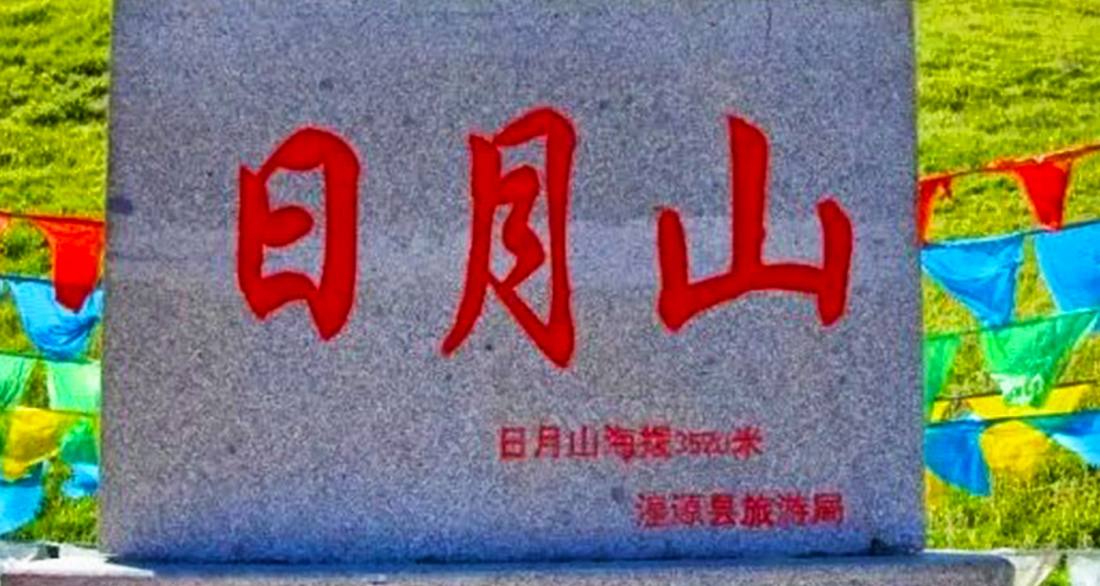
日月山為國家AAAA級旅遊景區,需現場實名購票(部分平臺支持提前預訂電子票),建議遊玩前通過官方渠道確認票務政策。遊玩時請務必注意:山口海拔約3520米,需防範高原反應,避免劇烈運動並備好保暖衣物;山上天氣多變且風力強勁,請注意防風防曬;景區內歷史遺跡(如日亭、月亭、文成公主雕像)為文物保護單位,請勿攀爬或刻劃;上下山道路彎多坡陡,自駕遊客請謹慎駕駛;尊重當地文化與信仰,勿大聲喧嘩或干擾宗教活動;請勿隨意離開棧道進入牧區草場;景區內餐飲選擇有限,建議自備飲用水和簡單能量食品;最後請將所有垃圾帶離景區,共同保護高原生態環境。
Riyue Mountain is a National AAAA-level Tourist Attraction. Real-name tickets must be purchased on-site (some platforms support advance electronic ticket bookings), and it is recommended to confirm ticket policies through official channels before visiting. During your visit, please pay special attention: the mountain pass is at an altitude of approximately 3,520 meters, so precautions against altitude sickness are necessary—avoid strenuous activities and bring warm clothing; weather on the mountain is highly changeable with strong winds, so prepare for wind and sun protection; historical sites within the scenic area (such as the Sun Pavilion, Moon Pavilion, and Princess Wencheng Statue) are cultural relics protection units—do not climb or carve on them; the roads up and down the mountain are winding and steep—drive carefully if traveling by car; respect local culture and beliefs—avoid loud noise or interfering with religious activities; do not leave designated walkways to enter pastoral grasslands; dining options within the scenic area are limited, so it is advisable to bring your own drinking water and simple snacks; finally, please take all trash away from the scenic area to help protect the plateau ecological environment.
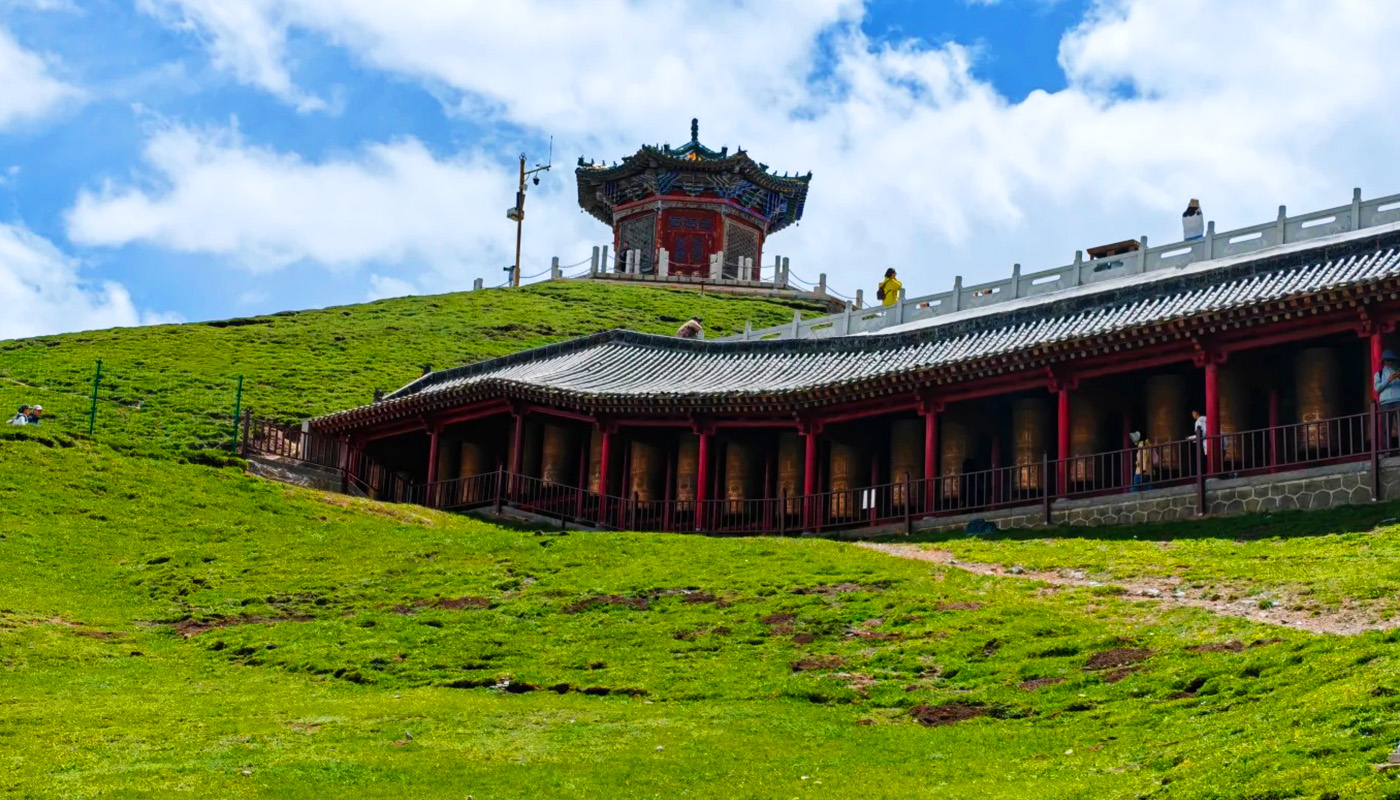
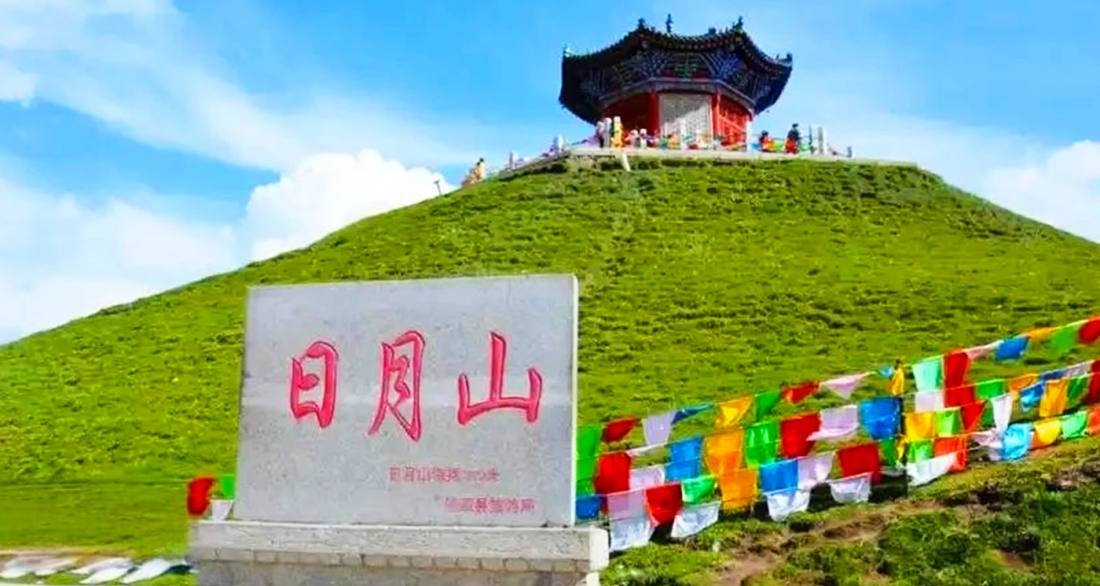
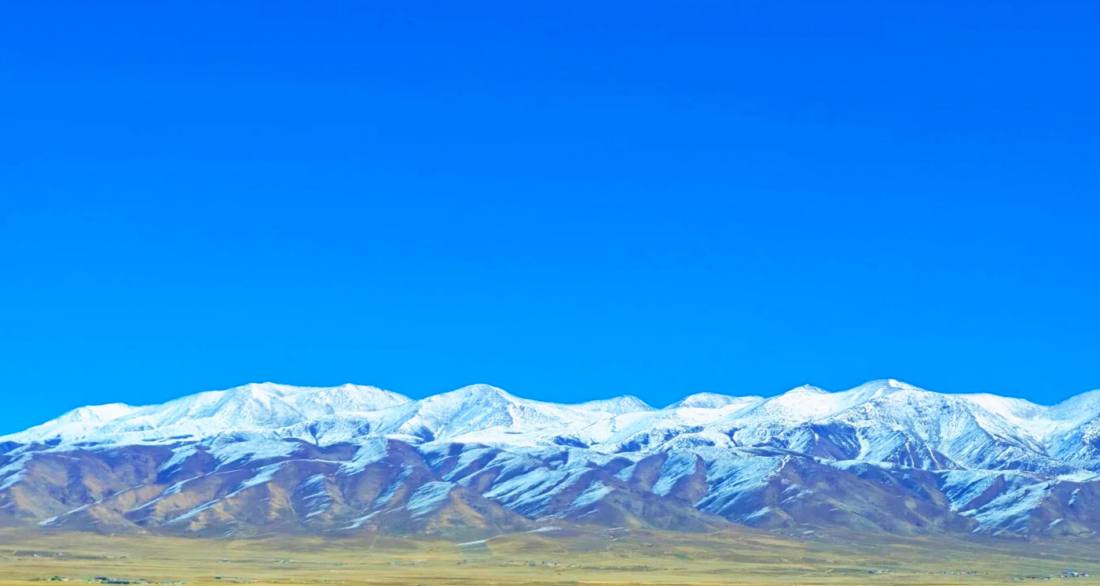
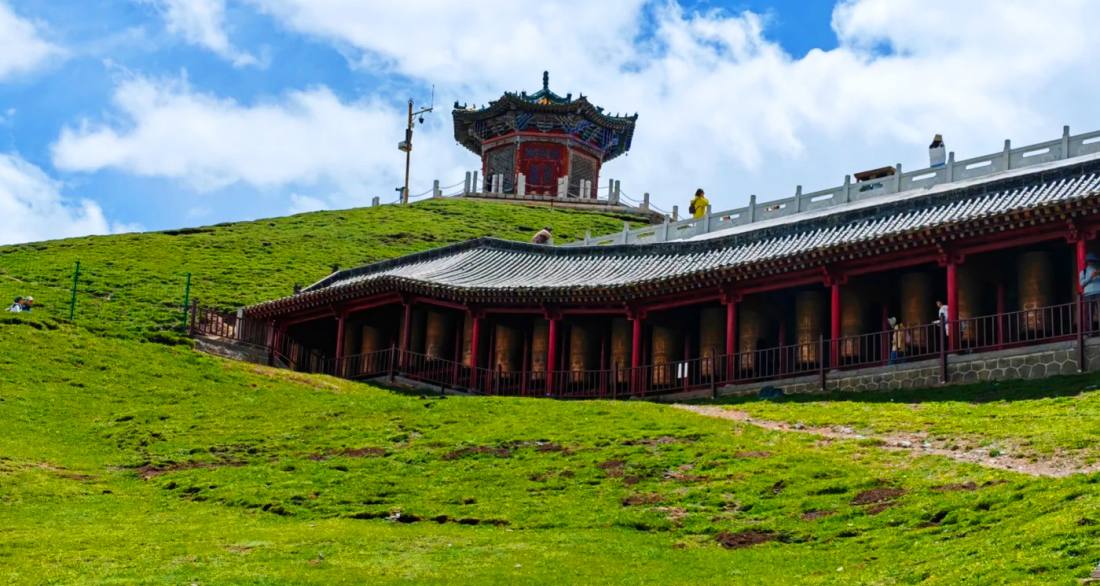
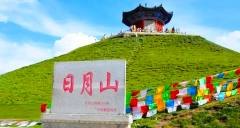
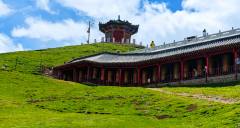
日月山位於青海省湟源縣西南約40公里處,平均海拔約4000米,主峰阿勒大灣山海拔4877米,是青藏公路的必經山口和我國重要的自然地理分界線,劃分了季風區與非季風區、黃土高原與青藏高原、農業區與牧業區。其名稱源於文成公主進藏時摔碎日月寶鏡的傳說,藏語和蒙古語均意為「太陽和月亮」。景區內保留有日亭、月亭、文成公主雕像、唐蕃古道、公主泉等歷史景觀,2019年被評定為國家AAAA級旅遊景區,夏季為最佳遊覽季節,建議遊玩2-4小時。
Riyue Mountain is situated about 40 kilometers southwest of Huangyuan County in Qinghai Province, with an average altitude of approximately 4,000 meters and its main peak, Aledawan Mountain, reaching 4,877 meters. It is a crucial pass on the Qinghai-Tibet Highway and serves as a significant natural geographical boundary in China, separating the monsoon and non-monsoon zones, the Loess Plateau and the Qinghai-Tibet Plateau, as well as agricultural and pastoral areas. Its name originates from the legend of Princess Wencheng shattering a Sun-Moon mirror during her journey to Tibet, with both Tibetan and Mongolian languages interpreting it as "sun and moon." The scenic area preserves historical sites such as the Sun Pavilion, Moon Pavilion, Princess Wencheng Statue, Tang-Tibet Ancient Road, and Princess Spring. It was designated a National AAAA-level Tourist Attraction in 2019, with summer being the best season for visits and a recommended duration of 2-4 hours.