
| 产品 | 提前预定时间 | 取消政策 | 原价 | 优惠价 | ||
|---|---|---|---|---|---|---|
| 产品 | 提前预定时间 | 取消政策 | 原价 | 优惠价 | ||
|---|---|---|---|---|---|---|
青海省博物館為國家一級博物館和AAAA級旅遊景區,實行免費開放、實名預約制度,遊客需通過官方微信公眾號或現場掃碼提前實名預約,並按預約時段憑身份證件入館參觀。參觀時需注意:場館每日開放時間為09:00至17:00(16:30停止入館),每週一閉館(法定節假日除外);入館前請配合安檢,禁止攜帶危險品、寵物及大型行李;館內全程請保持安靜,勿追逐喧嘩;展品禁止觸摸、攀爬或使用閃光燈拍照;請勿在展廳內飲食或丟棄雜物;高齡老人、行動不便者及幼兒建議由親友陪同照看;如需講解服務可至諮詢台辦理,或使用官方語音導覽;最後請遵守館方臨時公告,共同維護良好的參觀環境。
The Qinghai Provincial Museum is a National First-Class Museum and an AAAA-level tourist attraction. It operates under a free admission system with real-name reservation required. Visitors must make a real-name reservation in advance via the official WeChat public account or on-site QR code scanning and enter during their reserved time slot with valid identification. During your visit, please note: the museum is open daily from 09:00 to 17:00 (last entry at 16:30) and closed on Mondays (except national holidays); before entering, please cooperate with security checks—hazardous items, pets, and large luggage are prohibited; maintain quietness throughout the museum—no running or loud noise; do not touch or climb exhibits, and avoid using flash photography; eating, drinking, or littering in exhibition halls is not allowed; elderly visitors, individuals with limited mobility, and young children are advised to be accompanied and supervised by family or friends; if guided tour services are needed, please visit the information desk or use the official audio guide; finally, please comply with the museum’s temporary notices to help maintain a pleasant visiting environment for all.
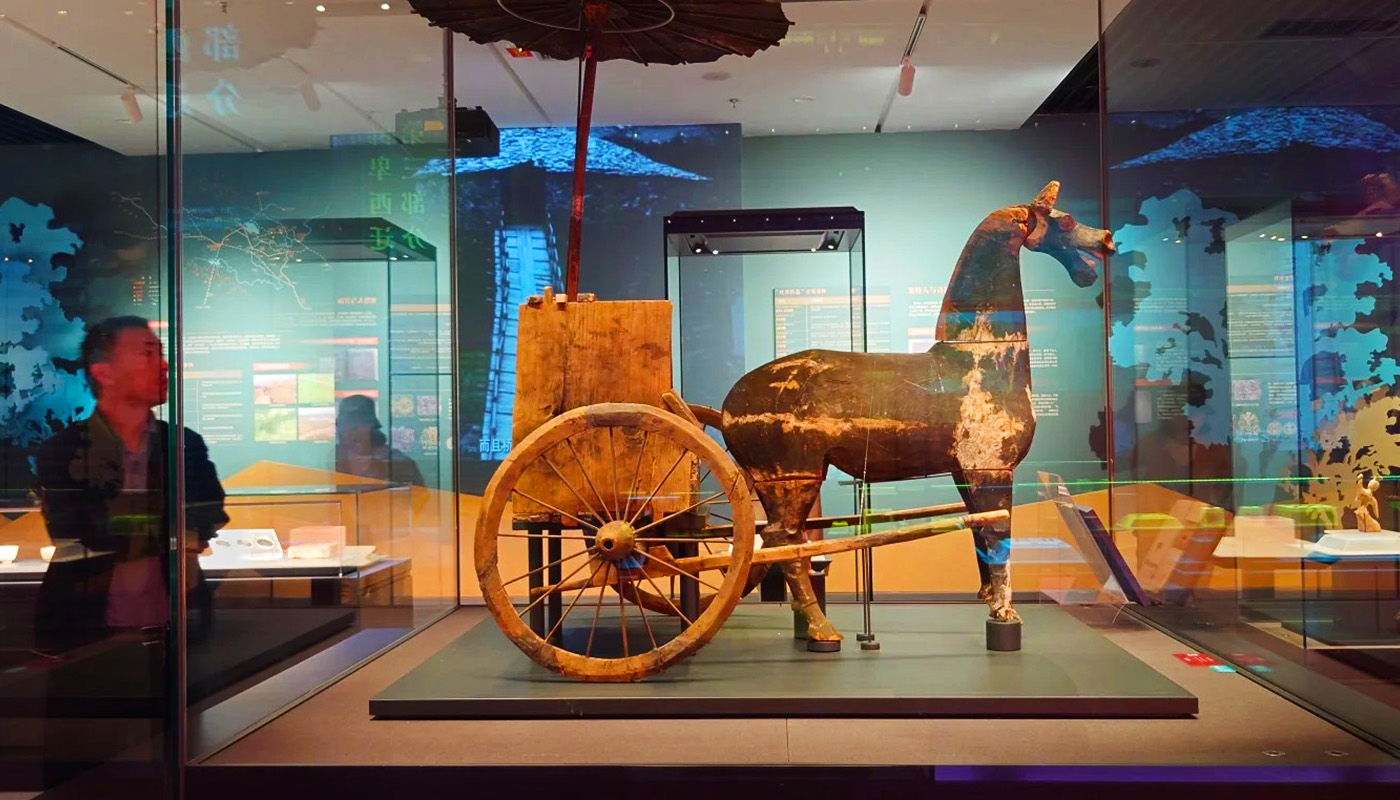
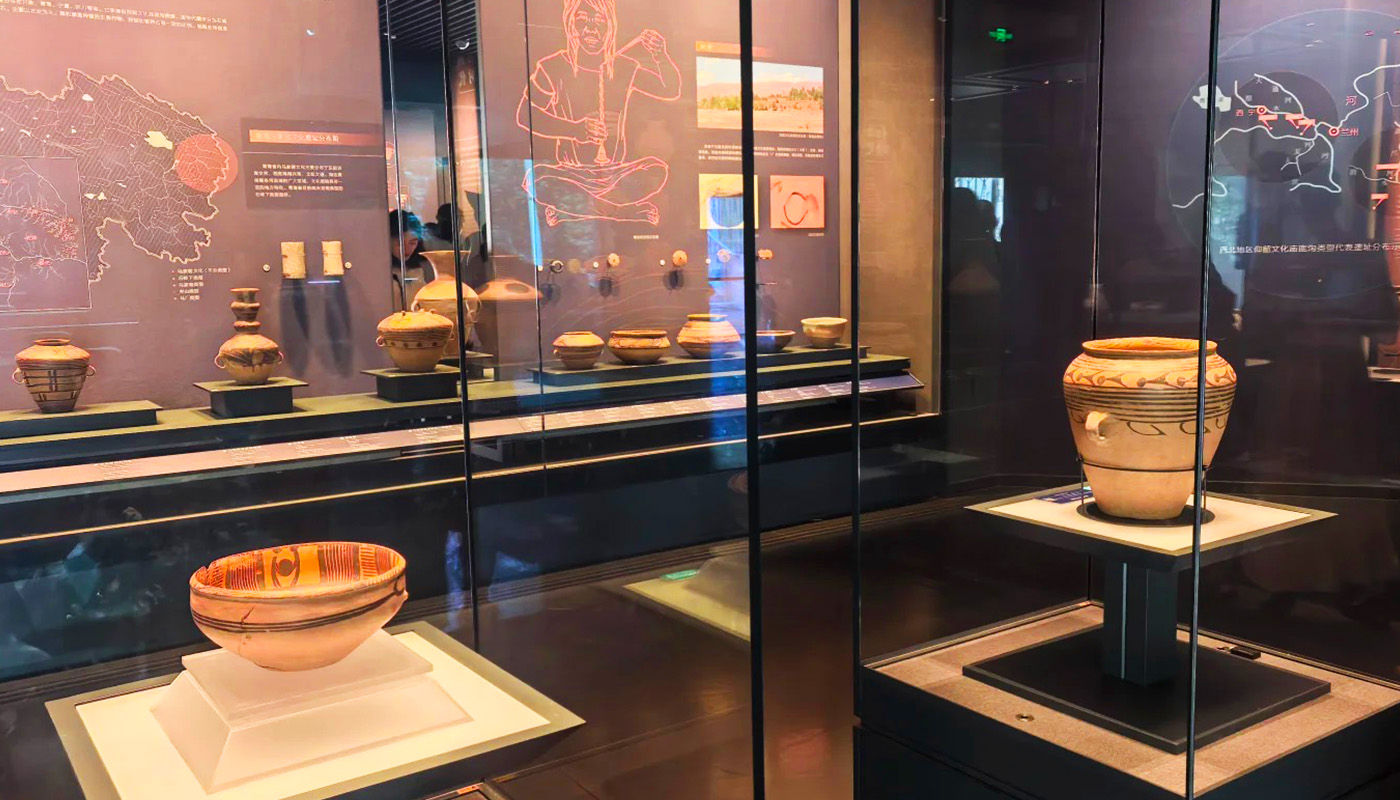
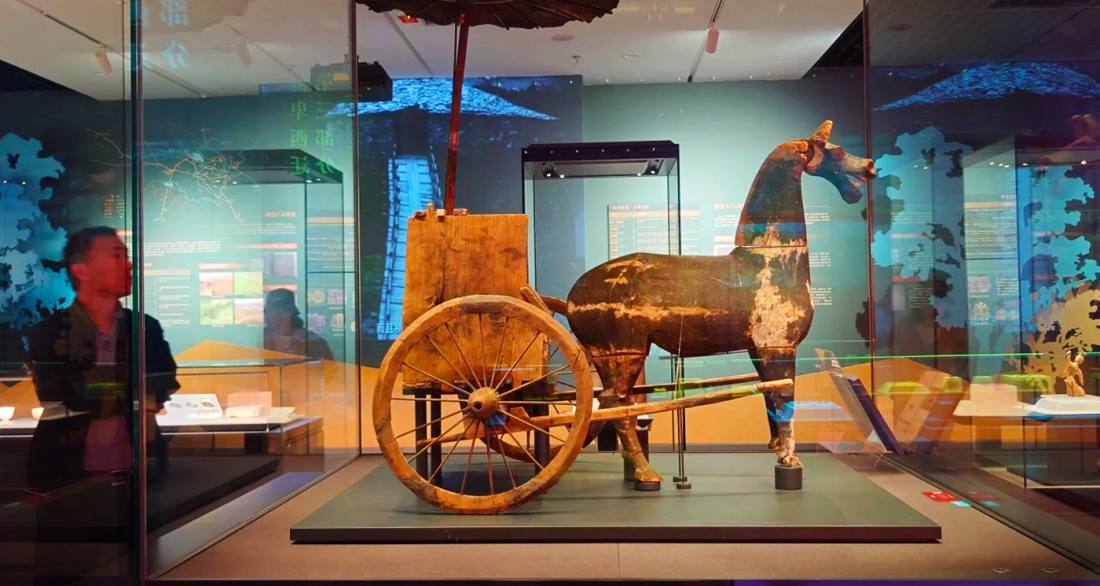
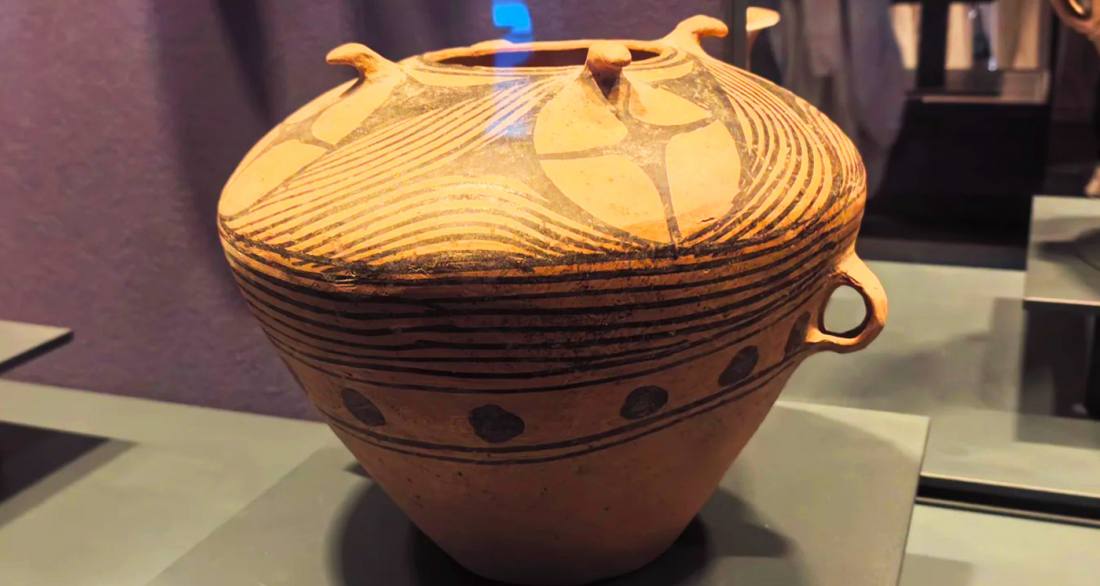
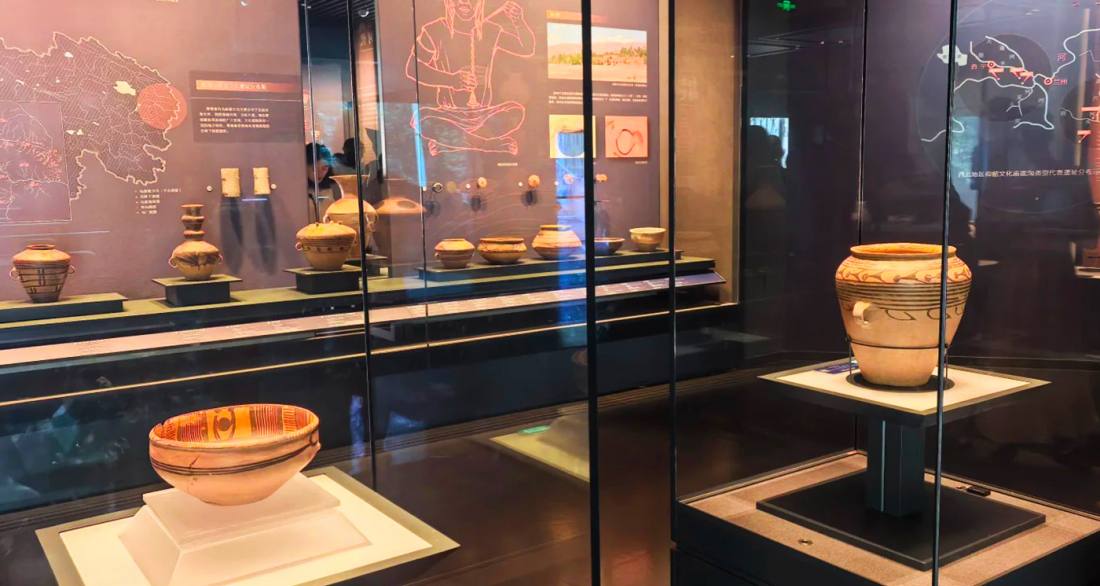
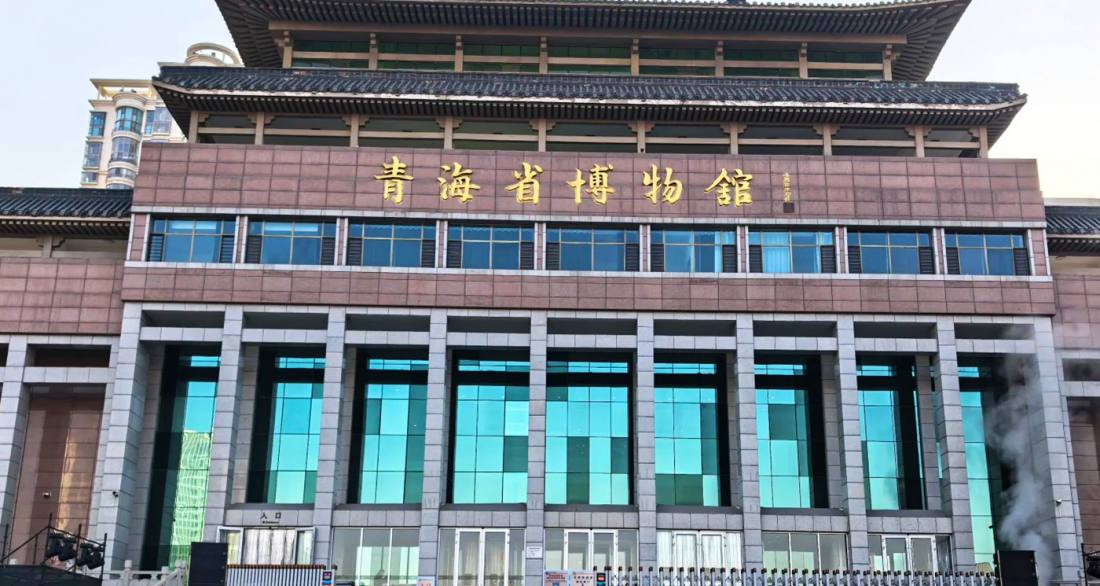
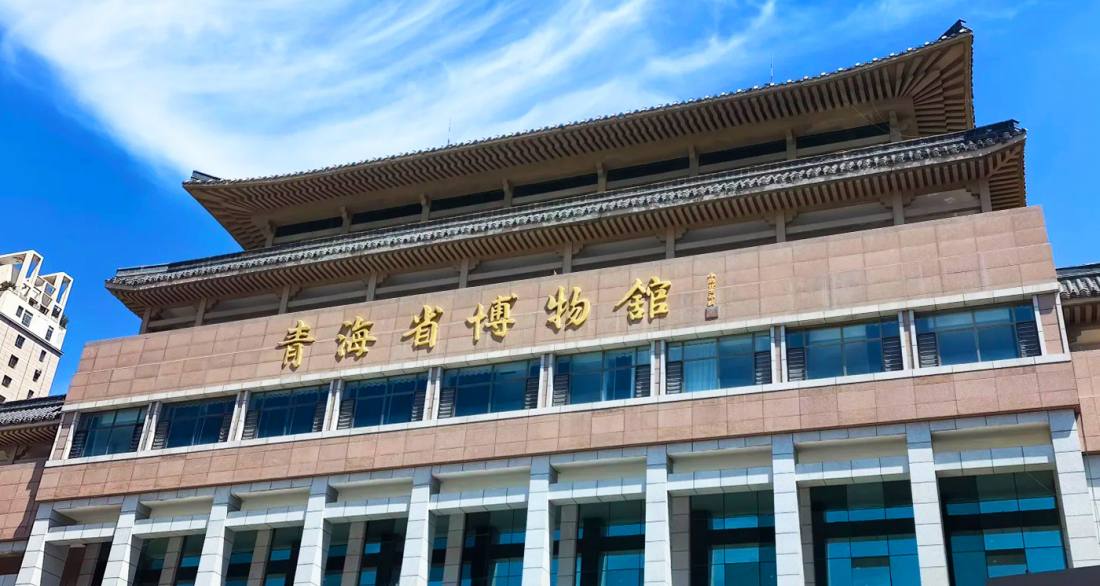
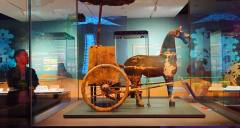
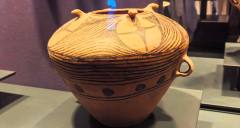
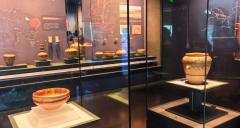
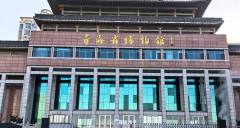
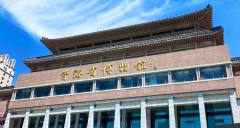
青海省博物館位於青海省西寧市城西區新寧廣場南側,是首批國家一級博物館和省級綜合性博物館,以系統展示青海高原歷史文明、多民族融合進程與絲綢之路青海道的多元文化遺產為核心。館藏文物逾十萬件,涵蓋史前彩陶、歷代金屬器、宗教藝術及民俗非遺等領域,尤以新石器時代的舞蹈紋彩陶盆、唐代絲綢遺珍、吐蕃金銀器和藏傳佛教文物為特色。常設展覽包括《青海歷史文物展》、《青海民族民俗展》、《青海非物質文化遺產展》及《考古青海》四大板塊,全面呈現了從史前文化、鮮卑吐谷渾、吐蕃統治到明清建制的歷史脈絡,以及漢、藏、回、土、撒拉、蒙古等多民族的共生傳統。博物館建築融合現代設計與地域元素,集收藏、研究、教育、展示功能於一體,是國家AAAA級旅遊景區和青海省最重要的公共文化窗口。
The Qinghai Provincial Museum is located south of Xinning Square in Chengxi District, Xining City, Qinghai Province. As one of China's first National First-Class Museums and a provincial-level comprehensive museum, it focuses on systematically displaying the historical civilization of the Qinghai Plateau, the process of multi-ethnic integration, and the diverse cultural heritage of the Qinghai route of the Silk Road. Its collection comprises over 100,000 cultural relics, spanning prehistoric painted pottery, metalware from various dynasties, religious art, and intangible cultural heritage. Notable highlights include the Neolithic dance-pattern painted pottery basin, Tang Dynasty silk relics, Tubo gold and silver artifacts, and Tibetan Buddhist artifacts. Permanent exhibitions consist of four main sections: "Historical Artifacts of Qinghai," "Ethnic Folk Culture of Qinghai," "Intangible Cultural Heritage of Qinghai," and "Archaeology of Qinghai," comprehensively presenting the historical continuum from prehistoric cultures, the Xianbei Tuyuhun, Tubo rule, to Ming and Qing governance, as well as the co-existing traditions of multiple ethnic groups including Han, Tibetan, Hui, Tu, Salar, and Mongol. The museum's architecture blends contemporary design with regional elements, integrating functions of collection, research, education, and exhibition. It is recognized as a National AAAA-level Tourist Attraction and serves as the most important public cultural window in Qinghai Province.