

| 产品 | 提前预定时间 | 取消政策 | 原价 | 优惠价 | ||
|---|---|---|---|---|---|---|
| 产品 | 提前预定时间 | 取消政策 | 原价 | 优惠价 | ||
|---|---|---|---|---|---|---|
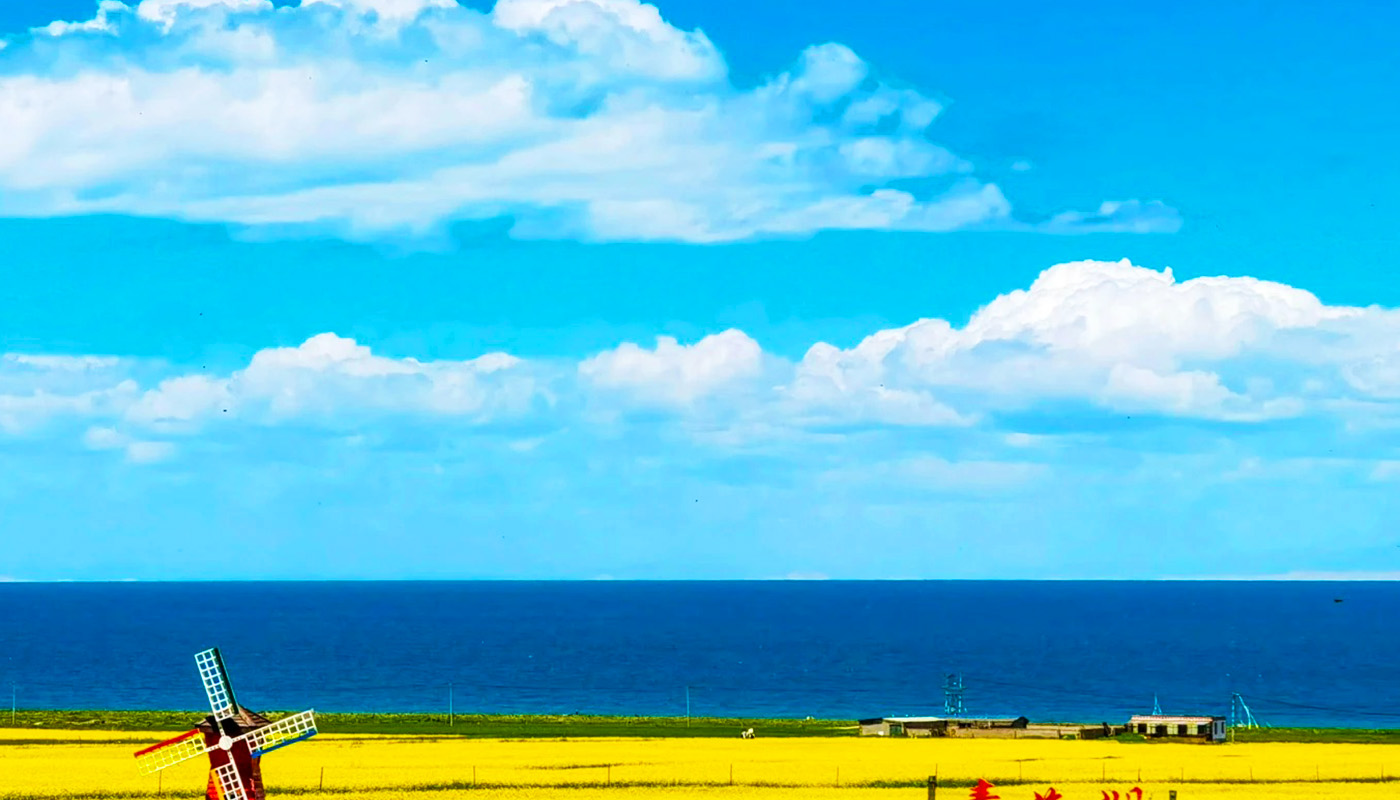
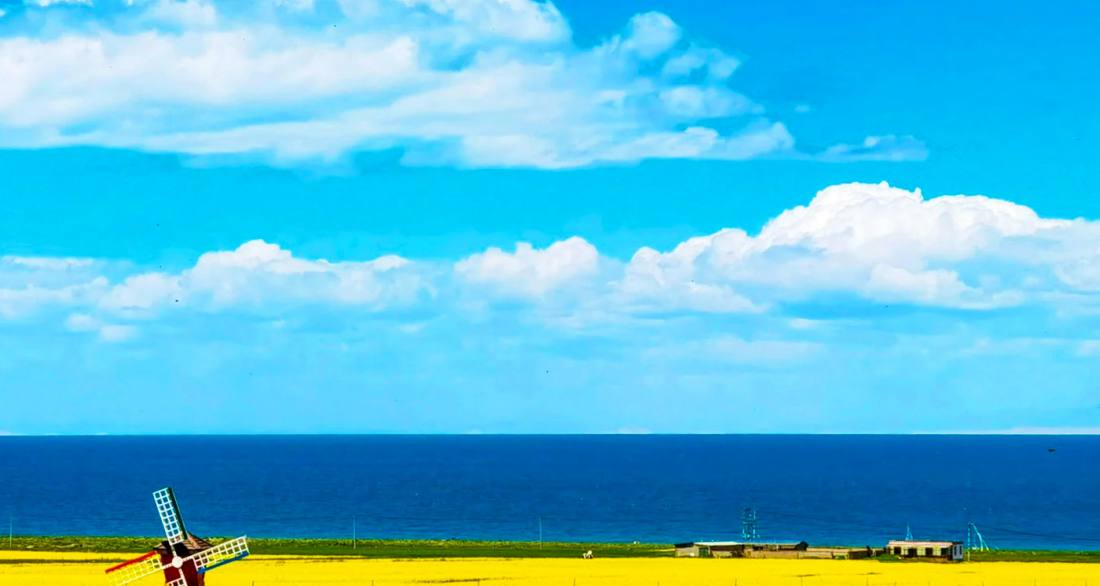
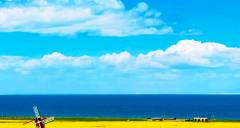
青海湖景區整體免費開放,遊客可沿湖自駕或騎行遊覽,但部分核心景點(如二郎劍、仙女灣等)需單獨購買門票。最佳遊覽季節為7月至8月,此時湖畔油菜花盛開,氣候宜人,但正值旅遊高峰期,建議提前預訂周邊住宿和規劃路線。遊玩時需特別注意以下幾點:青海湖地處高原,紫外線強,需全程做好防曬措施;晝夜溫差大,即使在夏季也要備好防風保暖外套;請尊重當地文化和生態環境,不要隨意翻越圍欄進入草場,遠離湖邊濕地區域以避免驚擾候鳥;嚴禁在湖中游泳(水溫極低且水情複雜),也不要在湖邊隨意丟棄垃圾;自駕遊客請遵守交通規則,不要在非停車區域隨意停車拍照;若選擇騎行環湖,請確保身體狀況良好並備齊補給;最後,購買當地特產(如氂牛肉乾、黑枸杞等)時請注意甄別品質。
The Qinghai Lake scenic area is generally free to access, allowing visitors to drive or cycle along the lake. However, some core attractions (such as Erlangjian and Xianv Bay) require separate admission tickets. The best time to visit is from July to August when the lakeside rapeseed flowers are in full bloom and the weather is pleasant, though this coincides with peak tourist season, so it is advisable to book accommodation and plan routes in advance. Please pay special attention to the following during your visit: Qinghai Lake is located on a high plateau with strong ultraviolet radiation, so sun protection is essential throughout your trip; temperatures vary greatly between day and night—even in summer, bring windproof and warm clothing; respect local culture and the ecological environment—do not climb fences to enter pastures or approach wetland areas near the lake to avoid disturbing migratory birds; swimming in the lake is strictly prohibited (the water is extremely cold and conditions are complex), and littering by the lakeside is forbidden; drivers should obey traffic rules and avoid parking in non-designated areas for photos; if cycling around the lake, ensure you are physically fit and carry adequate supplies; finally, when purchasing local specialties (such as yak jerky or black goji berries), exercise caution in discerning quality.
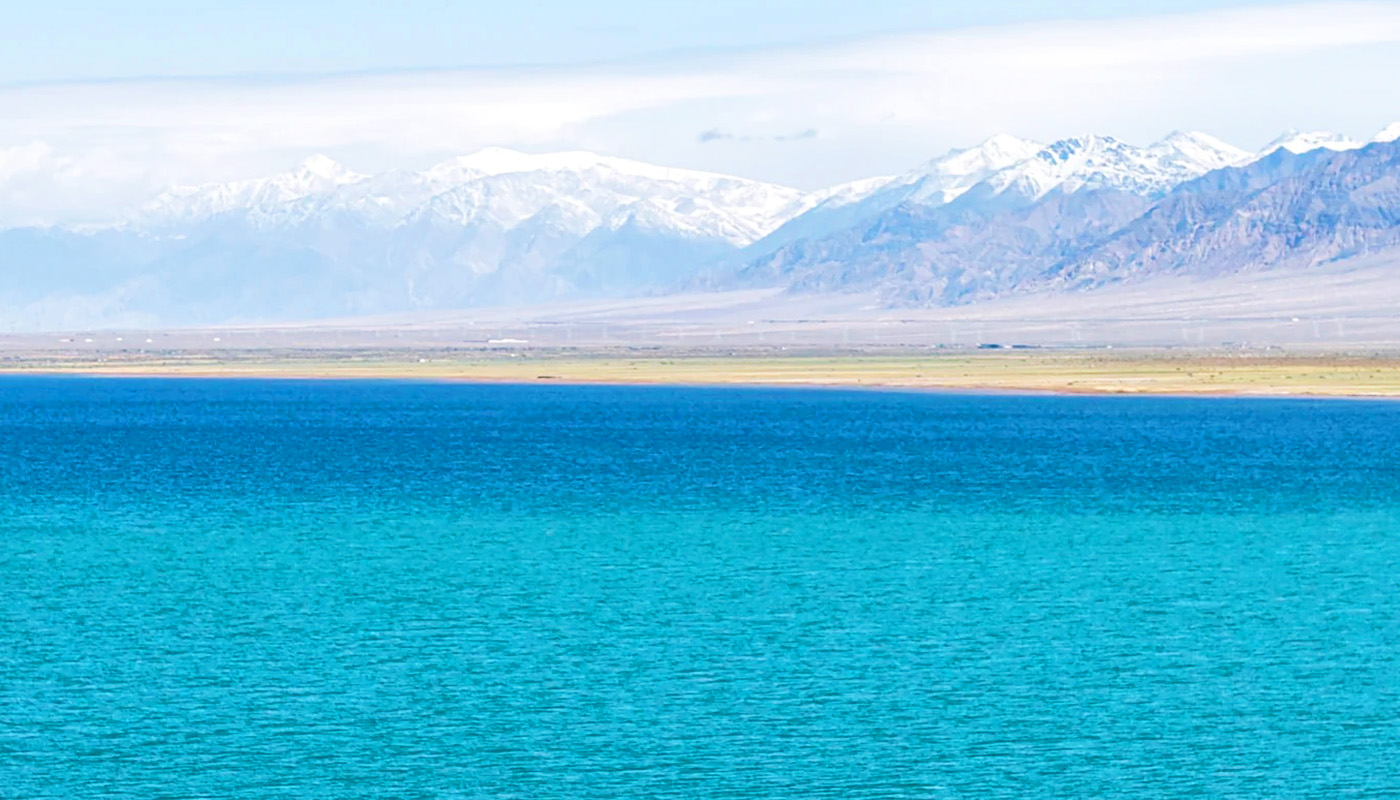
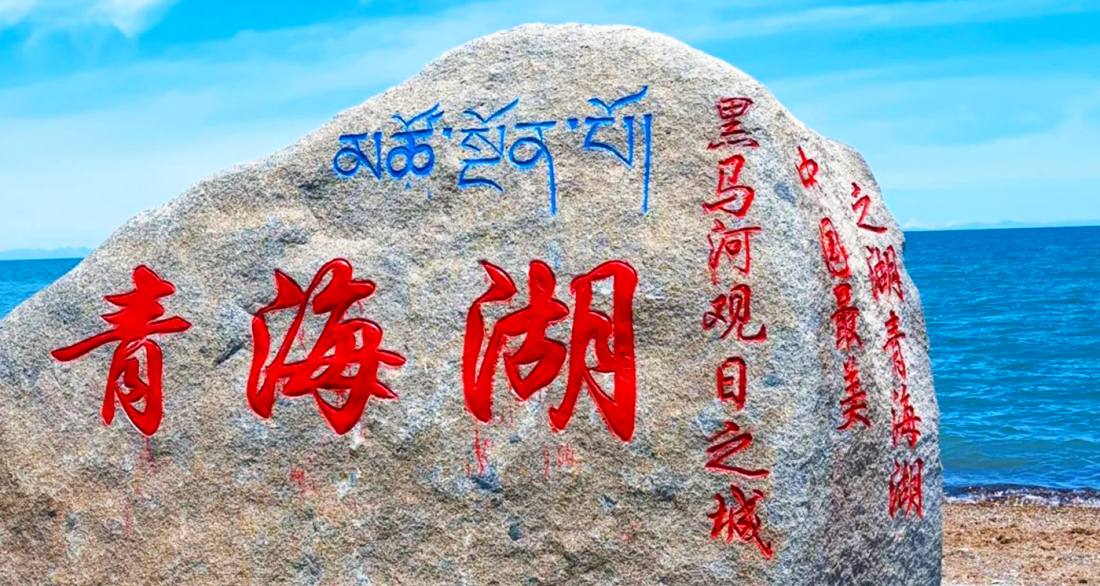
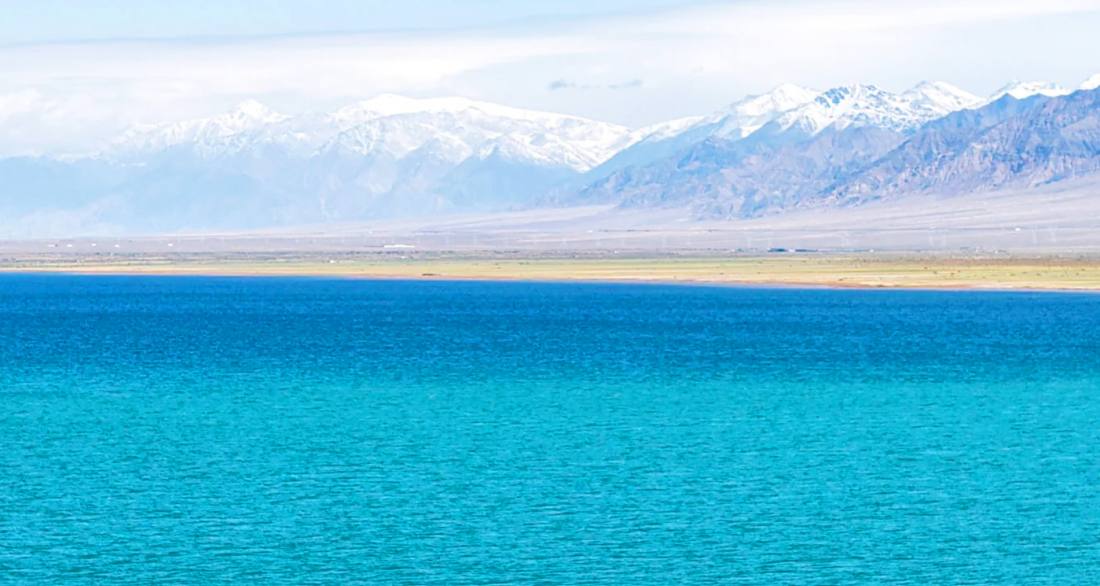
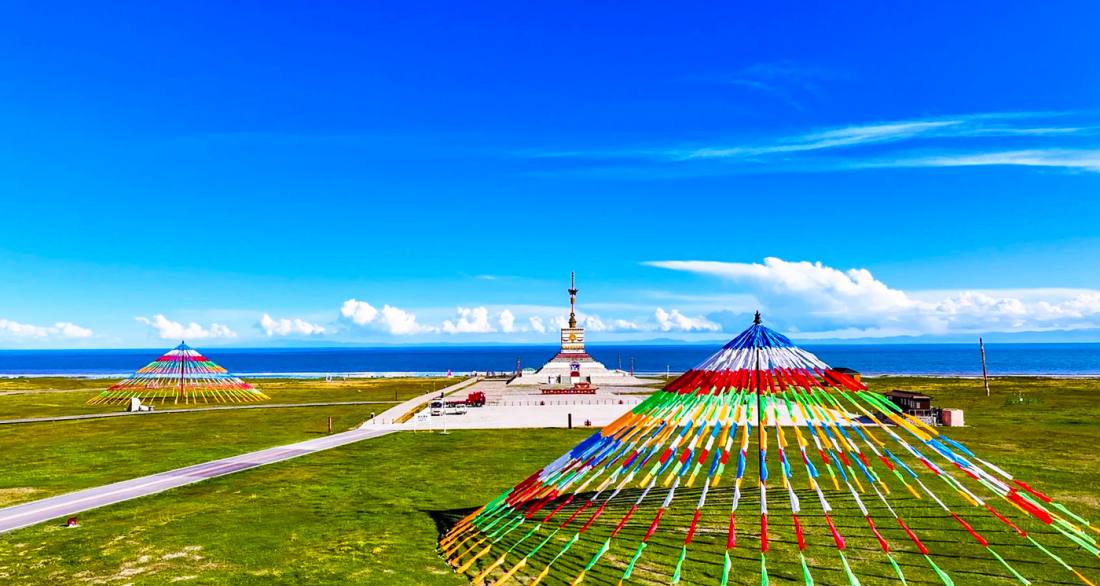
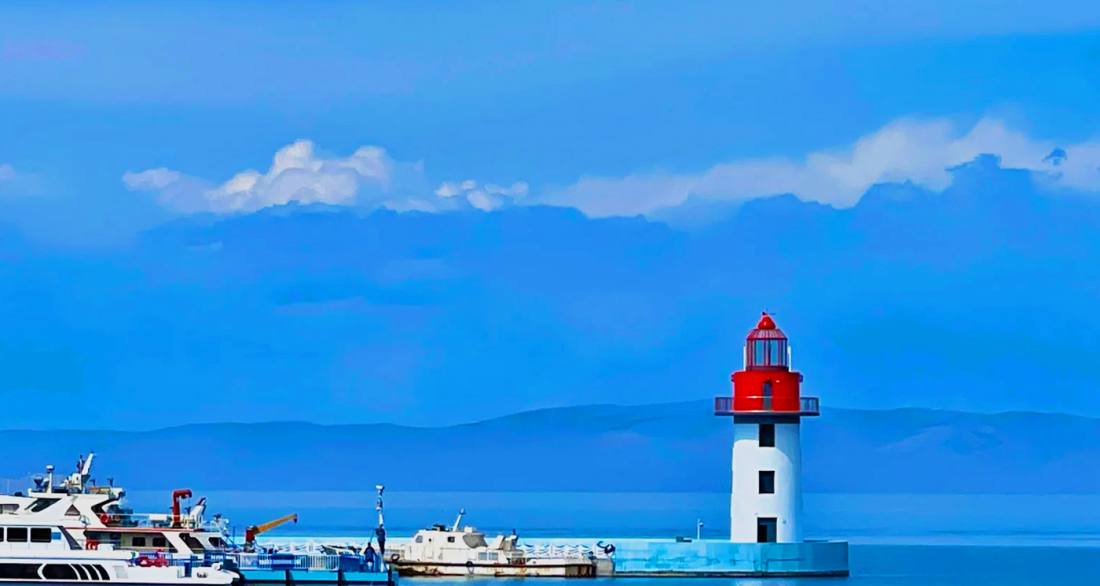
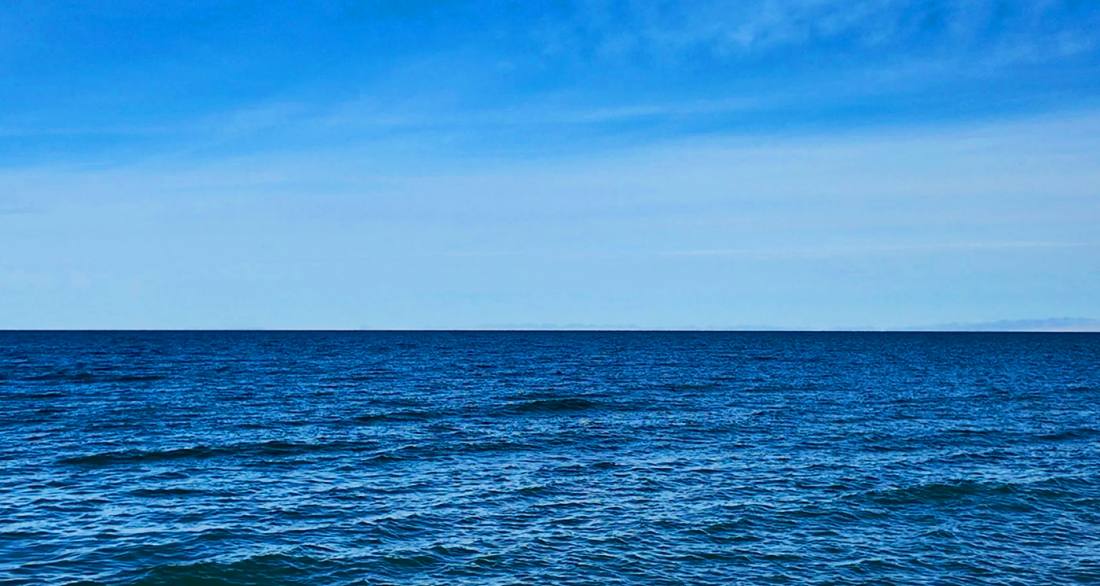
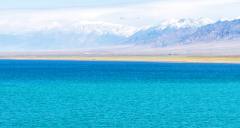
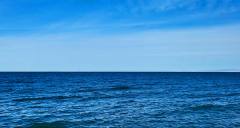
青海湖位於中國青海省東北部的青藏高原上,地跨海南、海北藏族自治州的共和、剛察、海晏三縣,是中國最大的內陸鹹水湖,被譽為「高原藍寶石」。湖面海拔約三千一百九十六米,東西最長約一百零六公里,南北最寬約六十三公里,周長約三百六十公里,水域面積約四千六百二十五點六平方公里,湖水容量約七百四十三億立方米。青海湖是構造斷陷形成的湖泊,約形成於二十一萬年前,原為黃河水系的外流湖,後因日月山隆起阻塞出水口,演變為閉塞鹹水湖。湖區周邊被大通山、日月山、青海南山和橡皮山環繞,景觀融合了湖泊、草原、沙漠和雪山等多重地貌。作為國家級自然保護區、國際重要濕地和國家五A級旅遊景區,青海湖不僅是阻止西部荒漠化東擴的生態屏障,還棲息著近兩百種鳥類、四十餘種獸類和青海湖裸鯉(湟魚)等珍稀物種,兼具極高的生態保護與旅遊價值。其藏語名「措溫布」和蒙古語名「庫庫諾爾」均意為「青色的海」,歷史上曾是絲綢之路南線和唐蕃古道的重要節點,承載著祭海儀式等多元文化傳統。
Qinghai Lake is situated on the northeastern part of the Qinghai-Tibet Plateau in Qinghai Province, China, spanning Gonghe, Gangcha, and Haiyan counties within the Hainan and Haibei Tibetan Autonomous Prefectures. It is China’s largest inland saltwater lake, renowned as the “Blue Gem of the Plateau”. The lake surface lies at an altitude of approximately three thousand one hundred ninety-six meters, with a maximum length of about one hundred six kilometers from east to west, a maximum width of about sixty-three kilometers from north to south, a circumference of about three hundred sixty kilometers, a water area of about four thousand six hundred twenty-five point six square kilometers, and a water volume of about seventy-four point three billion cubic meters. Qinghai Lake is a tectonic rift lake formed about two hundred ten thousand years ago. Initially an outflow lake connected to the Yellow River system, it evolved into a closed saline lake after the uplift of the Riyue Mountains blocked its outlet. The lake area is surrounded by the Datong, Riyue, South Qinghai, and Xiangpi Mountains, integrating landscapes of lakes, grasslands, deserts, and snow-capped mountains. As a National Nature Reserve, Internationally Important Wetland, and National 5A Tourist Attraction, Qinghai Lake not only serves as an ecological barrier preventing the eastward expansion of desertification but also provides habitat for nearly two hundred bird species, over forty mammal species, and rare species such as the Qinghai Lake naked carp (huangyu), highlighting its immense ecological conservation and tourism value. Its Tibetan name “Tso Ngonpo” and Mongolian name “Köke Naγur” both mean “Blue Sea” or “Blue Lake.” Historically, it was a key node on the southern Silk Road and the Tang-Tibet Ancient Road, bearing witness to multicultural traditions such as the sea worship ceremony.