
| 产品 | 提前预定时间 | 取消政策 | 原价 | 优惠价 | ||
|---|---|---|---|---|---|---|
| 产品 | 提前预定时间 | 取消政策 | 原价 | 优惠价 | ||
|---|---|---|---|---|---|---|
北山土樓觀為國家AAA級旅遊景區,進入需現場購票,暫不提供線上預約。參觀時請務必注意:景區依丹霞山勢而建,參觀路線多為陡峭臺階和懸空棧道,請穿防滑鞋並謹慎慢行,切勿擁擠或倚靠欄杆;洞窟和殿堂內空間狹小,請勿觸摸壁畫、石刻造像等文物;作為佛、道、儒三教合一場所,請保持安靜,尊重宗教習俗,未經允許不得對佛像及內部場景進行拍攝;山區天氣多變,建議攜帶防曬、防雨用具;高齡老人、幼童及患有高血壓、心臟病等疾病的遊客需評估自身身體狀況後量力遊覽;請勿隨地丟棄垃圾,共同保護脆弱的丹霞地質環境。
Beishan Tulou Temple is a National AAA-level Tourist Attraction. Admission requires on-site ticket purchase, and online reservations are currently unavailable. During your visit, please note: the scenic area is built along Danxia cliffs, with most paths consisting of steep steps and suspended walkways—wear non-slip shoes, proceed cautiously, avoid crowding or leaning on railings; grottoes and temple halls have limited space—do not touch murals, stone carvings, or other cultural relics; as a site integrating Buddhism, Taoism, and Confucianism, maintain quietness, respect religious customs, and refrain from photographing Buddha statues or interior scenes without permission; mountain weather is changeable—carry sun and rain protection; elderly visitors, young children, and those with conditions such as hypertension or heart disease should assess their physical condition and tour within their limits; do not litter, and help protect the fragile Danxia geological environment.
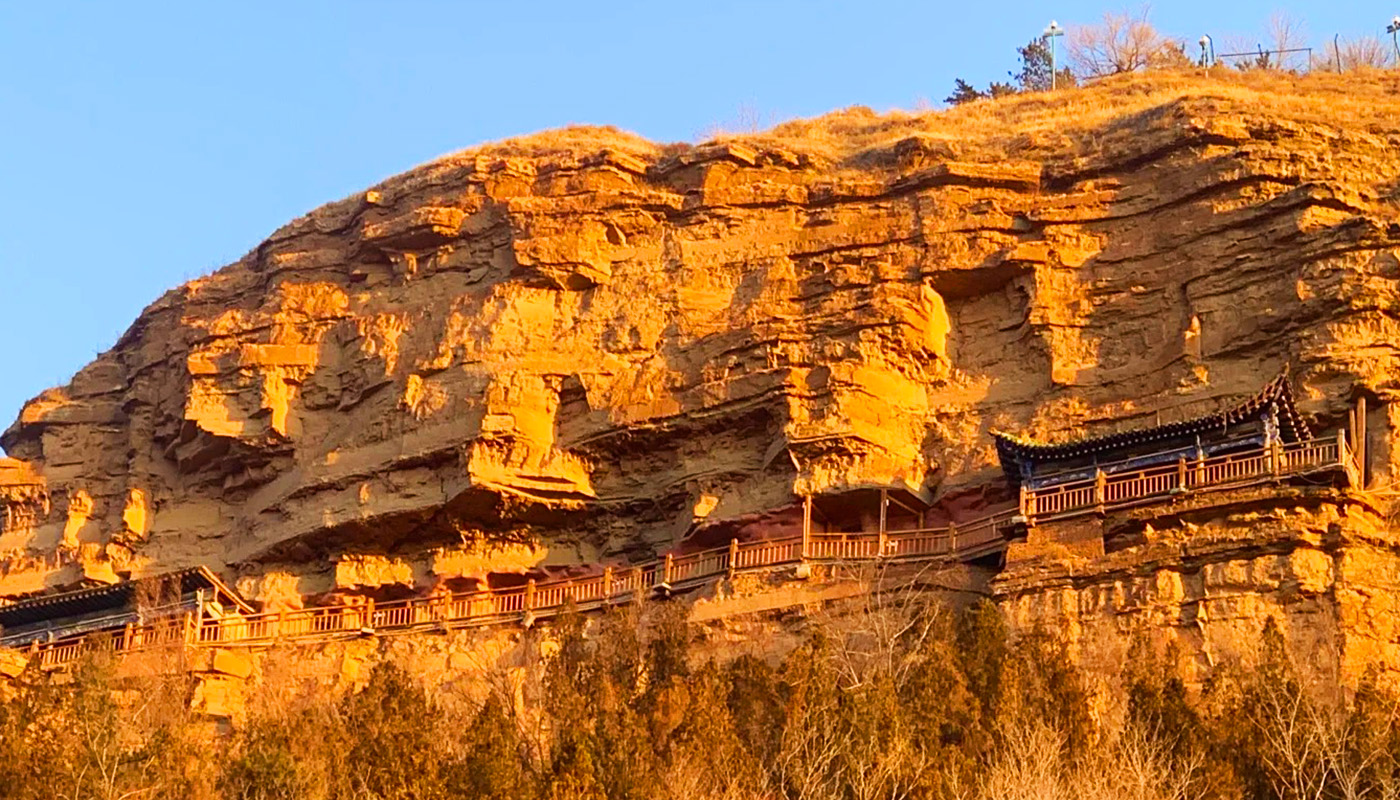
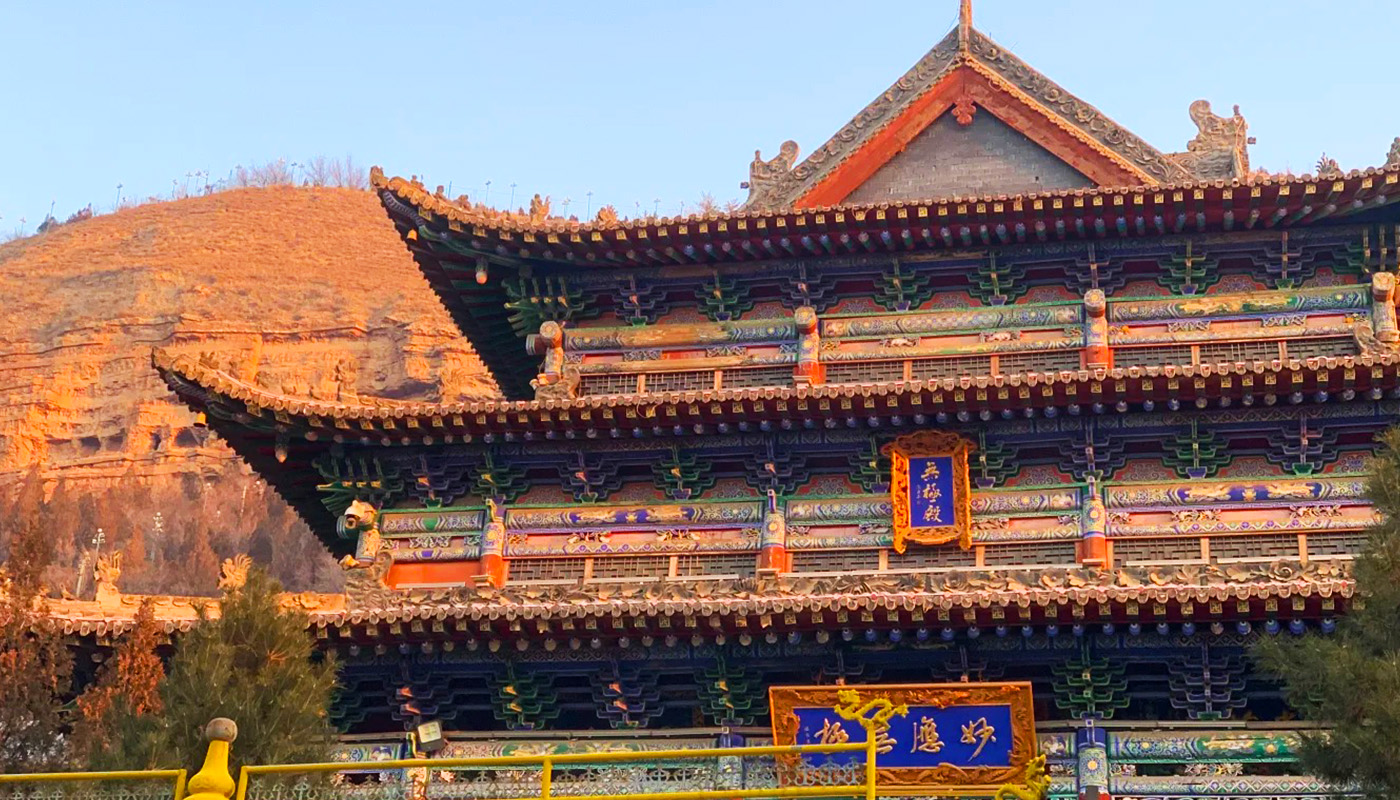
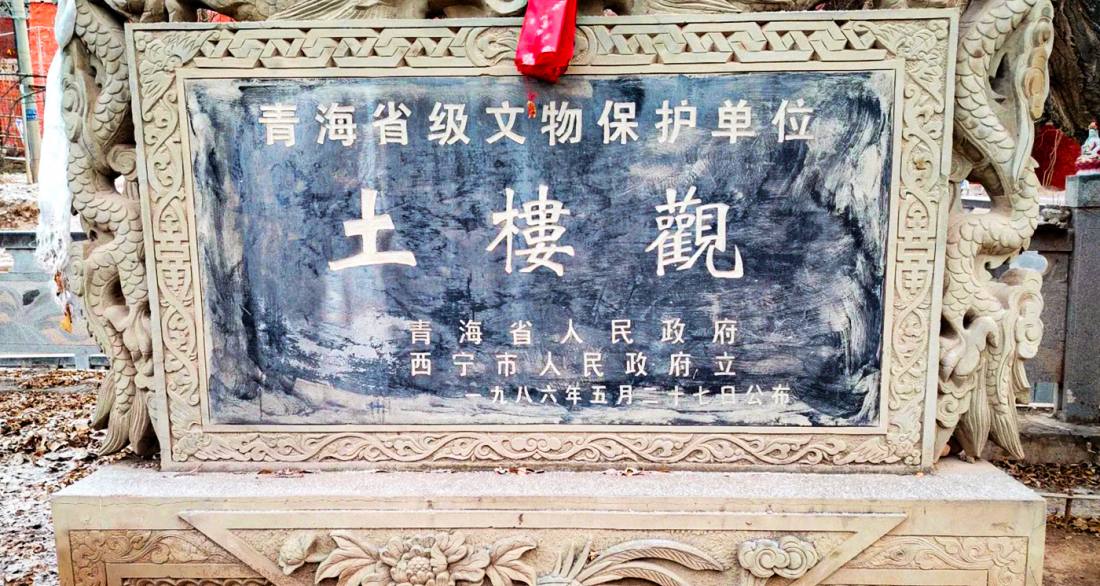
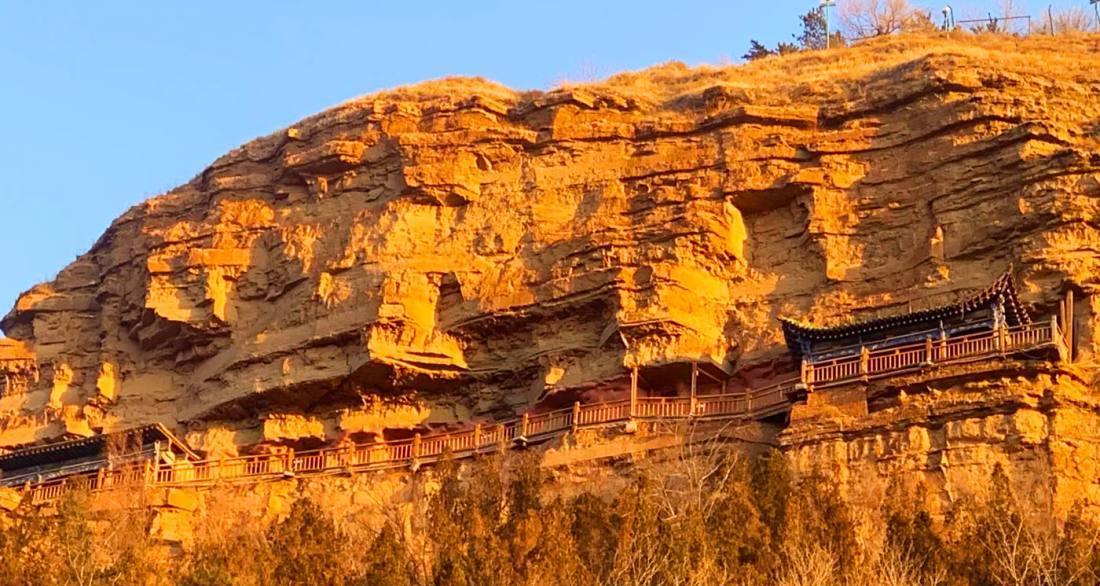
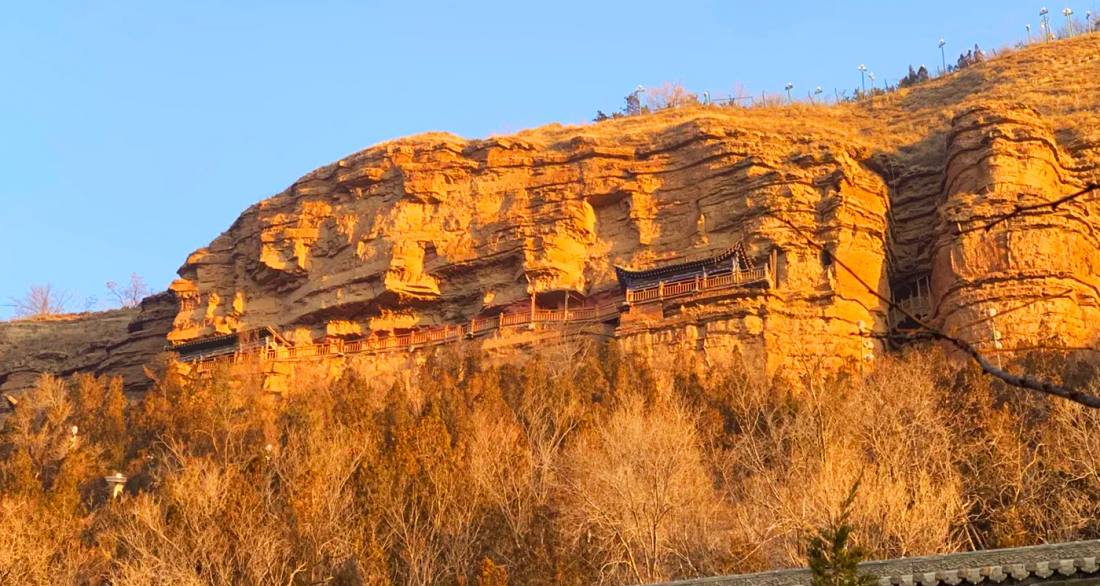
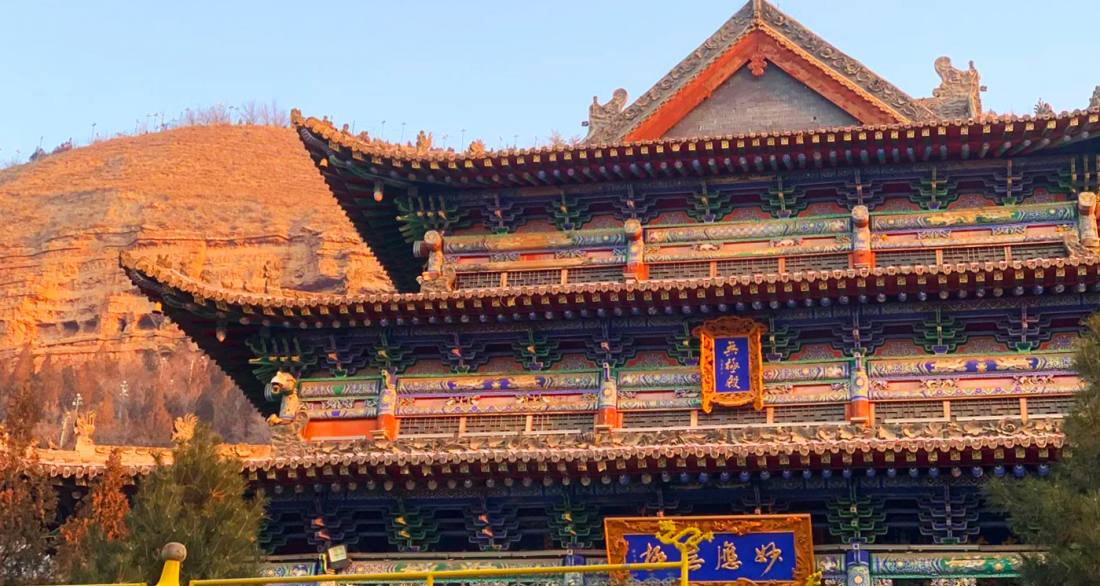
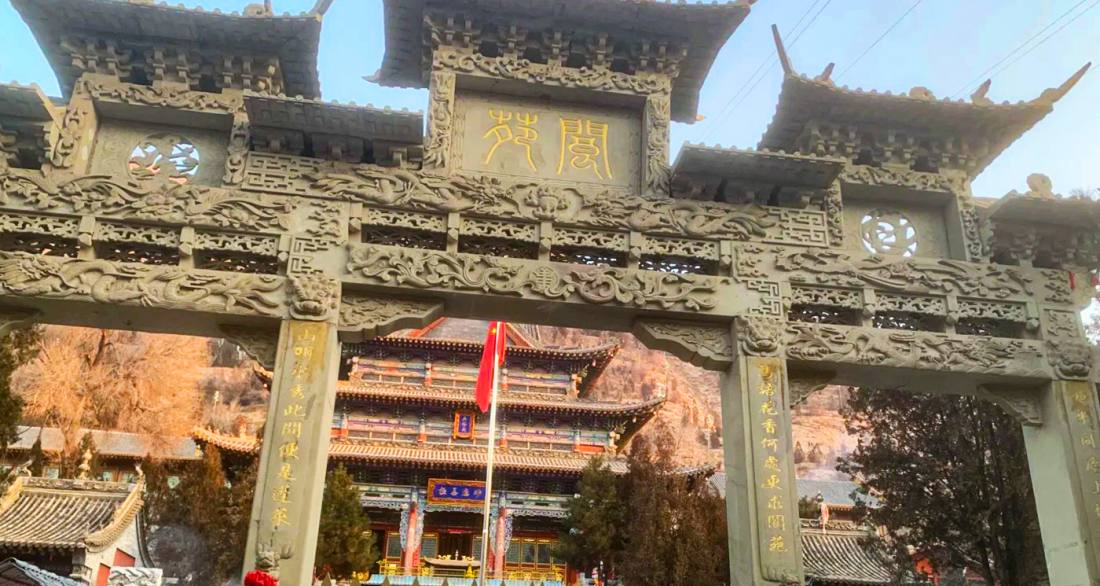
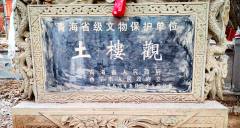
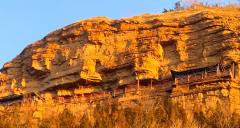
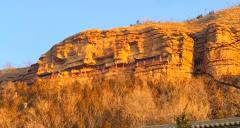
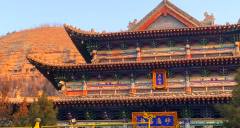
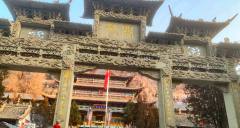
北山土樓觀(亦稱北禪寺)位於青海省西寧市城北區祁連路西的土樓山半山腰,海拔約兩千四百米,是始建於東漢時期的古老宗教建築群,距今已有超過一千九百年歷史。其核心特點在於依特殊丹霞地貌而建,紅砂岩斷層上形成的「九窟十八洞」與懸空棧道、殿宇相連,構成「中國第二大懸空寺」的奇觀,融合了佛、道、儒三教文化。觀內保留著唐代風格的露天金剛造像(又稱「閃佛」)、北魏至宋元的壁畫殘跡以及明代古塔寧壽塔,兼具漢藏佛教藝術特色,素有「西平莫高窟」之稱。作為青海省文物保護單位和國家三A級旅遊景區,它不僅是宗教活動的場所,更是見證河湟地區民族融合與文化交流的歷史縮影,登頂還可俯瞰西寧城區全景。
Beishan Tulou Temple (also known as Beichan Temple) is situated on the midslope of Tulou Mountain, west of Qilian Road in Chengbei District, Xining City, Qinghai Province, at an altitude of approximately two thousand four hundred meters. This ancient religious complex was first established during the Eastern Han Dynasty and boasts a history of over one thousand nine hundred years. Its defining feature lies in its construction adapted to the unique Danxia landform: the "Nine Grottoes and Eighteen Caves" formed within red sandstone faults are connected by cliff-side plank paths and halls, creating the marvel known as the "Second Hanging Temple of China" and integrating Buddhist, Taoist, and Confucian cultures. The temple preserves open-air Vajra statues (also called "Flash Buddhas") in Tang Dynasty style, mural remnants dating from the Northern Wei to Song and Yuan dynasties, and the ancient Ming Dynasty Ningzhou Pagoda, showcasing both Han and Tibetan Buddhist artistic characteristics, earning it the nickname "Xiping Mogao Grottoes". As a Qinghai Provincial Cultural Relics Protection Unit and a National AAA-level Tourist Attraction, it serves not only as a site for religious activities but also as a historical microcosm witnessing ethnic integration and cultural exchange in the Hehuang region. Reaching the summit offers a panoramic view of Xining city.