
| 产品 | 提前预定时间 | 取消政策 | 原价 | 优惠价 | ||
|---|---|---|---|---|---|---|
| 产品 | 提前预定时间 | 取消政策 | 原价 | 优惠价 | ||
|---|---|---|---|---|---|---|
拉林高速公路為開放式收費公路,車輛可直接駛入,無需預定,但行駛前需確保車輛狀況良好並備好應急工具。全程多處服務區提供補給,建議提前規劃加油與休息。該公路海拔落差大、彎道隧道多,需嚴格遵守限速(多為80公里/小時),注意觀察路面指示和動物穿行提示。山區天氣多變,需防範降雨、團霧或暗冰,冬季部分高海拔路段可能臨時管制。請勿在非觀景台路段停車,全程繫好安全帶,並請勿向車窗外拋灑垃圾。
The Lalin Expressway is an open toll highway accessible directly by vehicles without prior booking; however, ensure your vehicle is in good condition and emergency tools are prepared before driving. Service areas along the route provide supplies, so plan fuel stops and rest breaks in advance. Due to significant altitude changes, numerous curves, and tunnels, strictly adhere to speed limits (mostly 80 km/h) and watch for road signs and wildlife crossing warnings. Mountain weather changes rapidly; beware of rainfall, fog patches, or black ice, with potential temporary closures on high-altitude sections in winter. Do not park outside designated viewing areas, always wear seat belts, and avoid littering from the vehicle windows.
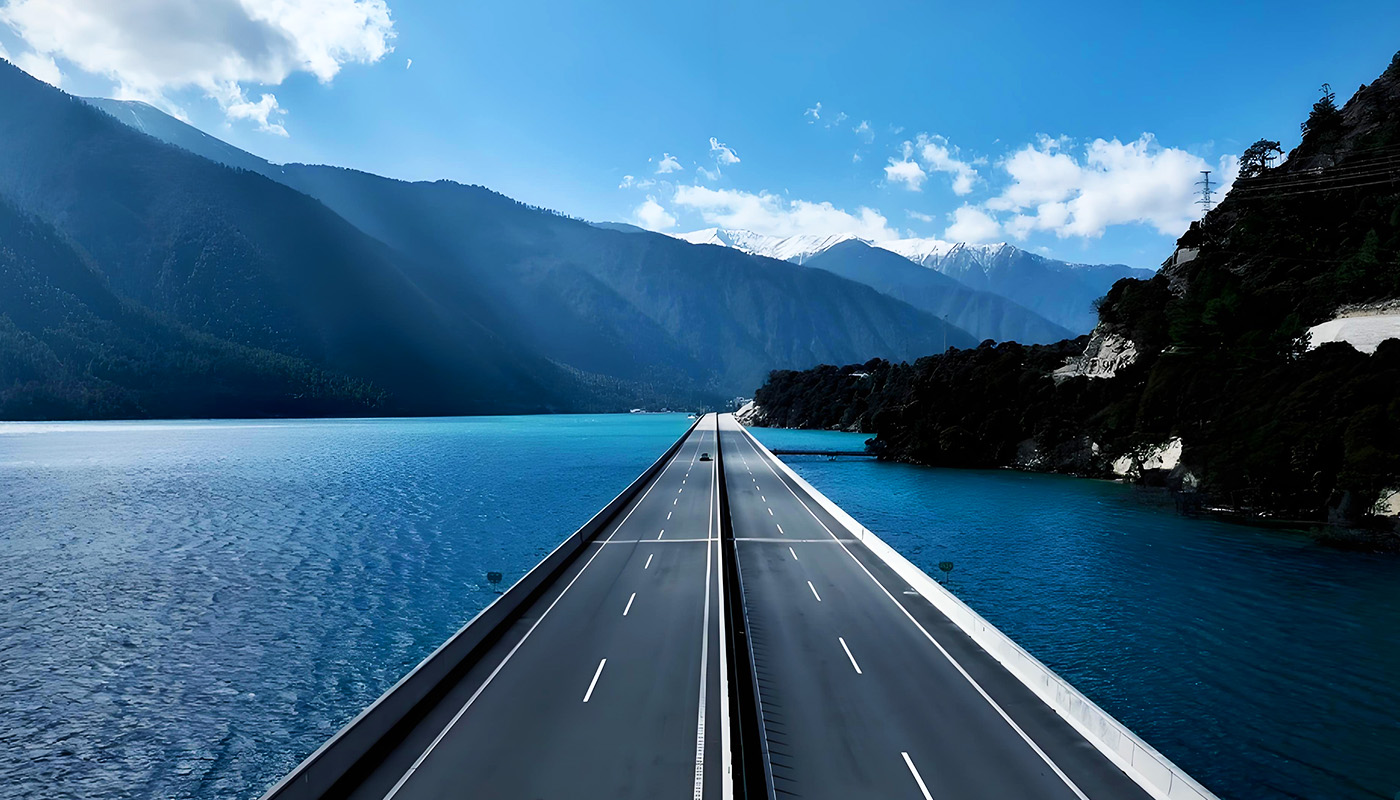
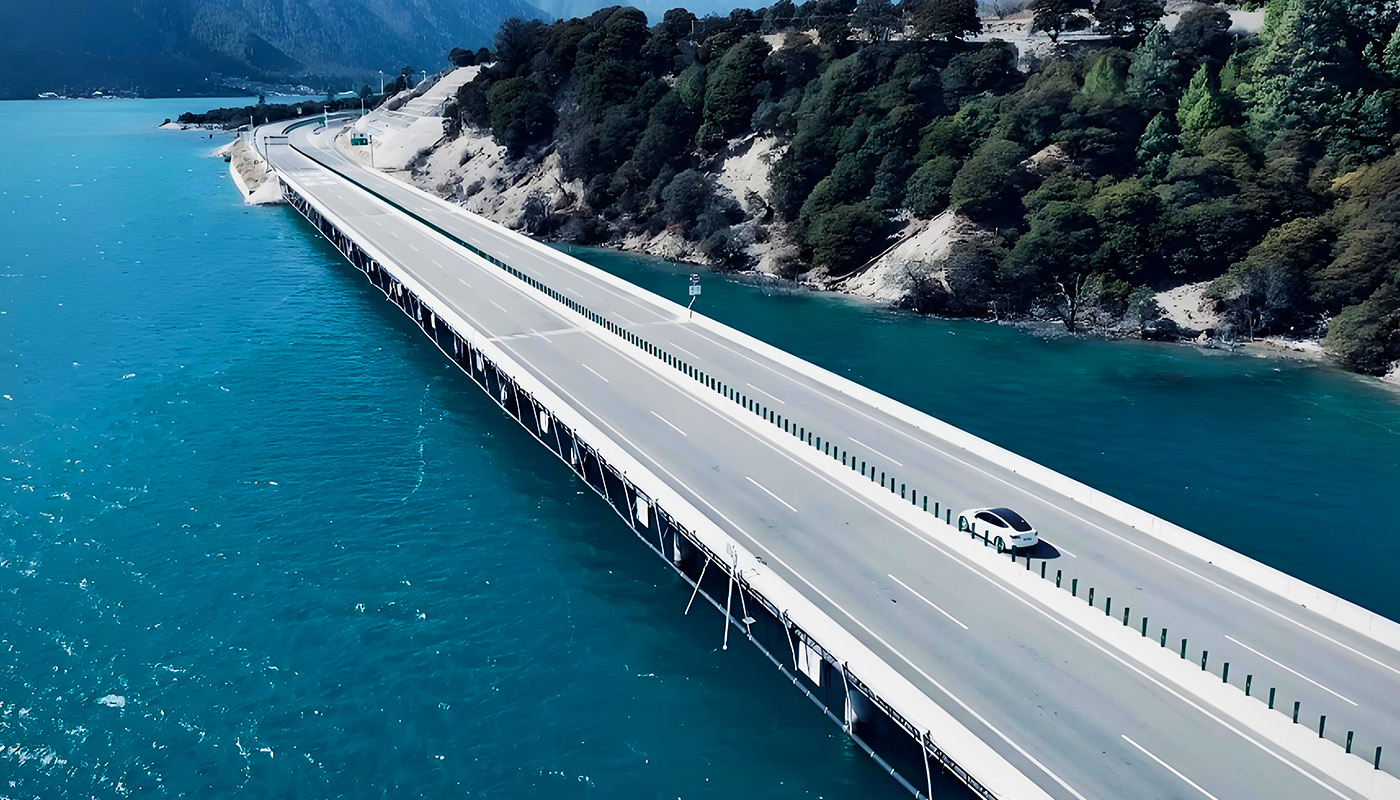
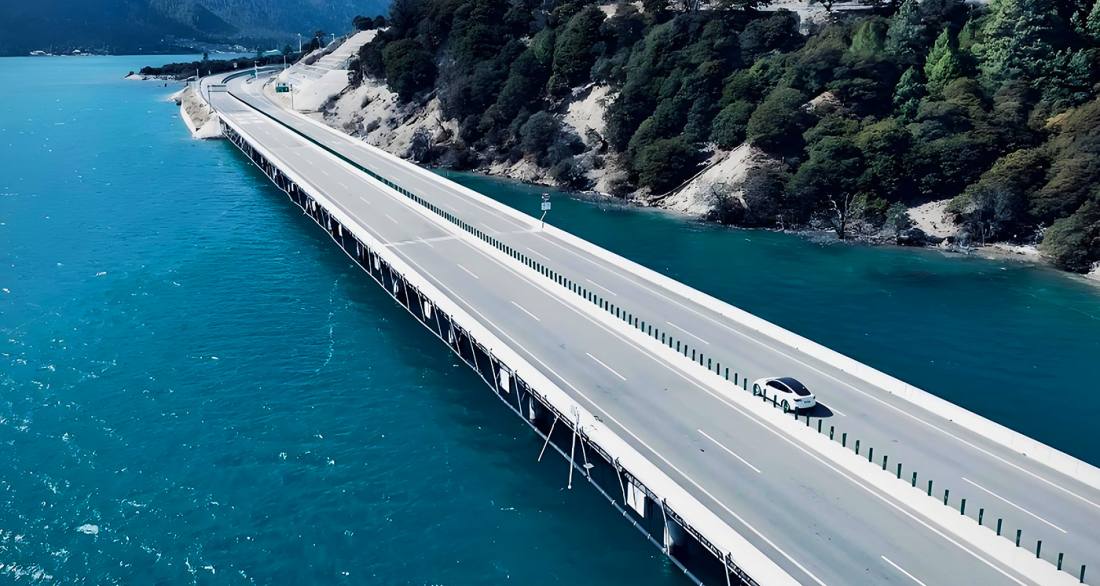
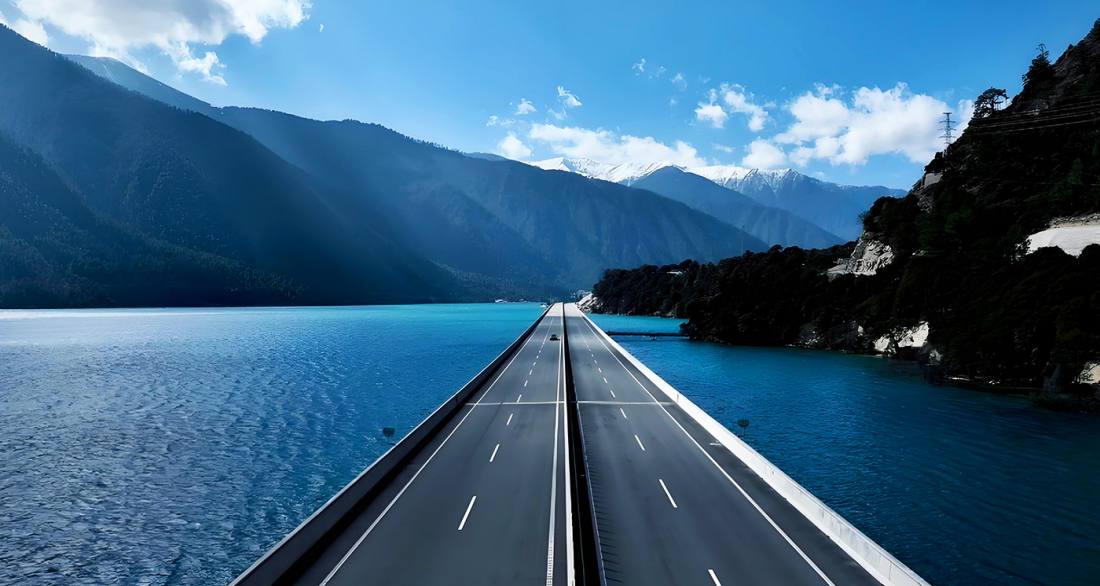
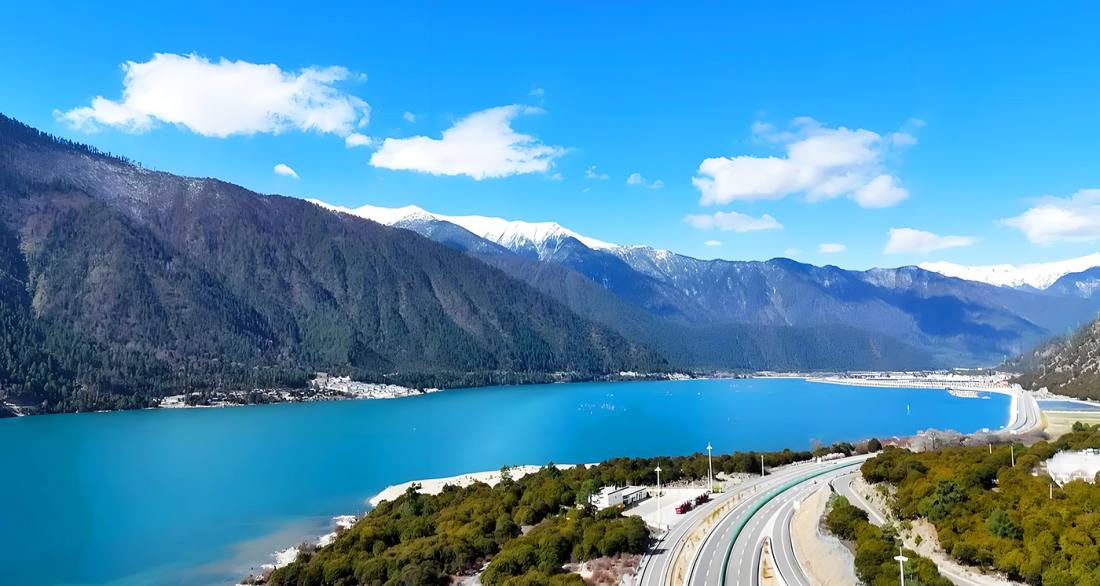
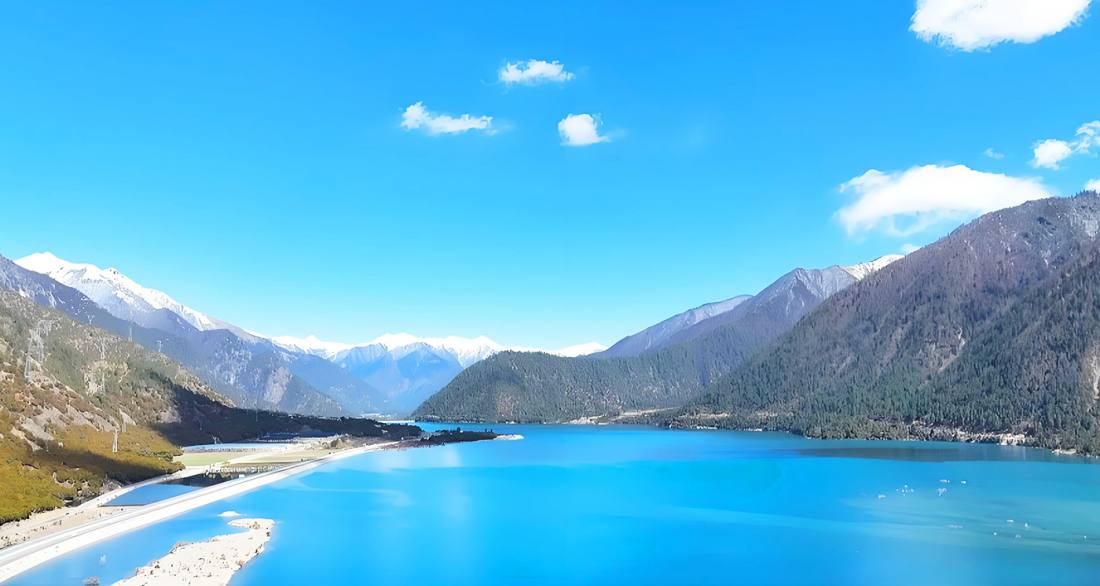
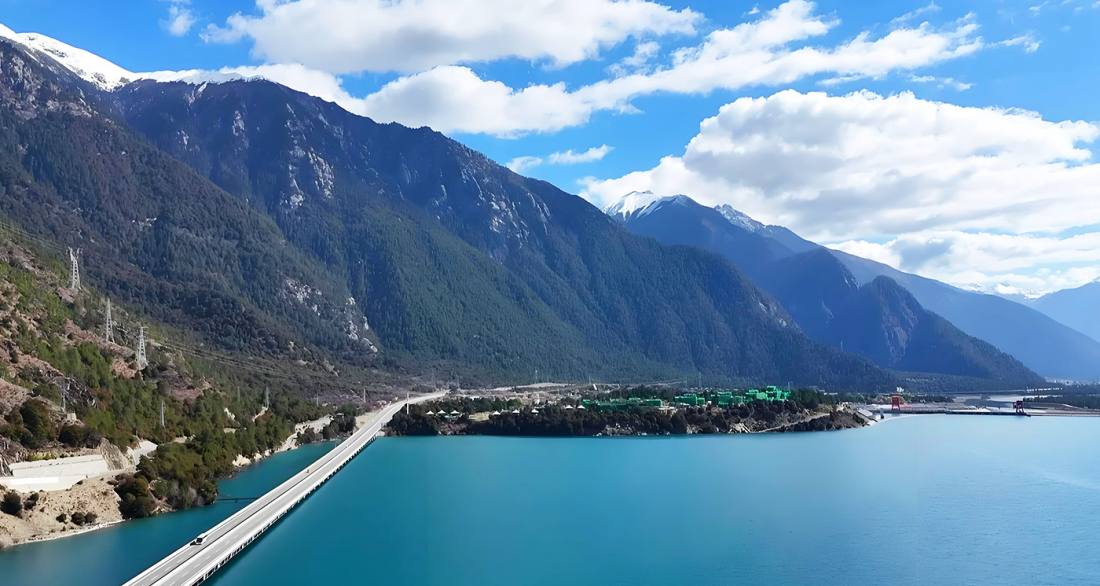
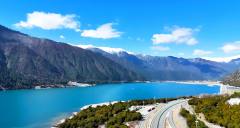
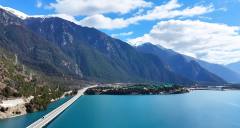
拉林高速(拉薩至林芝高速公路)是G4218雅葉高速公路的關鍵段落,全長約409公里,於2021年4月全線通車。它沿尼洋河與雅魯藏布江河谷蜿蜒延伸,平均海拔約3000米,將拉薩至林芝的車程從7小時大幅縮短至4小時。這條公路不僅是西藏首條連接藏東南城市羣的交通大動脈,更是一條融合了工程技術奇蹟與自然風光的「生態景觀走廊」——沿途穿越海拔4782米的米拉山隧道、俯瞰碧玉般的巴松措、串聯起雪山、森林、峽谷與藏式村落,被譽為「雪域天路」上流動的詩篇。
The Lalin Expressway (Lhasa-Nyingchi Expressway) is a critical section of the G4218 Ya'an-Yejia Expressway, spanning approximately 409 kilometers and fully opened to traffic in April 2021. Following the valleys of the Nyang River and the Yarlung Tsangpo River at an average altitude of around 3,000 meters, it dramatically reduces the travel time between Lhasa and Nyingchi from 7 hours to just 4 hours. More than merely the first major transportation artery connecting urban clusters in southeastern Tibet, this highway is an “ecological landscape corridor” that blends engineering marvels with breathtaking natural scenery—traversing the 4,782-meter-high Mila Mountain Tunnel, overlooking the emerald-like Basum Lake, and linking snow-capped peaks, dense forests, deep gorges, and traditional Tibetan villages, celebrated as a “flowing poem on the Roof of the World.”