
| 产品 | 提前预定时间 | 取消政策 | 原价 | 优惠价 | ||
|---|---|---|---|---|---|---|
| 产品 | 提前预定时间 | 取消政策 | 原价 | 优惠价 | ||
|---|---|---|---|---|---|---|
乃查姆瑪尼堆為開放式宗教場所,全天免費開放,無需預約。位於昌都市丁青縣絨通村G317國道旁,建議自駕前往。請嚴格遵守順時針繞行方向,不可逆向或踩踏瑪尼石堆。拍攝時請先徵得當地信徒同意,並儘量避免使用無人機。請勿移動或帶走任何瑪尼石,不在周邊丟棄垃圾。因海拔較高,請提前防範高原反應。尊重當地宗教活動,保持安靜肅穆。
The Naicham Mani Stone Mound is an open religious site, free to visit 24/7 without reservation. Located next to National Highway G317 in Rongtong Village, Dengqen County, Chamdo, it is recommended to travel by self-driving. Please strictly follow the clockwise walking direction; do not walk counterclockwise or step on the mani stones. Before taking photographs, ask permission from local believers and avoid using drones whenever possible. Do not move or remove any mani stones, and refrain from littering in the area. Due to the high altitude, take precautions against altitude sickness in advance. Respect local religious activities and maintain a quiet, solemn demeanor.
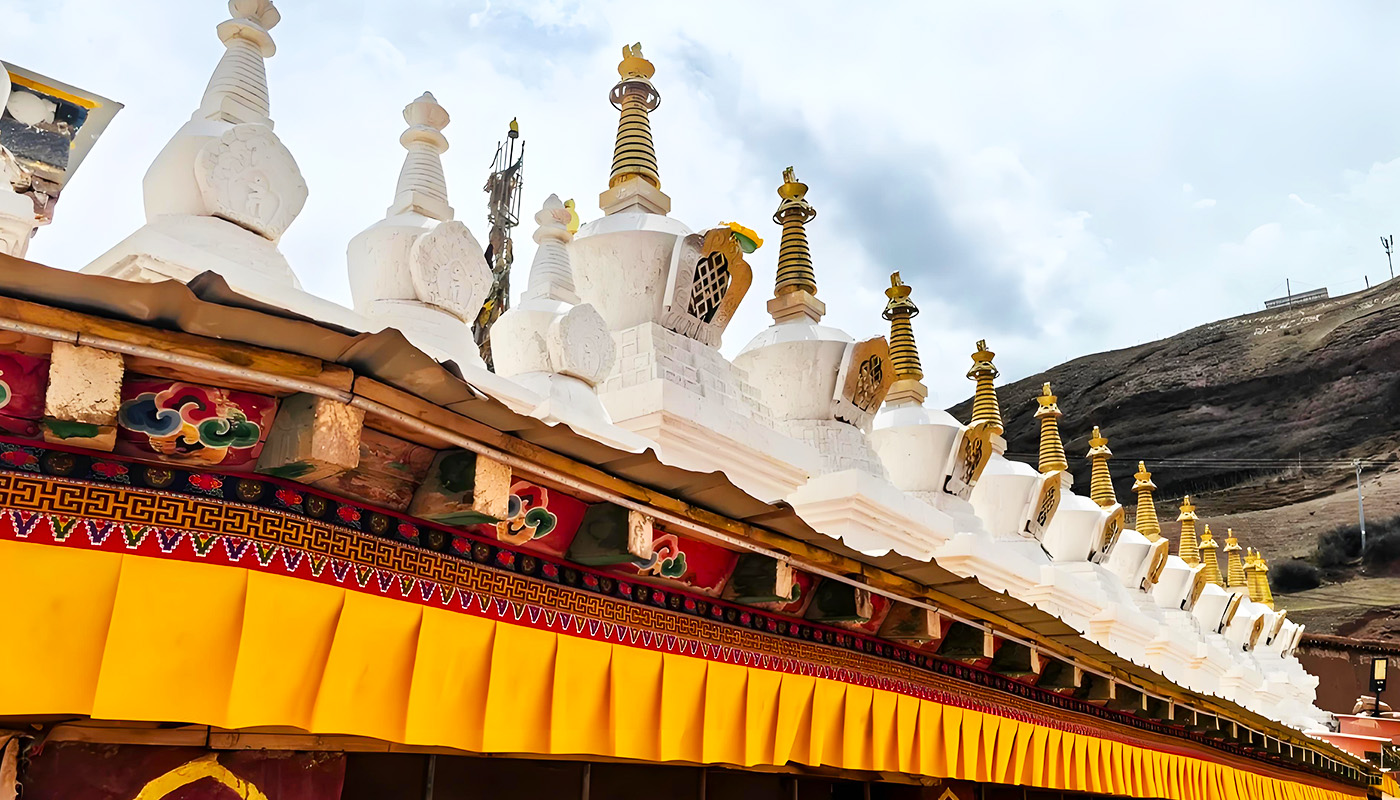
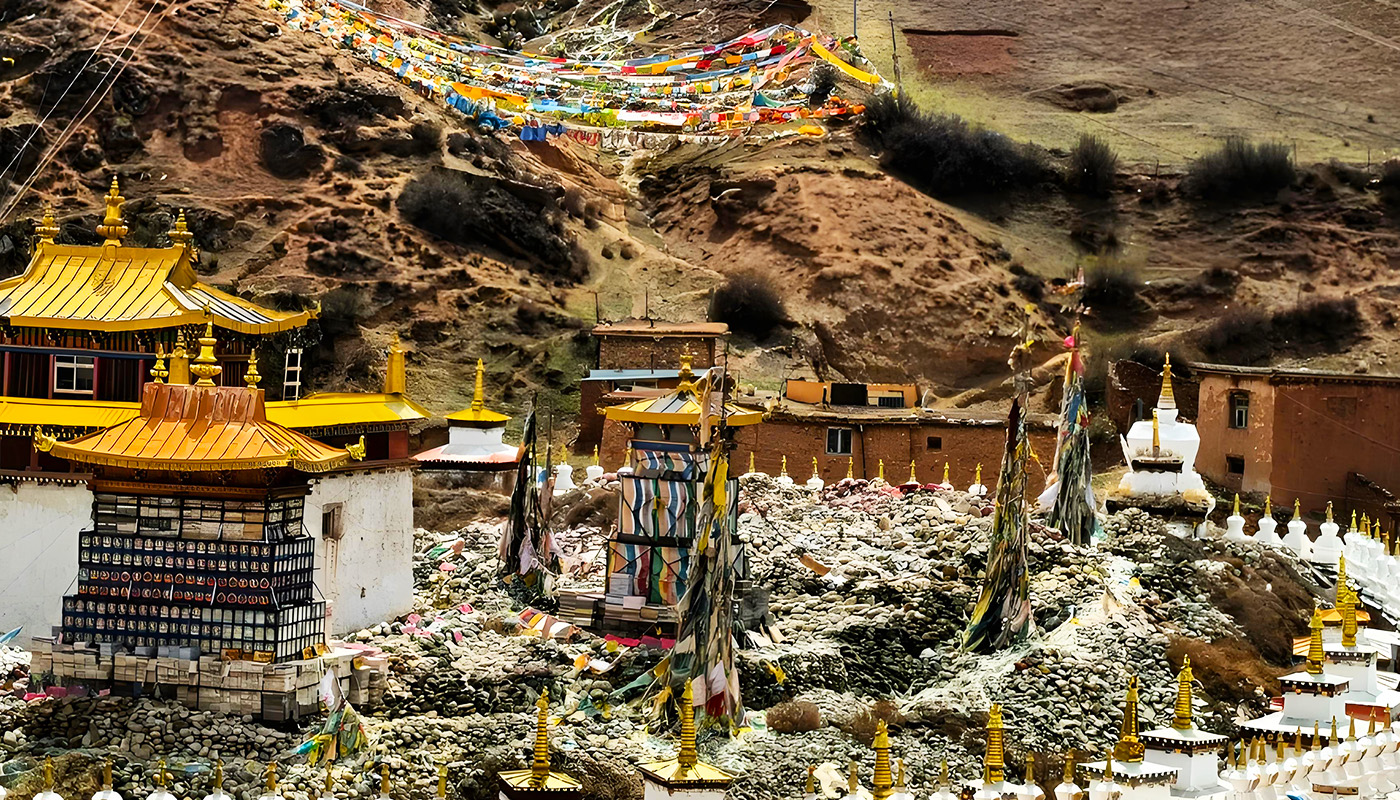
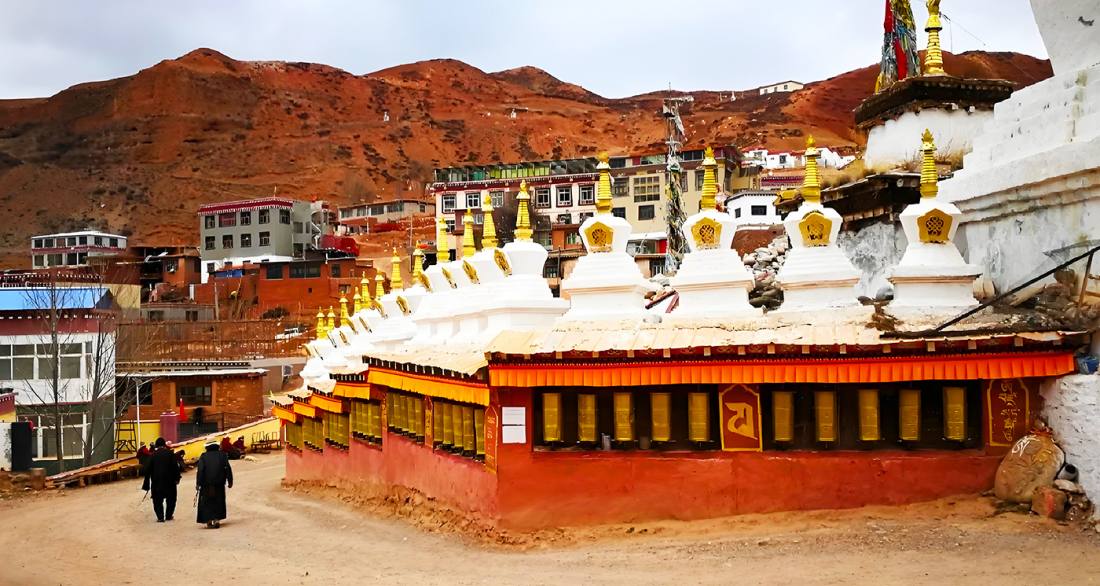
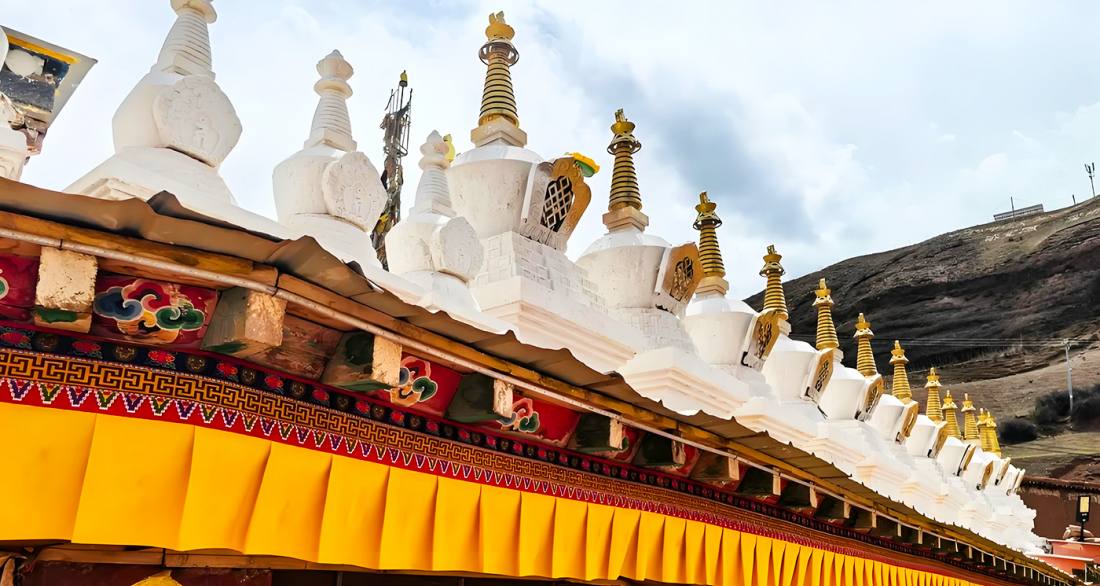
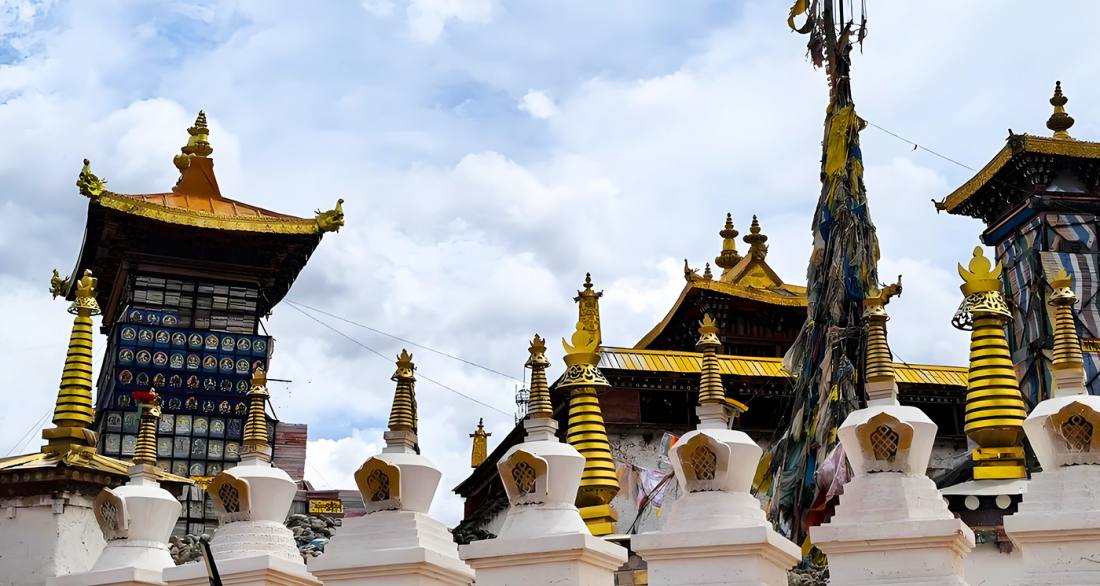
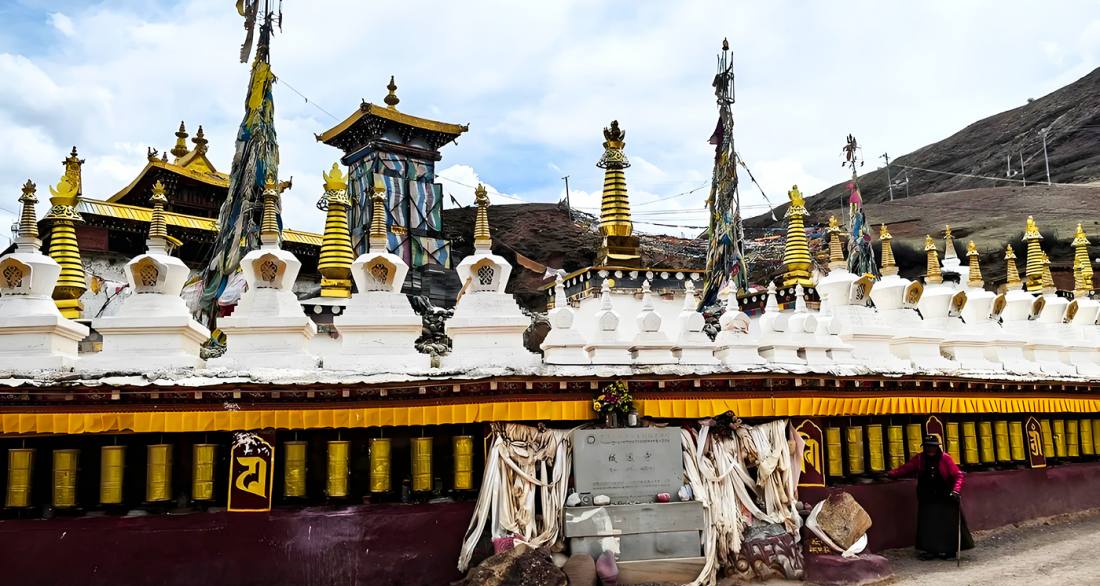
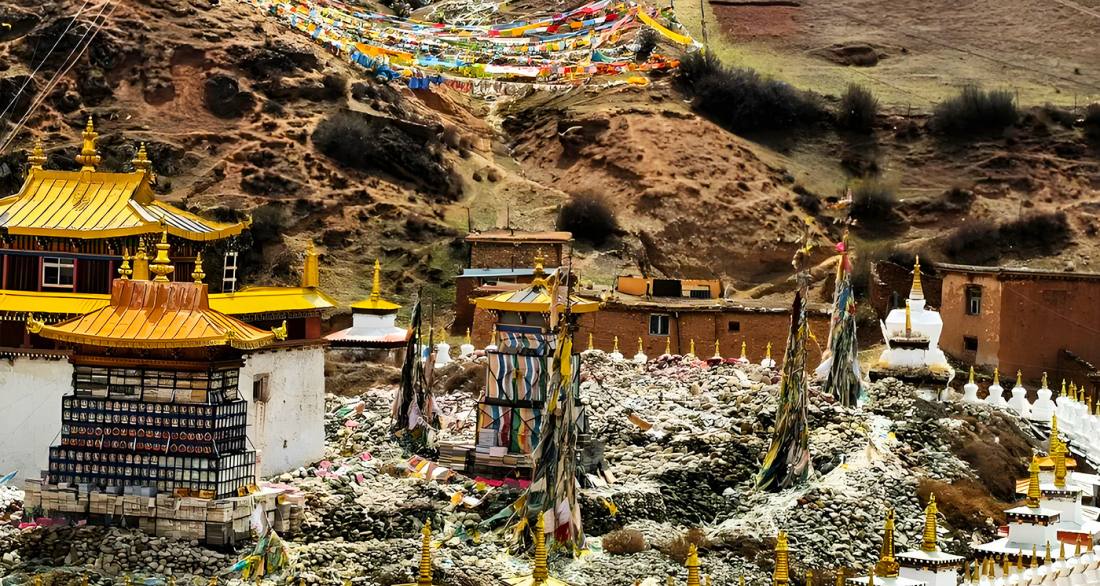
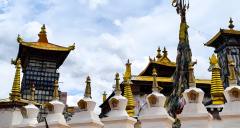
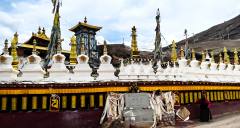
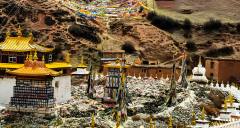
乃查姆瑪尼堆位於西藏昌都市丁青縣覺恩鄉絨通村的G317國道旁,是藏東地區規模最大的瑪尼石堆之一。據傳其起源與唐代文成公主進藏相關,公主途經時見虹霓顯聖,遂命名「花色聖地」並放置首塊經文石,由此形成千年信仰累積。石堆由數十萬塊刻滿經文、佛像的瑪尼石層層壘砌,周邊環繞經筒與經幡,信眾始終按順時針方向繞行祈福。作為持續生長的活態宗教場所,它融合了歷史傳說、壯觀石景與流動的信仰實踐,既是西藏民間宗教藝術的載體,也是茶馬古道上重要的精神地標。
The Naicham Mani Stone Mound is situated alongside National Highway G317 in Rongtong Village, Jue'en Township, Dengqen County, Chamdo, Tibet, and is one of the largest mani stone mounds in eastern Tibet. Legend traces its origins to Princess Wencheng of the Tang Dynasty during her journey to Tibet; witnessing a rainbow and sacred apparitions, she named the site “Flower-Colored Sacred Land” and placed the first inscribed stone, initiating a millennium-long accumulation of devotion. The mound consists of hundreds of thousands of mani stones meticulously carved with sutras and Buddha images, encircled by prayer wheels and prayer flags, with believers perpetually circumambulating it clockwise for blessings. As a continuously growing living religious site, it blends historical legend, awe-inspiring stone landscapes, and dynamic faith practices, serving both as a vessel for Tibetan folk religious art and a significant spiritual landmark along the ancient Tea-Horse Road.