

| 产品 | 提前预定时间 | 取消政策 | 原价 | 优惠价 | ||
|---|---|---|---|---|---|---|
| 产品 | 提前预定时间 | 取消政策 | 原价 | 优惠价 | ||
|---|---|---|---|---|---|---|
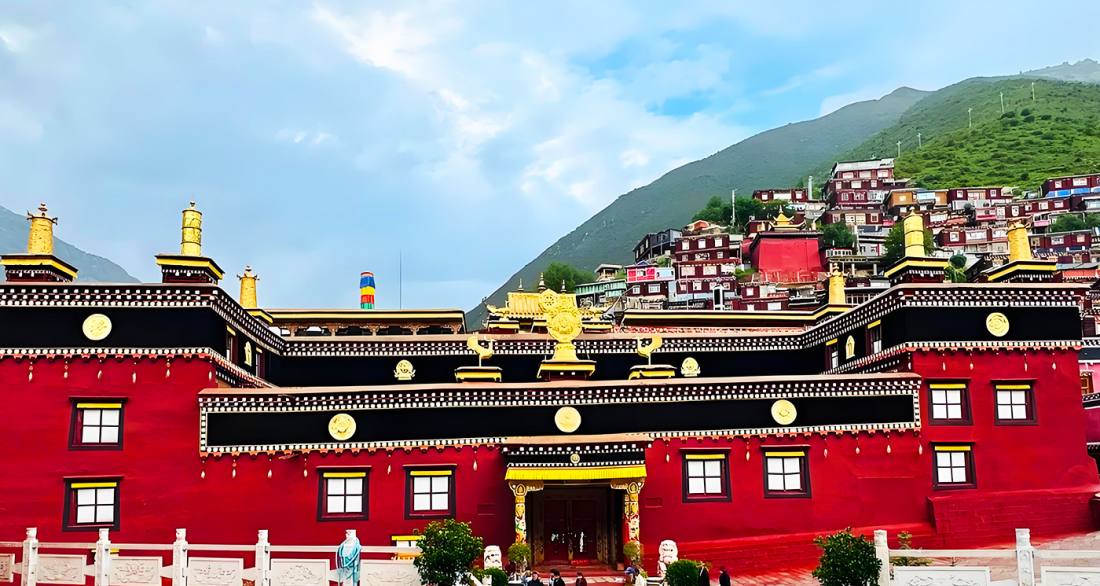
德格印經院為國家4A級景區,需購買門票,無需提前預約。開放時間為夏季08:30-11:30和14:00-16:30,冬季09:00-11:30和14:00-16:30。印經院位於四川省甘孜州德格縣巴宮街,因地處高海拔地區,參觀時請注意高原反應。院內嚴禁使用閃光燈拍照,不得觸摸經版或翻閱經書,禁止吸菸或大聲喧嘩。請遵守順時針參觀方向,女性遊客不得觸摸印刷用的硃砂顏料。為確保正常參觀,建議避開重大宗教活動期間前往。請尊重宗教信仰,自覺保護文物。
The Derge Printing Temple is a National 4A-level scenic area requiring ticket purchase but no advance reservation. Opening hours are 08:30-11:30 and 14:00-16:30 in summer, and 09:00-11:30 and 14:00-16:30 in winter. Located on Bagong Street in Derge County, Ganzi Prefecture, Sichuan Province, visitors should be mindful of altitude sickness due to its high elevation. Flash photography is strictly prohibited inside, and touching printing blocks or scriptures, smoking, and loud noise are forbidden. Follow the clockwise visiting direction, and female visitors are not permitted to touch the vermilion pigment used for printing. To ensure a smooth visit, it is advisable to avoid periods of major religious events. Respect religious beliefs and consciously protect cultural relics.
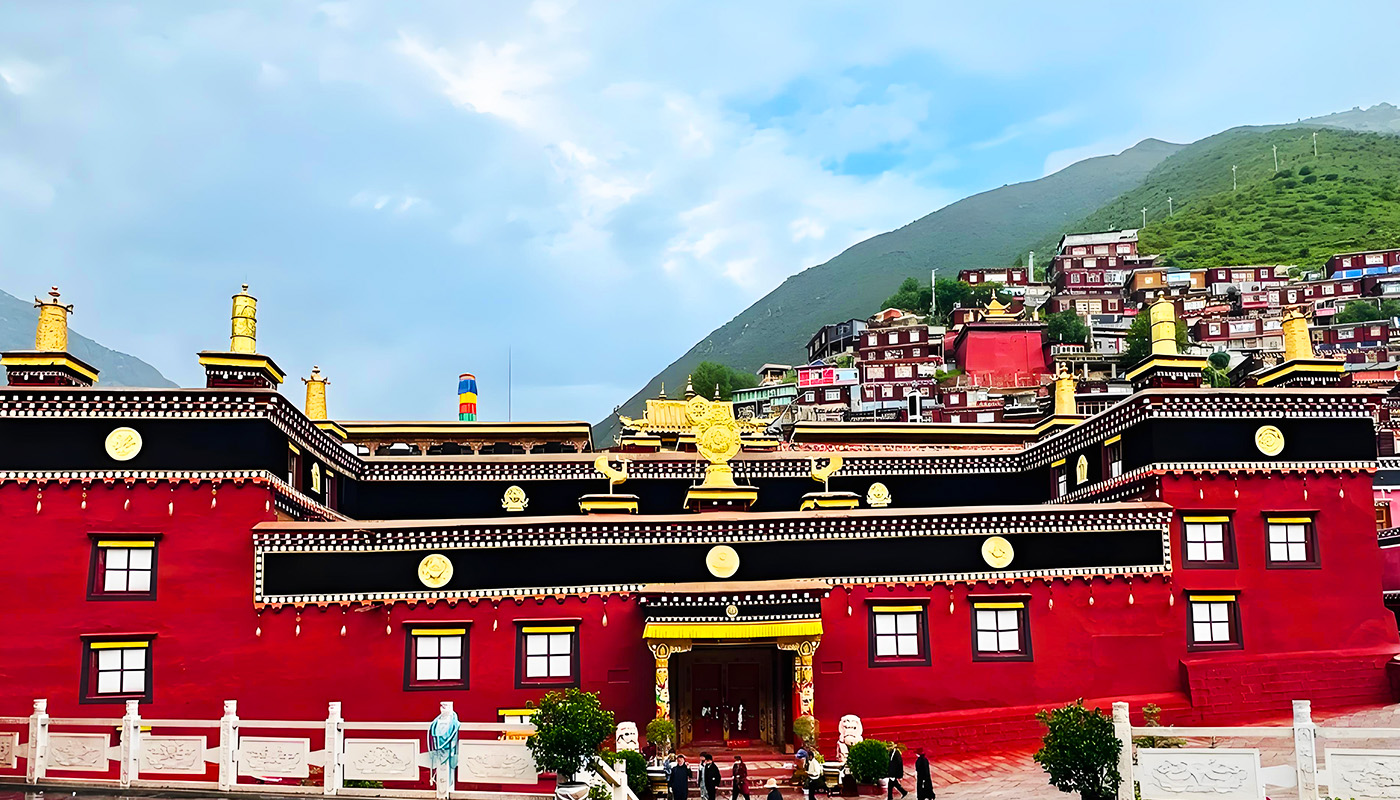
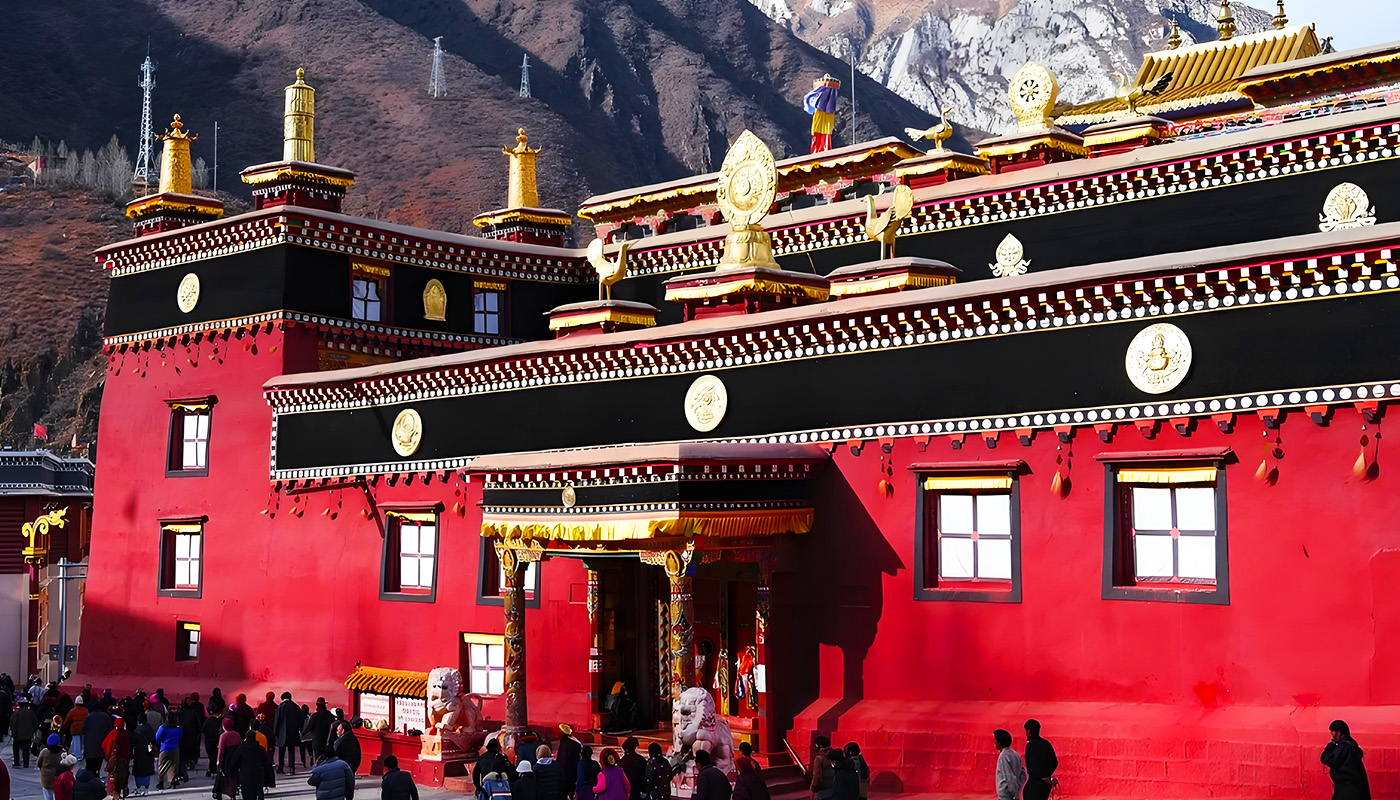
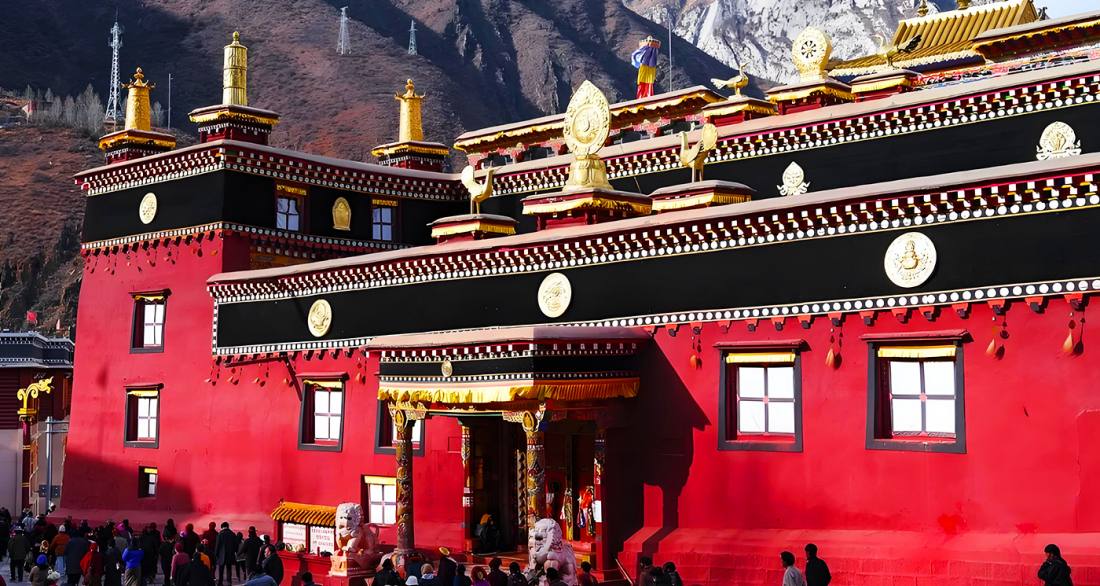
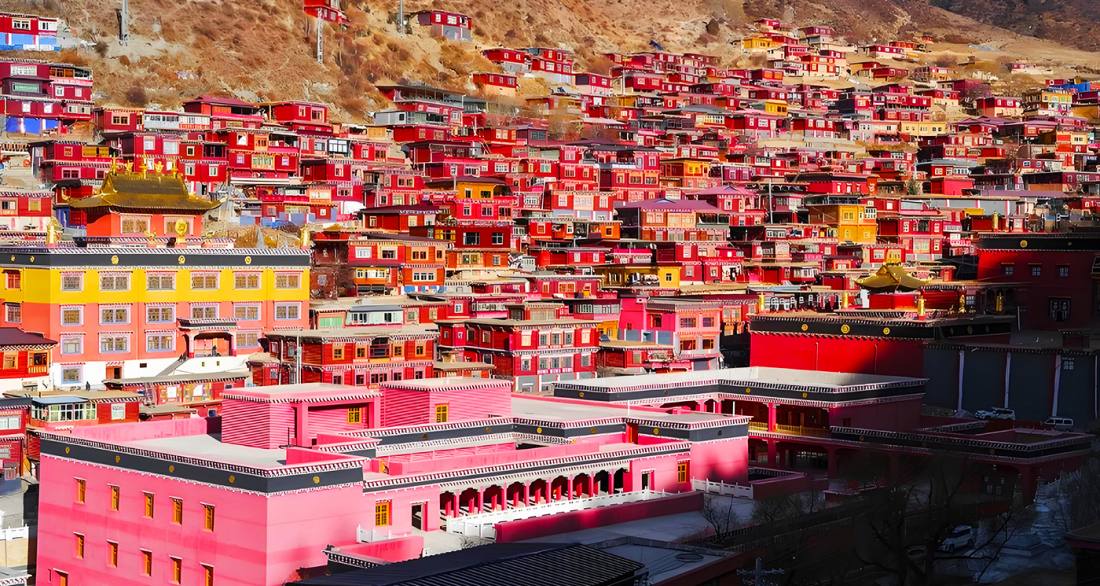
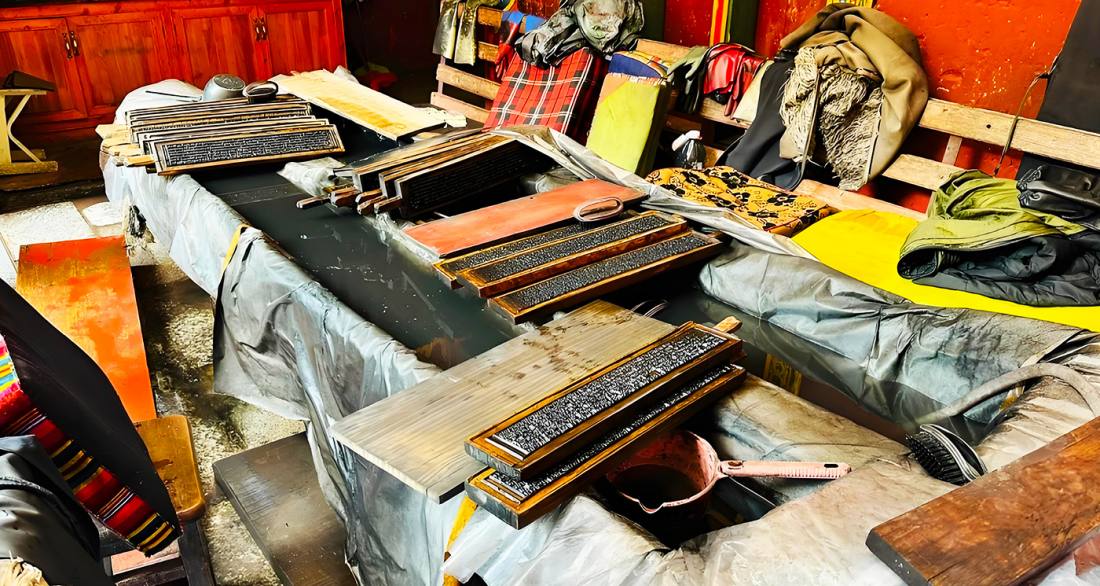
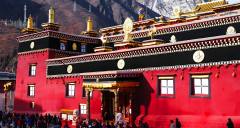
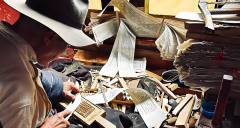
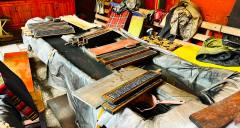
德格印經院位於四川省甘孜藏族自治州德格縣巴宮街,始建於清雍正七年(1729年),是國家4A級旅遊景區、全國重點文物保護單位,其雕版印刷技藝更被列入聯合國非物質文化遺產名錄。作為全球規模最大、藏品最完整的藏文木刻印經院,它保存著32萬餘塊珍貴印版,內容涵蓋佛學、藏醫藥、天文曆算、歷史文學等領域,被譽為“藏文化大百科全書”。院內至今完整傳承著手工造紙、雕版、印刷、裝幀的傳統工藝流程,是全世界唯一仍在持續運用傳統雕版印刷技藝的“活態博物館”。其建築融合藏漢風格,設有藏版庫、紙庫、洗版台等功能區。印經院秉持兼容並蓄的理念,收藏著藏傳佛教薩迦、寧瑪、噶舉、格魯等各教派的經典文獻,成為跨教派的文化寶庫,也是研究藏族文明、宗教、科技與藝術的核心學術殿堂。
The Derge Printing Temple, located on Bagong Street in Derge County, Ganzi Tibetan Autonomous Prefecture, Sichuan Province, was founded in 1729 during the Qing Dynasty. Designated as a National 4A-level tourist attraction and a National Key Cultural Relics Protection Unit, its woodblock printing technique is also inscribed on UNESCO’s Representative List of Intangible Cultural Heritage of Humanity. As the world’s largest and most complete repository of Tibetan woodblock prints, it preserves over 320,000 precious printing plates covering fields such as Buddhist studies, Tibetan medicine, astronomy-calendrical calculation, history, and literature, earning it the title "Encyclopedia of Tibetan Culture." To this day, the temple maintains the complete traditional craftsmanship of handmade papermaking, block carving, printing, and bookbinding, making it the world's only "living museum" that continues to practice traditional woodblock printing techniques. Its architecture blends Tibetan and Han styles, featuring functional areas including plate storage rooms, paper warehouses, and plate-washing platforms. Guided by an inclusive ethos, the temple houses canonical texts from various Tibetan Buddhist schools—including Sakya, Nyingma, Kagyu, and Gelug—establishing itself as a cross-sectarian cultural treasury and a core academic institution for the study of Tibetan civilization, religion, science, and art.