
| 产品 | 提前预定时间 | 取消政策 | 原价 | 优惠价 | ||
|---|---|---|---|---|---|---|
| 产品 | 提前预定时间 | 取消政策 | 原价 | 优惠价 | ||
|---|---|---|---|---|---|---|
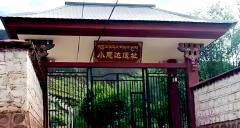
恩達遺址無需預約,但建議出發前確認開放狀態。遺址位於昌都市卡若區近郊,需自駕前往,部分路段崎嶇。參觀時請沿劃定路線行走,禁止挖掘、踩踏考古區域。請勿觸碰或帶走任何文物碎片,拍攝需遵守現場告示。注意防曬防塵,建議自帶飲用水。
The Enda Site requires no reservation, but it is advisable to confirm its accessibility before departure. Located in the outskirts of Karuo District, Chamdo City, the site is accessible by self-driving, though some sections of the road are rugged. Visitors must follow marked paths and are prohibited from digging or trampling on archaeological areas. Do not touch or remove any artifact fragments, and adhere to on-site signage regarding photography. Sunscreen and dust protection are recommended, and bringing your own drinking water is advised.
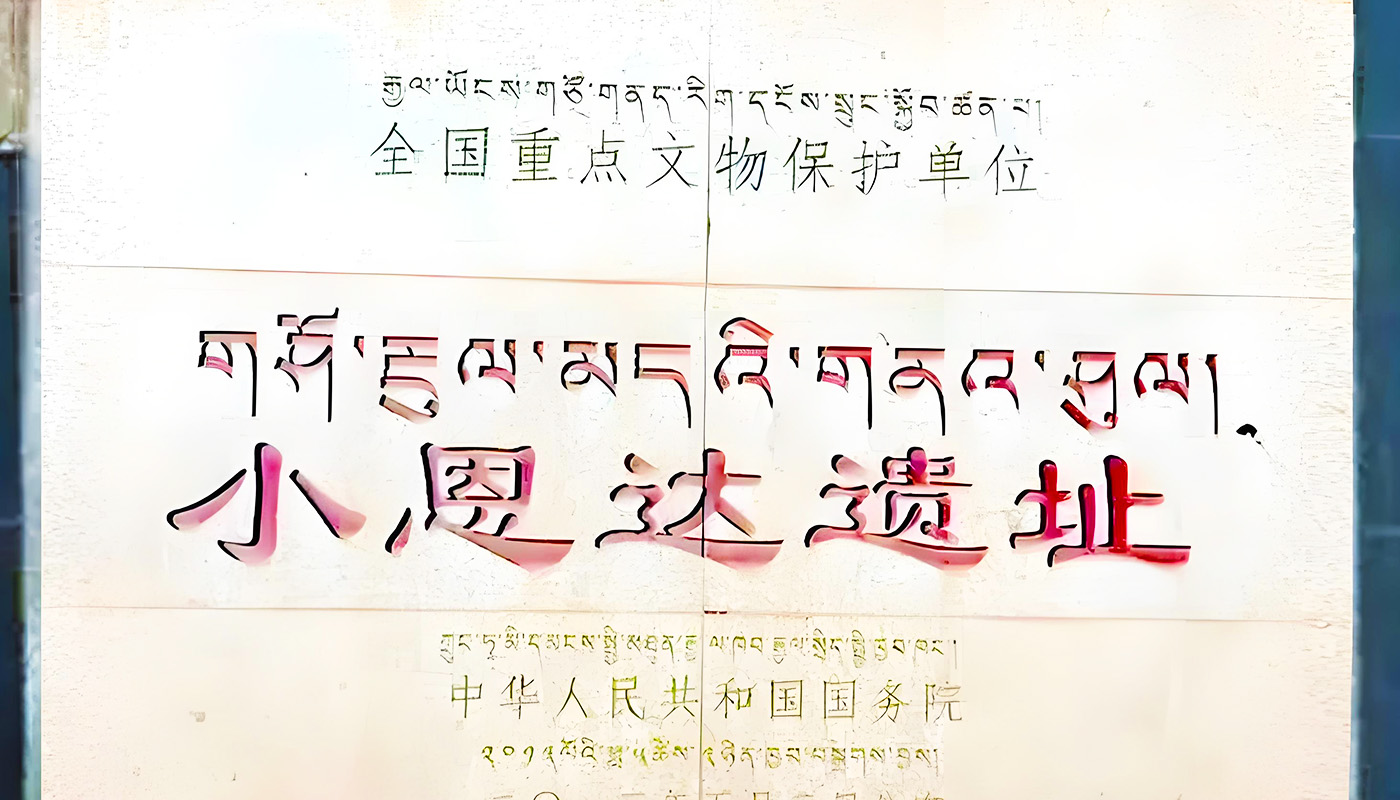
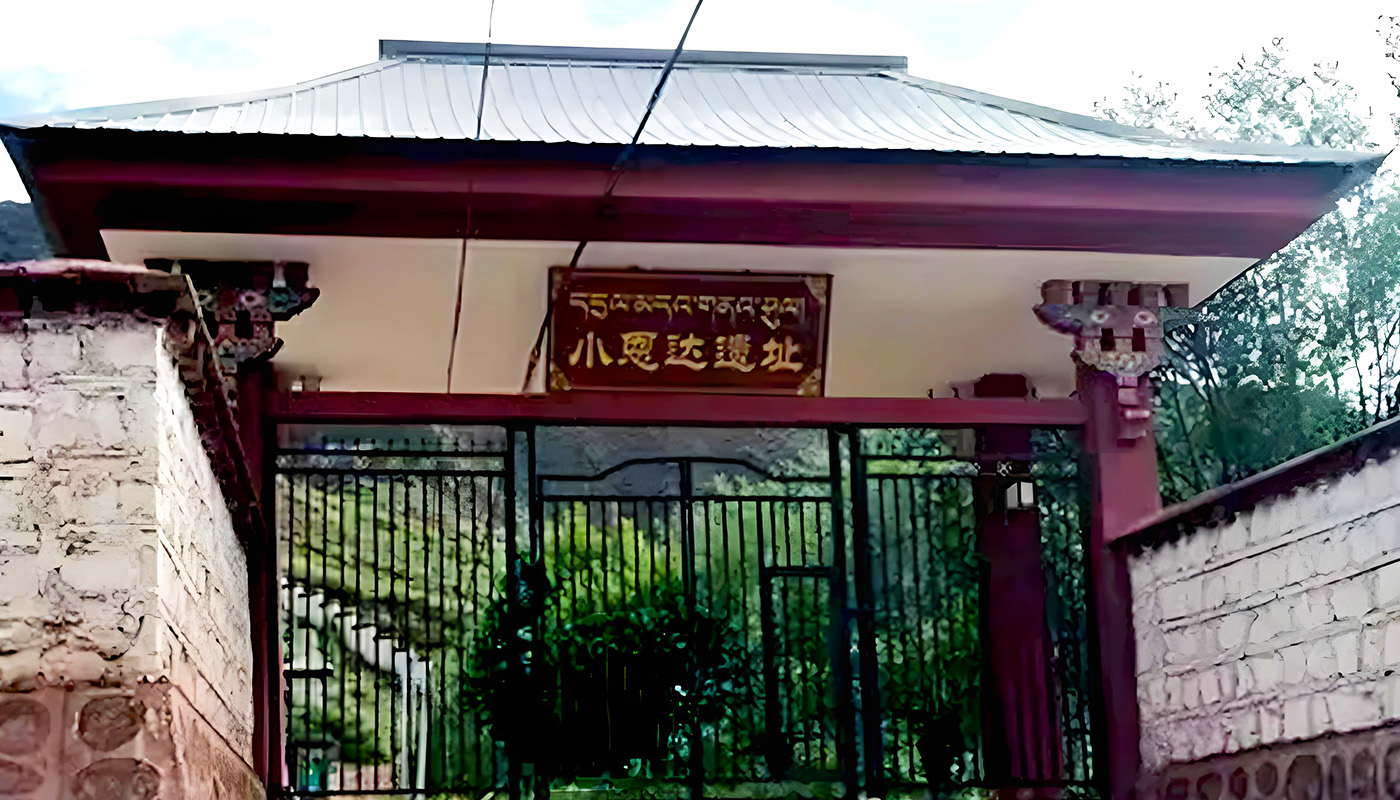
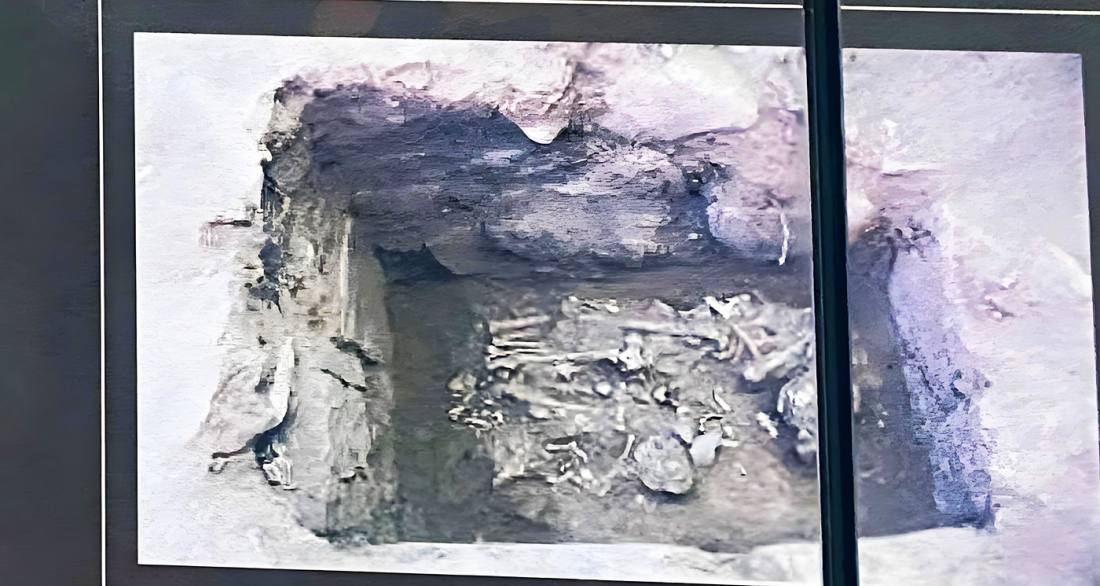
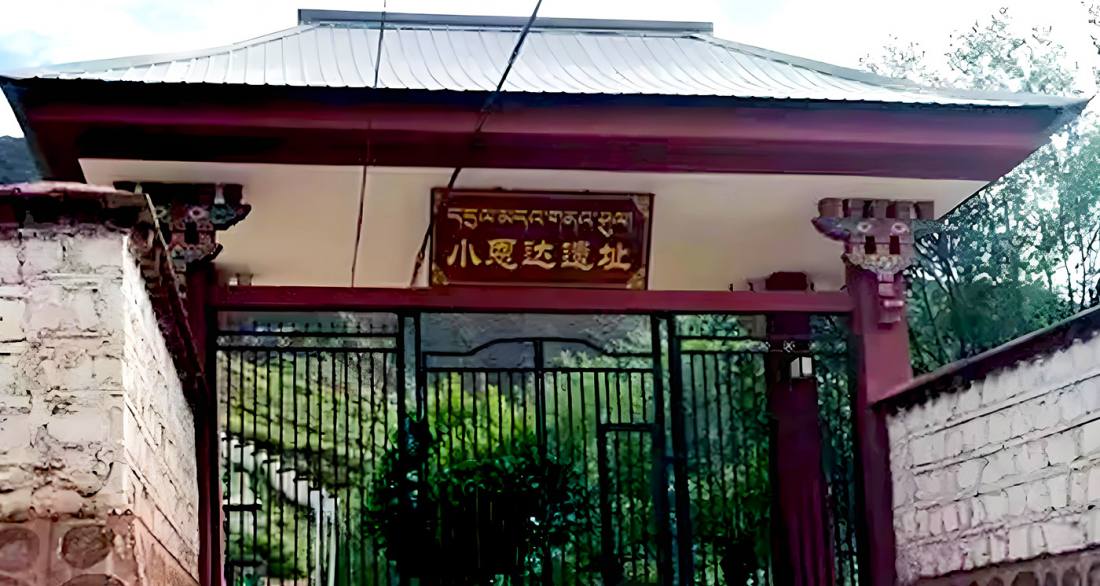
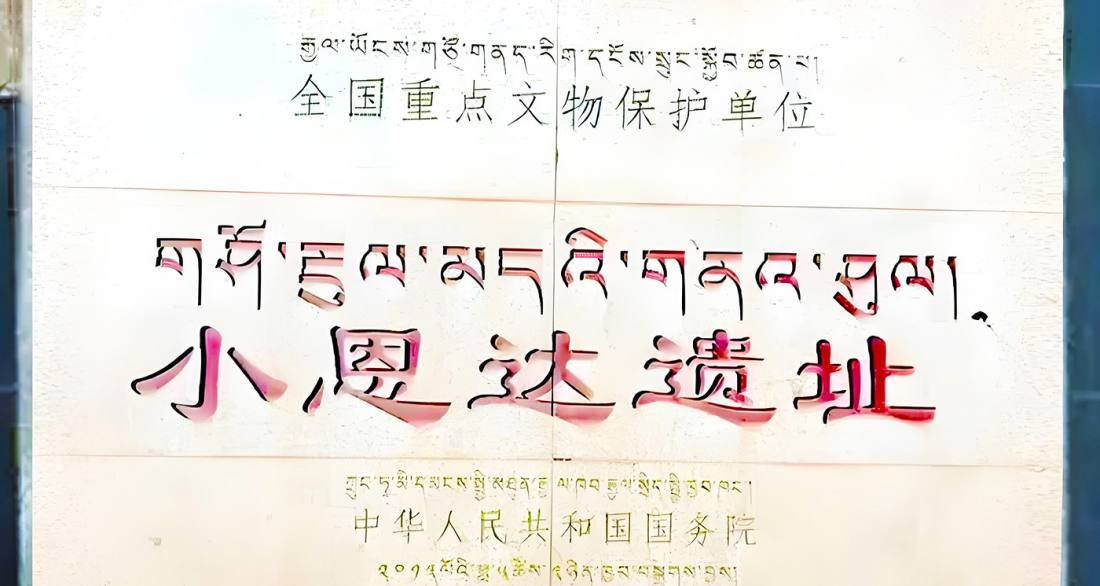
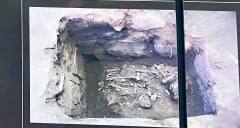
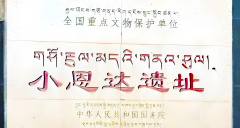
恩達遺址位於西藏昌都市卡若區昂曲河東岸,是距今約數千年的新石器時代晚期遺址,後被列為全國重點文物保護單位。遺址面積廣闊,出土房址、灰坑、窖穴及打制石器、磨制石器、骨器等文物,揭示出以農業為主的定居生活形態。其文化內涵屬卡若文化範疇,同時與黃河中上游地區文化存在聯繫,為研究西藏早期文明與中原文化交流提供了關鍵實證。
The Enda Site is located on the east bank of the Angqu River in Karuo District, Chamdo, Tibet, representing a late Neolithic site dating back several thousand years. It has since been designated as a National Key Cultural Relics Protection Unit. The site covers an extensive area, with excavations uncovering house foundations, ash pits, storage pits, and artifacts such as chipped stone tools, polished stone tools, and bone objects, revealing an agricultural-based settled lifestyle. Its cultural attributes belong to the Karuo Culture sphere while also demonstrating connections with the cultures of the middle and upper Yellow River regions, providing key evidence for studying early Tibetan civilization and its interactions with Central Plains cultures.