

| 产品 | 提前预定时间 | 取消政策 | 原价 | 优惠价 | ||
|---|---|---|---|---|---|---|
| 产品 | 提前预定时间 | 取消政策 | 原价 | 优惠价 | ||
|---|---|---|---|---|---|---|
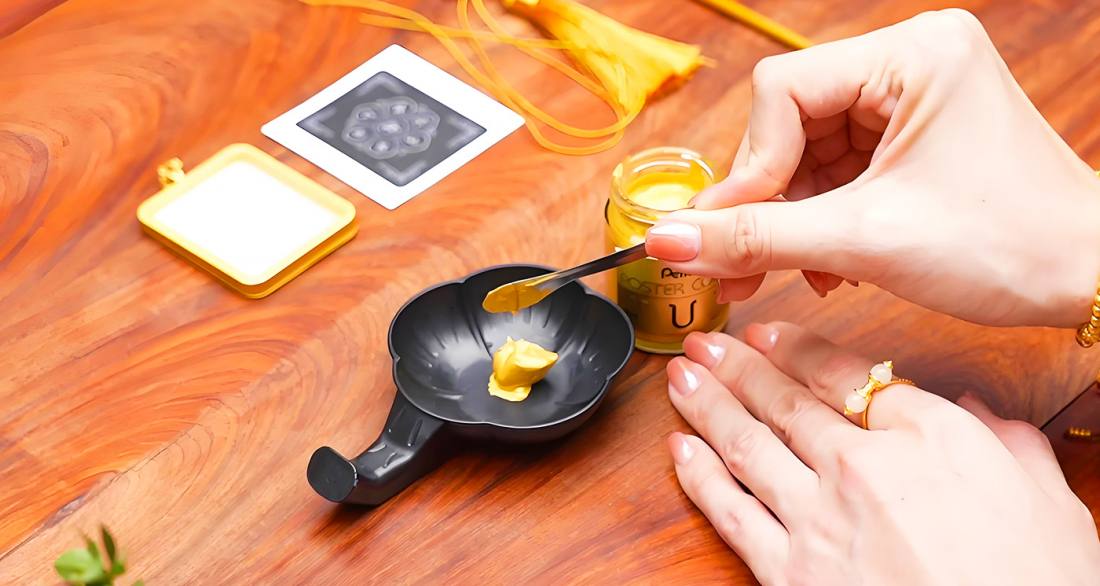
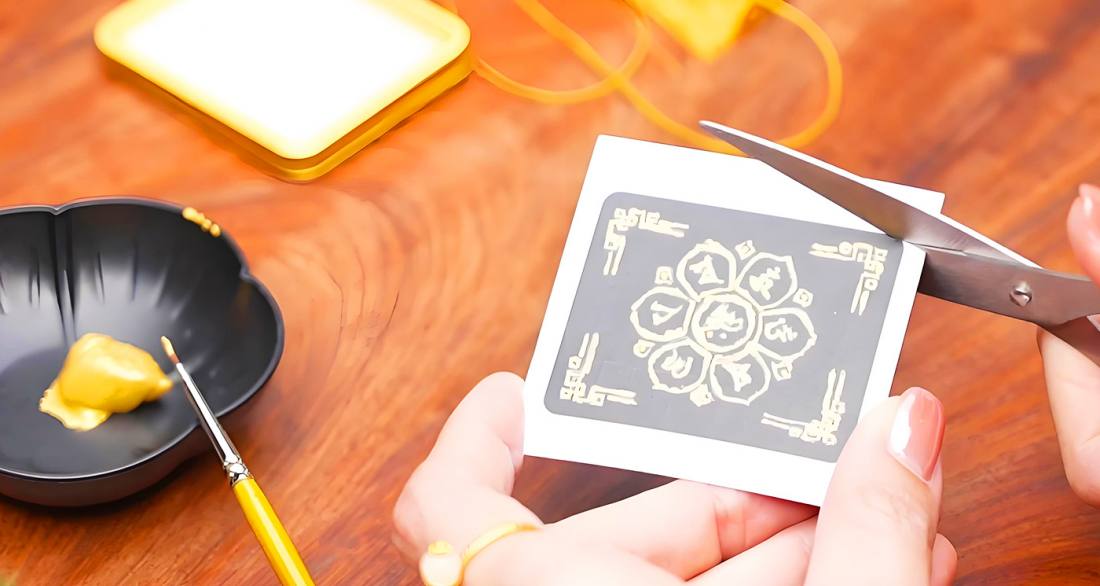
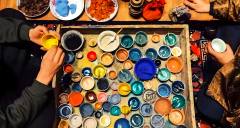
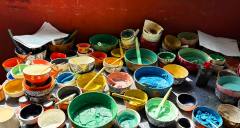
唐卡繪製體驗通常需提前3-7天預約,部分工作室要求提供參與者姓名用於經文祈福。課程時長約2-4小時,建議選擇上午光線充足時段。體驗地點多集中在拉薩八廓街、夏寺周邊及日喀則的傳統作坊。參與者需身著素色寬鬆衣物,不得佩戴戒指等飾品。繪製全程禁止吸煙飲酒,未經許可不得拍攝未完成的唐卡作品。天然礦物顏料可能導致過敏,請提前告知體質狀況。基礎體驗課通常教授蓮花、寶瓶等吉祥圖案描金技法,複雜佛像繪製需多次課程學習。建議攜帶近視眼鏡者備用擦拭布。
Thangka painting experiences generally require advance booking 3-7 days prior, with some studios requesting participants' names for scripture blessings. Sessions last approximately 2-4 hours; morning slots with ample natural light are recommended. Experiences are commonly held in traditional workshops around Barkhor Street and Xia Temple in Lhasa, as well as in Shigatse. Participants should wear plain, loose-fitting clothing and avoid wearing accessories such as rings. Smoking and alcohol consumption are prohibited throughout the session, and photographing unfinished thangkas is not allowed without permission. Natural mineral pigments may cause allergic reactions; please notify the studio of any sensitivities in advance. Basic workshops typically teach gilding techniques for auspicious motifs like lotuses and treasure vases, while intricate Buddha figures require multiple sessions. Those who wear glasses are advised to bring a cleaning cloth.
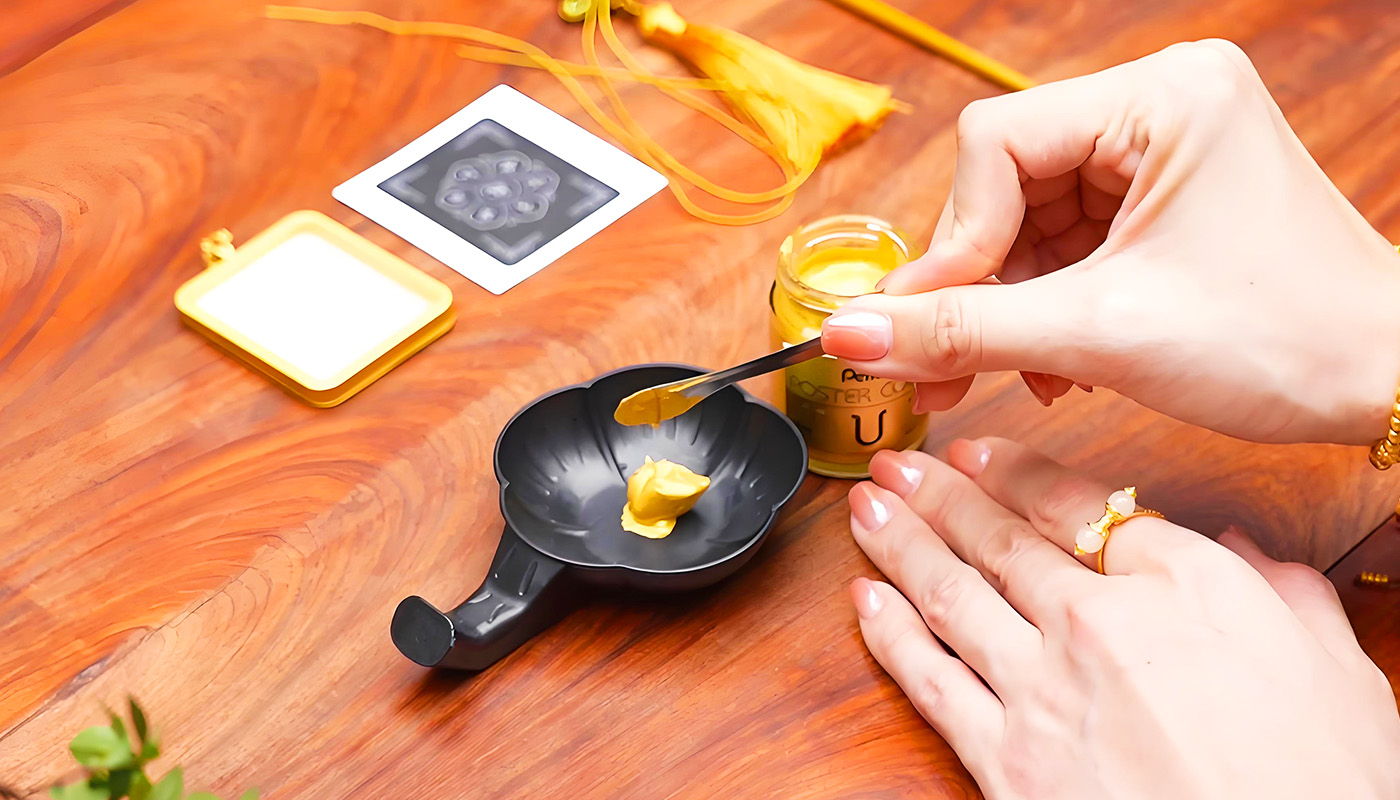
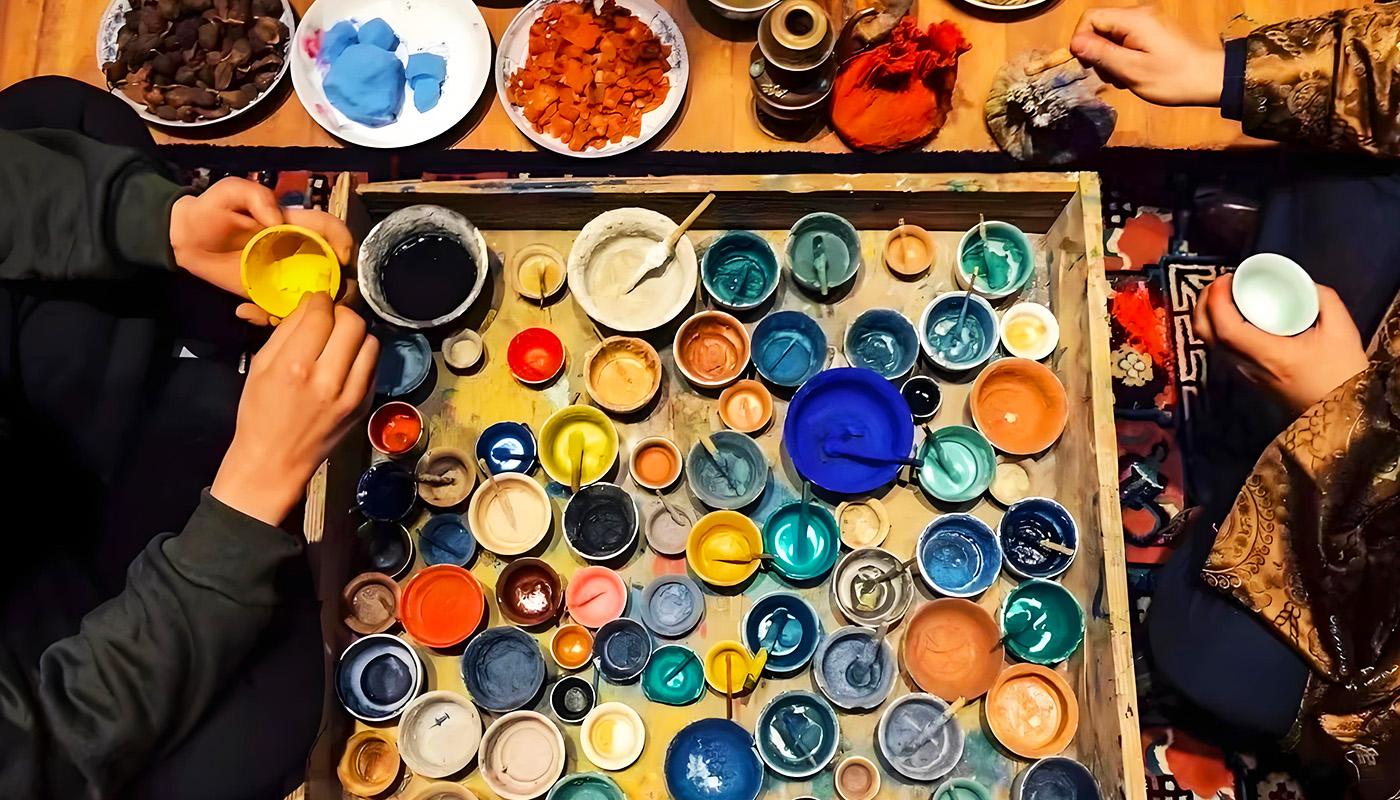
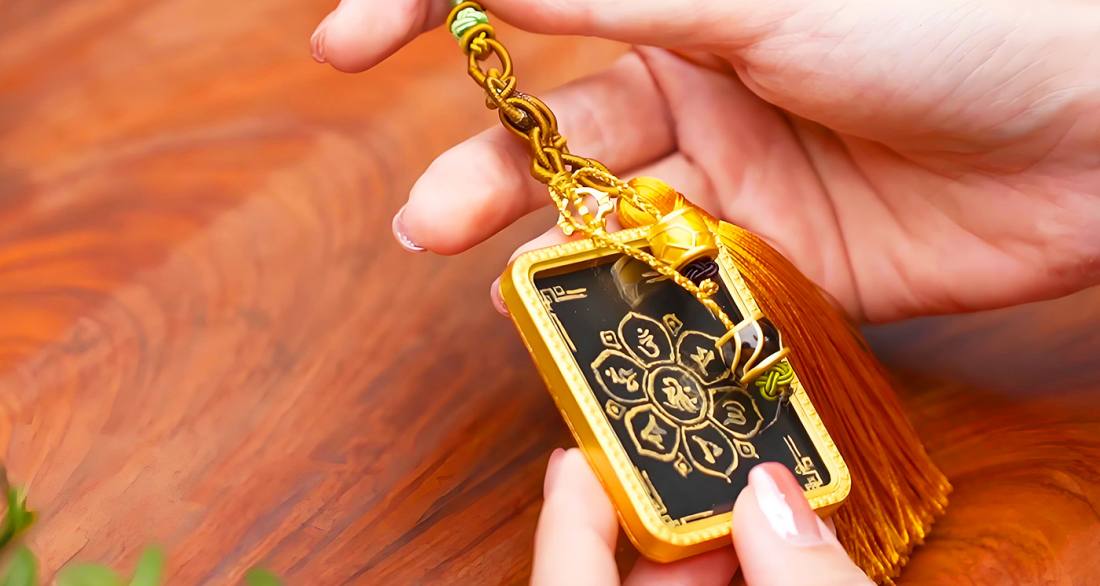
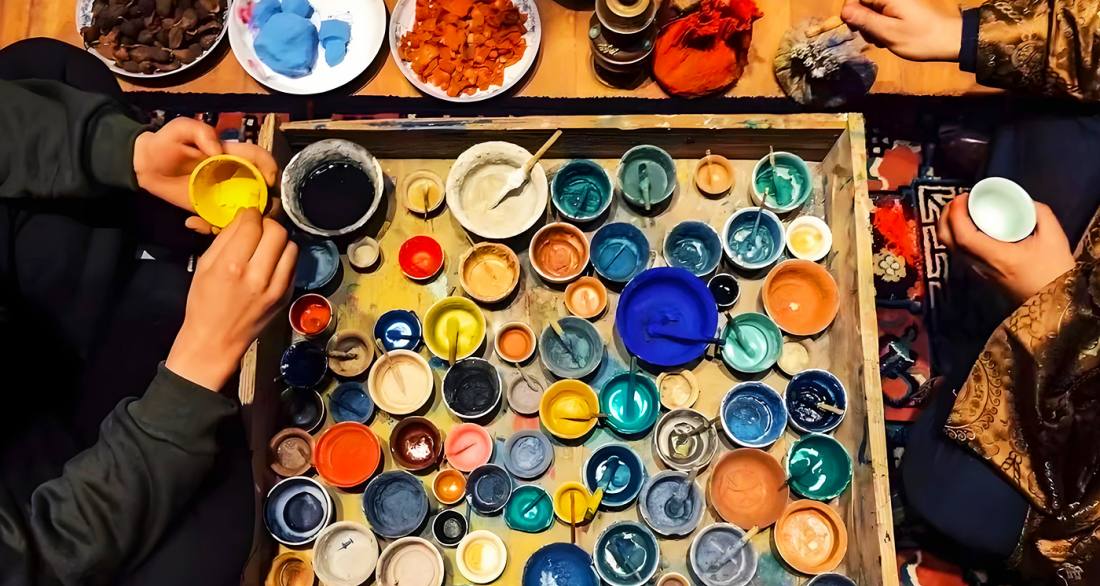
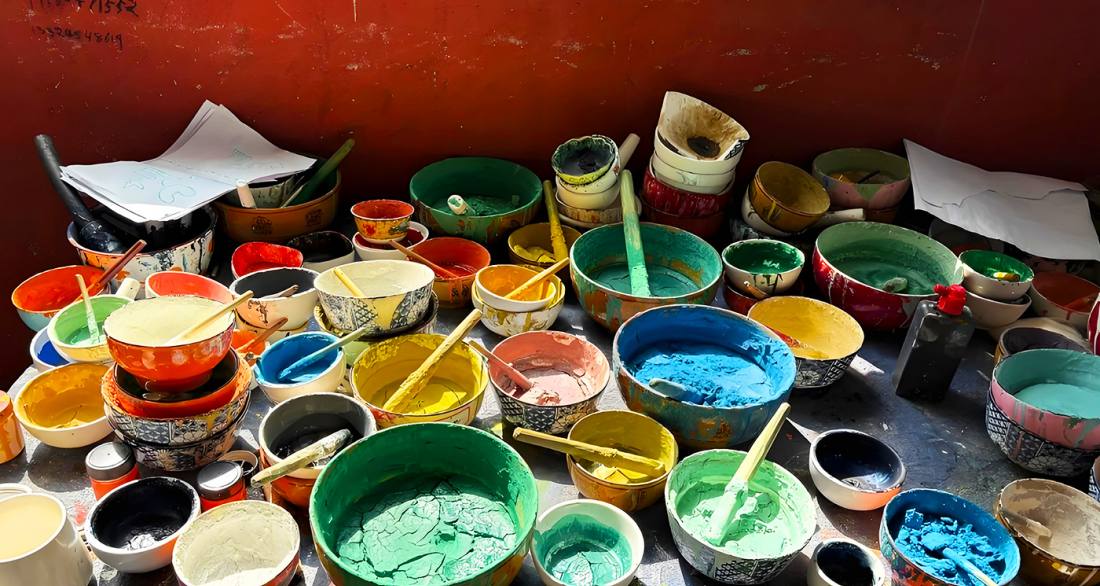
唐卡繪製體驗是深入西藏文化藝術的核心實踐,通常在拉薩八廓街或日喀則的傳統工坊進行。參與者將在畫師指導下,學習使用天然礦物顏料,依照《造像量度經》的比例規範,在特製畫布上繪製簡化吉祥圖案。體驗課全程貫穿著藏傳佛教儀軌,從誦經淨化畫筆到為顏料加持,每個步驟都蘊含著宗教意義。初學者多從描金蓮花、八瑞相紋樣入手,掌握研磨顏料、勾線平染等基礎技法。通過親手觸碰千年傳承的繪畫語言,不僅能理解唐卡「以畫修行」的精神內核,更能將這份融合信仰與美學的獨特紀念帶回家中。
The thangka painting experience is an immersive practice at the heart of Tibetan cultural art, typically conducted in traditional workshops along Barkhor Street in Lhasa or in Shigatse. Under the guidance of a master painter, participants learn to use natural mineral pigments and follow the proportional standards outlined in the Treatise on Iconometry to paint simplified auspicious patterns on specially prepared canvas. The entire workshop is infused with Tibetan Buddhist rituals—from purifying brushes with sutra recitation to consecrating the pigments—imbuing each step with religious significance. Beginners often start with gilded lotus flowers or the Eight Auspicious Symbols, mastering foundational techniques such as grinding pigments, outlining, and flat-wash coloring. By physically engaging with this millennia-old pictorial language, participants not only grasp the spiritual core of thangka as "painting as meditation" but also take home a unique memento that blends faith and aesthetics.