

| 产品 | 提前预定时间 | 取消政策 | 原价 | 优惠价 | ||
|---|---|---|---|---|---|---|
| 产品 | 提前预定时间 | 取消政策 | 原价 | 优惠价 | ||
|---|---|---|---|---|---|---|
怒江72拐為免費開放的國道路段,全天可通行,無需預約。該路段位於西藏昌都市八宿縣境內,屬於G318國道邦達鎮至八宿縣城之間的核心險峻路段。因彎道密集、海拔起伏大,駕駛需格外謹慎,建議使用性能良好的車輛並檢查刹車系統。行車時請控制車速,尤其在雨雪天氣需減速慢行。沿途設有觀景台可供停車拍照,請勿在彎道處隨意停車。由於地處高海拔區域,請注意防範高原反應。請勿向車窗外丟棄垃圾,共同保護自然環境。
The Nujiang 72 Bends is a freely accessible national highway section open 24/7, requiring no reservation. Located within Baxoi County, Chamdo, Tibet, it forms a core challenging segment of National Highway G318 between Bangda Town and Baxoi County Seat. Due to its dense series of bends and significant altitude fluctuations, extreme caution is advised while driving. It is recommended to use a vehicle in good condition and check the braking system beforehand. Maintain controlled speed, especially during rain or snow. Scenic viewpoints along the route allow for parking and photography; avoid stopping randomly on the bends. As the area is at high altitude, precautions against altitude sickness should be taken. Do not litter out of car windows to help protect the natural environment.
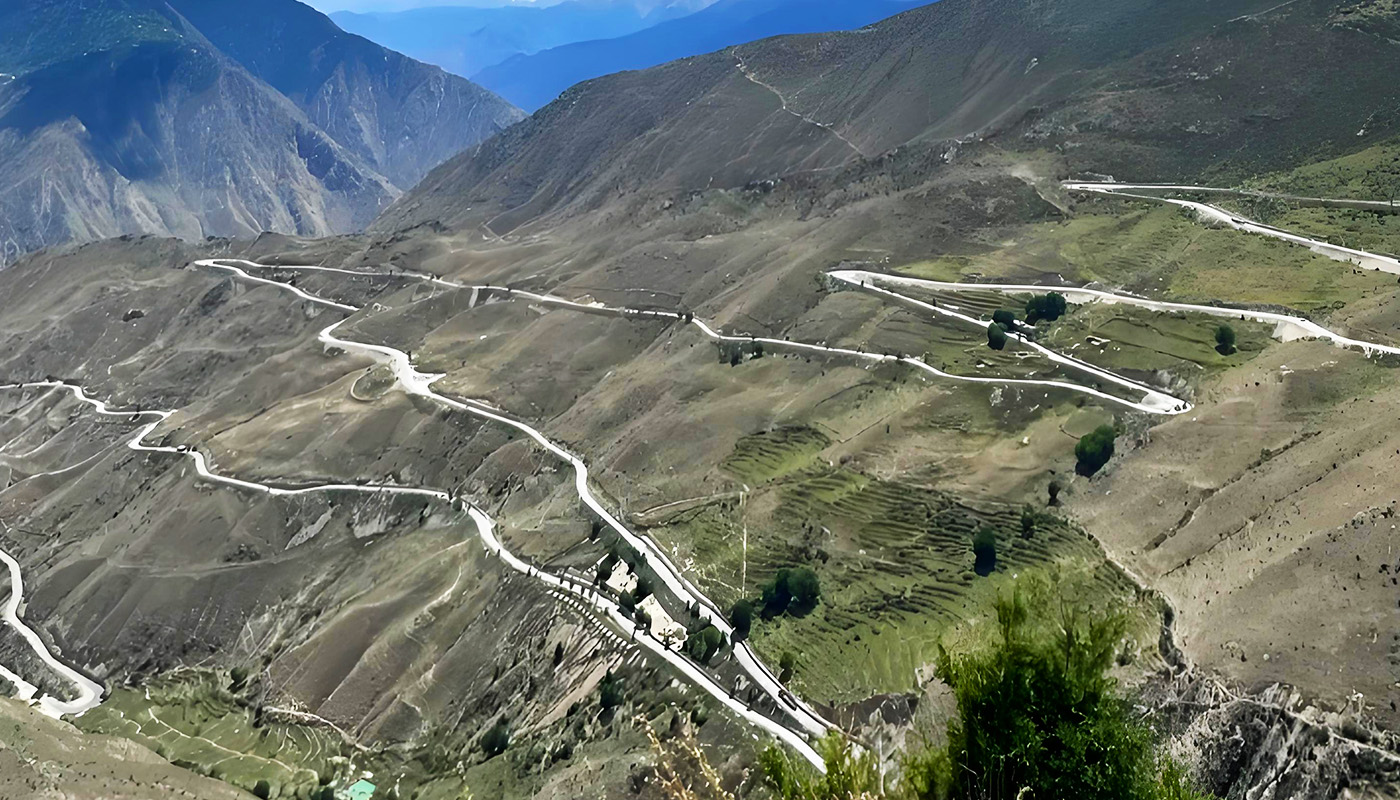
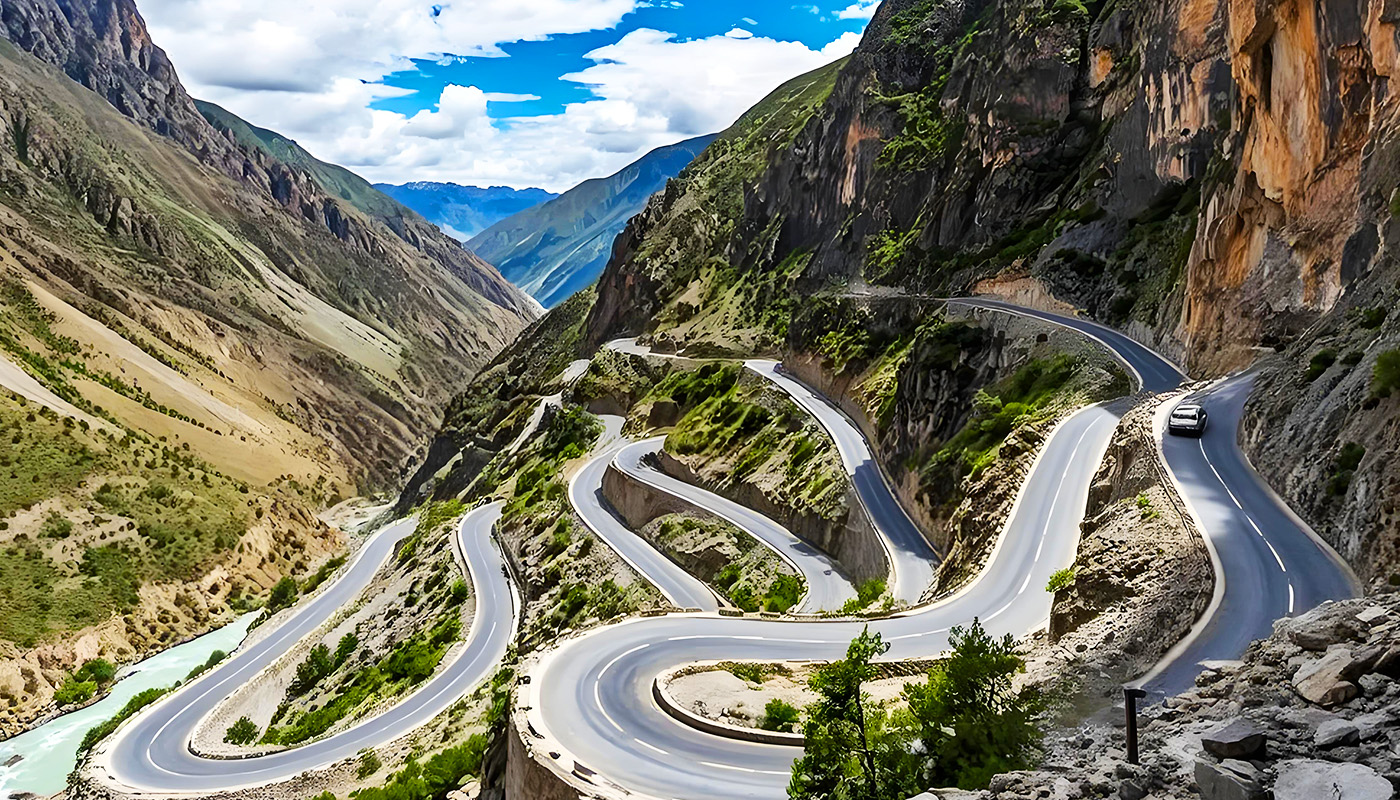
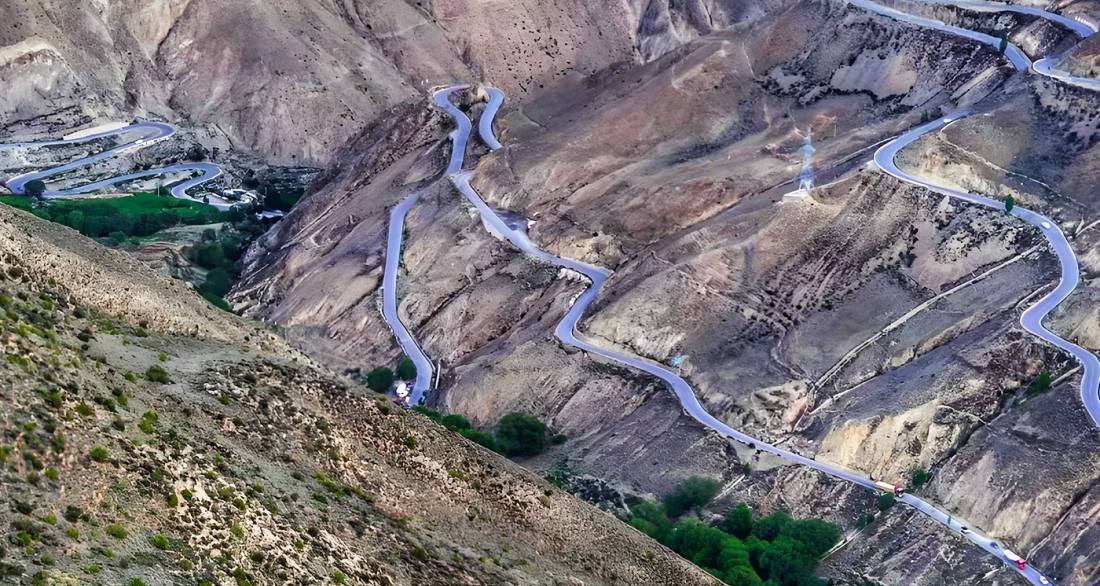
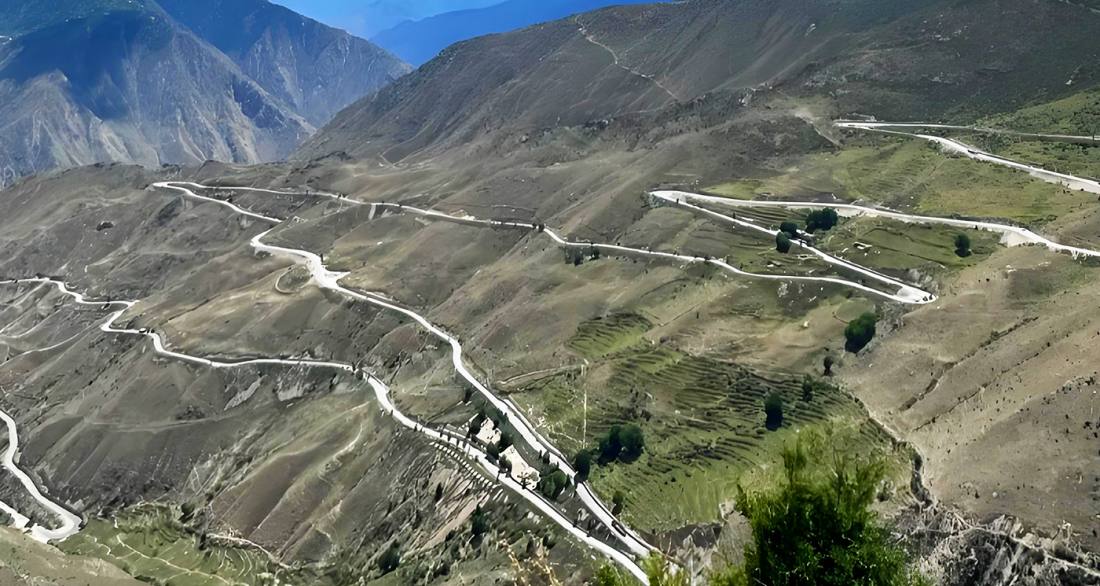
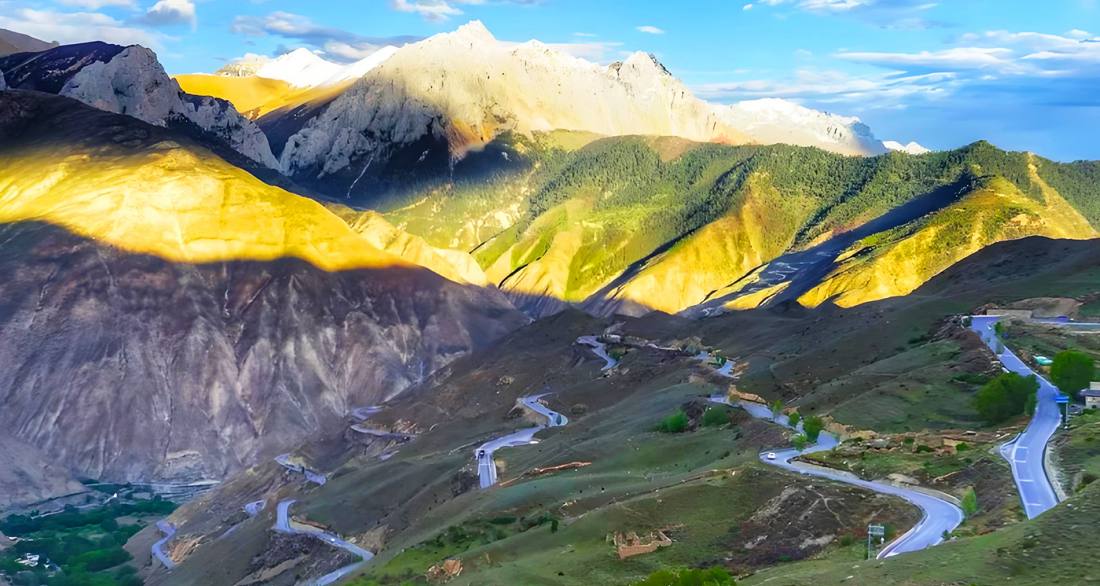
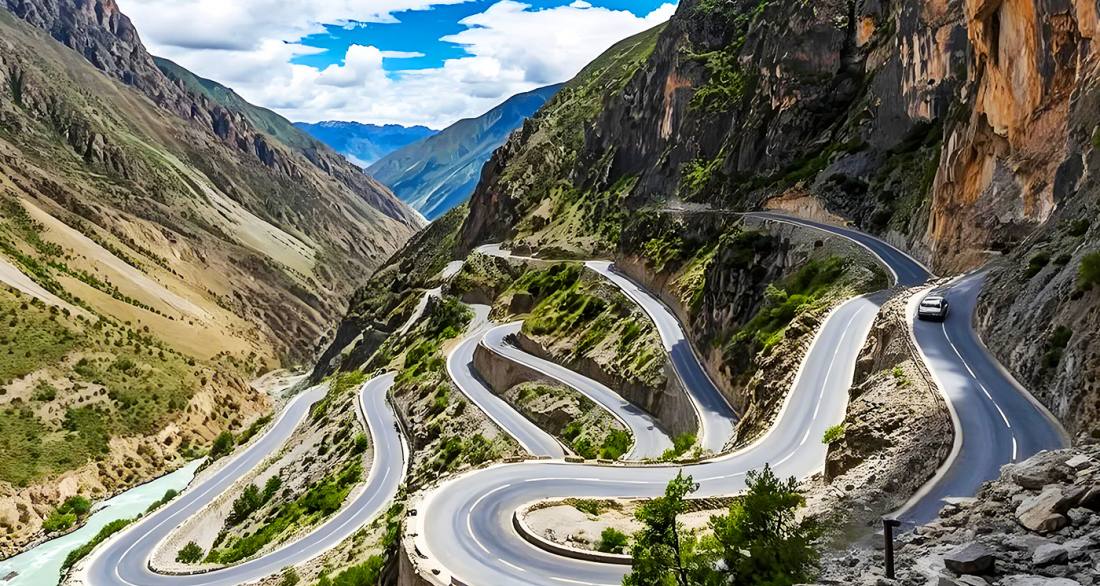
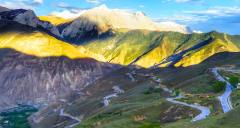
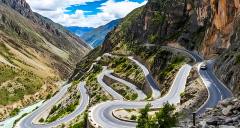
怒江72拐位於西藏昌都市八宿縣境內的G318國道上,是從邦達鎮翻越業拉山至怒江河谷的險峻路段。這段公路在約12公里內急劇下降近1500米,以連續不斷的「之」字形急彎聞名,實際彎道數量超百個,是川藏南線最具挑戰性的公路奇觀之一。沿途可俯瞰怒江大峽谷的磅礡氣勢,業拉山埡口的觀景台是拍攝蜿蜒公路與雪山同框的經典機位。作為進藏公路的地標性工程,它見證了築路的艱辛,也承載著「走過彎路,人生坦途」的旅行哲思,現已成為自駕和騎行愛好者挑戰自我、領略藏東南壯麗山河的必經之路。
The Nujiang 72 Bends, situated along National Highway G318 within Baxoi County, Chamdo, Tibet, is a perilous stretch of road traversing from Bangda Town over Yela Mountain down to the Nujiang River Valley. This segment plunges nearly 1,500 meters within approximately 12 kilometers, famed for its continuous series of hairpin turns—with the actual number of bends exceeding a hundred—making it one of the most challenging road marvels on the southern Sichuan-Tibet route. Along the way, one can overlook the majestic expanse of the Nujiang Grand Canyon, while the viewing platform at Yela Mountain Pass offers a classic vantage point to photograph the winding road framed by snow-capped peaks. As a landmark engineering feat on the route into Tibet, it bears witness to the hardships of road construction and embodies the travel philosophy that "navigating life's bends leads to smooth roads ahead." Today, it has become an essential passage for self-drive and cycling enthusiasts seeking to challenge themselves and experience the spectacular landscapes of southeastern Tibet.