
| 产品 | 提前预定时间 | 取消政策 | 原价 | 优惠价 | ||
|---|---|---|---|---|---|---|
| 产品 | 提前预定时间 | 取消政策 | 原价 | 优惠价 | ||
|---|---|---|---|---|---|---|
鹽井鹽田為AAAA級景區,門票約90元,開放時間通常為8:00-17:00。景區位於昌都市芒康縣納西鄉瀾滄江畔,建議自駕沿G214國道前往。參觀時請勿隨意觸碰鹽田設施或干擾村民曬鹽作業,拍攝當地居民需先徵得同意。江邊棧道濕滑,需注意安全。尊重文化習俗,西藏唯一的天主教堂位於鹽井村內可一併參觀。高原紫外線強烈,請做好防曬措施。
Yanjing Salt Terraces is a AAAA-level scenic area with an admission fee of approximately 90 yuan, usually open from 8:00 to 17:00. Located by the Lancang River in Naxi Township, Markam County, Chamdo, it is accessible via National Highway G214 by self-driving. During the visit, do not touch the salt field facilities or disturb the villagers' salt production activities. Always seek permission before photographing local residents. The riverside paths can be slippery, so proceed with caution. Respect local customs; Tibet's only Catholic church is located in Yanjing Village and can be visited as well. Due to strong UV radiation on the plateau, sun protection is essential.
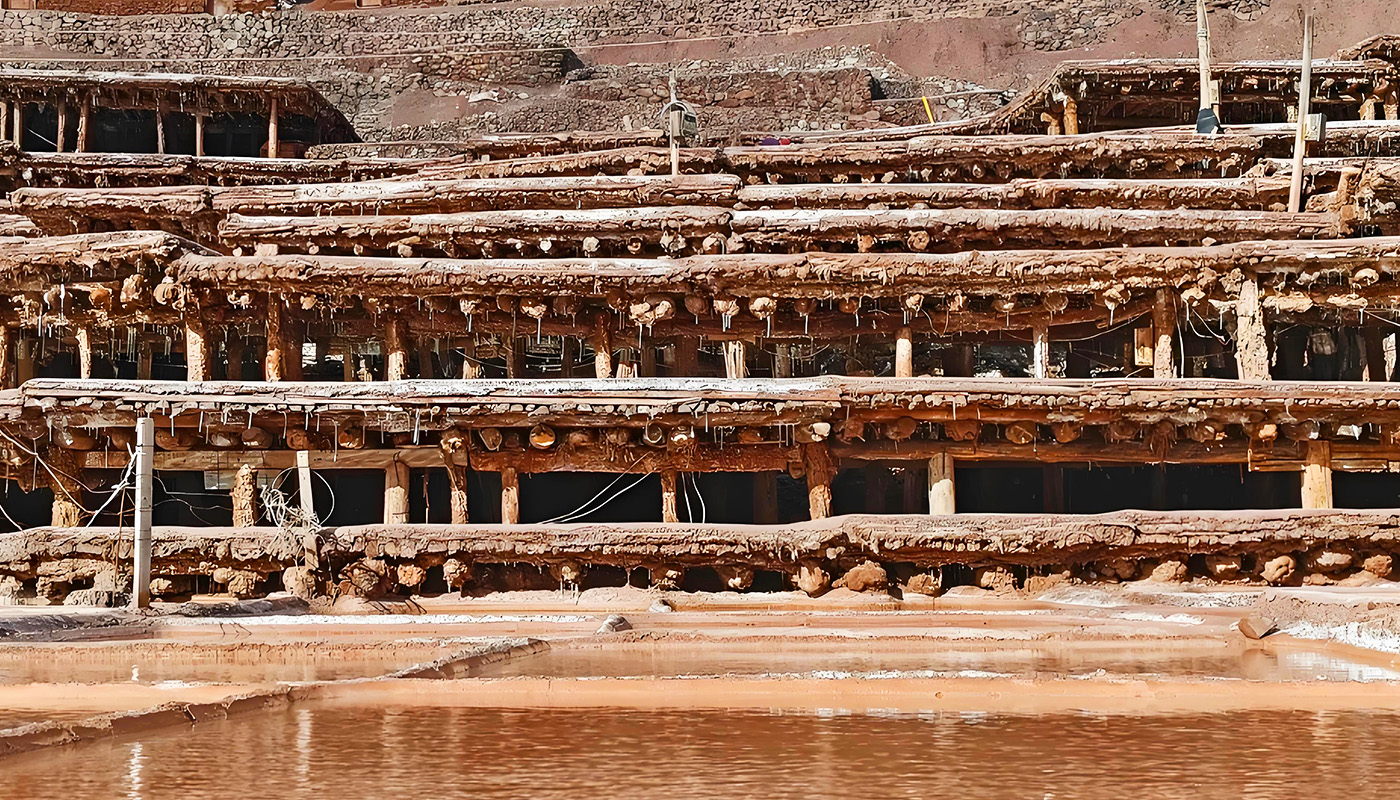
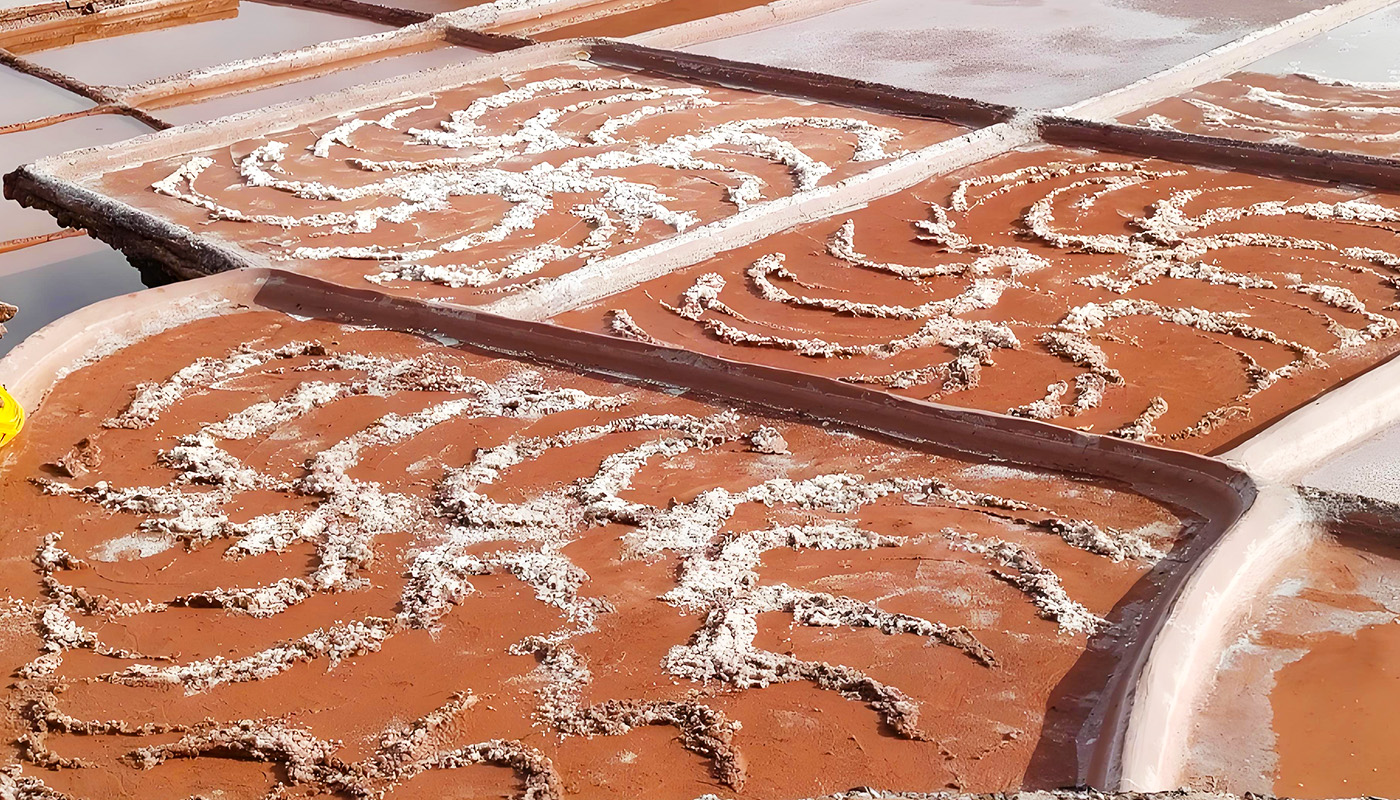
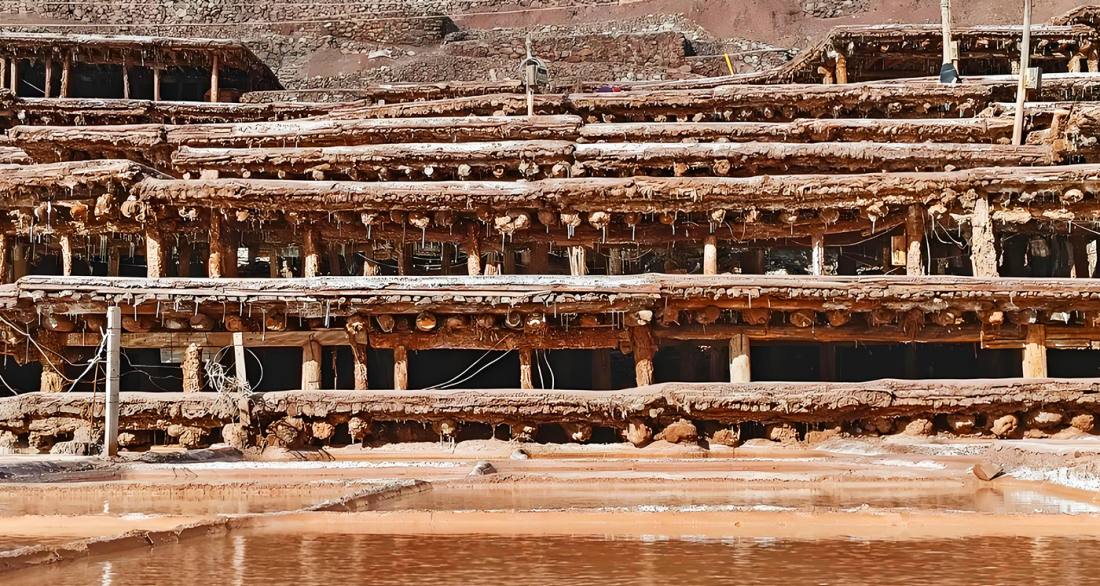
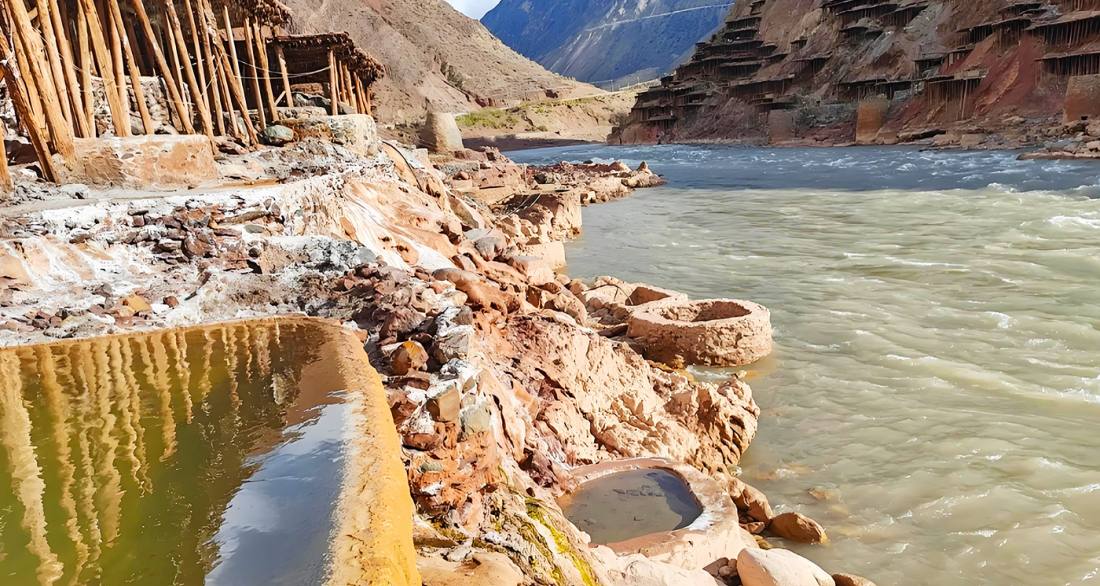
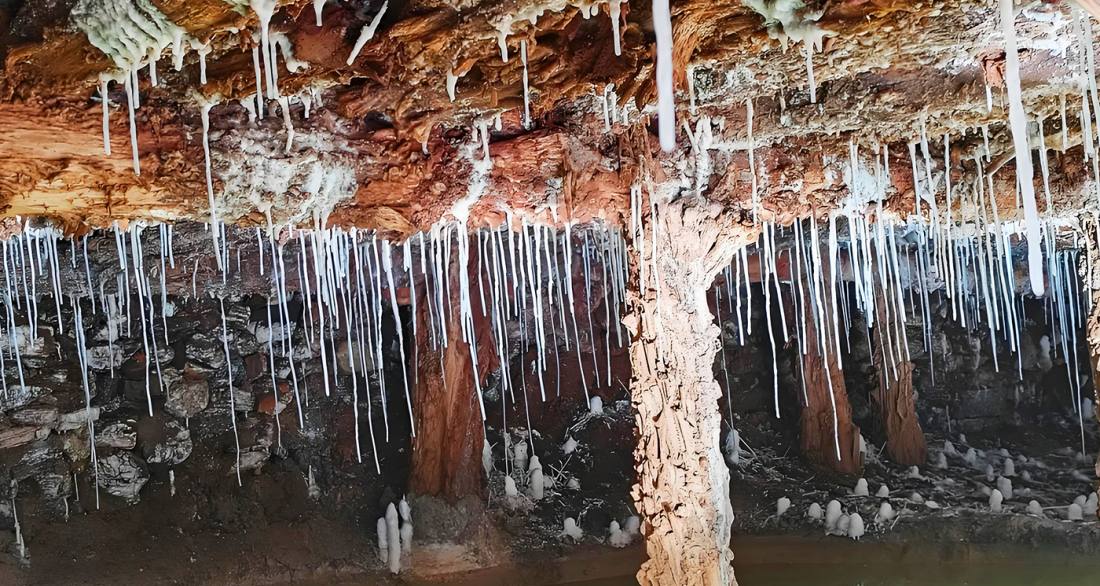
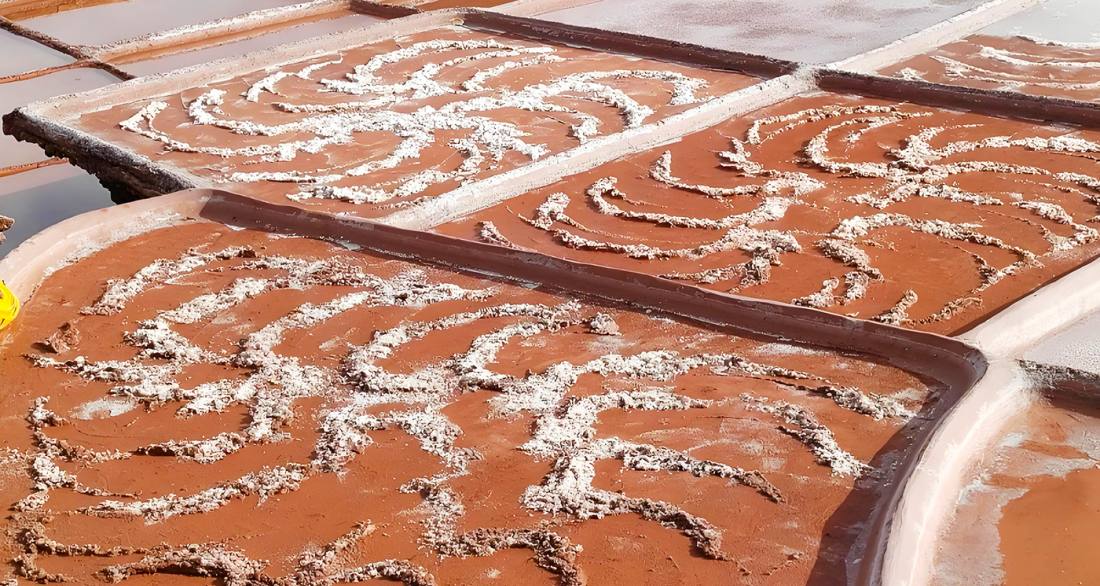
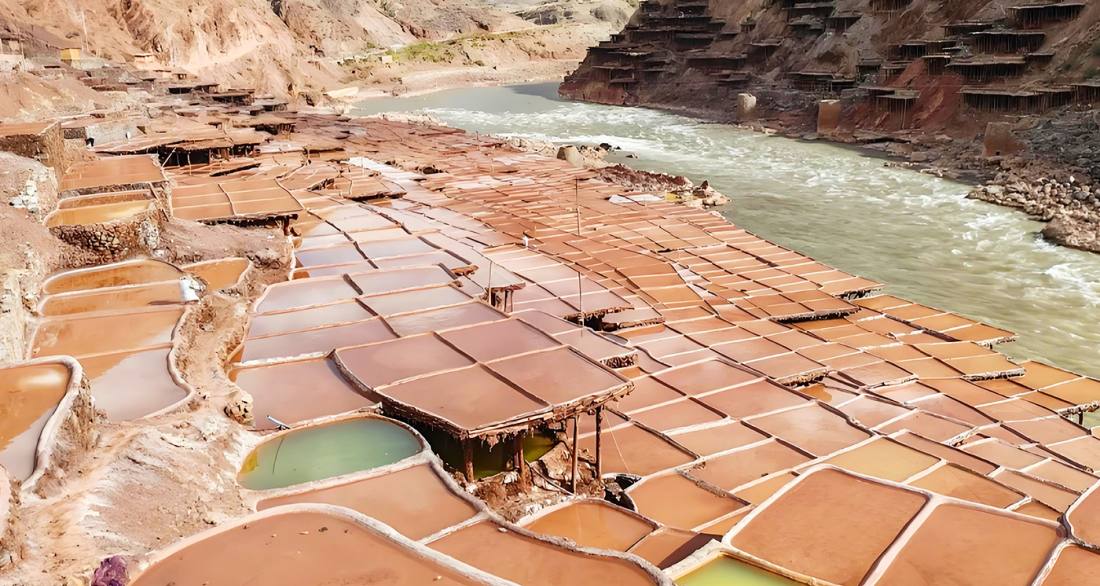
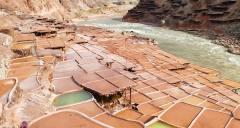
鹽井鹽田位於西藏昌都市芒康縣納西民族鄉瀾滄江兩岸,海拔較高,是茶馬古道上的重要驛站。這裡保存著歷史悠久的手工製鹽技藝,已被列為國家級非物質文化遺產。鹽田依山而建,以木架支撐、黏土夯實,分佈數量眾多,因瀾滄江兩岸土質差異,西岸產紅鹽(桃花鹽),東岸產白鹽,形成「一江雙色」的獨特景象。每年春季桃花盛開時,陽光照耀下鹽田如層疊調色盤,倒映雪山藍天,被譽為「天空之鏡」。當地村民仍沿用古法取鹵曬鹽,部分鹽田更利用現代技術輸送鹵水,融合傳統與創新。目前該景區為高級別旅遊景區,正在積極申報世界文化遺產。
The Yanjing Salt Terraces are situated along the banks of the Lancang River in Naxi Ethnic Township, Markam County, Chamdo, Tibet, at a relatively high altitude. They served as a key station on the ancient Tea-Horse Road. This site preserves a centuries-old traditional manual salt-making technique, which has been designated as a National Intangible Cultural Heritage. Built into the mountainside and supported by wooden frames compacted with clay, the numerous terraces span both riverbanks. Due to differing soil compositions on either side of the river, the west bank yields red salt (peach blossom salt), while the east bank produces white salt, creating a unique “two-color river” effect. Each spring when peach blossoms bloom, sunlight illuminates the layered terraces like a painter's palette, reflecting the snowy mountains and blue sky—earning the area the poetic title “Mirror of the Sky”. Local villagers still employ ancient methods to extract brine and produce salt, with some terraces utilizing modern technology for brine transport, blending tradition and innovation. Currently classified as a high-level tourist attraction, the site is actively seeking UNESCO World Heritage status.