
| 产品 | 提前预定时间 | 取消政策 | 原价 | 优惠价 | ||
|---|---|---|---|---|---|---|
| 产品 | 提前预定时间 | 取消政策 | 原价 | 优惠价 | ||
|---|---|---|---|---|---|---|
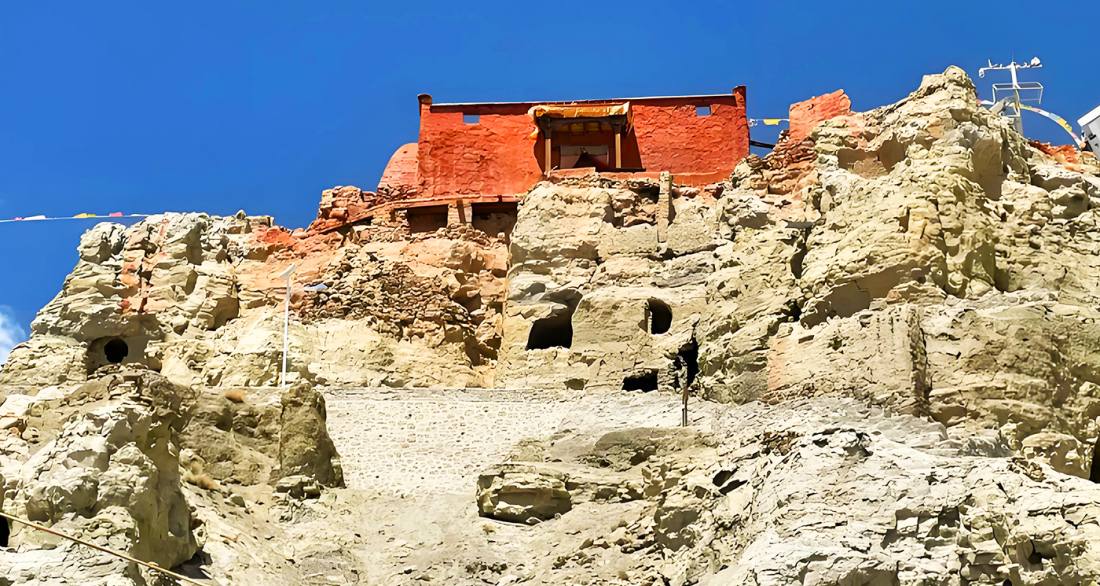
東嘎皮央石窟遺址為全國重點文物保護單位,目前參觀需提前透過官方指定渠道或在遊客中心現場預約登記,開放時間通常為上午9點至下午6點。遺址位於西藏阿里地區札達縣東北部的山谷中,建議自駕或包車前往,部分路段為碎石便道。因海拔超過4000米,請務必注意高原反應防護,避免劇烈運動。洞窟內部嚴禁使用閃光燈,不可觸摸或損壞壁畫,部分區域需在專人引導下方可進入。請穿著舒適防滑的徒步鞋,攜帶足夠的飲用水和防曬用品。由於週邊服務設施有限,建議自行準備必要的補給。
The Donggar-Piyang Cave Ruins are a National Key Cultural Relics Protection Unit. Currently, visits require advance reservation through official designated channels or on-site registration at the visitor center, with opening hours typically from 9:00 AM to 6:00 PM. The site is located in a valley northeast of Zanda County, Ngari Prefecture, Tibet. Self-driving or chartered vehicles are recommended, as some sections of the road are gravel paths. Due to the altitude exceeding 4,000 meters, it is essential to take precautions against altitude sickness and avoid strenuous activity. Inside the caves, flash photography is strictly prohibited, and touching or damaging the murals is not allowed. Some areas require guidance from staff before entry. Wear comfortable, non-slip hiking shoes and bring sufficient drinking water and sun protection. As surrounding amenities are limited, it is advisable to carry necessary supplies.
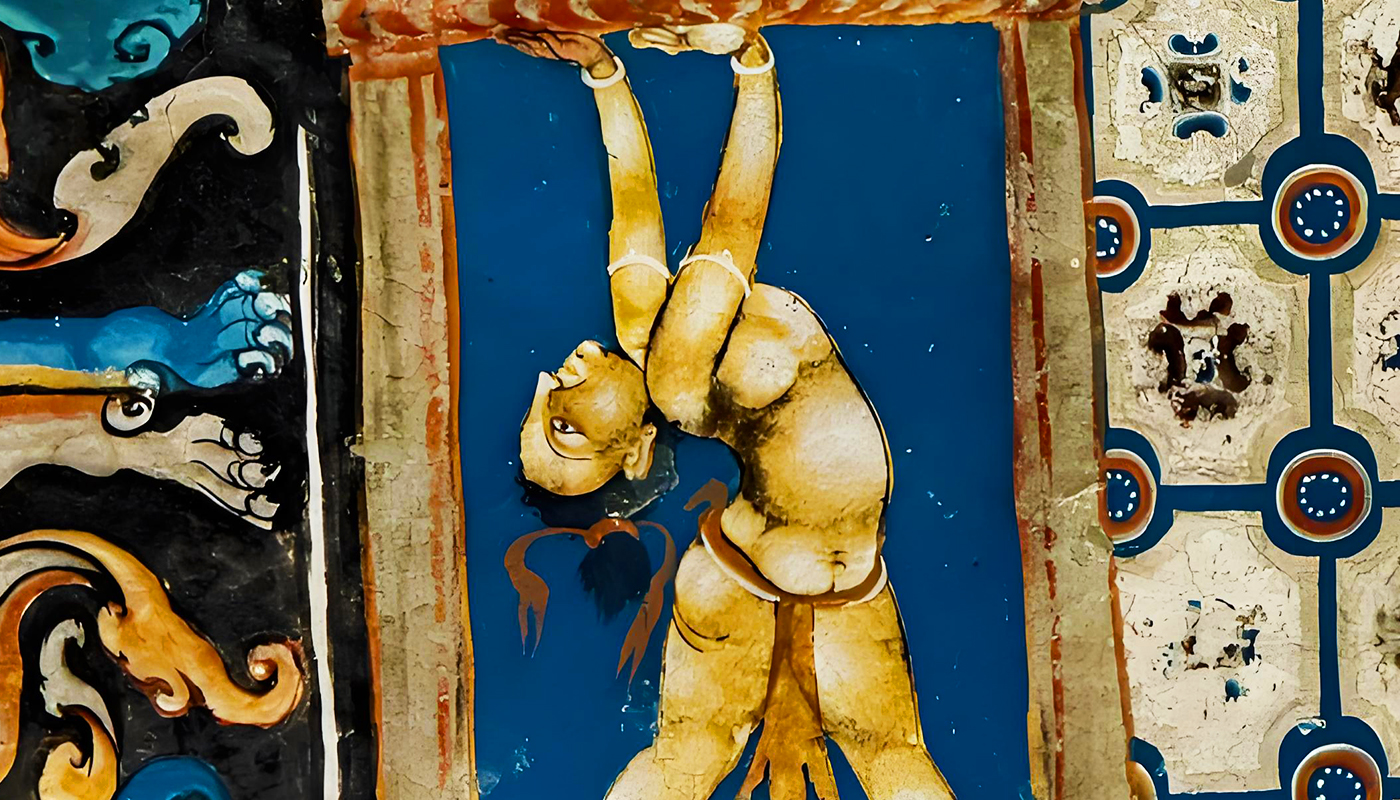
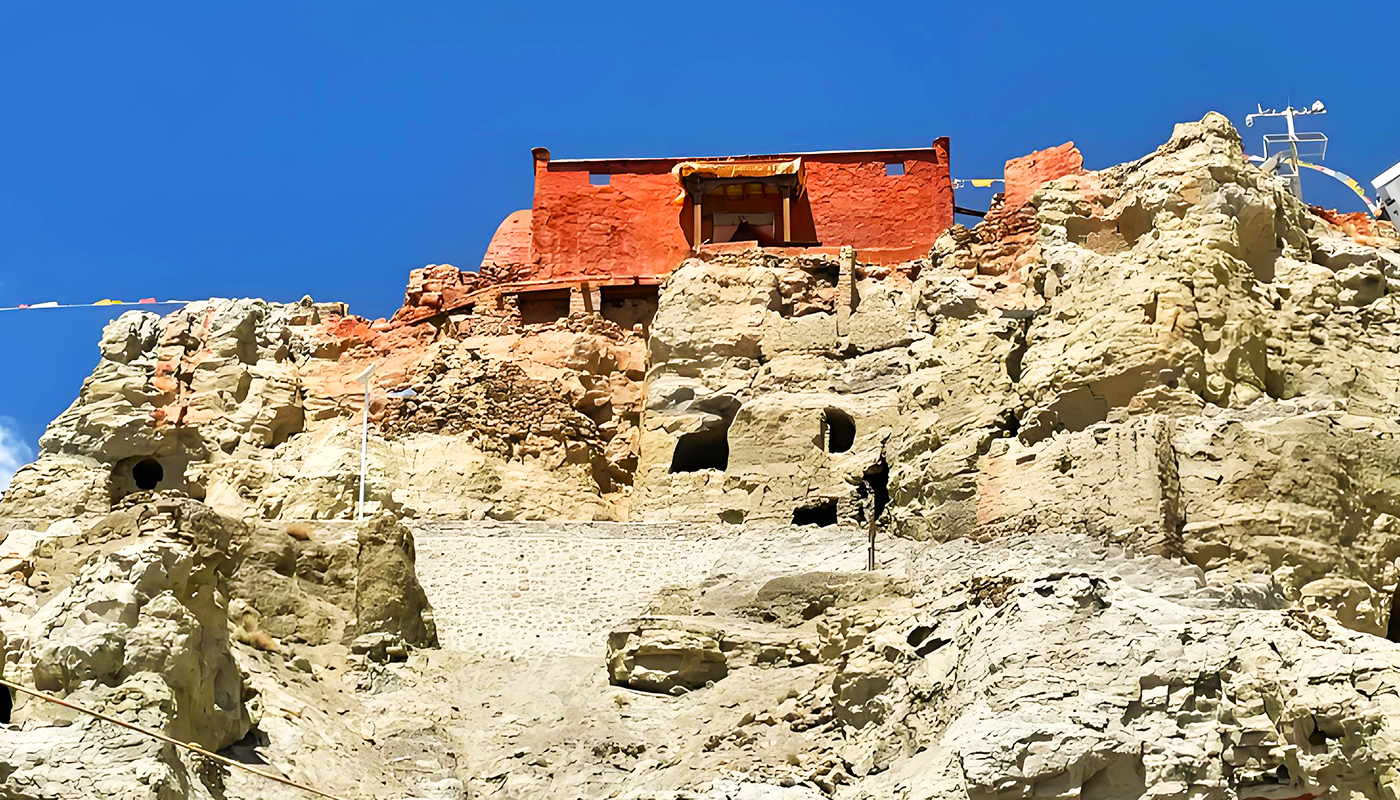
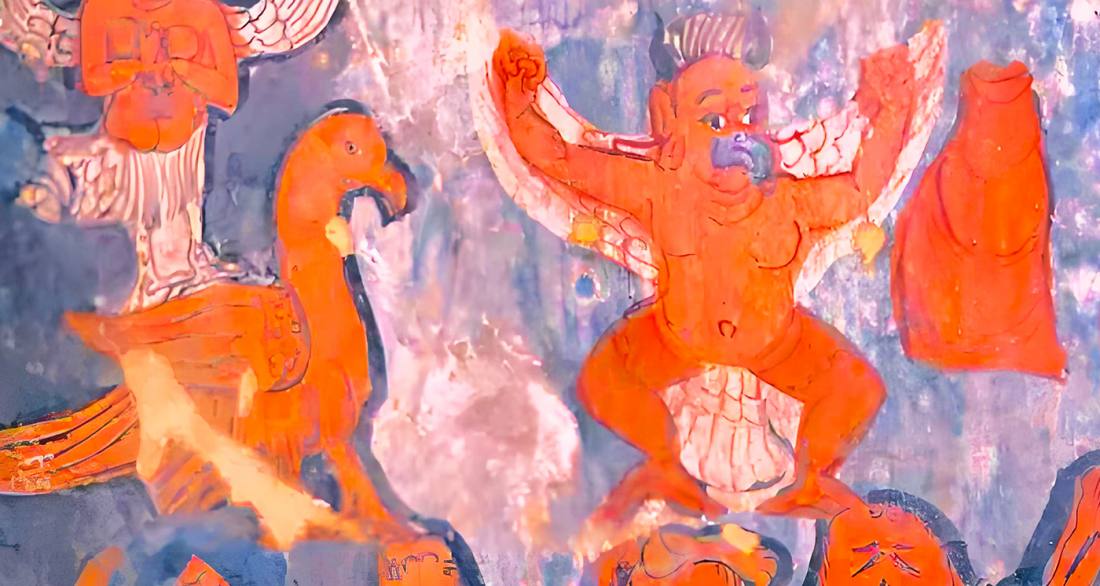
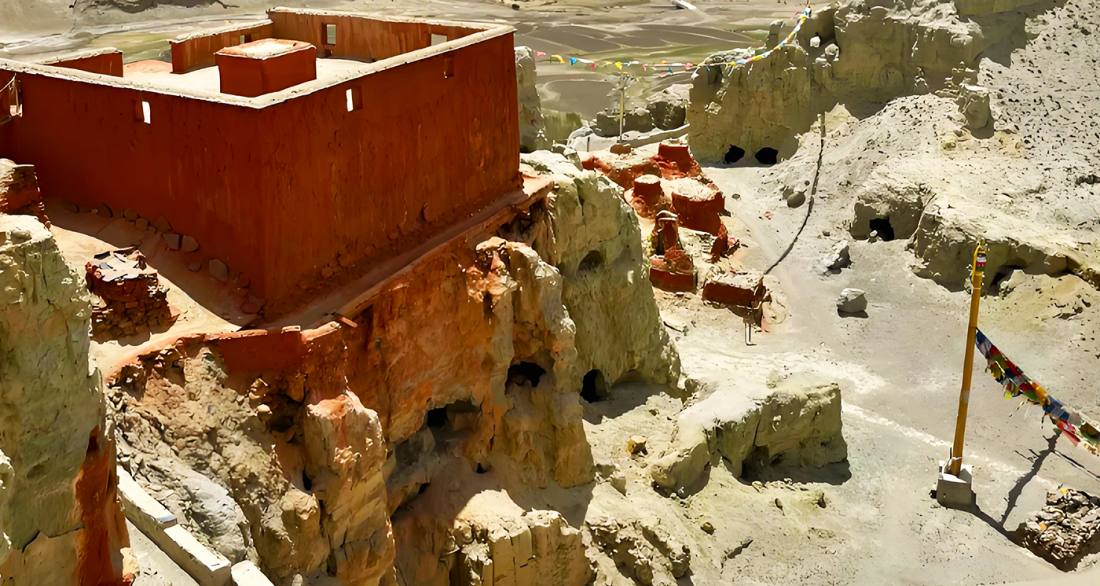
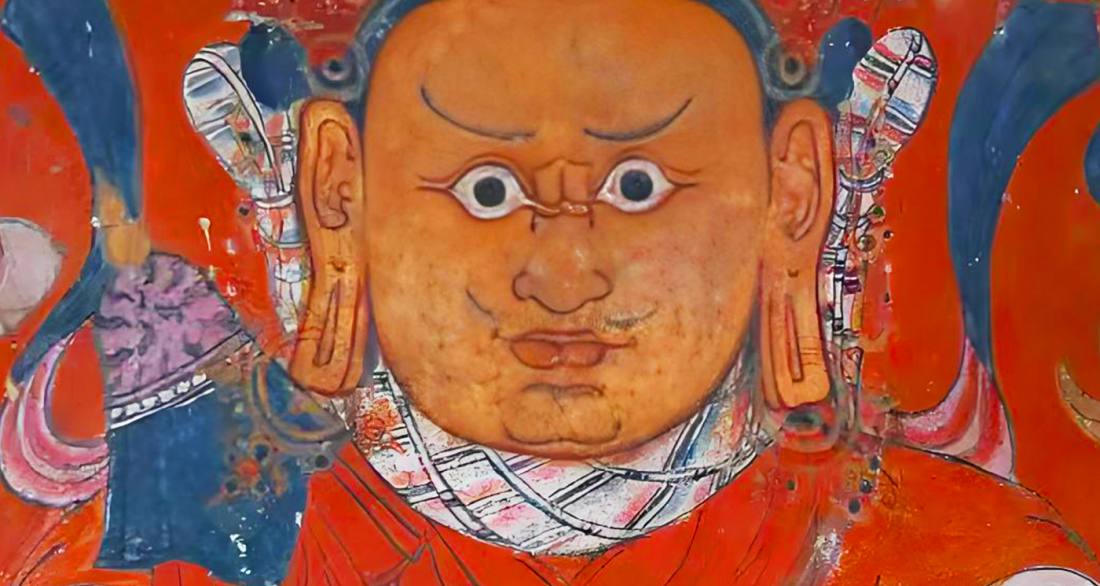
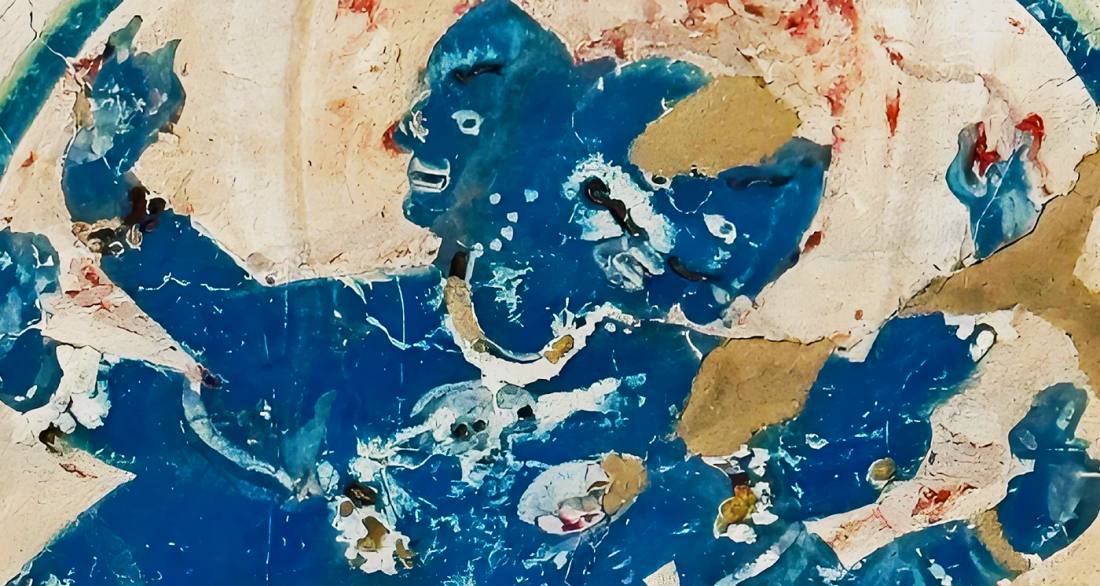
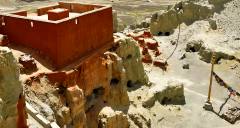
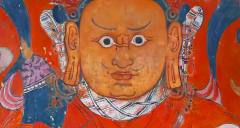
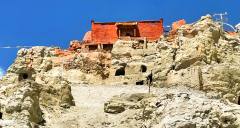
東嘎皮央石窟遺址位於西藏阿里地區札達縣境內的東嘎村和皮央村,地處海拔約4000米的高原山谷中,是西藏迄今發現規模最大的佛教石窟群,由近千座洞窟組成。遺址始建於古格王國時期,融合了禮佛窟、禪窟、僧房窟等多種類型,形成完整的宗教生活體系。其壁畫尤為珍貴,採用礦物顏料繪製,題材涵蓋佛像、曼荼羅、供養人像等,色彩千年未褪,藝術風格融合克什米爾暈染技法與本土特色,被譽為「西藏的敦煌」。作為全國重點文物保護單位,遺址不僅見證了古格王國的輝煌,更為研究西藏西部古代文明與跨文化交流提供了關鍵實證。
The Donggar-Piyang Cave Ruins are situated in Donggar and Piyang villages within Zanda County, Ngari Prefecture, Tibet, nestled in a high-altitude valley approximately 4,000 meters above sea level. They represent the largest Buddhist cave complex discovered in Tibet to date, comprising nearly a thousand caves. Constructed during the Guge Kingdom period, the site integrates various cave types, including worship caves, meditation caves, and monastic dwelling caves, forming a complete religious living system. The murals are particularly invaluable; created with mineral pigments, their themes encompass Buddha images, mandalas, donor portraits, and more. The colors have remained vibrant for millennia, showcasing an artistic style that blends Kashmiri shading techniques with local characteristics, earning it the title "Tibet's Dunhuang". Designated as a National Key Cultural Relics Protection Unit, the site not only witnesses the splendor of the Guge Kingdom but also provides crucial evidence for studying ancient civilizations and cultural exchanges in Western Tibet.