
| 产品 | 提前预定时间 | 取消政策 | 原价 | 优惠价 | ||
|---|---|---|---|---|---|---|
| 产品 | 提前预定时间 | 取消政策 | 原价 | 优惠价 | ||
|---|---|---|---|---|---|---|
古格王朝遗址為全國重點文物保護單位,通常無需預約,但建議在開放時間內(一般為早上8點至晚上8點左右)前往,可透過線上平台或現場購買門票。遺址位於西藏阿里地區札達縣札布讓村,海拔約3800米,攀登至高處的王宮需徒步上行數百級臺階,請結合自身健康狀況量力而行,並備好氧氣、防曬及充足飲水。請嚴格遵守文物保護規定,禁止觸摸、刻畫或攀爬壁畫與墻體。由於阿里地區氣候乾燥、風沙較大,建議佩戴口罩及防風衣物。景區週邊配套設施有限,請提前準備必要補給。離開時請帶走所有垃圾,共同守護這一珍貴文化遺產。
The Guge Kingdom Ruins, a National Key Cultural Relics Protection Unit, generally do not require advance reservation. However, it is advisable to visit within the opening hours (typically around 8:00 AM to 8:00 PM). Tickets can be purchased online or onsite. Located in Zhabrang Village, Zanda County, Ngari Prefecture, Tibet, at an altitude of about 3,800 meters, ascending to the palace at the top involves hiking hundreds of steps. Please assess your physical condition accordingly and prepare oxygen, sun protection, and ample drinking water. Strictly adhere to cultural relic protection regulations—do not touch, carve, or climb on murals and walls. Due to the arid climate and frequent sandstorms in the Ngari region, wearing masks and wind-resistant clothing is recommended. Facilities around the site are limited, so make necessary preparations in advance. Please take all trash with you when leaving to help preserve this valuable cultural heritage.
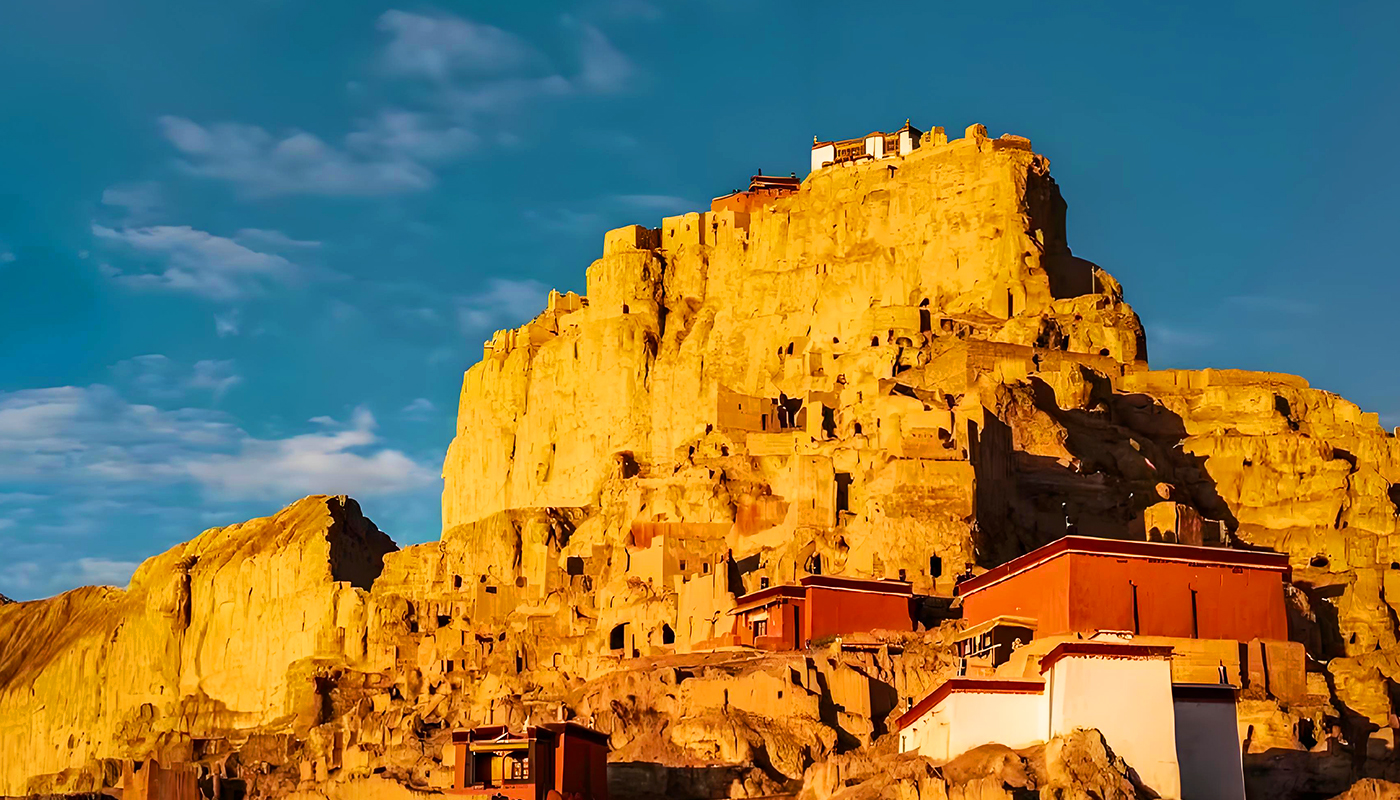
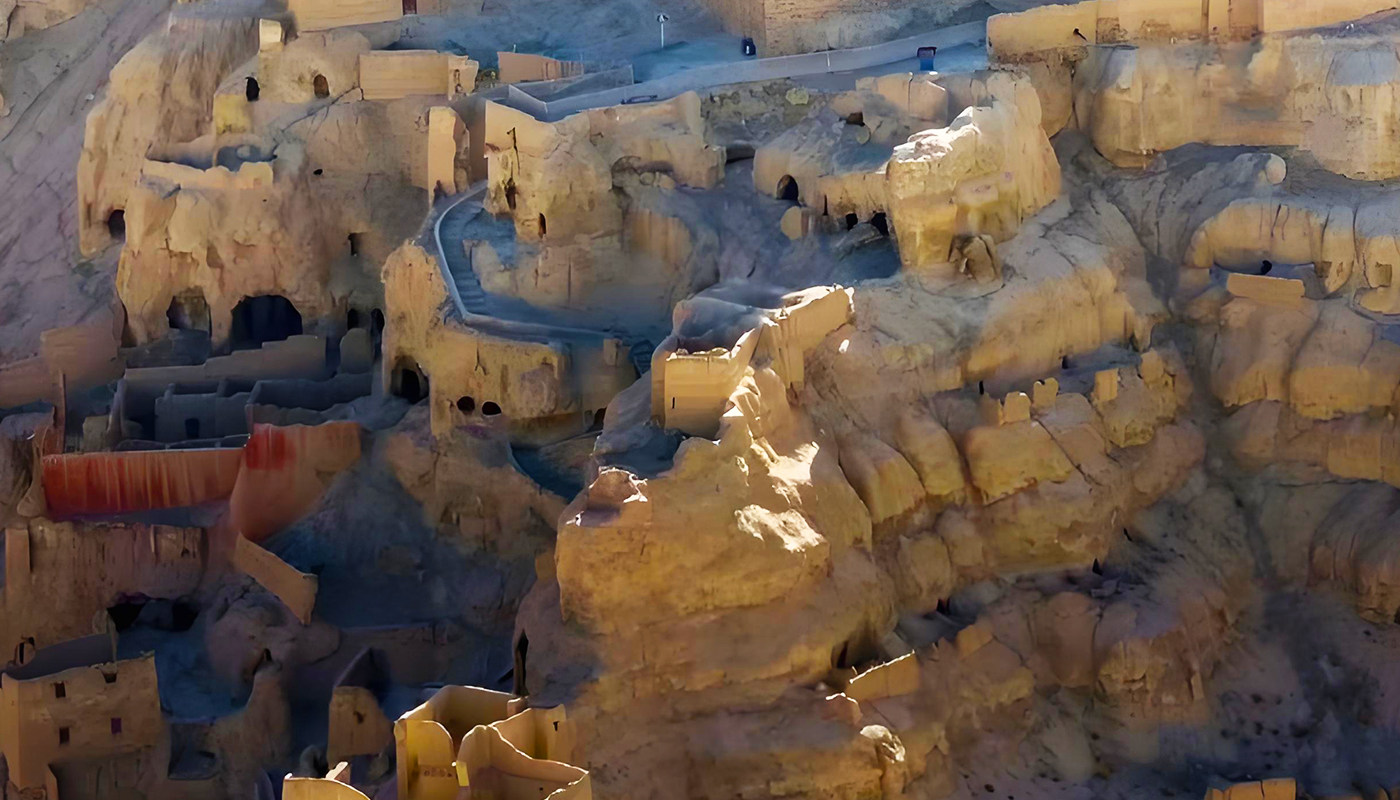
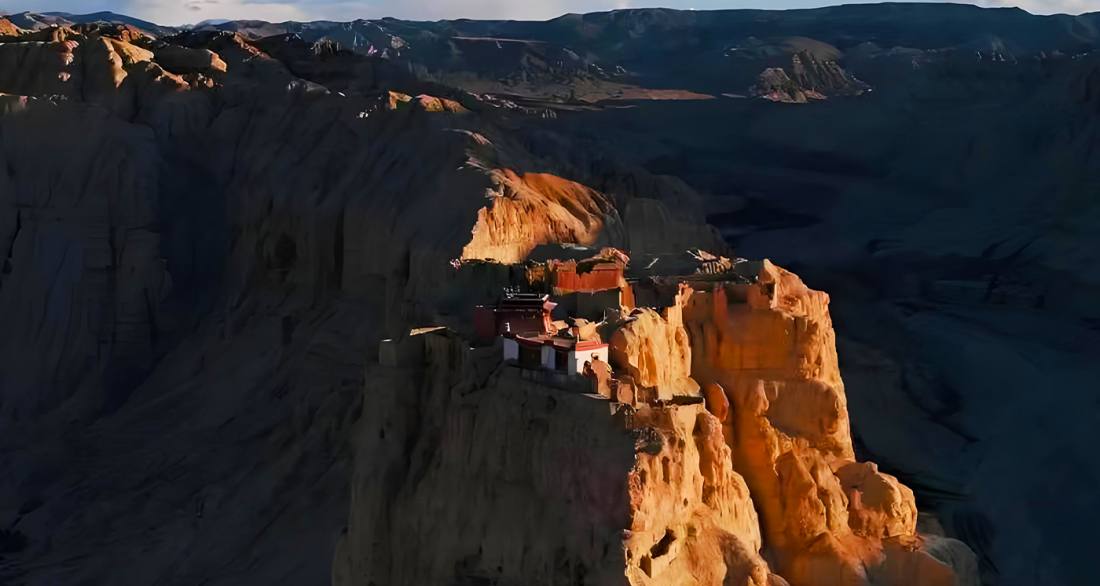
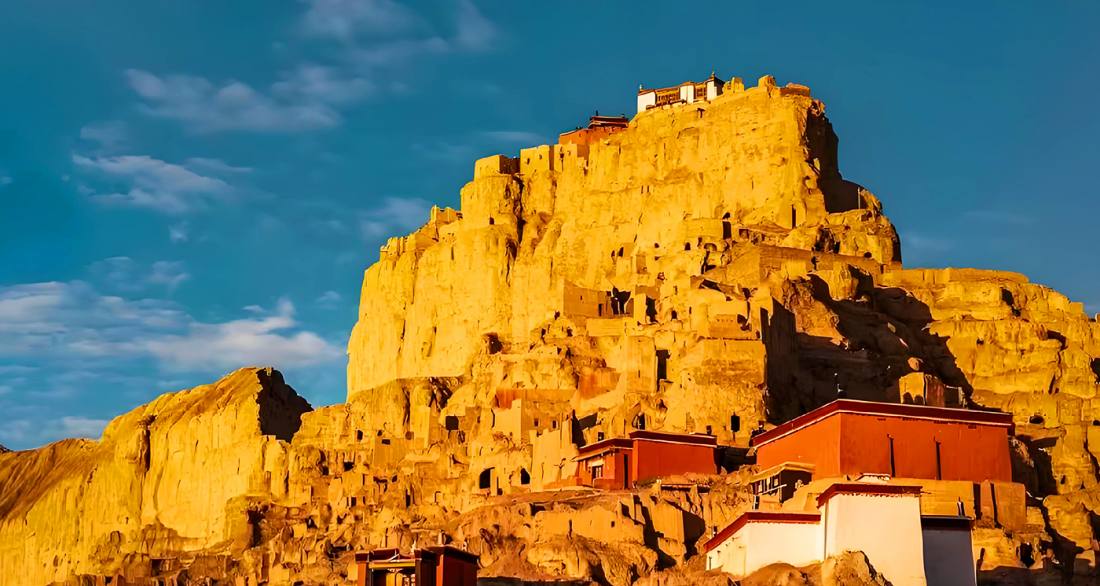
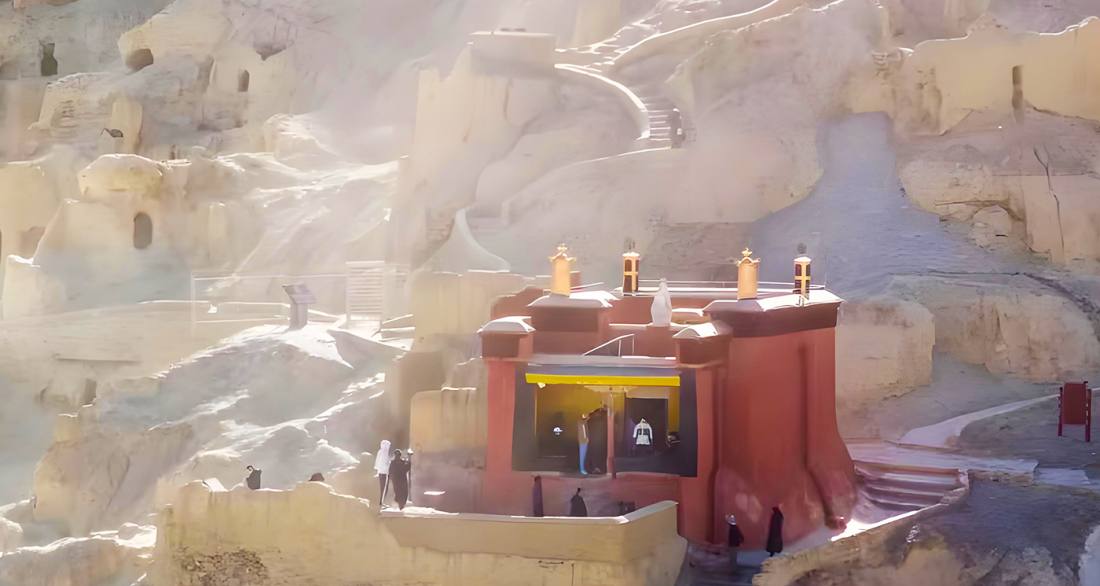
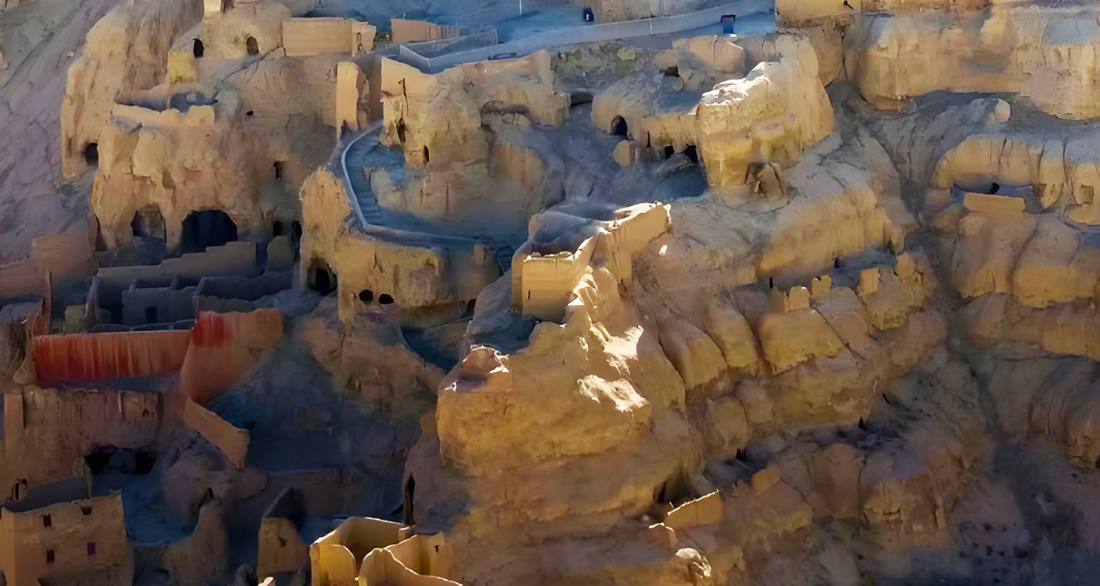
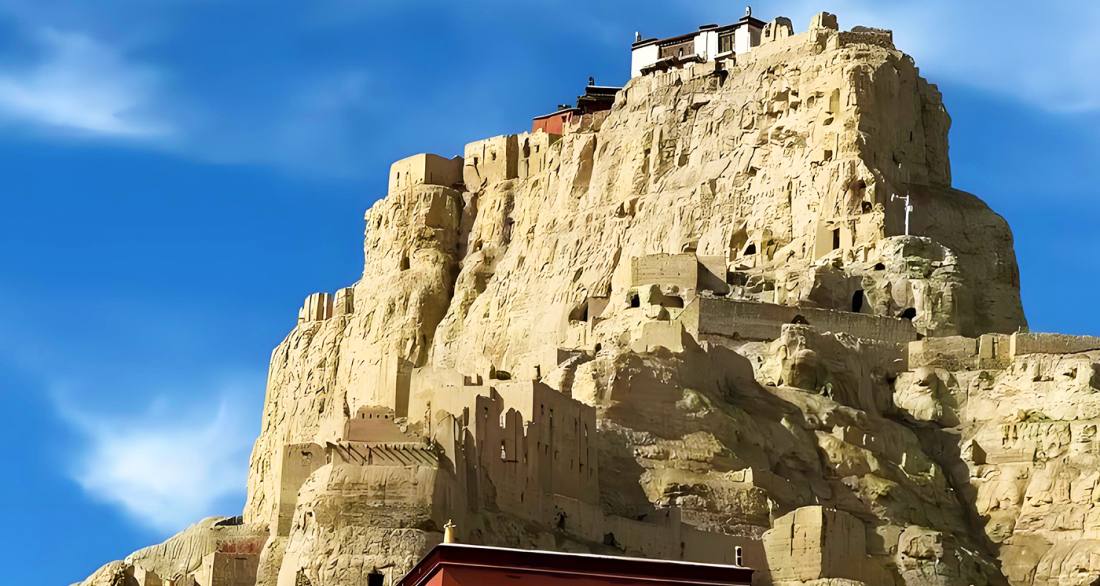
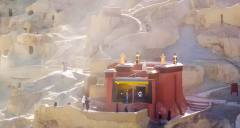
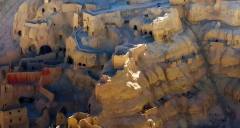
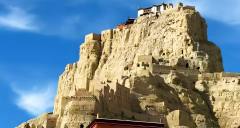
古格王朝遺址位於西藏阿里地區札達縣札布讓村,坐落於海拔約3800米的黃土山之上。這座始建於公元10世紀的古王國都城,曾是後弘期佛教復興的重要中心,鼎盛時期統治範圍覆蓋阿里大部。遺址規模宏大,從山腳至山頂依勢而建,分佈著宮殿、寺廟、民居等600餘座建築,現存紅殿、白殿等佛殿內保留了大量精美壁畫與「古格銀眼」造像。作為全國重點文物保護單位和國家級風景名勝區,它不僅揭示了古格王國七百年的興衰歷史,更因其在17世紀的神秘消亡而被譽為「西藏的龐貝」,是探索西藏西部古代文明與藝術瑰寶的終極目的地。
The Guge Kingdom Ruins are located in Zhabrang Village, Zanda County, Ngari Prefecture, Tibet, perched atop a loess mountain at an altitude of approximately 3,800 meters. Constructed in the 10th century AD, this ancient royal capital served as a pivotal center for the revival of Buddhism during the Later Diffusion period and ruled over much of Ngari at its zenith. Spanning from the foot to the summit of the mountain, the sprawling site comprises over 600 structures, including palaces, temples, and residential dwellings. Surviving halls, such as the Red Chapel and White Chapel, house exquisite murals and the renowned "Guge Silver Eyes" statues. Designated as a National Key Cultural Relics Protection Unit and a National Scenic Area, the ruins not only unveil the rise and fall of the seven-centuries-old Guge Kingdom but are also hailed as the "Pompeii of Tibet" due to their mysterious abandonment in the 17th century, making it a premier destination for exploring the ancient civilization and artistic treasures of western Tibet.