
| 产品 | 提前预定时间 | 取消政策 | 原价 | 优惠价 | ||
|---|---|---|---|---|---|---|
| 产品 | 提前预定时间 | 取消政策 | 原价 | 优惠价 | ||
|---|---|---|---|---|---|---|
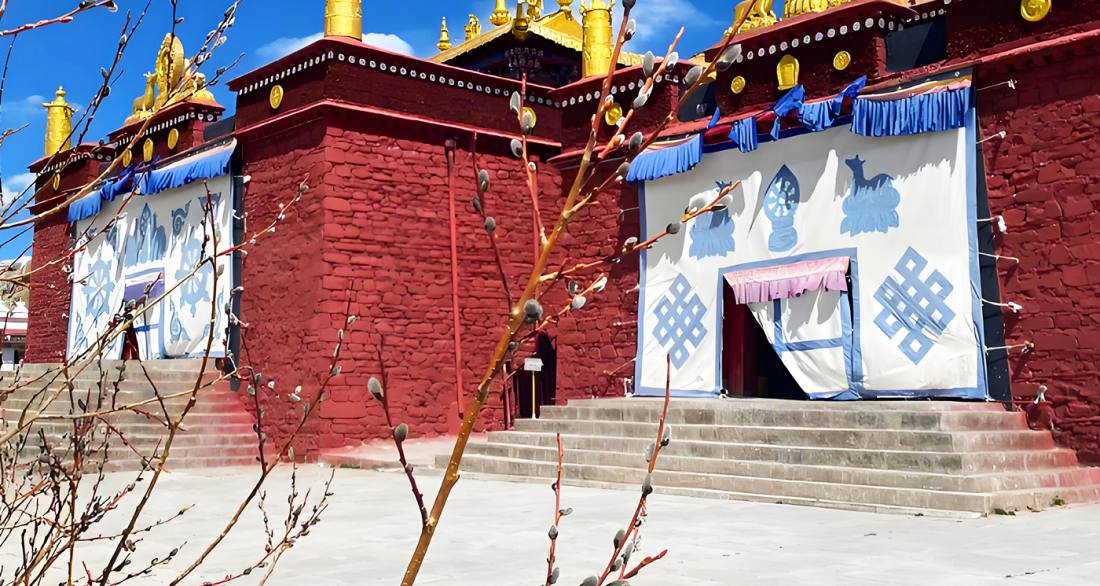
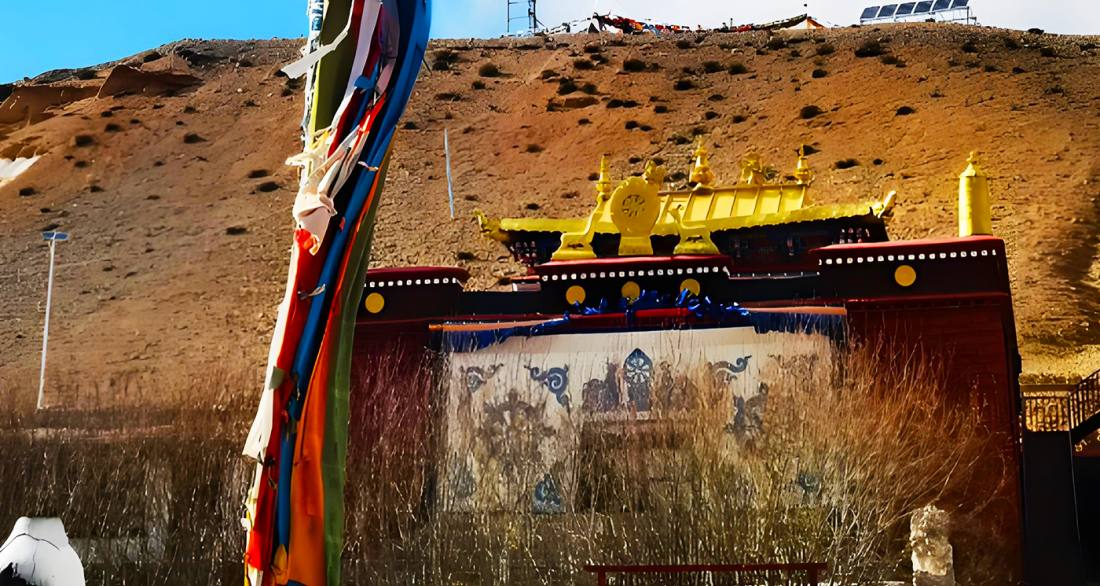
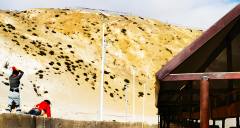
芝達布日寺是重要的宗教場所,目前無需預約,但建議參觀前確認開放時間。寺廟位於西藏阿里地區噶爾縣門士鄉,地處219國道附近,平均海拔約4300米,前往時務必做好高原反應的防護,如攜帶氧氣、藥物,並避免劇烈運動。參觀時需注意宗教禮儀,保持安靜,未經許可請勿在殿內拍照,尤其在法事活動期間不得打擾。此外,寺廟附近有扎不日溫泉及獨特的紅色山體景觀,可一併探訪。因阿里地區氣候多變,行程中請注意防曬、防風與保暖,並建議提前規劃路線,部分路段需駕駛四驅車輛。
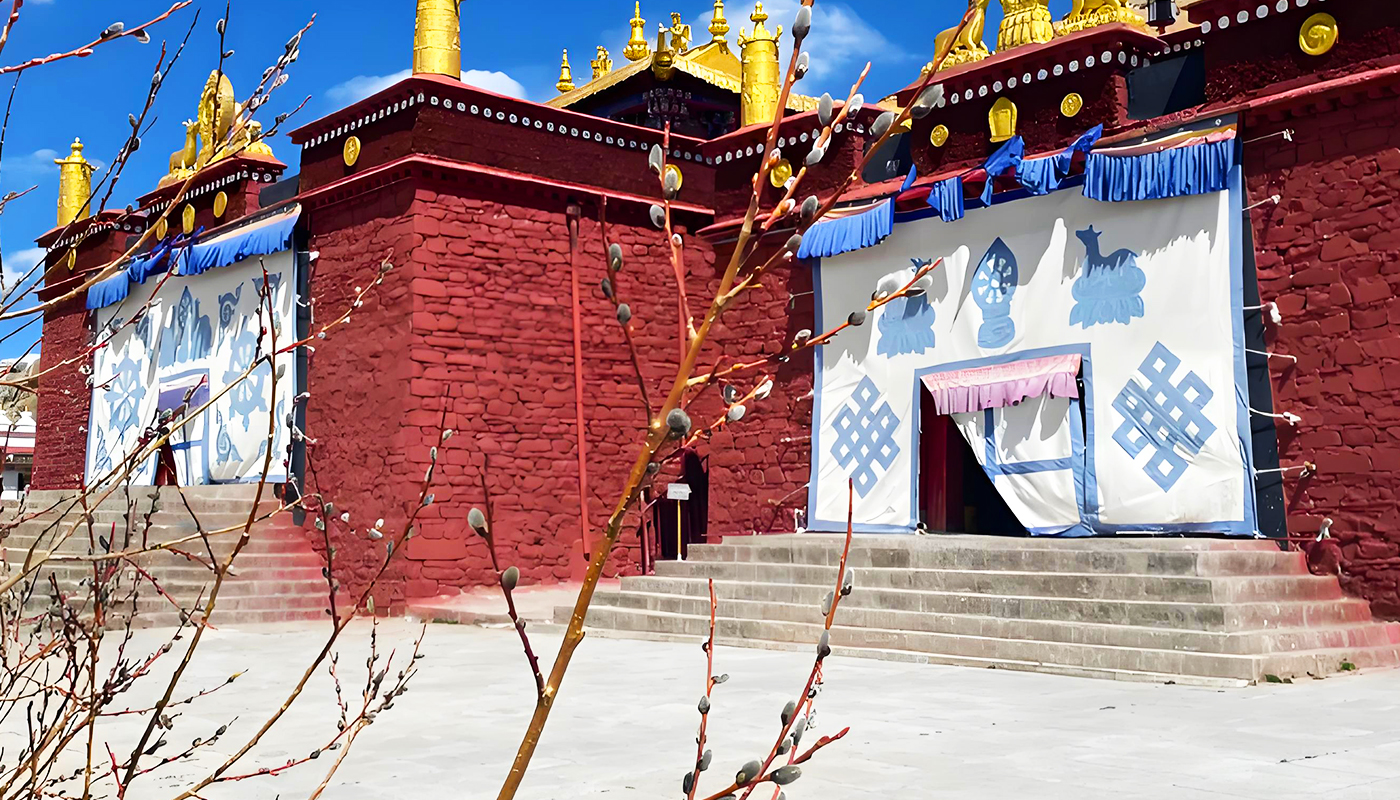
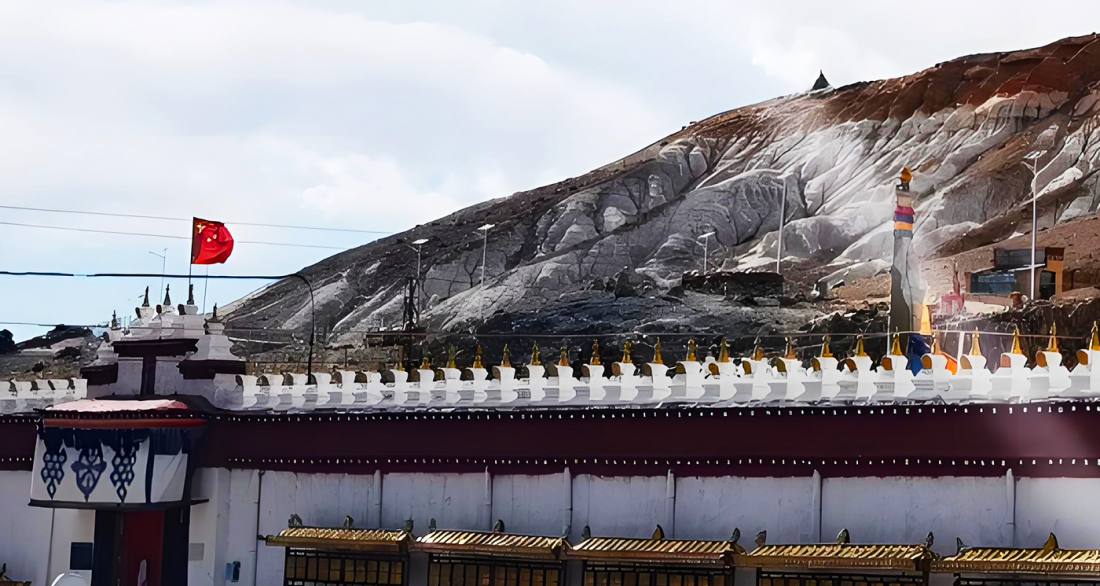
Zhidaburi Temple is an important religious site, and no reservation is currently required, but it is advisable to confirm the opening hours before visiting. Located in Menshi Township, Gar County, Ngari Prefecture, Tibet, near National Highway 219, the temple sits at an average altitude of about 4,300 meters. Visitors must take precautions against altitude sickness, such as carrying oxygen and medication, and avoid strenuous activity. During the visit, religious etiquette should be observed: maintain quiet, refrain from taking photos inside the halls without permission, and avoid disturbances, especially during religious ceremonies. Additionally, nearby attractions like the Zaburi Hot Spring and unique red rock formations are worth exploring. Due to the variable weather in the Ngari region, sun protection, windproofing, and warmth are essential. It is also recommended to plan the route in advance, as a four-wheel-drive vehicle may be necessary for certain sections.
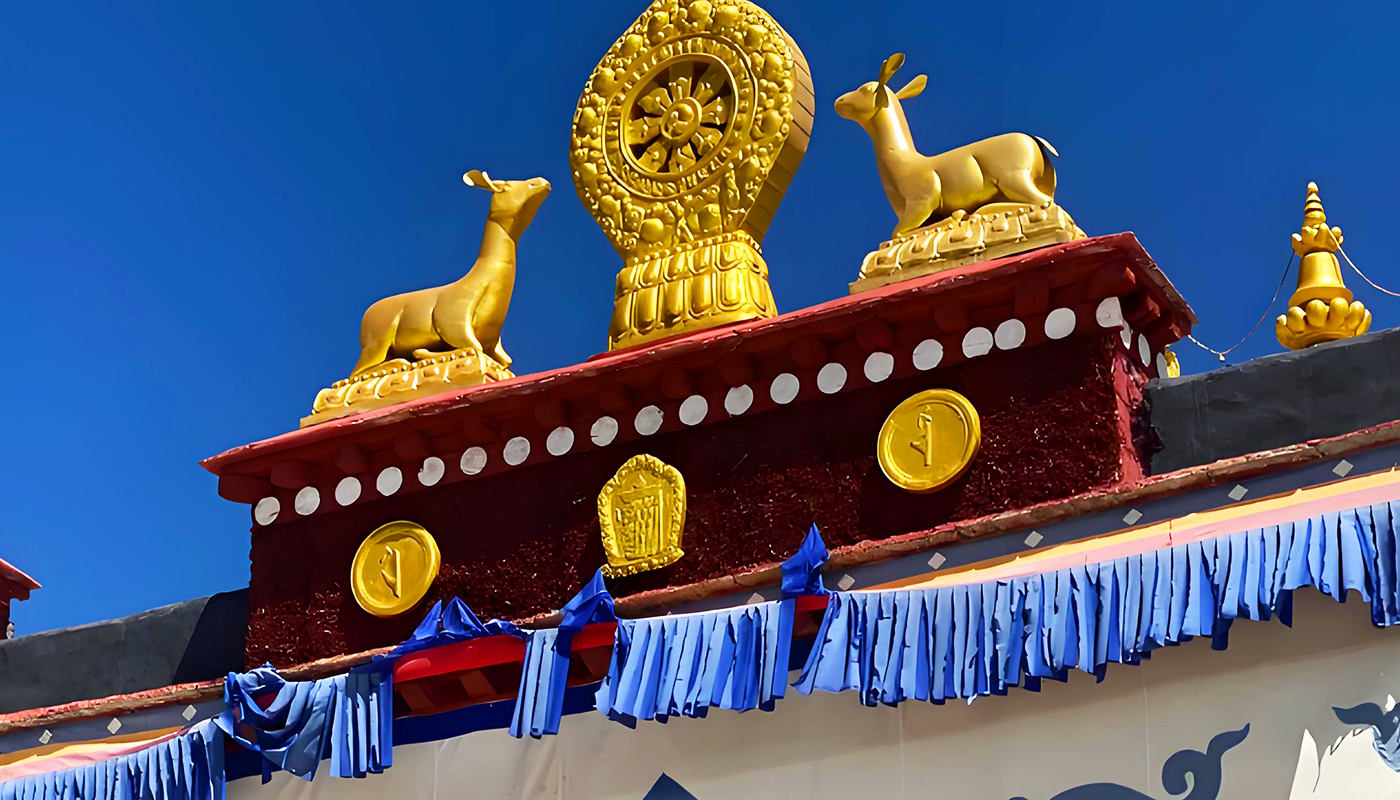
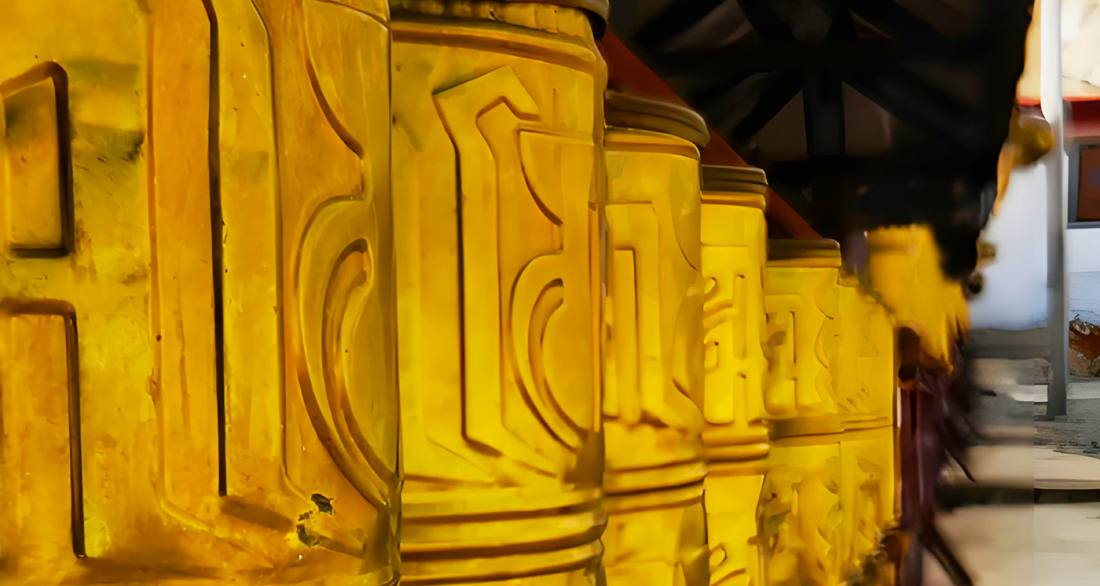
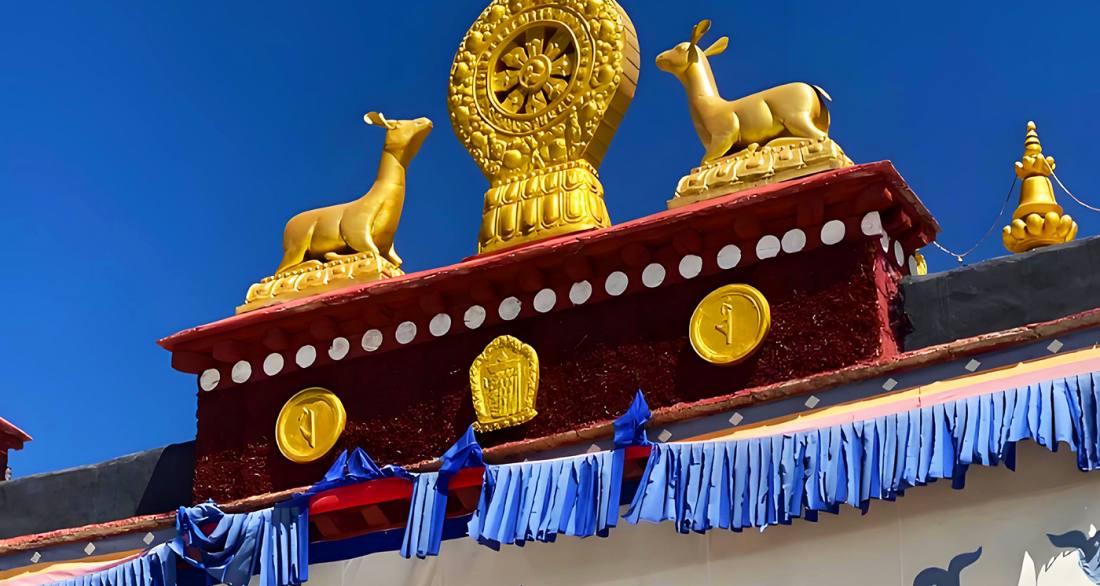
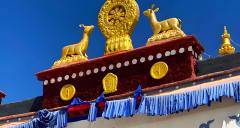
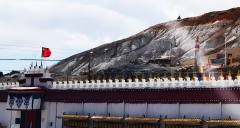
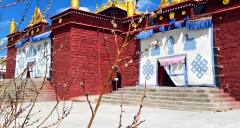
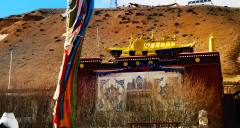
Zhidaburi Temple is located in Menshi Township, Gar County, Ngari Prefecture, Tibet, near National Highway 219, at an altitude of approximately 4,300 meters. It is a distinctive religious sanctuary in Tibetan Buddhism. Founded in the 8th century by a master of the Nyingma sect, the temple is primarily dedicated to Guru Rinpoche (Padmasambhava) and houses sacred relics such as statues of the Dakini and a naturally formed footprint of Dorje Phagmo. A local saying goes, “Pilgrimage to Mount Kailash without visiting Zhidaburi is like a new robe without a collar,” regarding the temple as the “gateway” to Mount Kailash. Legend holds that circumambulating the temple 13 times is equivalent to one kora around the sacred mountain. The surrounding area features red-and-white travertine formations, the Zaburi Hot Spring, and extended Mani stone walls, where natural scenery and religious symbolism intertwine, creating a unique landscape of “half faith, half wonder.” The temple currently does not charge an entrance fee, but as a religious site, visitors are expected to maintain quiet and respect local customs.