
| 产品 | 提前预定时间 | 取消政策 | 原价 | 优惠价 | ||
|---|---|---|---|---|---|---|
| 产品 | 提前预定时间 | 取消政策 | 原价 | 优惠价 | ||
|---|---|---|---|---|---|---|
夏魯寺為國家級文物保護單位和3A級景區,門票(約40元)無需在線預約,可在寺門售票處直接購買,開放時間一般為每日9:00至17:30。入寺參觀須持有效身份證件以備查驗。作為古老宗教場所,請衣著莊重、保持肅靜,殿堂內禁止使用閃光燈拍攝壁畫、唐卡等珍貴文物。部分區域可能因修繕或法事臨時關閉,請遵從現場指引。寺院規模不大,請勿隨意觸碰建築構件和文物,並請在指定區域內參觀。寺內台階較多且局部光線不足,請注意腳下安全。尊重宗教儀軌和修行僧人,避免不當言行。請隨身攜帶並保管好個人物品,離開時帶走所有垃圾。
Xialu Monastery is a nationally protected cultural heritage site and a 3A-level scenic area. Admission tickets (approximately 40 yuan) do not require online reservation and can be purchased directly at the temple’s ticket office. Opening hours are generally from 9:00 to 17:30 daily. Valid identification documents must be presented for inspection upon entry. As an ancient religious site, visitors are required to dress respectfully and maintain quiet behavior. The use of flash photography is strictly prohibited inside the halls to protect valuable cultural relics such as murals and thangkas. Some areas may be temporarily closed for renovation or religious ceremonies—please follow on-site guidance. The monastery complex is relatively compact; please do not touch architectural components or artifacts and remain within designated visiting areas. Exercise caution as the site contains many steps and some areas have dim lighting. Show respect for religious rituals and resident monks, and avoid inappropriate conduct. Keep personal belongings secure at all times and take all trash with you when leaving.
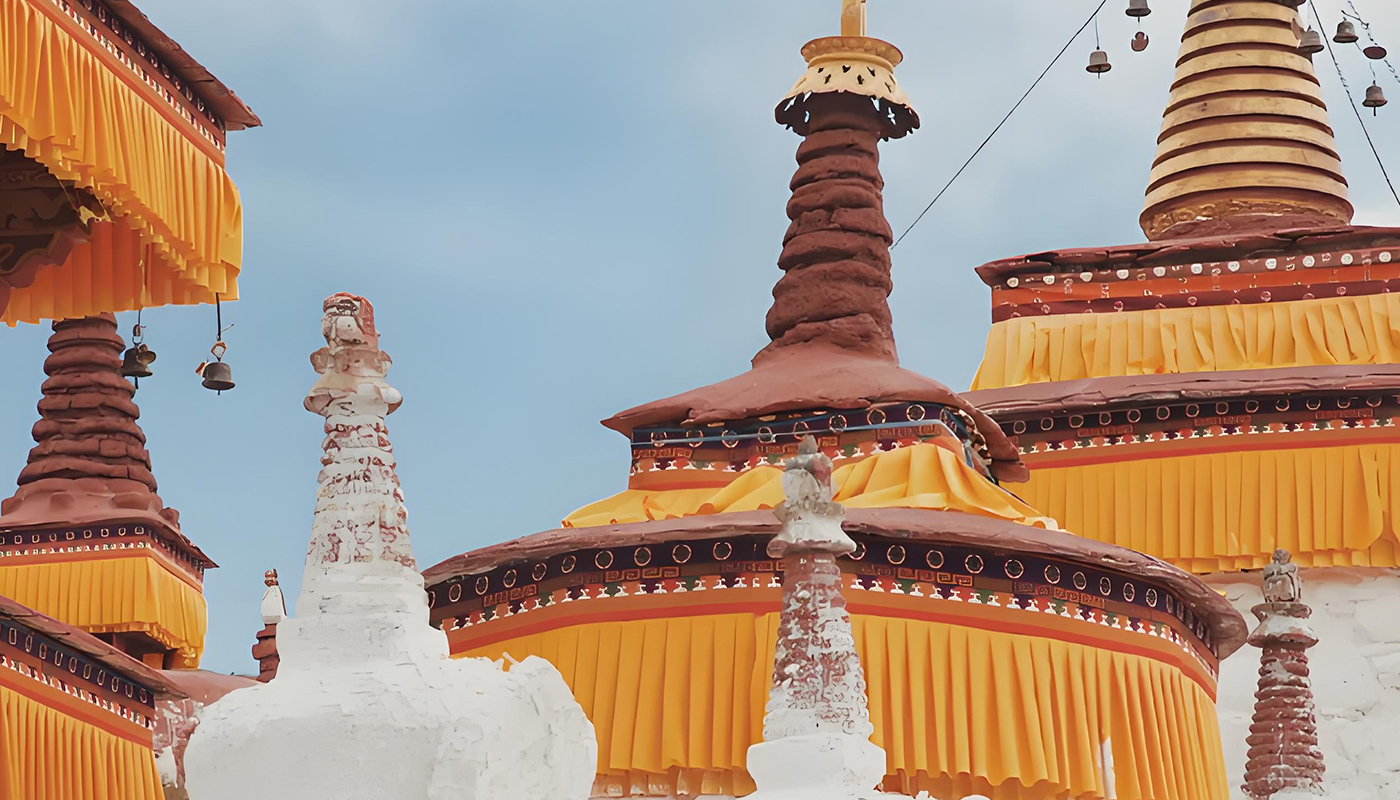
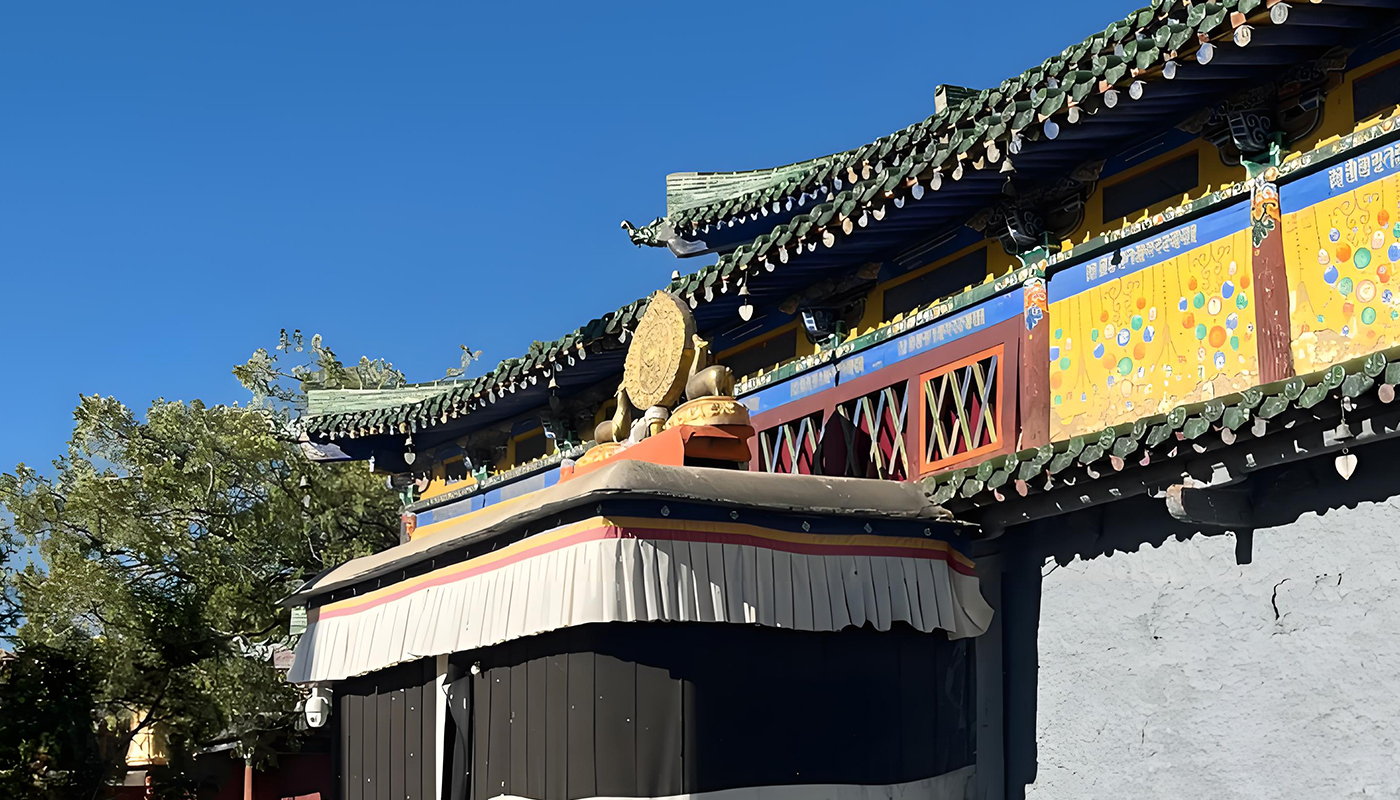
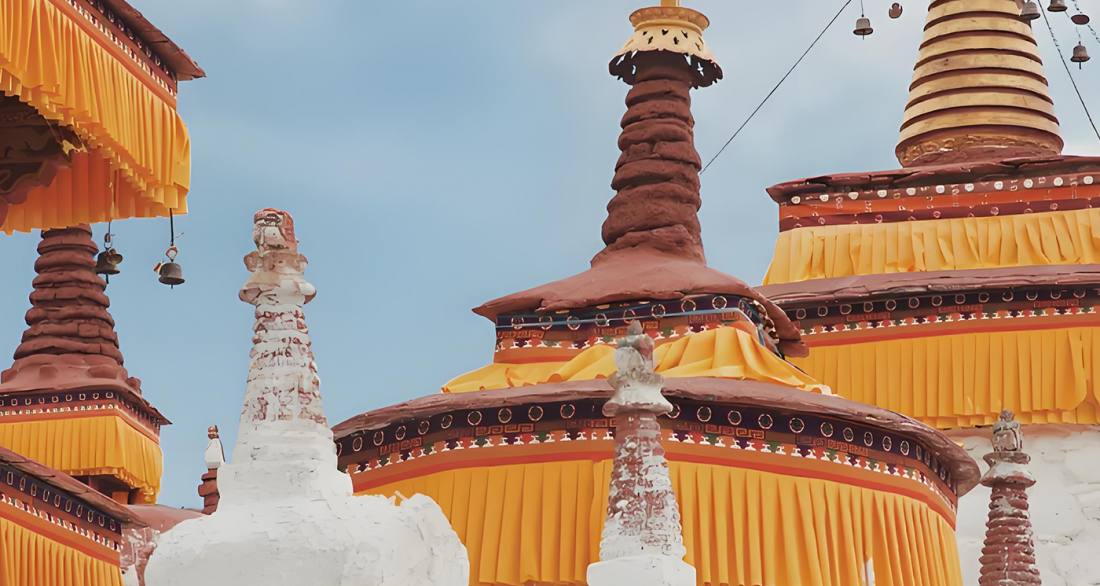
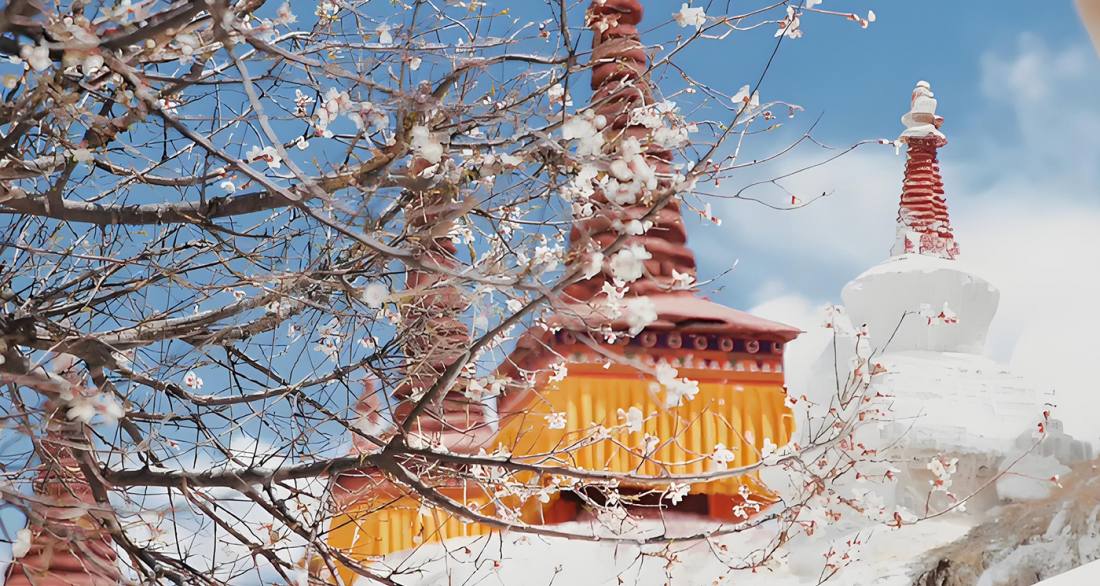
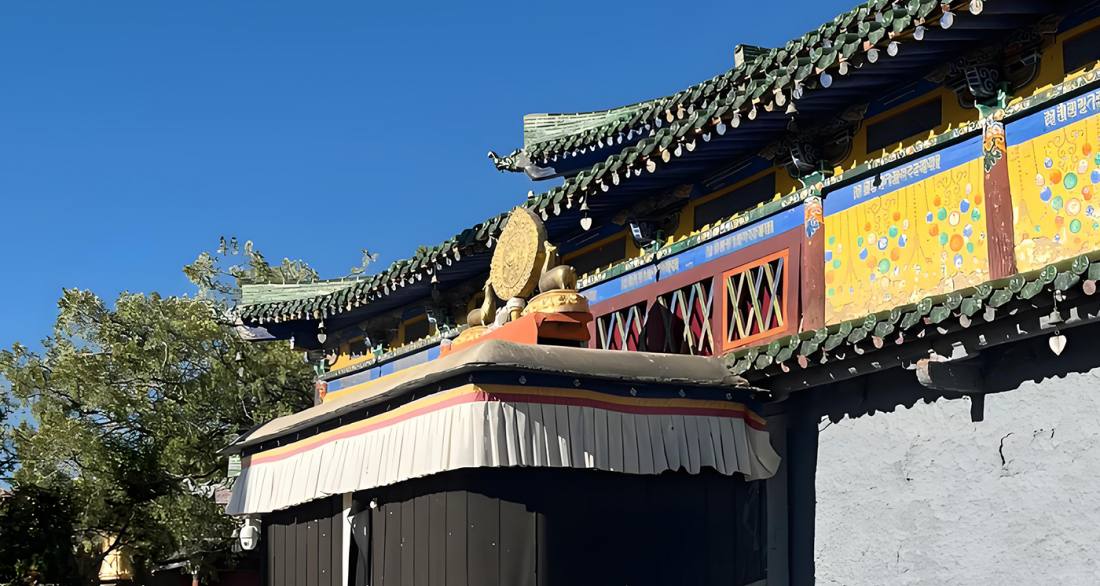
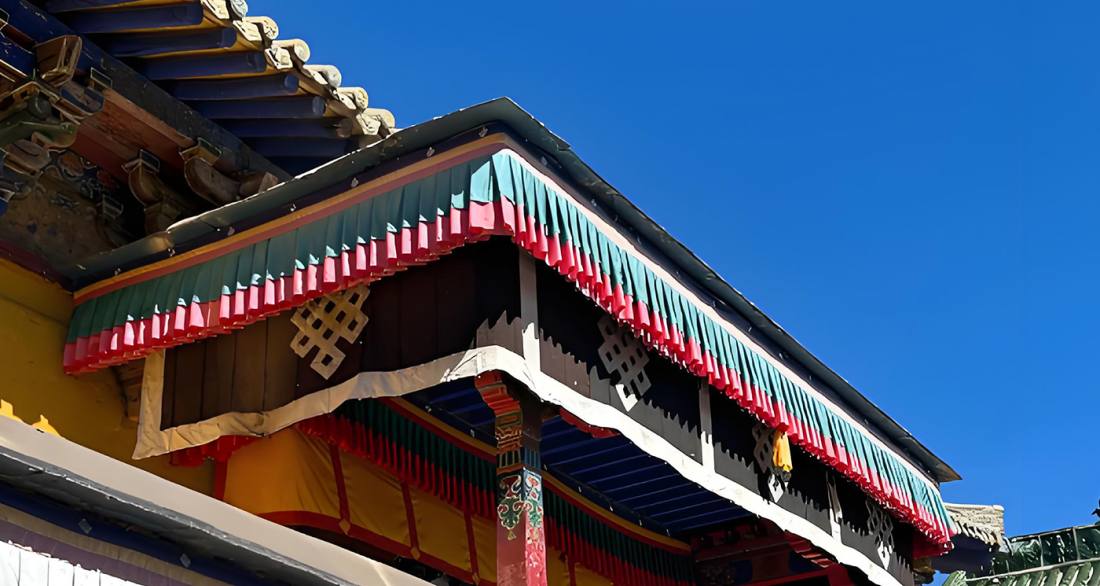
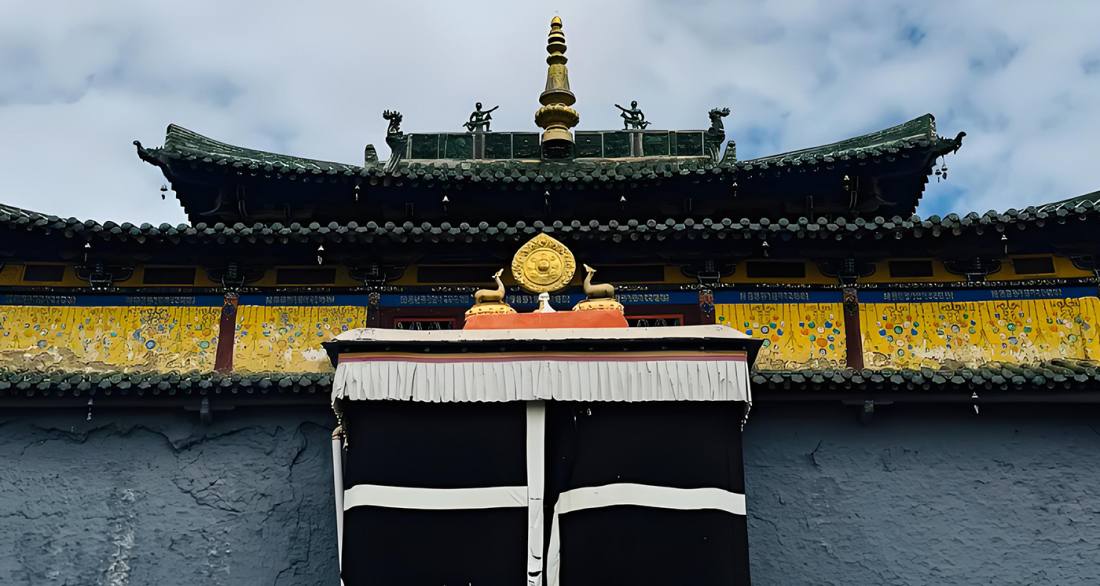
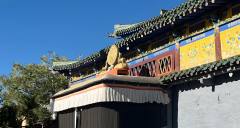
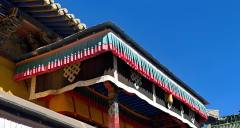
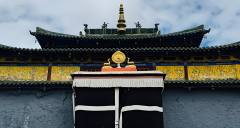
夏魯寺位於西藏日喀則市桑珠孜區夏魯村,始建於公元1027年,距今已近千年歷史。該寺以其獨特的漢藏合璧建築風格聞名於世——底層為藏式厚牆碉樓結構,上層採用漢式四合院佈局,覆以綠色琉璃歇山頂,堪稱14世紀漢藏藝術交融的典範。寺內保存了大量精美的元代壁畫,融合了尼泊爾、中原與西藏本土畫風,是研究早期藏傳佛教藝術的瑰寶。夏魯寺亦是藏傳佛教夏魯派(布頓派)的祖寺,寺內珍藏有傳說中的「四大寶物」:拼寫經文的石板、加持淨水的壇子、天然顯現六字真言的石塊以及刻有佛陀面容的石盆。如今,夏魯寺既是國家3A級旅遊景區,更是全國重點文物保護單位,持續見證著西藏與中原的文化對話。
Xialu Monastery is located in Xialu Village, Sangzhuzi District, Shigatse City, Tibet. Founded in 1027 CE, it boasts nearly a millennium of history. The monastery is renowned for its unique architectural style that blends Han and Tibetan elements—the ground floor features traditional Tibetan thick-walled fortress-like structures, while the upper levels adopt a Han-style courtyard layout capped with green glazed hip-and-gable roofs, representing a 14th-century masterpiece of artistic fusion between Han and Tibetan cultures. Inside, the monastery preserves a wealth of exquisite Yuan Dynasty murals that integrate Nepalese, Central Plains, and indigenous Tibetan painting styles, making them treasures for the study of early Tibetan Buddhist art. Xialu Monastery is also the ancestral temple of the Xialu (or Buton) school of Tibetan Buddhism. It houses the legendary "Four Great Treasures": a stone slab inscribed with sutras, a jar for consecrated water, a stone bearing the naturally manifested Six-Syllable Mantra, and a stone basin carved with the face of the Buddha. Today, Xialu Monastery is both a National 3A-Level Tourist Attraction and a Major National Historical and Cultural Protection Unit, continuing to bear witness to the cultural dialogue between Tibet and the Central Plains.